
Concrete Dreams

Peepal Tree Press, 2025
Lucas Bostock, the patriarch in Ferdinand Dennis’s fourth novel, Concrete Dreams, is hard to like. We might admire his absolute dedication to hard work, but his malevolent character drives his wife Rhoda and their daughter out of the house, leaving him with their three boys. No one has much affection for Lucas. At the start of the novel, he tells his London-born sons that their mother is a ‘Damn wo’thless woman’ and threatens to pin his young son Samuel against the wall ‘and punch out you raasclaat ribs’. Sam’s offence was to tell his Dad that it was his fault that Mum had left.
Concrete Dreams provides something that sociology and recent history books have singularly failed to do: in granular detail Dennis reveals the lives of the Bostocks – two migrants and their four British-born children. Each page brims with fragments of other people’s lives too, as Dennis briskly carries us from the 1950s to the 2020s.
It is impressive that Dennis never puts any shine on this complicated world. There are no comic episodes, no soothing romances. The Bostock saga sets out the manifold trials and tribulations of the family and their partners. A brief period of light relief is short-lived – Rhoda’s fling with a Scotsman called Constable Macfarlane is ruptured when the pleasant policeman goes home. Each episode in this long novel is discomfortingly realistic.
Since this is a family saga, it’s the politics of gender that drive the narrative. Dennis provides nuggets of good dialogue about the problem of learning to be a man. Lucas has two jobs for his whole working life: building the concrete blocks of London and rebuilding the houses he buys for the family and for rental income. His indefatigable work ethic is applied to his sons: they are under remorseless pressure to build their lives as tough men with high aspirations who work hard and pay their way. It’s no surprise to hear that he votes Conservative.
Dennis gives us a glimpse of Lucas’s internal life when he says, ‘Dese hands so tough I can strike a match on them … but that don’t mean I have no feeling in my heart.’ He’s a boxing fan, but he’s cross when his son Neville becomes a professional boxer, as that’s going too far in the journey to ‘being a man’. Neville later becomes a preacher, but we don’t hear whether Lucas approves. Although his bookish son Vincent eventually asks himself if he should have had some therapy, this is a novel about doing rather than feeling. Instead, Dennis makes daring descriptive moves, such as the sexual relationship between Vincent and his half-sister Donnette, and Rhoda’s suppression of her Biblical knowledge of ‘abominations’, because her first priority is to support her daughter and her grandchildren.
While Concrete Dreams has Caribbean people at its centre, it’s significant that ‘race’ is not its principal concern. It’s something of a puzzle that Dennis occasionally inserts a cultured Jamaican-heritage man titled ‘The Narrator’ into his text. It might be a device for providing a simple list of all the nations of origin of the people in his north London neighbourhood. Maybe it’s so he can set out the layered conflict he has with a young Black Londoner. The Narrator helps to provide a nuanced approach to racism: he hears the N word at his local pub and he doesn’t return, but he later notes the smile in the street from the woman who used the word and he thinks she might have just been trying to get noticed.
This novel is more interested in nations rather than ‘race’. And it’s even more interested in Alice Walker’s idea of ‘colourism’. Dennis’s allegiance is probably with Lucas’s relative ‘Pa Fraser’ who, back in Jamaica, had said, ‘Never mind a man’s blood, show me a man’s character.’ But ‘Ma Fraser’ provides the novel’s most foul example of colourism. She told the teenage Lucas that if her light-skinned daughter brought home ‘an ugly black brute like you’ , she would kill herself.
Demonstrating the novel’s interest in the new configurations of racism in London, Samuel, in the 1970s, encouraged by his ‘dark terracotta’ girlfriend Sylvia to go back to his studies, is ‘vaguely aware of something called race but gave it little thought’. His sister Maureen, in her blond wig and blue eye-shadow, refuses to be like the Black boys milling around Brixton, ‘trapped in the ghetto of their skin’. While the youthful Samuel can throw out the line ‘It’s a white man’s country’, when he later finds his way into politics, prompted by his new white girlfriend, it’s hinted that this might be more out of personal ambition than any deep interest in the injustices facing Black Brits.
Sam doesn’t demur when his mentor, a ‘scion of a West Indian plantocratic family’ who had ‘reinvented himself as just another West Indian immigrant’ in his rise to becoming a Labour MP, admits he’s Eurocentric: ‘English is my mother tongue … [I’m] rooted in Enlightenment thinking. I’m inescapably and irrevocably of the West.’ Dennis usefully, if a little didactically, tackles the unresolved issues of essentialised notions of ‘race’ and the impact of British imperialism on Caribbean people.
Early on in the novel, Lucas concretes over his garden. At the end, Samuel is tending the grass and trees of his mum’s home. Vincent loves to run from the concrete jungle of London into its parks, where he can hear the birds sing. People of every national origin defile nature and derive joy from its blessings. This stimulating novel reminds us that Black lives are just like White lives in one respect: we all dream, and we all struggle.

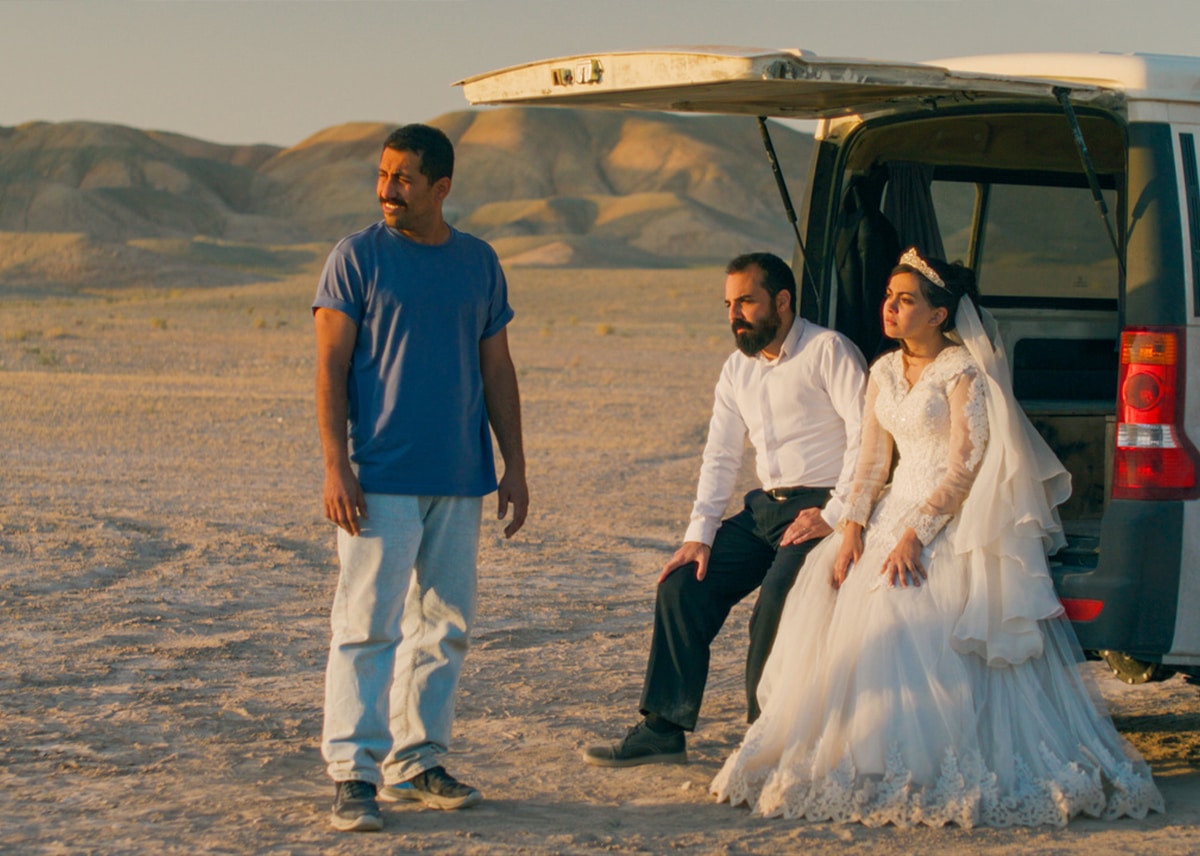
It Was Just an Accident
Iranian director Jafar Panahi's film probes the relationship between individuals, the state and violence with determined humanism
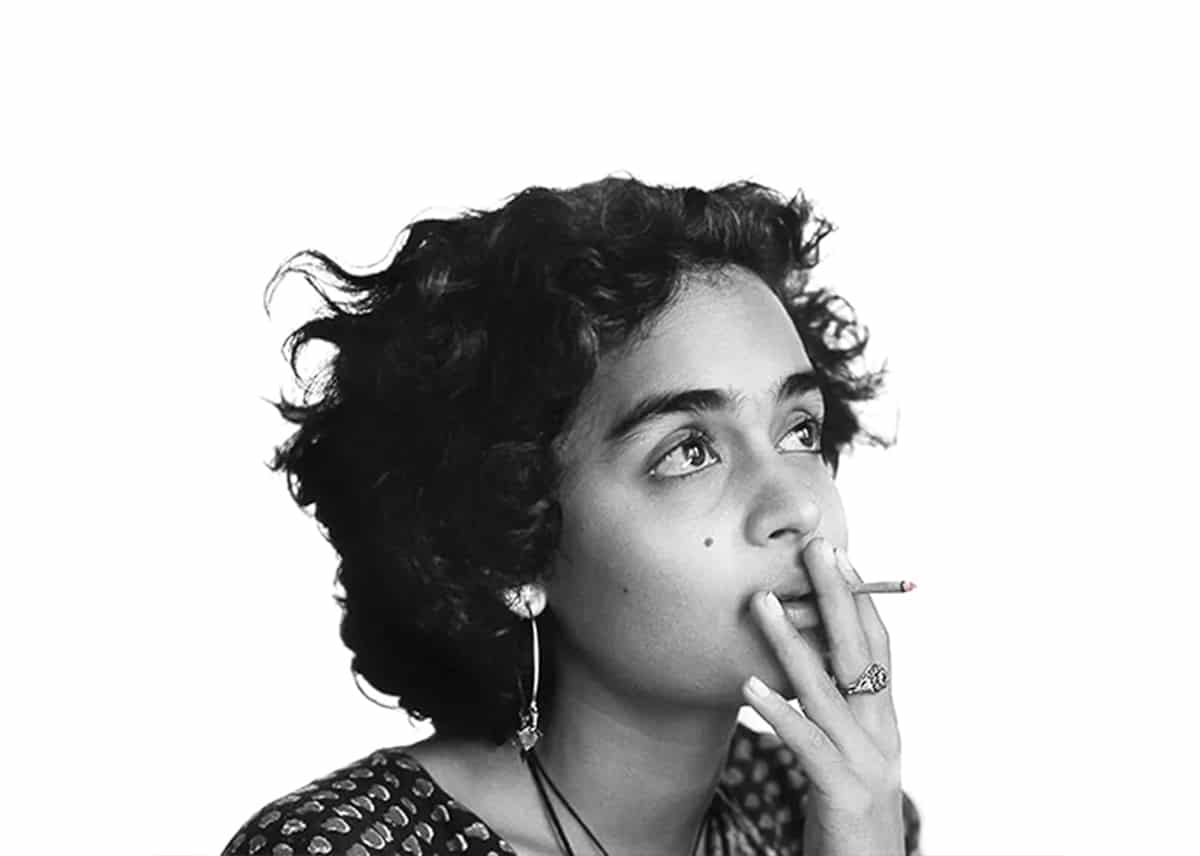
Mother Mary Comes to Me
'Who would expect such straightforward homage from an iconoclast and self-confessed sceptic like Roy?'
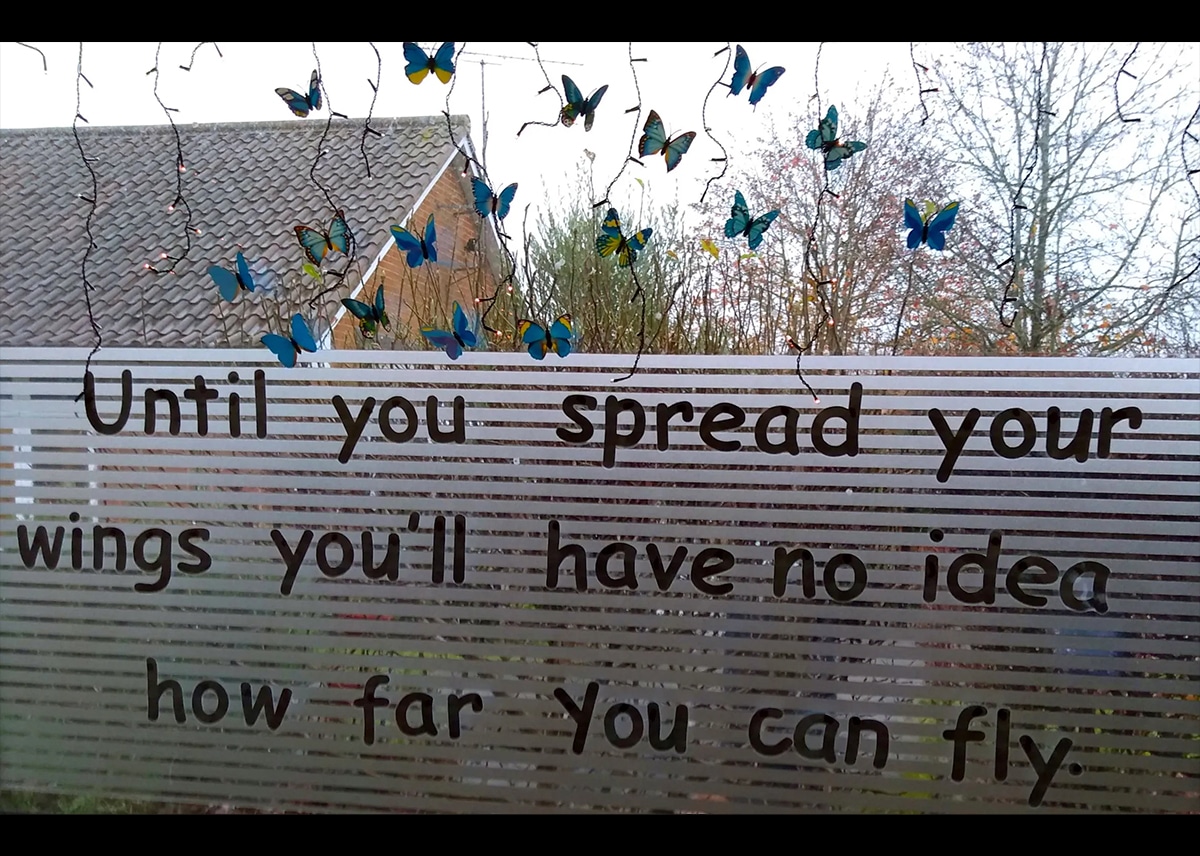
Phoenix Brothers
Sita Brahmachari's novel raises questions about agency, assimilation and solidarity for refugee children

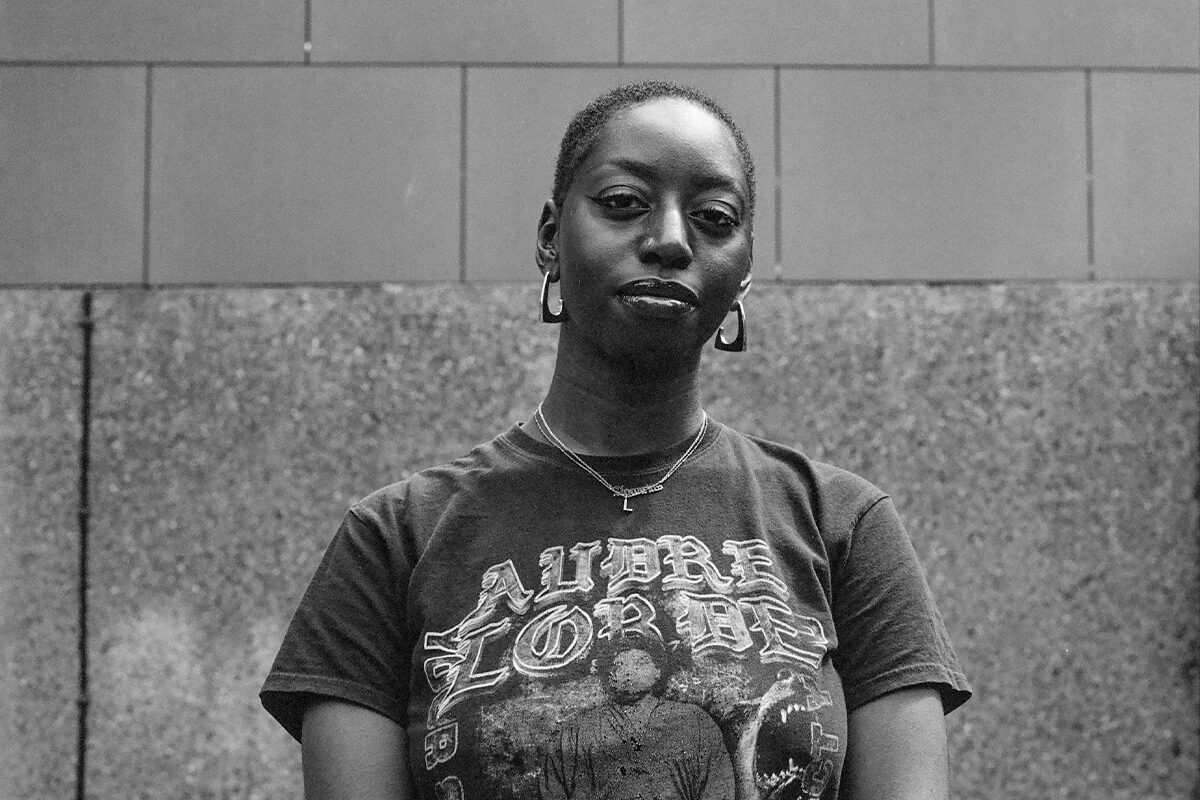
Britain on the way home
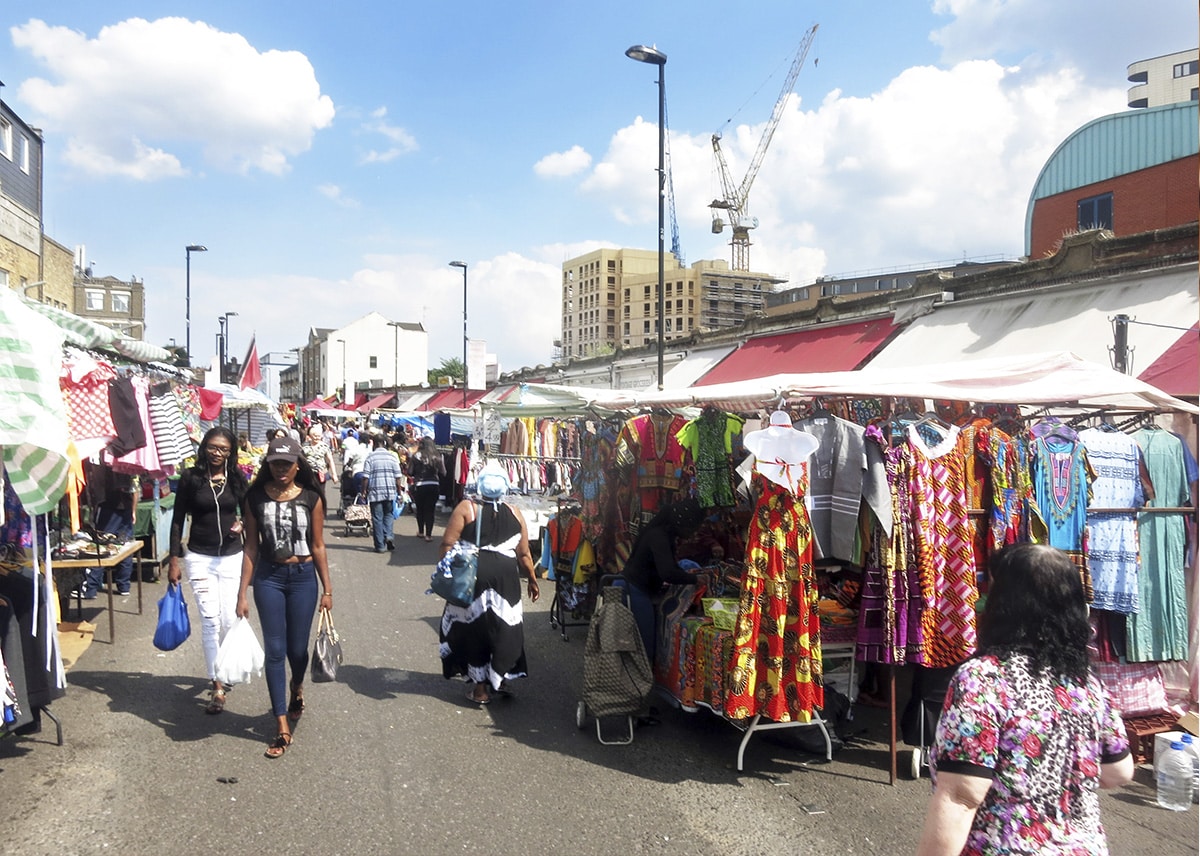
'It is not their flags we should be afraid of, but their anger.'

Tell My Horse
My favourite book; an audacious, compelling and forensic expedition into Jamaican and Haitian socio-cultural lived experience in the early twentieth century
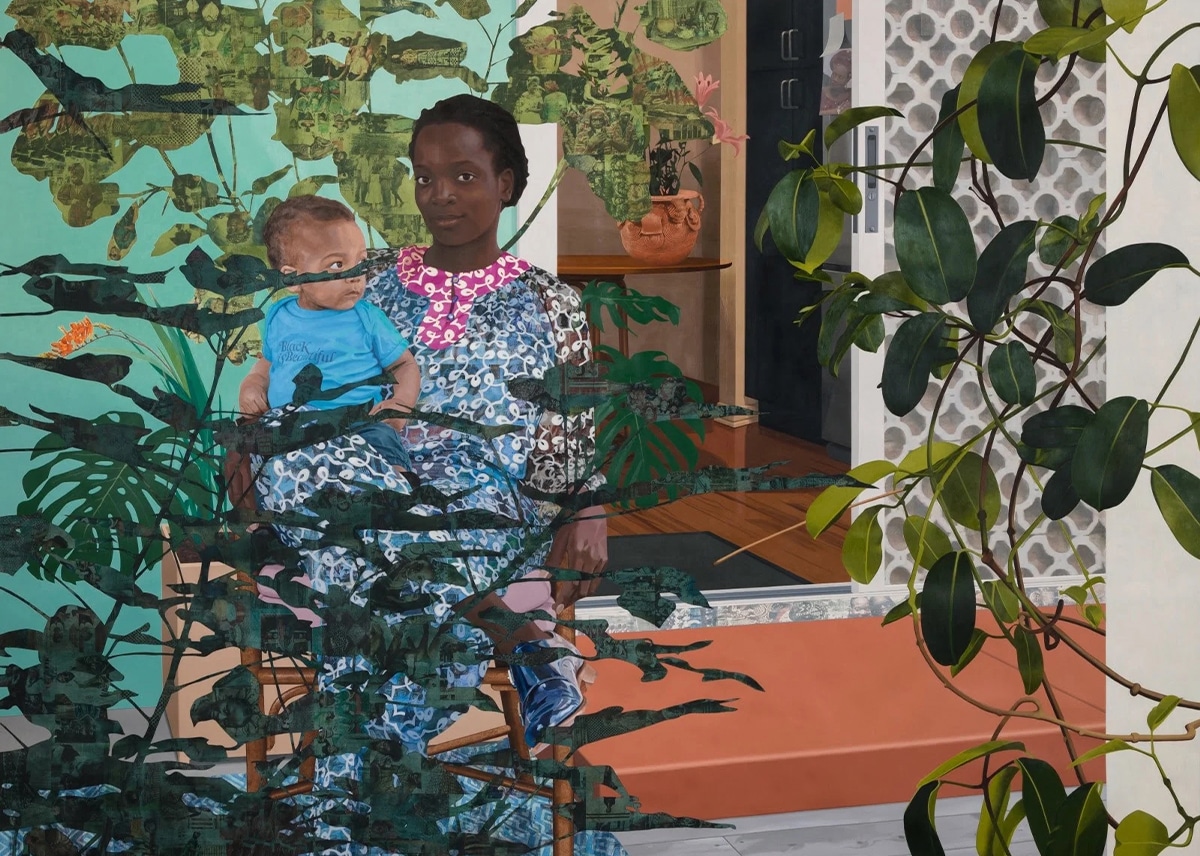
Between tradition and innovation: Njideka Akunyili Crosby’s cross-cultural currents
Drawing of parallels between the art of Njideka Akunyili Crosby and Kerry James Marshall

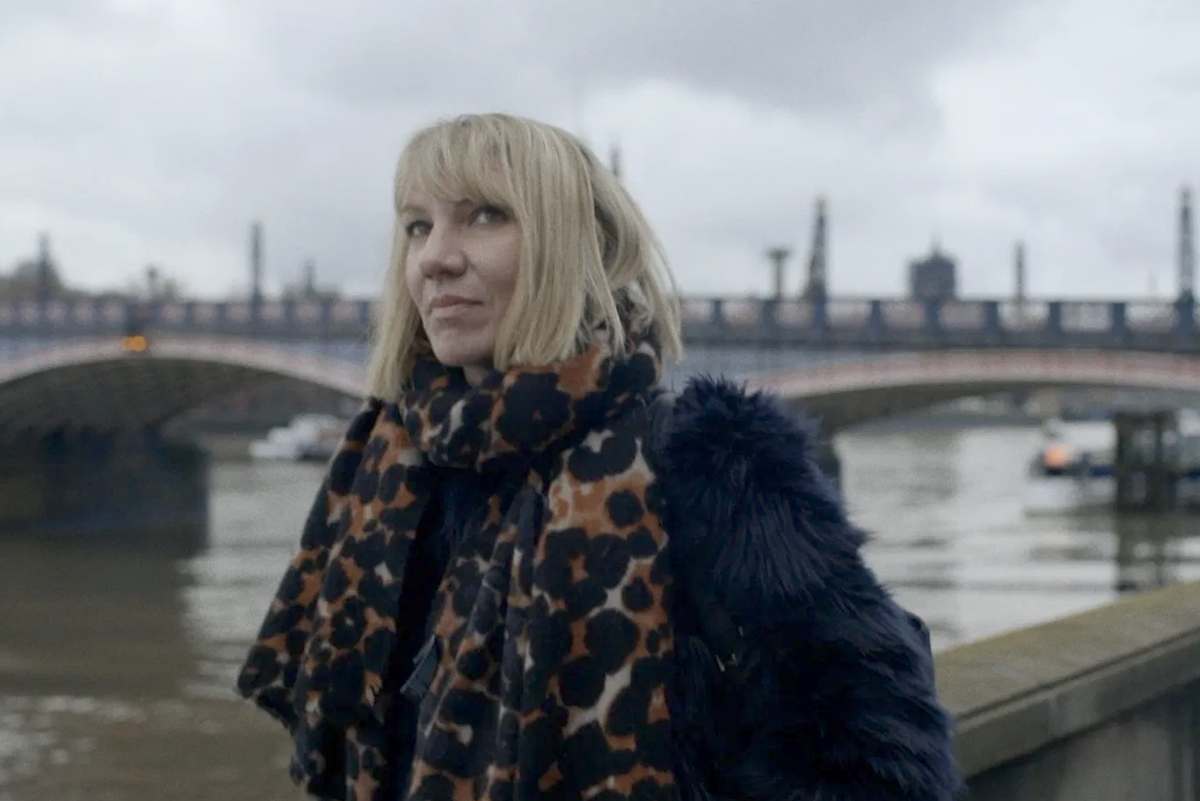
Reggae Story
Hannah Lowe reads her poem, 'Reggae Story' inspired by her Jamaican father, Chick. Directed by Matthew Thompson and commissioned by the Adrian Brinkerhoff Poetry Foundation.
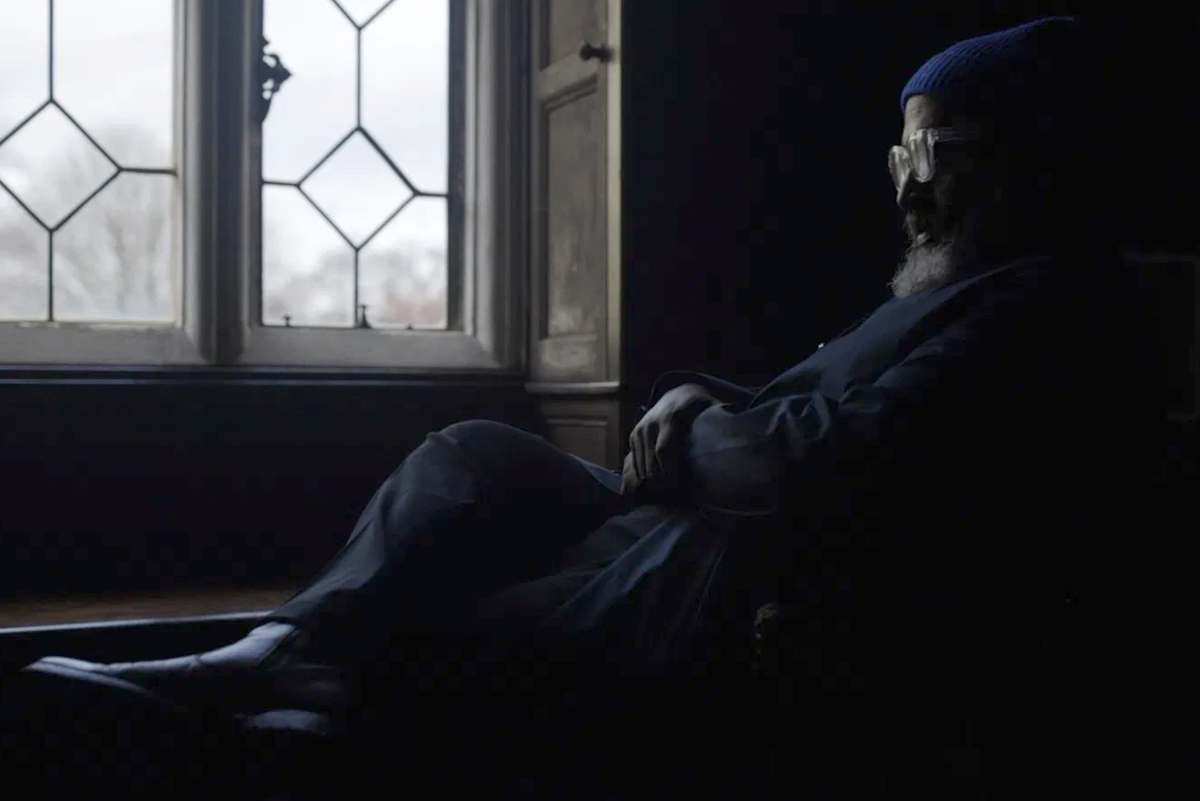
The City Kids See the Sea
Roger Robinson reads his poem, 'The City Kids See the Sea'. Directed by Matthew Thompson and commissioned by the Adrian Brinkerhoff Poetry Foundation.

Illuminating, in-depth conversations between writers.
Listen to all episodes
SpotifyApple Podcasts
Amazon Music
YouTube
Other apps

The series that tells the true-life stories of migration to the UK.
Listen to all episodes
SpotifyApple Podcasts
Amazon Music
YouTube
Other apps
Afro-Caribbean writer Frantz Fanon, his work as a psychiatrist and commitment to independence movements.
Listen to all episodes
SpotifyApple Podcasts
YouTube
A six-part audio drama series featuring writers with provocative and unexpected tales.
Listen to all episodes
SpotifyApple Podcasts
YouTube