
It Was Just an Accident

Directed by Jafar Panahi, 2025
The films that Iranian director Jafar Panahi has made since his filmmaking ban in 2010 have been defiant in every possible way. There is, of course, the mere fact of their existence: filmed covertly under the nose of the Islamic Regime and smuggled out of Iran on USBs hidden in cakes. There is the strain of anger that runs through all of the films; critiques of the regime’s capillary violence, told through often funny and tender stories of everyday people. And then there is their refusal of traditional narrative structures, leaning on metafictional devices in which Panahi becomes a character in his own films.
That is, at least, until his latest film, It Was Just An Accident: Panahi’s first traditional fictional feature in almost 20 years, it is also the first film he has made since his most recent period of imprisonment in Iran’s infamous Evin Prison in 2022 and the subsequent relaxation of his filmmaking ban. Yet It Was Just An Accident remains a classic Panahi film: made under illegal conditions – no permits sought, no censors consulted – and defiant to its core. The titular accident takes place in the first few minutes of the film, as a car with a husband, wife and their small daughter hits an animal on a dark road while driving back to Tehran. Seeking help at a nearby garage, the husband – whose every other step creaks with the sound of a prosthetic leg – is overheard by the mechanic, Vahid, who immediately identifies the noise as belonging to one of his torturers when he was imprisoned.
What follows is half farce, half thriller. Vahid follows the man, known to him only as ‘Peg Leg’, and violently kidnaps him, only to be thrown into increasing doubt as to whether this man is in fact the infamous Peg Leg. Dotting around Tehran in his van, Vahid collects a ragtag group of other released political prisoners – a wedding photographer, a bride and her hapless groom, and the wedding photographer’s reckless ex – each seeking to identify a man they only heard and never saw, and yet whose presence is burned into each of their minds.
It Was Just An Accident dispenses with the metafictional frameworks that have structured Panahi’s films since 2010, but it remains, in many ways, a study on the same concerns that underpinned those works: what it means to take action within suffocating conditions, and what civic agency in the face of state violence looks like. Formally straightforward, it remains nevertheless as existentially knotty as its predecessors, locked in the same liminal state of waiting, with certainty – by the nature of the violence being done – always out of reach. Whereas Panahi’s previous works had shades of Abbas Kiarostami, It Was Just An Accident’s closest correlation is with the work of Samuel Beckett. The scene in which the unexpected gang of avengers sit against their van next to a single tree could have been lifted straight from Waiting For Godot, both in its visual language and in its wry exploration of the loops that humans find themselves caught in, and the often empty promises of deliverance that they seek within particular narratives.
In It Was Just An Accident, this narrative is about the possibility of revenge, and what it might do for its traumatised characters. Less of a revenge drama than a ‘what-even-is-revenge?’ drama, It Was Just An Accident probes the relationship between individuals, the state and violence with determined humanism. Who takes ultimate responsibility for violence in an environment suffused with it? What does it mean to resort to the same actions as the people you hate? What happens if those are the only actions left to you?
Through these questions, Panahi threads the memory of revolution throughout his film, from the failed hope of the 1979 Islamic Revolution – whose effects the characters continue to bear – to the seismic social changes following the 2022 Woman Life Freedom movement. And yet Panahi refuses any easy answers, any catharsis that might come from simple political messaging. Instead, we are left with the impossibility of action, and the impossibility of inaction. Even under the most suffocating of conditions, Panahi tells us, we still hold our own agency. The very existence of It Was Just An Accident, and of his entire oeuvre of films that came before, is proof of that.

WritersMosaic monthly
Get new reviews in your inbox
One email monthly, unsubscribe anytime
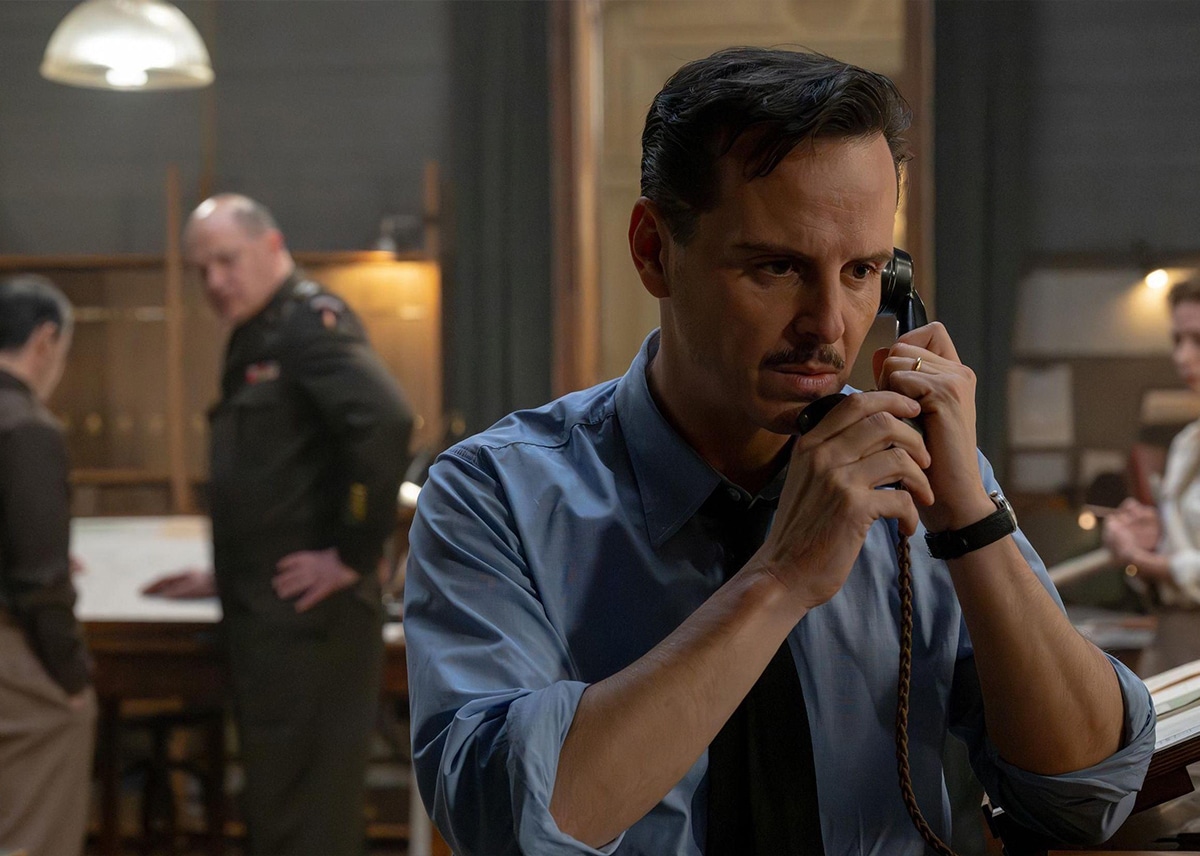
Pressure
What's missing from the latest 'untold story behind D-Day'?
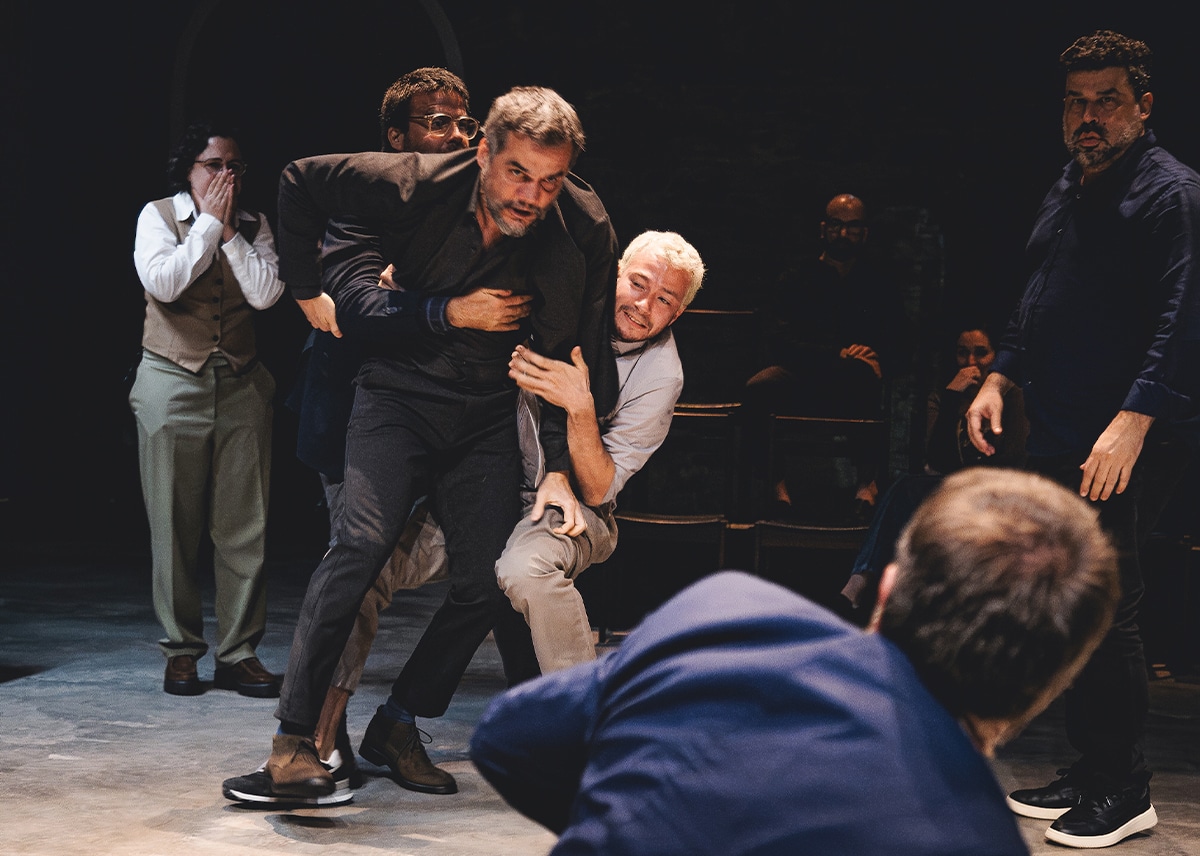
A Trial
An examination of theatre’s complicity in post-truth politics
The Complex
The unraveling of a dynasty



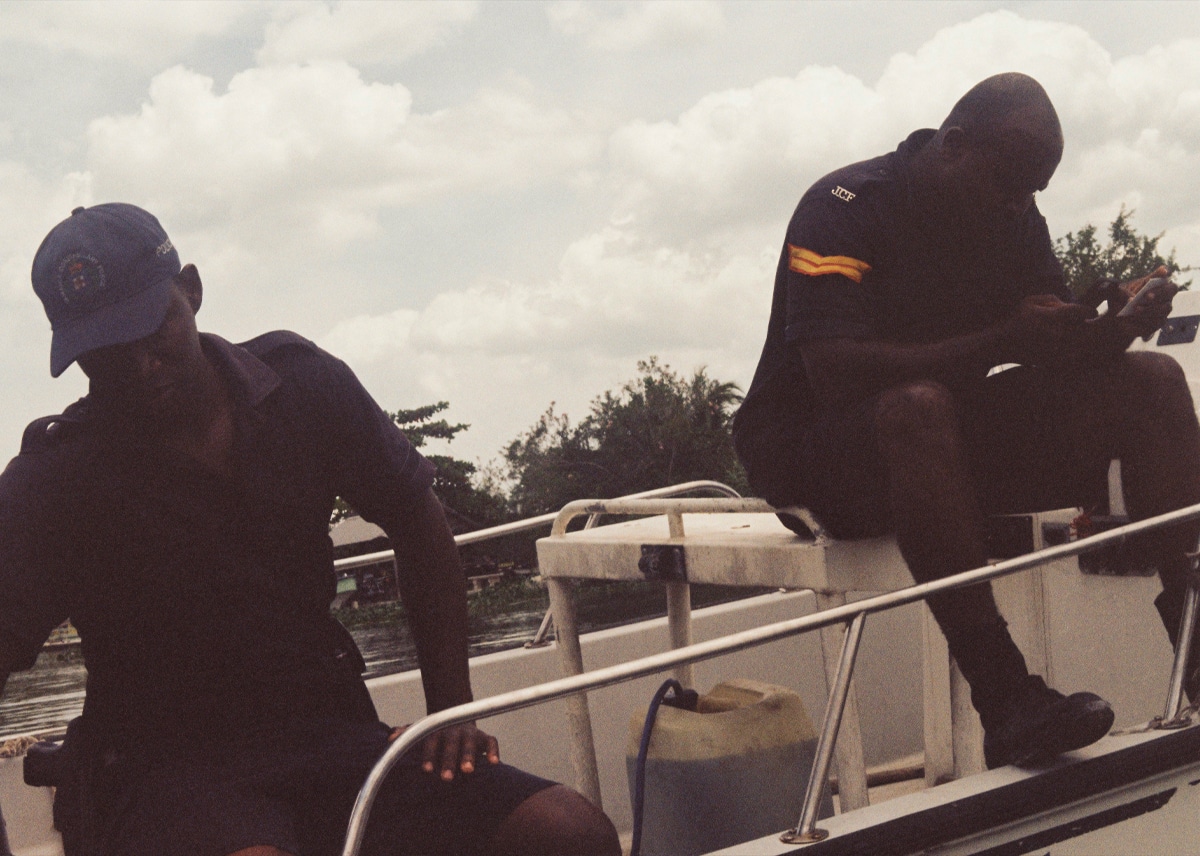
Marlon James: a Jamaican reckoning
'A return to a home I barely knew'

The name of this wallpaper is ‘Childhood’
A luminescent bubble of memory

What’s in a feminist? Holding on to Gloria Steinem
Is Gloria Steinem's feminism still relevant today?


Illuminating, in-depth conversations between writers.
Listen to all episodes
SpotifyApple Podcasts
Amazon Music
YouTube
Other apps

The series that tells the true-life stories of migration to the UK.
Listen to all episodes
SpotifyApple Podcasts
Amazon Music
YouTube
Other apps
WritersMosaic interrogates the notion of ‘staying in your lane’ by asking writers how they attempt to think beyond the parameters of their cultural identity.
Listen to all episodes
SpotifyApple Podcasts
YouTube