
Harsh Times
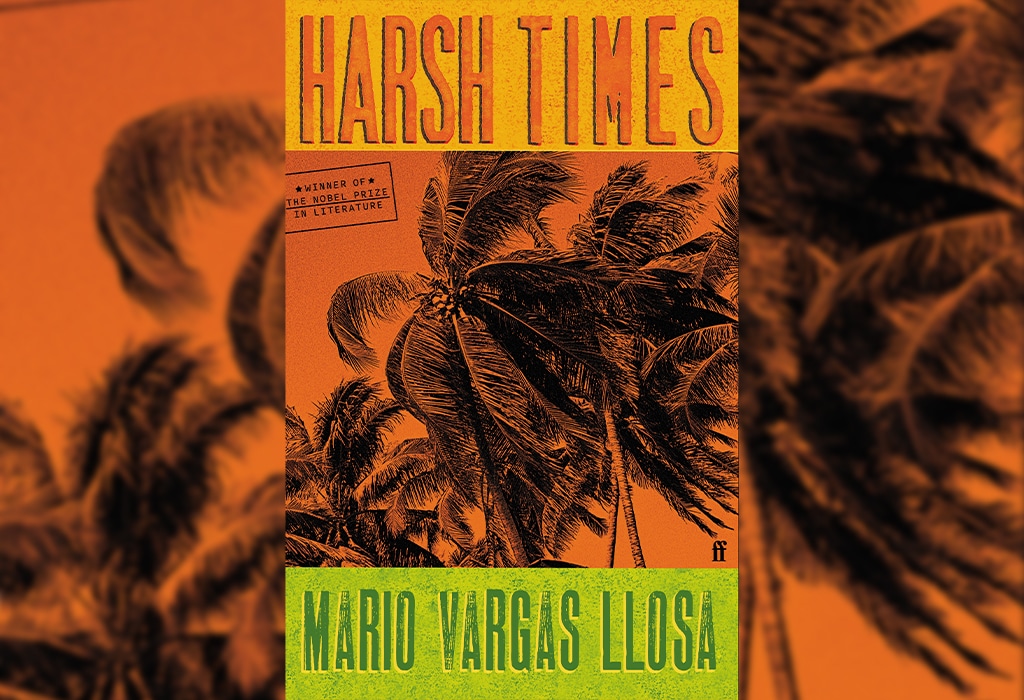
Mario Vargas Llosa
(Faber, 2021)
Reviewed by Daniel Rey
The Peruvian Nobel laureate Mario Vargas Llosa is the most prolific writer of the so-called Latin American boom. In his new novel, Harsh Times, Vargas Llosa, now 85, turns to a crucial yet overlooked moment in twentieth-century Latin America: the US-devised coup in Guatemala.
It’s 1954 and President Jacobo Árbenz – son of a Swiss pharmacist and a local schoolteacher – is trying to modernise the Central American country. He wants to improve conditions for peasants and build a democratic foundation for a capitalist society. He introduces agrarian reforms that redistribute unused lands, and wants foreign companies to pay tax. As he tells the US ambassador John Emil Peurifoy in one of the novel’s most affecting scenes, he’s aspiring to make Guatemala more like the nation he most admires: the United States.
But US capitalism has other ideas. The United Fruit Company, which provides peasants with minimal rights and makes a killing on the export of Guatemalan bananas, begins a calculated campaign of disinformation. Against the backdrop of the Cold War and McCarthyism, the company plants the unfounded rumour that Árbenz is a communist, that he’s in league with the USSR, and that he’s a grave threat to the US. Time magazine, the Washington Post and the New York Times all spread the lie. With US public opinion set against Árbenz, the CIA – together with Guatemalan colonel Carlos Castillo Armas – overthrow a democrat who doesn’t even have diplomatic relations with the Soviet Union.
Vargas Llosa’s novel gives us close-up snapshots of the coup and its consequences, which include the subsequent downfall of Castillo Armas. His settings and dialogue recall 1950s film noir. There are fierce downpours, shadowy hallways, small courtyards. In a last-minute attempt to leave Guatemala, Marta, Castillo Armas’s mistress and the closest thing the novel has to a hero (or anti-hero), watches an officer with a flashlight approach her black car, a revolver in his other hand.
Conspiracy abounds. Marta doesn’t know who to trust. We, in turn, don’t know how much this fierce anti-communist – a fiery woman who inflicts mordant physical pain on powerful men – was involved in the plot against her lover. Interviewed by the narrator decades later, she is coy about her relationship with the CIA and gives ‘the occasional impression that the borders between reality and fiction dissolve in her mind without her being aware of it.’ At other moments, ‘it seems she is consciously administering these confusions.’ Vargas Llosa’s not-always-reliable narrator frequently adds to the covert ambience: ‘I’ve spent two years distorting her,’ he says of Marta, ‘so that no one – not even she – will recognize her.’ We know even less about the novel’s supporting cast. Though their motivations may be clear, they move in the dark and we see only their silhouettes.
Vargas Llosa skilfully hangs this clandestine aura over Harsh Times through acute chapters that detour in persona, time, and place. That is, until the very end, when his narrator – whom we are now told is a Peruvian called Mario – provides a historical interpretation that, although thoroughly justifiable, is in literary terms unsatisfying. The US intervention in Guatemala, he says, was not only an egregious violation of sovereignty and democracy, but also utterly counterproductive. ‘It helped foment anti-Americanism in Latin America all over again, and invigorated the Marxists, the Trotskyites, and radicalized Fidel Castro’s 26th of July Movement and pushed it toward communism.’ ‘No less grave,’ he continues, ‘were the effects of Castillo Armas’ victory for the rest of Latin America (especially Guatemala), where for decades guerrillas and terrorists proliferated, and military dictatorships assassinated, tortured, and plundered their own countries, taking democracy off the table for half a century.’ This exposition follows logically from Vargas Llosa’s story, but its unequivocal tone detracts from the murky world he has created. It would have been more elegant – and more in keeping with the tone of Harsh Times – to keep insinuating.
Harsh Times reproduces one of Vargas Llosa’s recurring motifs: power. Readers of Latin American literature will enjoy comparing it to his other explorations of the theme, especially The Feast of the Goat – his novel about the assassination of the Dominican dictator Rafael Trujillo. They may be interested, too, in reading Harsh Times in the light of other works by Latin American Nobel laureates that excoriate the influence of the United Fruit Company – Miguel Ángel Asturias’s Banana Trilogy and Gabriel García Márquez’s One Hundred Years of Solitude, from which Vargas Llosa borrows famous phrasing and syntax.
The US/United Fruit Company plot against Árbenz manipulated Cold War fears and exploited Guatemala’s weak political system. In the face of US interests and influence, the challenge for Árbenz was to ‘keep politics from driving the army apart and prevent incitement to conspiracy.’ For Vargas Llosa, in Árbenz’s defeat, we can see ‘the eternal story of Central America.’
https://www.faber.co.uk/product/9780571365654-harsh-times/
WritersMosaic monthly
Get new reviews in your inbox
One email monthly, unsubscribe anytime

The Complex
The unraveling of a dynasty
Disappearing Images
A festival of ephemeral art and the impermanence of our current world
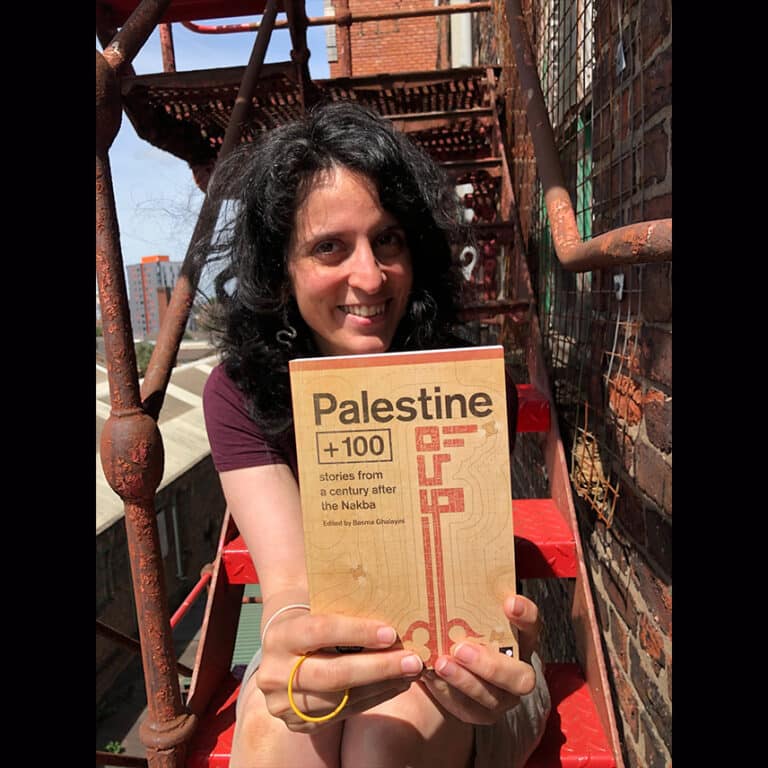
Ever Land
A layered and haunting view of daily life in occupied Palestine

Coats
The unexpected cost of acquiring two Italian leather coats in Rome
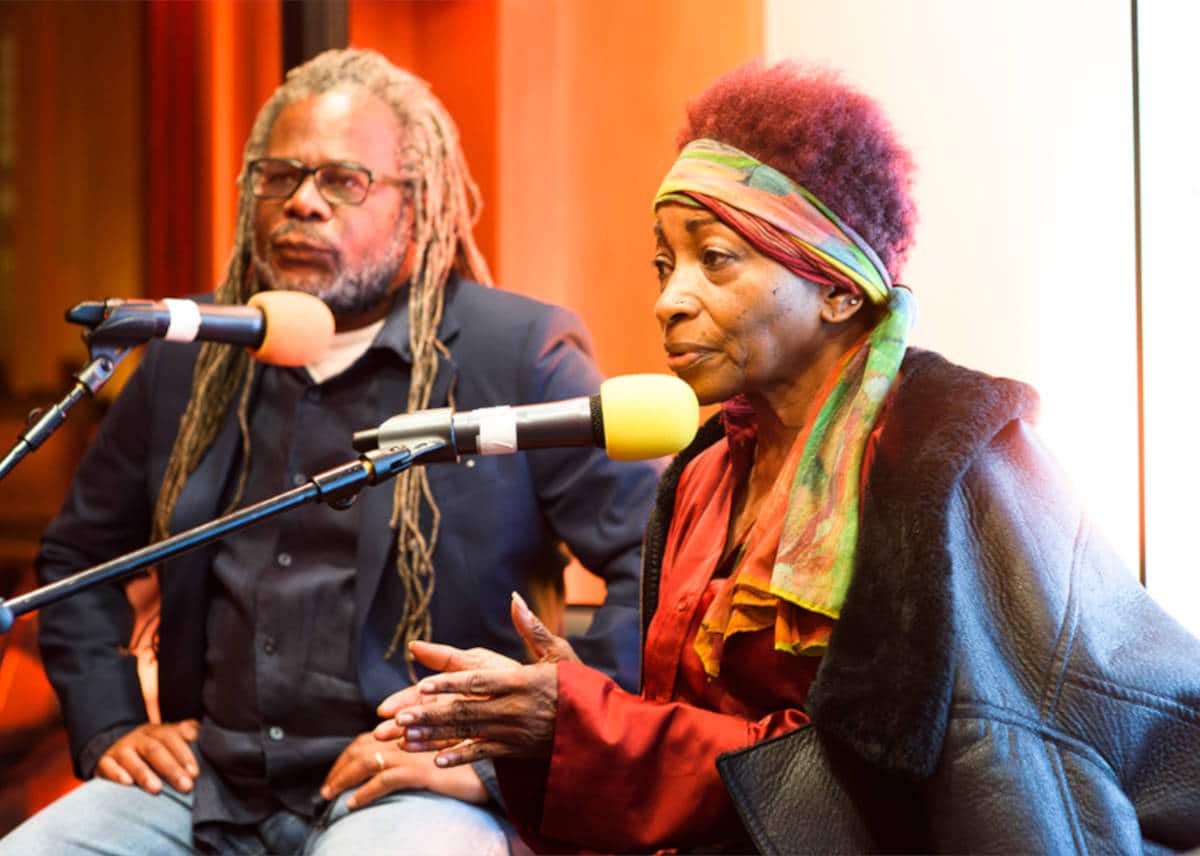
A tribute to Bonnie Greer
Founding editor of WritersMosaic Gabriel Gbadamosi pays tribute to Bonnie Greer, the extraordinary writer, public intellectual and much admired contributor to WritersMosaic who died on 15 September, 2026.
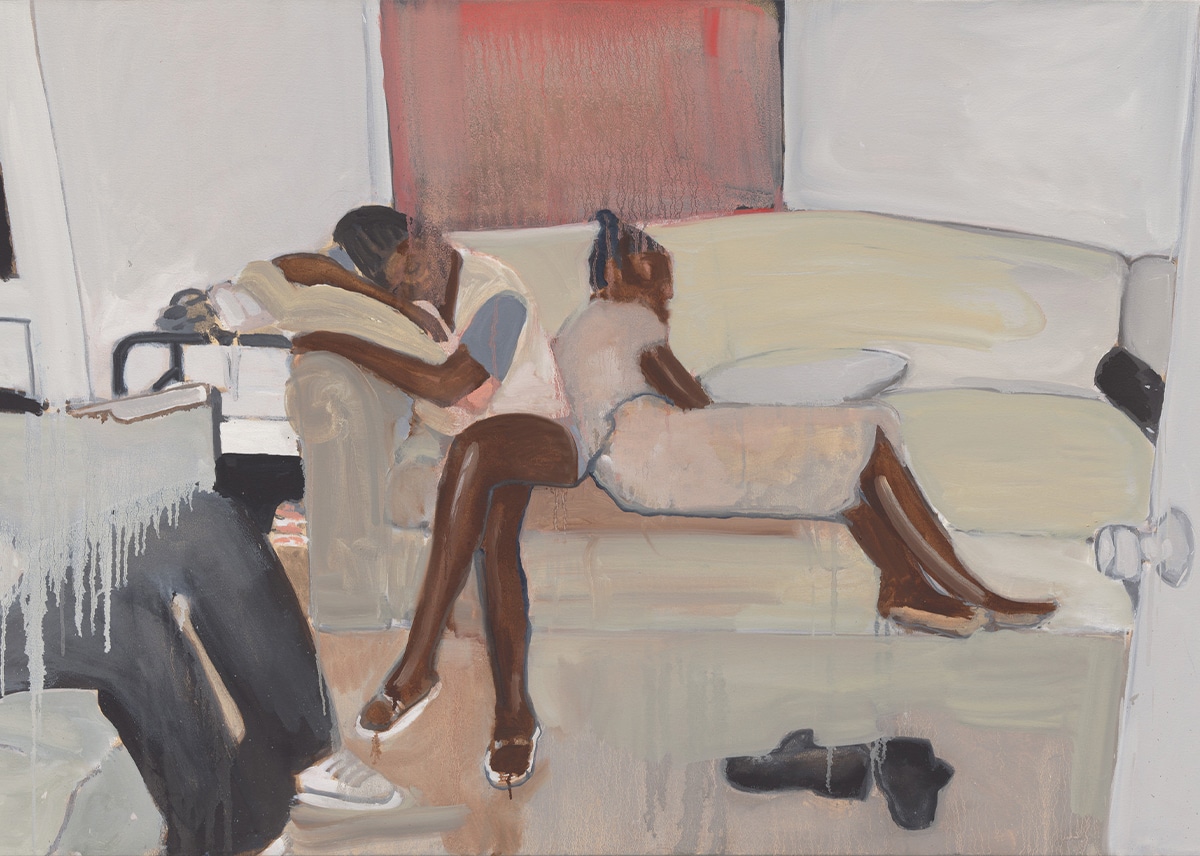
Triage
A response to the endless spiral of worldwide conflict and tragedy
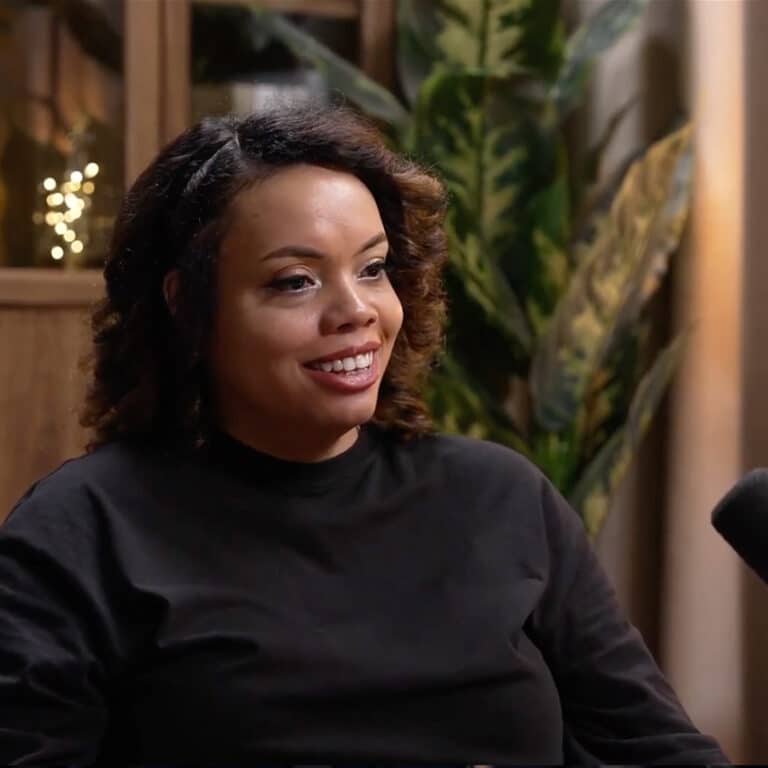

Free Will
Will Harris reads his poem, 'Free Will'. Directed by Matthew Thompson and commissioned by the Adrian Brinkerhoff Poetry Foundation.

Half Written Love Letter
Selina Nwulu reads her poem, 'Half Written Love Letter'. Directed by Matthew Thompson and commissioned by the Adrian Brinkerhoff Poetry Foundation.

Illuminating, in-depth conversations between writers.
Listen to all episodes
SpotifyApple Podcasts
Amazon Music
YouTube
Other apps

The series that tells the true-life stories of migration to the UK.
Listen to all episodes
SpotifyApple Podcasts
Amazon Music
YouTube
Other apps
WritersMosaic interrogates the notion of ‘staying in your lane’ by asking writers how they attempt to think beyond the parameters of their cultural identity.
Listen to all episodes
SpotifyApple Podcasts
YouTube
In the first series of poems commissioned by Hannah Lowe, six poets explore how ritual gives meaning to our lives.
Listen to all episodes
SpotifyApple Podcasts
YouTube