
Kikuyu Land
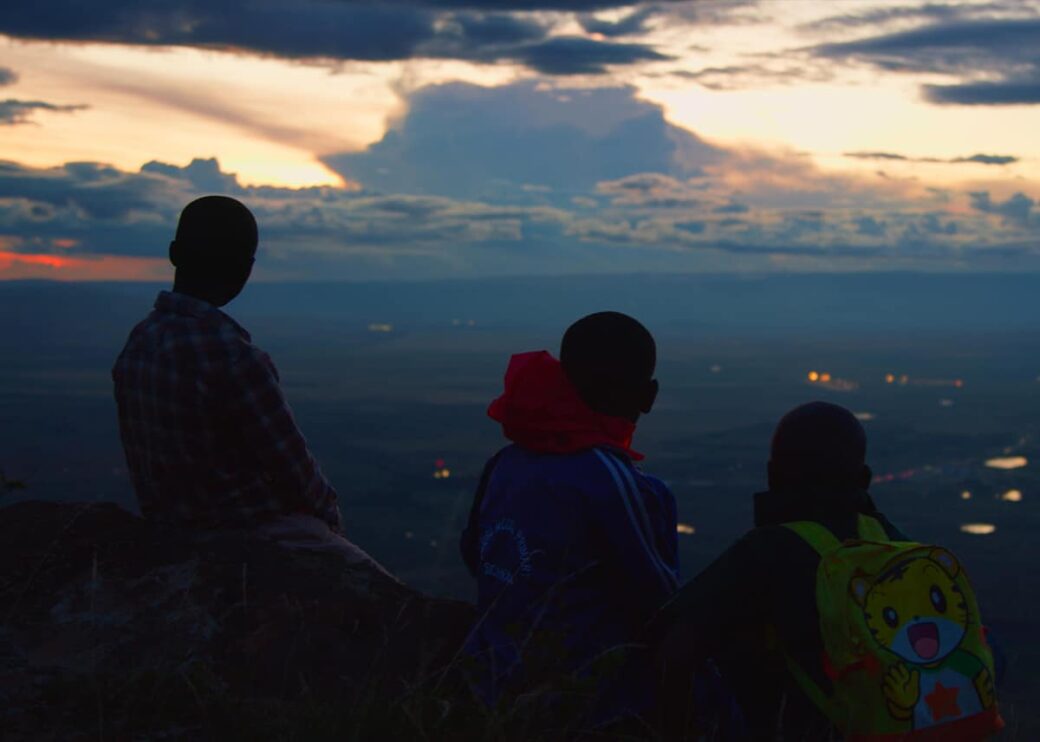
Directed by Bea Wangondu and Andrew H. Brown, 2026
Kikuyu Land, a documentary from co-directors Bea Wangondu and Andrew H. Brown, follows Kenyan journalist Bea as she investigates the legacy of colonial exploitation in Kikuyu communities, a group native to the fertile highlands of Central Kenya. In the early to mid- twentieth century, British colonial forces stripped Kikuyu people of their ancestral lands and established tea plantations. Colonial powers took control of tea fields through companies like Brooke Bond and East Africa Tea Company, and even after the colonial powers left Kenya in 1963, control of the tea fields remained with major corporations such as Unilever. Kikuyu Land explores the history and current conditions of the workers, and also poses important questions about how such economic displacement relates to the larger forces of toxic capitalism, political corruption and violence in Kenya. Tea as a product represents so much: it is a simple part of our daily rituals, but has been vital in history, from trade to colonial exploitation to cultural tradition. The rich history behind a beloved drink is the context for this film.
Bea interviews locals about the tea fields and follows local activist Mr Mungai, who has lodged a claim with the government to receive reimbursement for his grandfather’s land. Mr Mungai serves to personalize the experience of so many descendants forced to fight for historical claims to lands. He is a compelling figure to watch, and draws the audience into his struggle, making it our own.
The documentary follows Bea as she talks to her community, to Mr Mungai and to tea workers, and makes calls and visits corporations; we take this investigative journey with her. The film includes interviews with anonymous tea workers, who share stories of abusive conditions and economic traps.
Kikuyu Land is interspersed with many shots of the landscape, showcasing Kenya’s natural abundance. Drone shots capture the expansiveness of the land, conveying the natural beauty of Kenya and the rich potential of the land, and reminding us of what has been stolen from the people. Handheld cameras hover low over the fertile tea fields, capturing the details of the soil, the trees and the lush crops. The camera also captures close-up, intimate shots of the people who occupy this land, lingering on the faces of the tea workers, as well as several local boys who appear throughout the film. These boys are laughing and playing in the fields, and dreaming aloud of the world beyond this place. They bring a childlike wonder and playfulness that contrasts with the oppressive nature of the tea plantations. Atmospheric visuals offer an organic, contemplative quality to the documentary, making it sometimes feel more like an arthouse film.
Bea also explores her own family history. Family visits are interspersed throughout, as she tries to speak to her uncles about her grandfather’s predatory financial practices and ownership of land. This turns the gaze of accountability in an unexpected direction: towards one of the filmmakers. Her privileges come from the same capitalist practices that advantage the few by taking from the many. Her family shows discomfort with, and sometimes takes offense at, the questions she raises, bringing a fascinating tension to the surface; family members wish to protect their grandfather’s legacy, yet their history may be built on exploitation. She also faces an uncomfortable dissonance within herself. As a filmmaker and journalist, Bea aligns herself with the oppressed, but is now grappling with her own family’s history of oppression.
The documentary also weaves in extensive news footage, expanding the lens outwards from the tea fields to Kenyan politics at large. We watch clips of the new Kenyan president and his speeches, reports on political abductions and murders, and footage of the famous protests in Kenya in 2022. These events swirl around the film’s main figures, indicating the larger context and stakes. This offers a necessary, but perhaps not fully realized, insight into how colonialism and capitalism have fed into Kenya’s current political situation. The film captures a strong sense of fear, retaliation and exploitation stretching back decades. Systems of power are perpetuated, and the oppressors control the oppressed. People who fight back risk their lives. Control is maintained through violence. Female tea workers share stories of decades of sexual violence by overseers. We see seemingly undercover footage of overseers patrolling the tea fields. This transitions into footage of chaotic acts of political violence. As viewers, we understand that these instances of violence are connected to a larger pattern of oppression.
There are rich veins to be explored here, but the film doesn’t delve into these facts or context, rather giving us a sense of instability rather than an understanding of it. Similarly, atmospheric visuals offer a compelling vision of Kenya’s abundance, but may not offer enough detail on the history and details of the tea field situation to satisfy the curious viewer.
Kikuyu Land is a powerful documentary that explores a history we may not know. Kenya’s political and economic present is rooted in historical and ongoing capitalistic control. Focusing on the exploitation that takes place on and around the tea fields disarms the viewer; we must think about where an apparently innocent product like our daily tea comes from.
WritersMosaic monthly
Get new reviews in your inbox
One email monthly, unsubscribe anytime
The Story
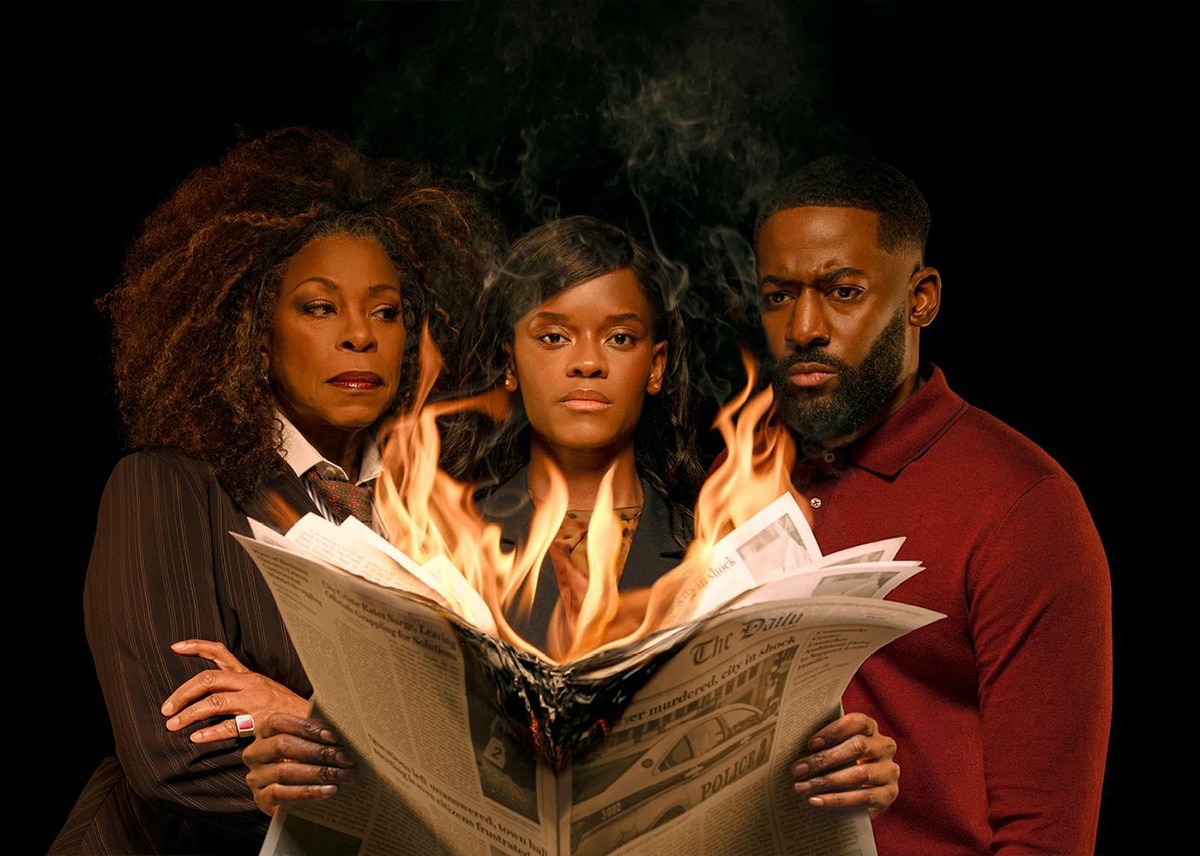
A propulsive play centered on a black-run section of a mainstream newspaper

The Recovery House
A love letter to the vicissitudes of being a novelist
On Becoming a Guinea Fowl
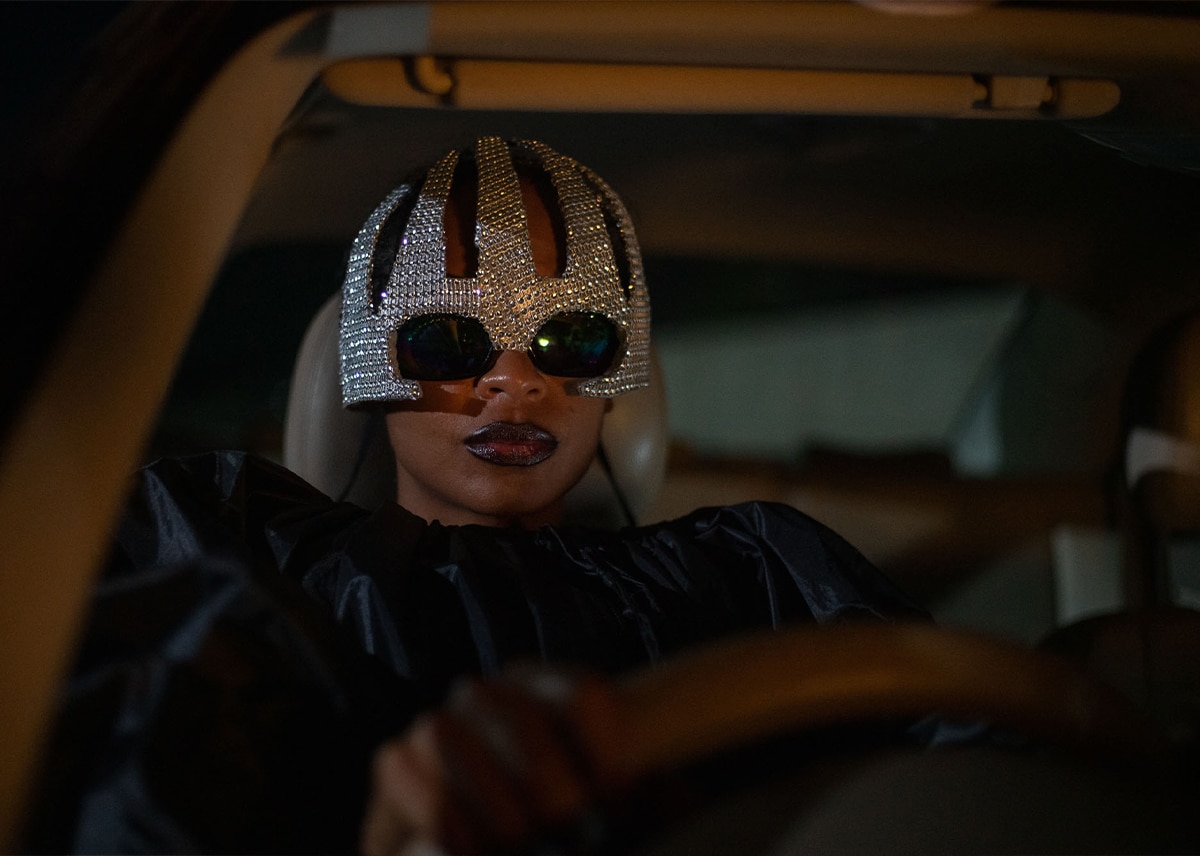
A sharp, layered study of patriarchal privilege



Get in line
What does a queue have to do with anything? A lot, says Snežana Ċurčić

Ladies of the Rachmaninoff Eyes
The impact of space between what is happening on and off the page

On Snow
'The mind inevitably seeks a reenactment of the teal light I associate with home'
Becoming Home: Sight
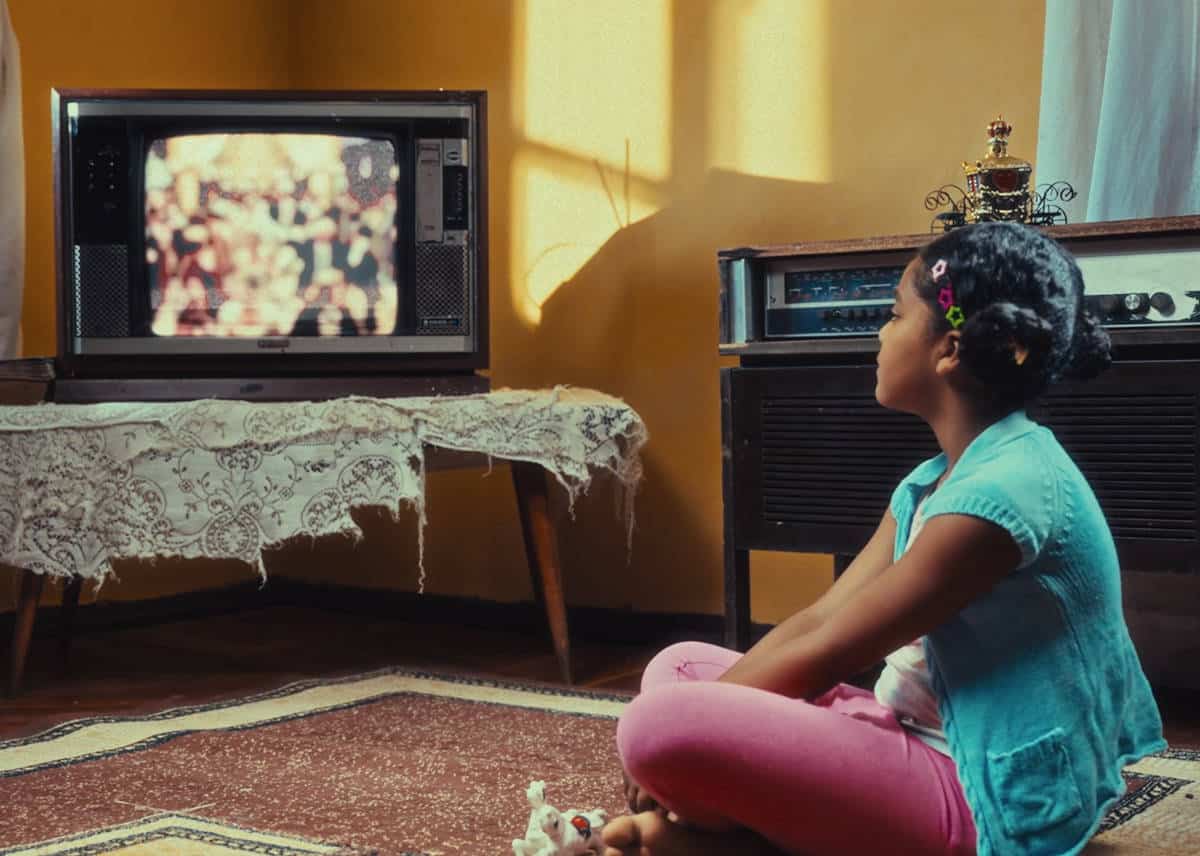
The first in Becoming Home, a series of four short films by Adïam Yemane, commissioned by WritersMosaic. This film centres on Adïam's own story, exploring the meaning of home through sight.
Fruity
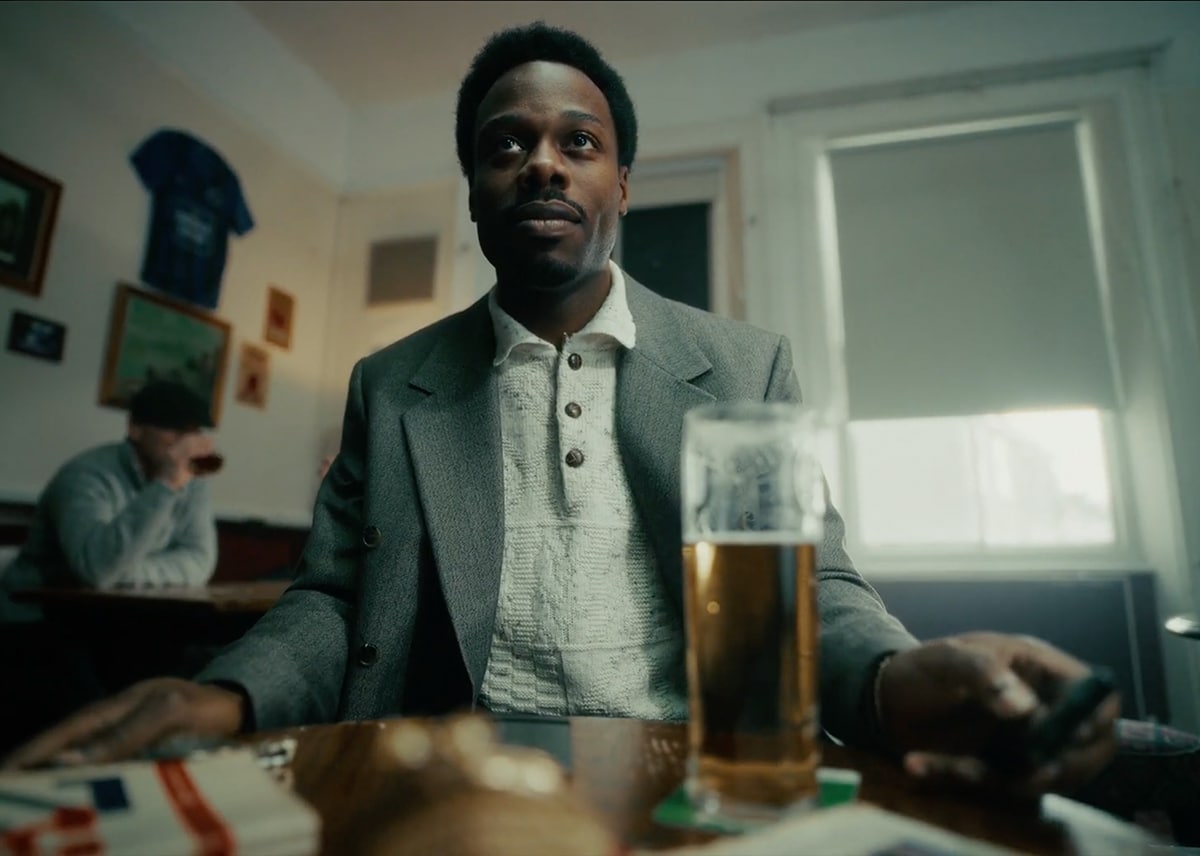
A darkly comic crime short film written by and starring Delon Jessop and directed by James Baines.

Illuminating, in-depth conversations between writers.
Listen to all episodes
SpotifyApple Podcasts
Amazon Music
YouTube
Other apps

The series that tells the true-life stories of migration to the UK.
Listen to all episodes
SpotifyApple Podcasts
Amazon Music
YouTube
Other apps
In this second series of poems commissioned by Hannah Lowe, six poets explore the theme of surveillance.
Listen to all episodes
SpotifyApple Podcasts
YouTube