
The Booker Prize 2025: a public shortlist, a private thrill
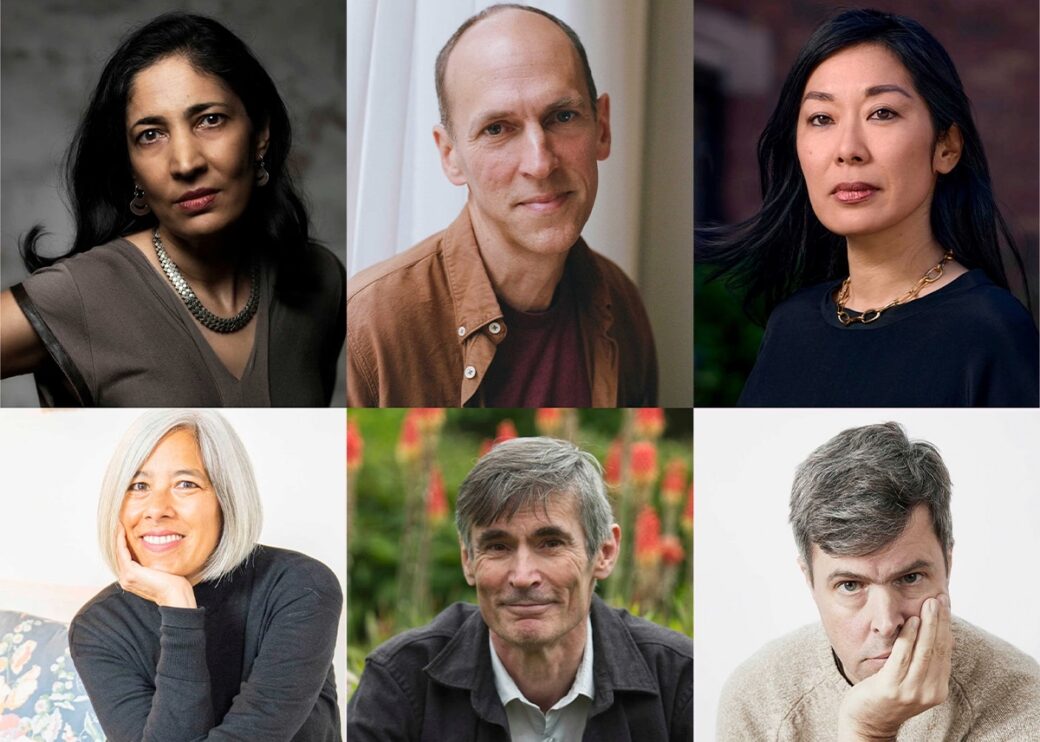
The Booker Prize 2025 shortlist
Royal Festival Hall, September 2025
At the Royal Festival Hall on Tuesday 23rd September, the Booker Prize opened its doors to the public, with Gaby Wood, Chief Executive of the Booker Prize Foundation, noting that this was the first time the shortlist had been announced at a public ceremony rather than privately. The 2,500 seater hall was almost full and the atmosphere hummed with that low-voltage excitement you only get when fiction lovers gather to argue and rejoice.
For years, I felt this energy from far away. In Iran, I would wait for the judges’ short descriptions to appear, translate them, weigh up their clues, and try to sketch the architecture of each novel long before any copy could reach me. Often, the books arrived after the winner had already been crowned and, during sanctions, when even the post to Iran was cut off, we relied on passengers to bring them home to us. We were smuggling literature! And now, for the 57th Booker shortlist announcement, I was in the room at last, counting down to hear the judges’ insights in person.
This year’s shortlist contains no debuts and is led by established writers: former winner Kiran Desai (The Loneliness of Sonia and Sunny), previous shortlistees David Szalay (Flesh) and Andrew Miller (The Land in Winter), alongside Ben Markovits (The Rest of Our Lives), Susan Choi (Flashlight) and Katie Kitamura (Audition). Two actors, Louise Brealey and Alfred Enoch, took turns in reading short extracts; after each, Wood invited one or two of the judges to speak about the book as they had experienced it – not as a tidy blurb, but a felt response that made you want to read it at once.
The readings began with David Szalay’s Flesh, a taut, corporeal novel that follows a man from Hungary to London, sleek as a blade yet unexpectedly tender. Chair Roddy Doyle emphasised how absence works as a shaping element in the book – the space around events gathering force.
Katie Kitamura’s Audition followed, an exquisitely ambiguous study of performance and identity. Judge Chris Power praised its architecture, calling it a kind of masterpiece of construction in which what’s withheld matters as much as what is shown.
Next came Ben Markovits’s The Rest of Our Lives: part road trip, part family reckoning. Warm and tender without sentimentality, it tracks a middle-aged academic who takes to the road rather than returning to the life he is no longer sure he wants to keep.
Susan Choi’s Flashlight was, for me, the stealth detonation of the night: characters age across six or seven decades, memory and identity refracting through time. Doyle singled out its ending as deeply unbelievably satisfying; Power said he meant to reread it.
With Andrew Miller’s The Land in Winter we returned to narrative pleasure – flow, weather, marriage under pressure, a winter both meteorological and moral. Judge Sarah Jessica Parker described it as a book whose themes are felt rather than announced, an early ‘honeymoon’ favourite that reminds you why judging can be joyous but never without dissent .
And then Kiran Desai, with The Loneliness of Sonia and Sunny: her first novel in nearly twenty years, expansive in time and geography, a love story stubborn and luminous. Judge Ayọ̀bámi Adébáyọ̀ spoke of its compassion and wisdom –‘so rich’ – which felt exactly right for a book that holds tenderness and critique in the same steady hand.
The panel – Doyle, Adébáyọ̀, Parker, Power and Kiley Reid – were also asked to demystify their method. From 153 submissions they had carved out six. Yes, there were spreadsheets, but there was also a traffic-light code: green to keep, amber to discuss, red to release. The colours didn’t replace conversation; they sharpened it. From our seats it felt as if we’d been invited to one of the judges’ meetings, perhaps even the last one, where agreement and contradiction still sparked across the table. Process, rather than pronouncement, was the night’s signature.
As the audience spilled out along the river afterwards, I thought of those Tehran nights of delay and triangulation and smiled at the reversal: I had been in the room, not reading from afar. The books are here first; the arguments can begin now. If you missed it, the recording sits on the Southbank Centre’s channel – the next best thing to being there.
The winner will be announced in London on Monday 10 November at Old Billingsgate, with a £50,000 prize and a sharp gust of attention to follow. Until then I’ll do what I’ve always done: read the shortlist closely, listen for each book’s frequencies, and hold to the answer that crystallised during the Q&A, when someone asked what a writer owes us in hard times. The answer, offered in different phrasings, was simple and true: to remind us of our common humanity.

WritersMosaic monthly
Get new reviews in your inbox
One email monthly, unsubscribe anytime
Haunting the Black Air
Poetic freedom across space and time
The Disappearers
A sprawling visceral experience that drops you in head first
The Lady Imam
Is the world ready to catch up with amina wadud?
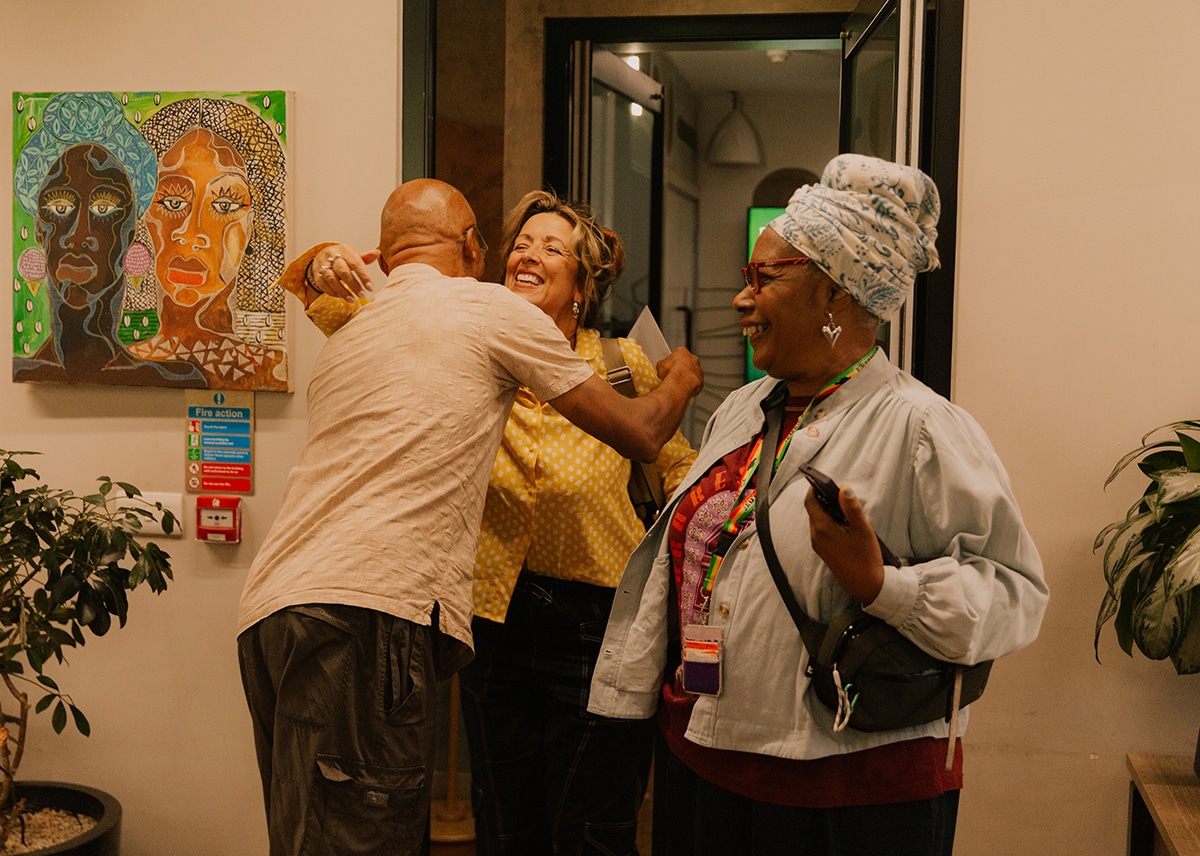
It’s being published I get paid for; the writing I would do for free
‘Any advance [...] for your novel is to compensate you for the horrors of being published'
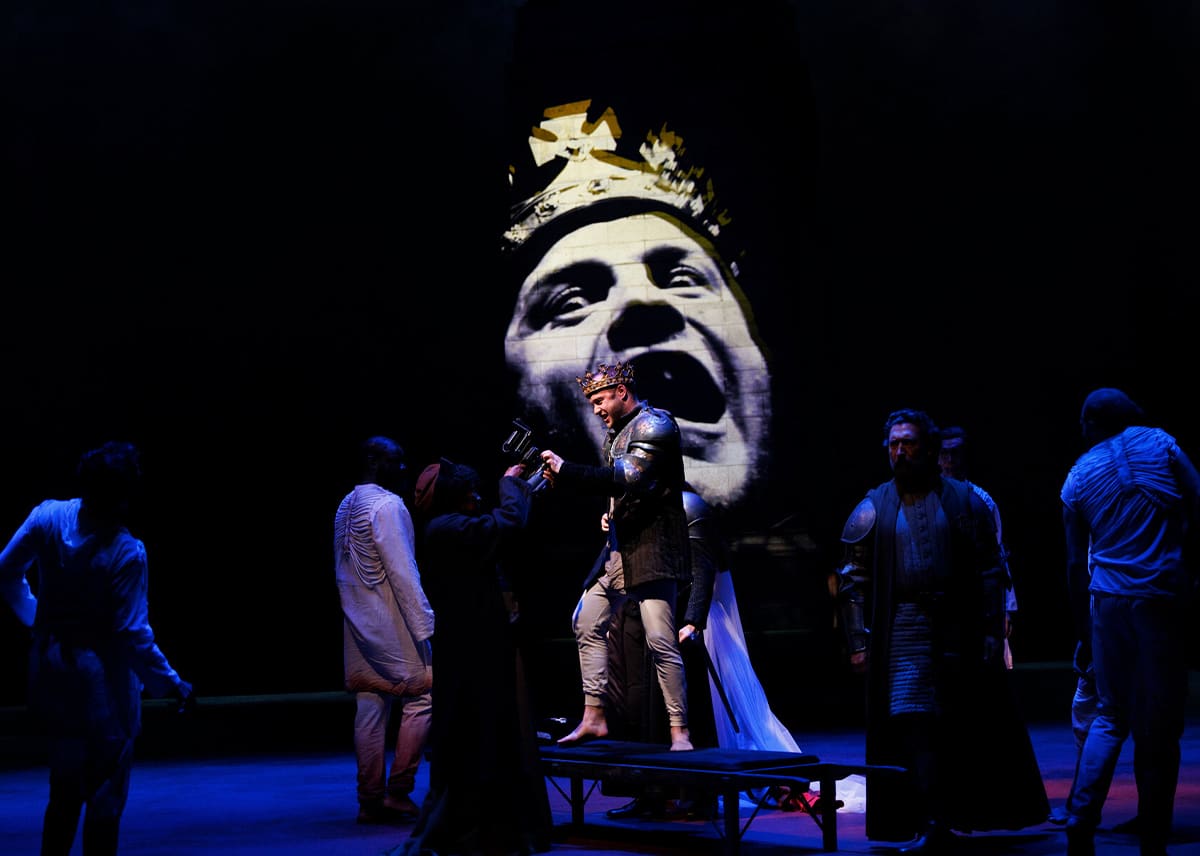
Complex antihero: an interview with Arthur Hughes
Unravelling Authur Hughes' Richard III
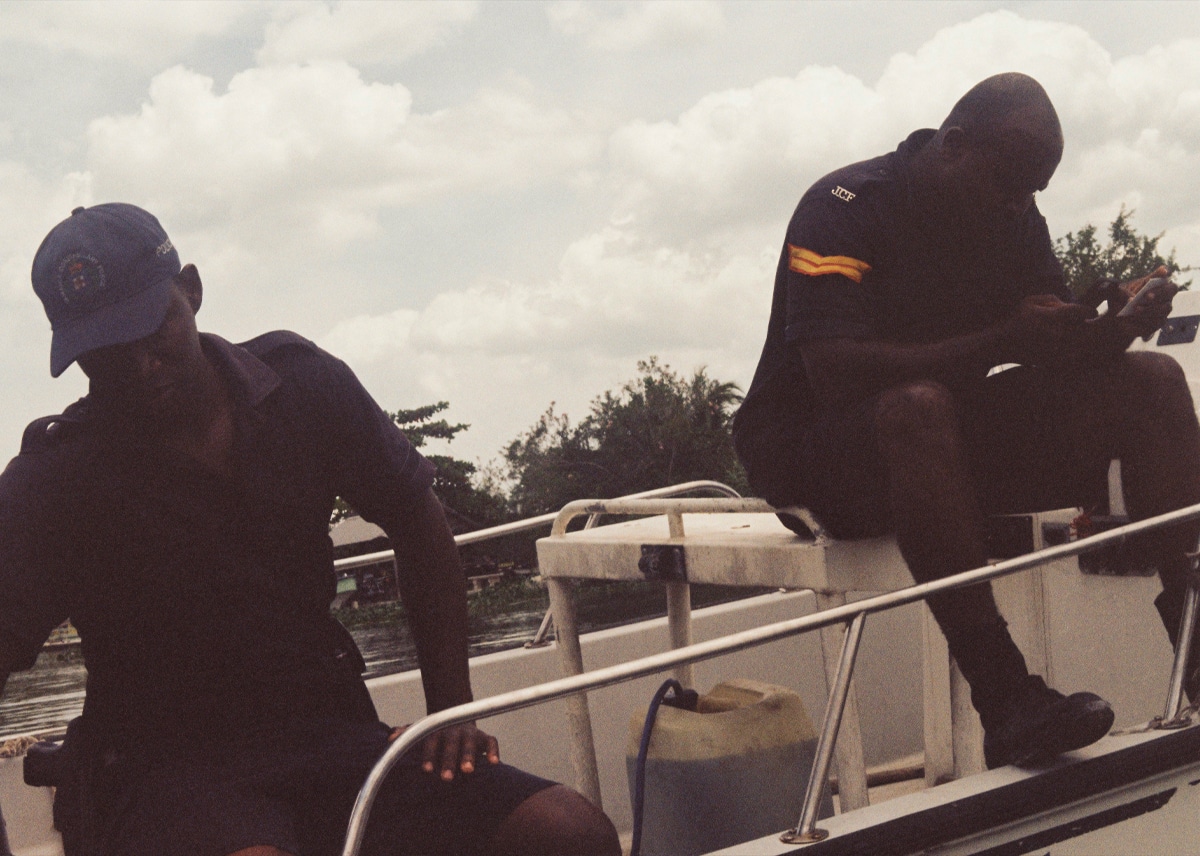
Marlon James: a Jamaican reckoning
'A return to a home I barely knew'
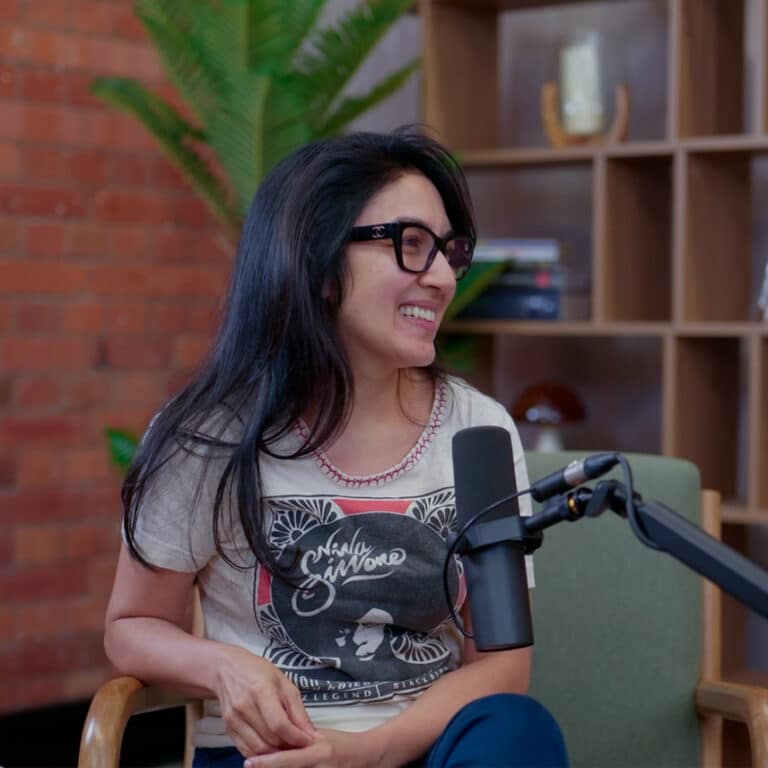


Illuminating, in-depth conversations between writers.
Listen to all episodes
SpotifyApple Podcasts
Amazon Music
YouTube
Other apps

The series that tells the true-life stories of migration to the UK.
Listen to all episodes
SpotifyApple Podcasts
Amazon Music
YouTube
Other apps
WritersMosaic interrogates the notion of ‘staying in your lane’ by asking writers how they attempt to think beyond the parameters of their cultural identity.
Listen to all episodes
SpotifyApple Podcasts
YouTube