
The Lonely Londoners

Roy Williams
Jermyn Street Theatre, London: 29 February – 6 April 2024
Review by Delon Jessop
‘You had better mind yourself! Or this London city will eat you alive, it will swallow you up whole, believe that’
These words by Moses (Gamba Cole) from the opening monologue of Sam Selvon’s novel The Lonely Londoners act as a warning to both the audience and the other characters about the kind of city they are striving to be accepted by. The novel by the Trinidadian author was first published in 1956, and this provocative new adaptation by playwright Roy Williams is directed by Ebenezer Bamgboye in its world premiere at the Jermyn Street Theatre.
We follow a young Henry ‘Galahad’ Oliver (Romario Simpson) as he embarks on a new life in post-war London. Having taken the journey from Trinidad to London on the Empire Windrush, Galahad arrives on the doorstep of Moses, eager to quickly assimilate and experience all that the city has to offer. Moses and his friends Big City (Gilbert Kyem Jnr) and Lewis (Tobi Bakare) waste no time in offering their interpretations of the much heralded capital city. Despite their numerous warnings to Galahad to start slow, he is hellbent on doing things his own way, no matter the consequences.
Williams’s adaptation beautifully showcases the intertwining stories of Moses, Lewis, Galahad and Big City, whilst ensuring each character is fully developed and nuanced. Big City has aspirations to run a local dance, as he once did in Jamaica, while Lewis is striving for longterm employment, with the imminent arrival of his wife Agnes (Sharron Hayes) and mother Tanty (Carol Moses).
Moses is the one character who seems to have a grasp on the city, however he is still plagued by the life and the lover he chose to leave behind. The extent of what Moses has sacrificed becomes painstakingly obvious as the play progresses, with each monologue revealing a new depth of trauma.
As an audience, we are drawn into the plight of each character, whilst constantly being reminded that the London they so eagerly desire does, in fact, want nothing to do with them. This unifies the group and eventually begins to wear them down, one by one. Whether it’s Tanty having to repeatedly confront the local greengrocer or Big City being openly mocked for his entrepreneurial endeavours, the landscape becomes increasingly bleak.
Ebenezer Bamgboye utilises the theatre’s intimate playing space by seating the cast on wooden boxes at the back of the stage when not in scene. A few suitcases placed in the middle of the stage signify the divide between the already small living spaces. This makes the characters’ rooms feel claustrophobic, adding to the tension when each is pressed to their limits. Bambgboye’s choice to use physical theatre during transitions works perfectly to highlight the time-lapse between each scene, but also exemplifies the expansive and often tactile nature of the West Indian cohort. Each transition features elevated limbs, prolonged embraces and carefully timed leaps and lunges.
At points, the adapted dialogue is lyrical, with each actor working hard to wrap their mouths around the West Indian dialect. This only heightens the drama, making one lean forward in anticipation, eager not to miss a word. Despite the perpetual racism and hardship that each character is subjected to, the adaptation still provides many moments of humour, often poking fun at their cold environment, location names and the unfamiliar English traditions.
In a time of systematic racism, the Windrush scandal, and the Metropolitan police force never being far from controversy, Williams’s adaptation comes as a timely reminder that there is still much work to be done in creating a society that values the sacrifice that many West Indians made in coming to England. With its razor sharp humour, unbridled joy, and often harrowing dialogue, this play excels in honouring the West Indian community, and is essential viewing for all.
https://www.jermynstreettheatre.co.uk/show/the-lonely-londoners/
WritersMosaic monthly
Get new reviews in your inbox
One email monthly, unsubscribe anytime
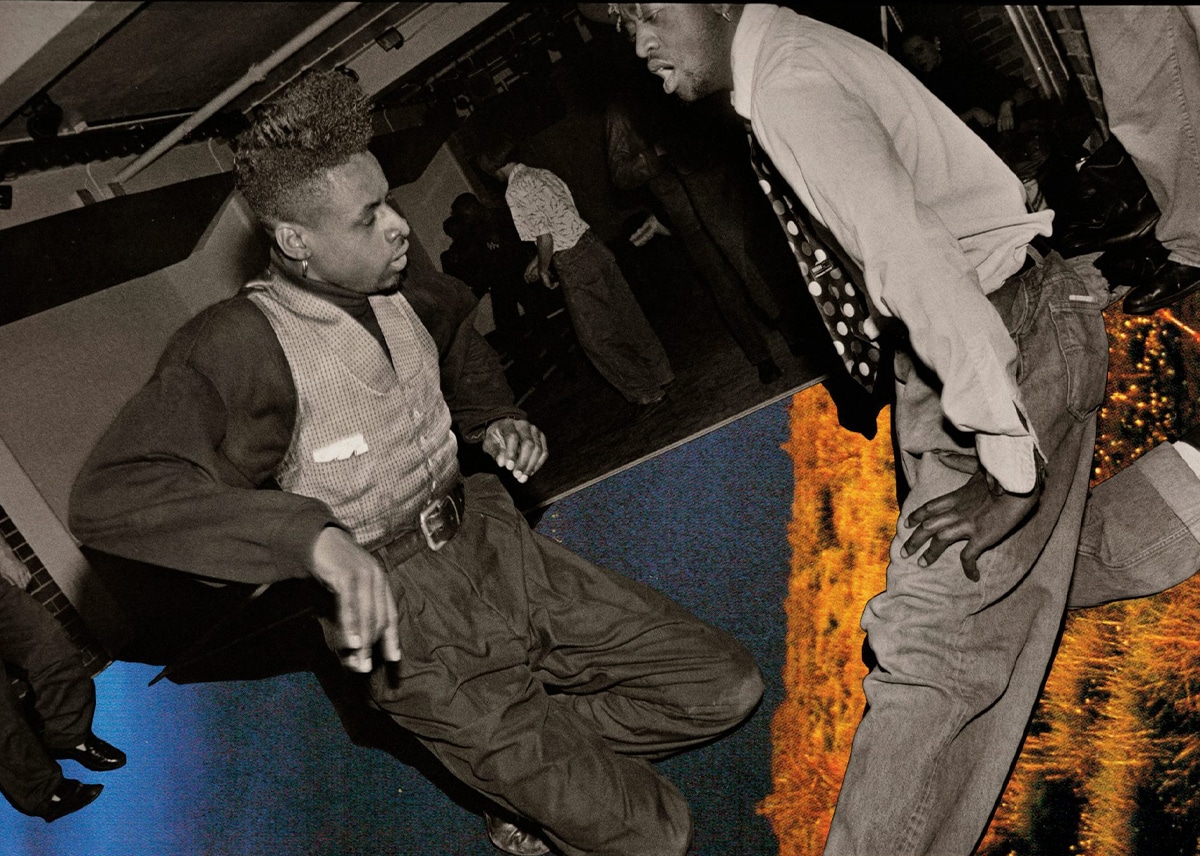
The Disappearers
A sprawling visceral experience that drops you in head first
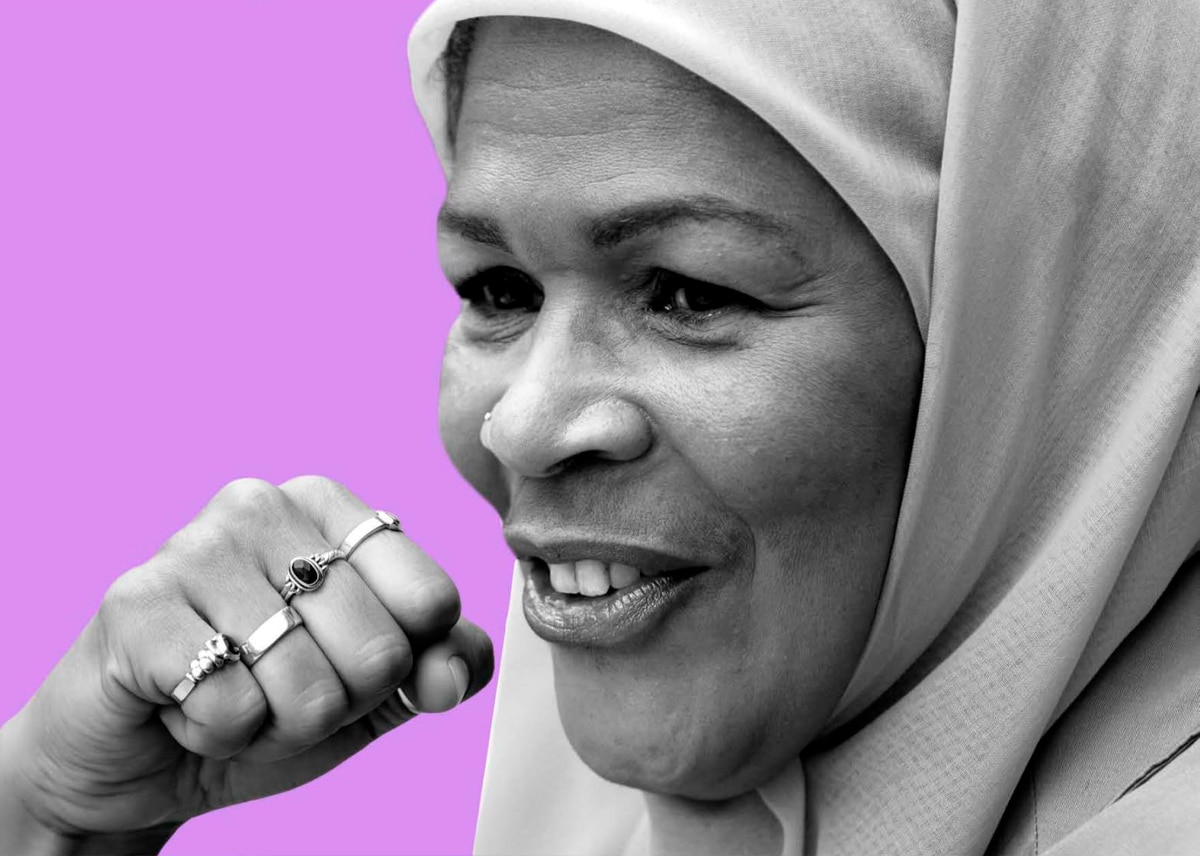
The Lady Imam
Is the world ready to catch up with amina wadud?
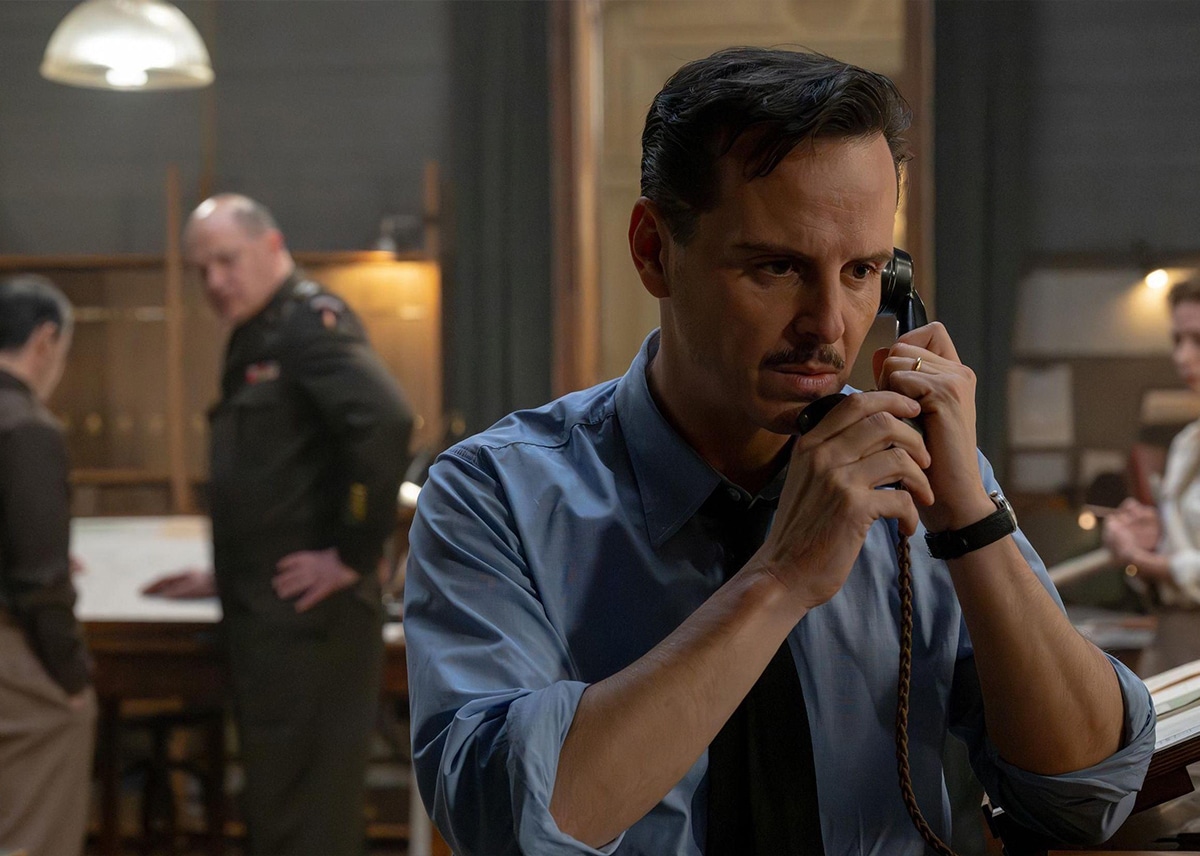
Pressure
What's missing from the latest 'untold story behind D-Day'?
Complex antihero: an interview with Arthur Hughes
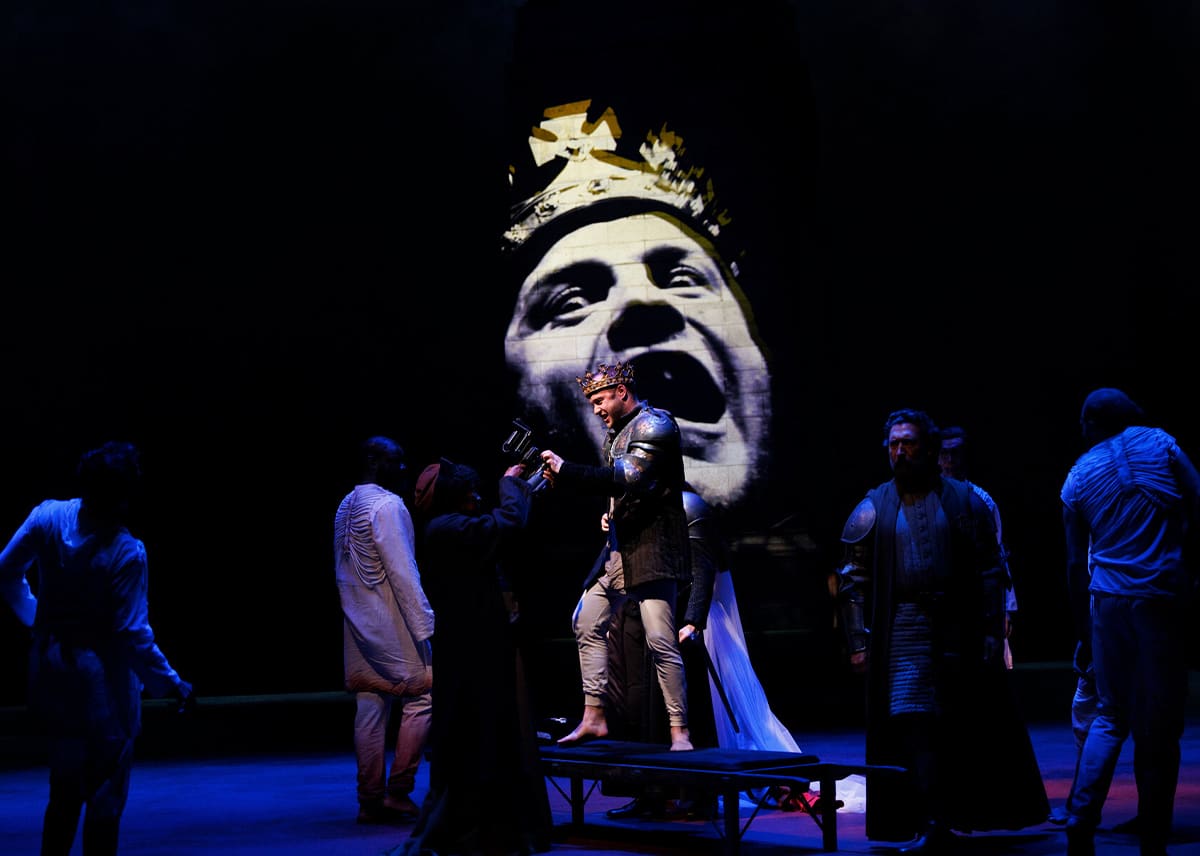
Unravelling Authur Hughes' Richard III
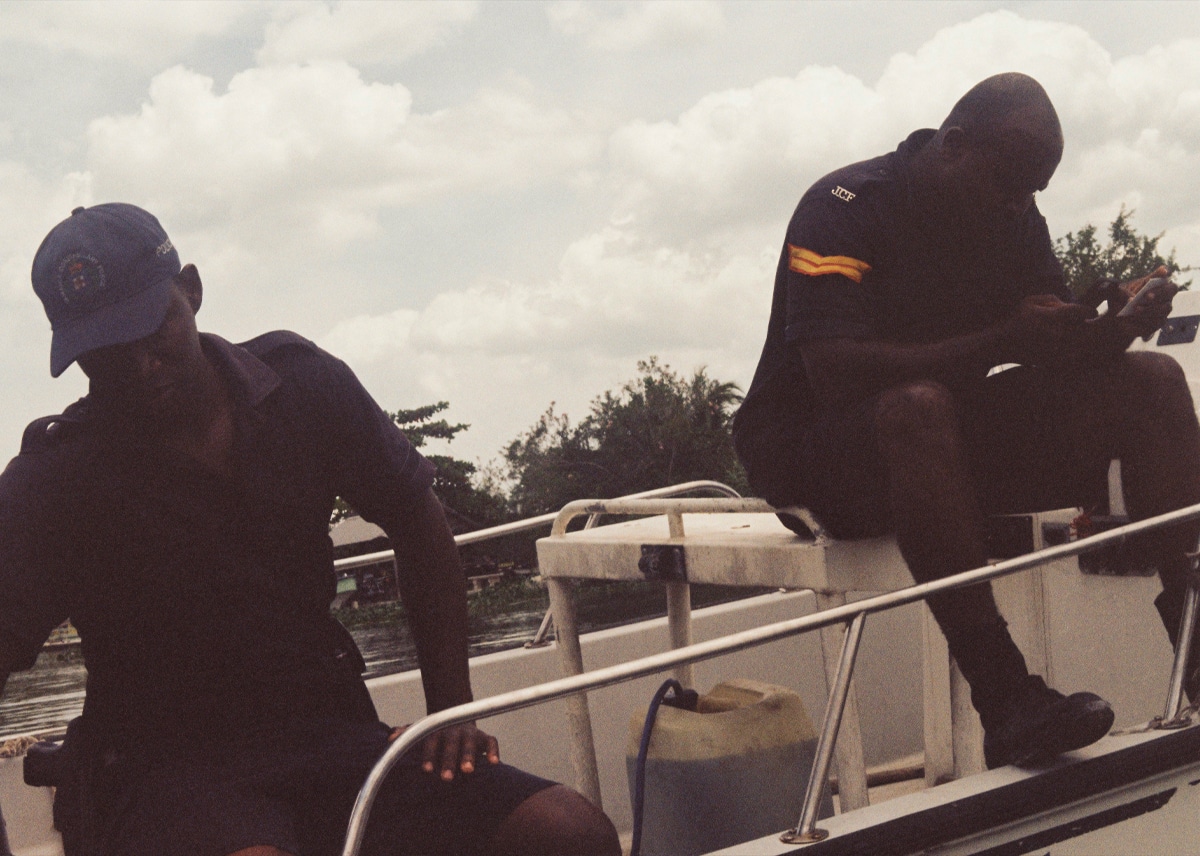
Marlon James: a Jamaican reckoning
'A return to a home I barely knew'
The name of this wallpaper is ‘Childhood’
A luminescent bubble of memory



Illuminating, in-depth conversations between writers.
Listen to all episodes
SpotifyApple Podcasts
Amazon Music
YouTube
Other apps

The series that tells the true-life stories of migration to the UK.
Listen to all episodes
SpotifyApple Podcasts
Amazon Music
YouTube
Other apps
WritersMosaic interrogates the notion of ‘staying in your lane’ by asking writers how they attempt to think beyond the parameters of their cultural identity.
Listen to all episodes
SpotifyApple Podcasts
YouTube