
Lubaina Himid

Tate Modern, 2022
Review by Andy Bay
Over the last 30 years, Lubaina Himid has campaigned tirelessly to expose the underrepresentation of African, Afro-Caribbean and Asian women in the British art world. Her influence has loomed large over women artists of colour, who gradually found spaces for their work to be represented and considered. Born in Zanzibar to an English mother and a Tanzanian father who died when she was four months old, Himid grew up in London in the 1950s. The silent story of this tragic loss and departure from Africa still animates the large installations played in nine spacious rooms at Tate Modern.
Some of the pieces are older paintings. The cut outs of ‘A Fashionable Marriage’, painted in 1986, are a tribute to eighteenth-century British painter William Hogarth’s series, ‘Marriage a la Mode’. The original painting depicts the daughter of a wealthy merchant and her soon-to-be husband (an impoverished aristocrat) holding court in their ostentatious mansion the night before their wedding. Himid studied theatre design at the Wimbledon Arts School in the 1970s. While working for fringe companies, she discovered the multi-layered effects produced by using decor and backdrops on different scales. For the ‘Fashionable Marriage’, she built a compelling set of solid figures, whose costumes and regalia enfold the hyper-blown drama of a mini-opera.
In her 1980s, politically militant reinterpretation of the painting, Himid recasts the countess as Margaret Thatcher, the count becomes Ronald Reagan and the castrati in the background symbolise the art critics. The piece is a bold critique of the sanctimony prevalent in the art world at the time, and of the Thatcher and Reagan era of disastrous socio-economic and diplomatic policies.
More recent work includes ‘Men in Drawers’ showing a cluster of urban, finely-dressed African dandies interacting with one another. Glowing oranges adorn their splendid outfits, amid luscious yellow and green furniture arrangements. These young men are anonymous characters, seemingly caught between the present and the past, between individual isolation and group integration.
There’s an immersive quality to much of the work. In fact, as soon as you walk out of the elevator and up the stairs to the exhibition, Himid’s sound design collaboration with Magda Stawarska-Beavan draws you into the gallery. A work made in 2020 for an exhibition in Brussels, contains a set of 64 patterns made from found objects and ceramics, all painted in blue. At the same time in the background, six speakers are playing a piano version of ‘Blue’, the song by Joni Mitchell, which also contains 64 bars of music. The sound installation carefully moderates a scripted conversation as the audience is immediately faced with cryptic questions painted on spacious walls: ‘How do you distinguish safety from danger?’ ‘What are monuments for?’
Throughout, there’s a kind of musicality to the exhibition, echoed in the musical instruments hanging from high ceilings, alongside beautiful textiles swaying across the courtly halls.
You get the impression that Himid wants to let us into the dynamic working process of her compositions, into the possibilities of the spaces that arch over the buildings and fugitive characters, between stillness and liveliness; there’s a kind of kinetic energy.
In populating her work with black and brown characters, Himid pushes the audience to navigate the biased, historical portrayal of African identity in mainstream culture. By augmenting the reality of tragedy and regret, she also extols the possibility of hope from the heart of the viewer’s experience.
In the sedate environment of Tate Modern, Himid has anticipated that we’ll enter the emotional drama which her work triggers in us. Sometimes, this is what interactive visual arts can do, whilst also investigating the complexity of history and culture.
WritersMosaic monthly
Get new reviews in your inbox
One email monthly, unsubscribe anytime
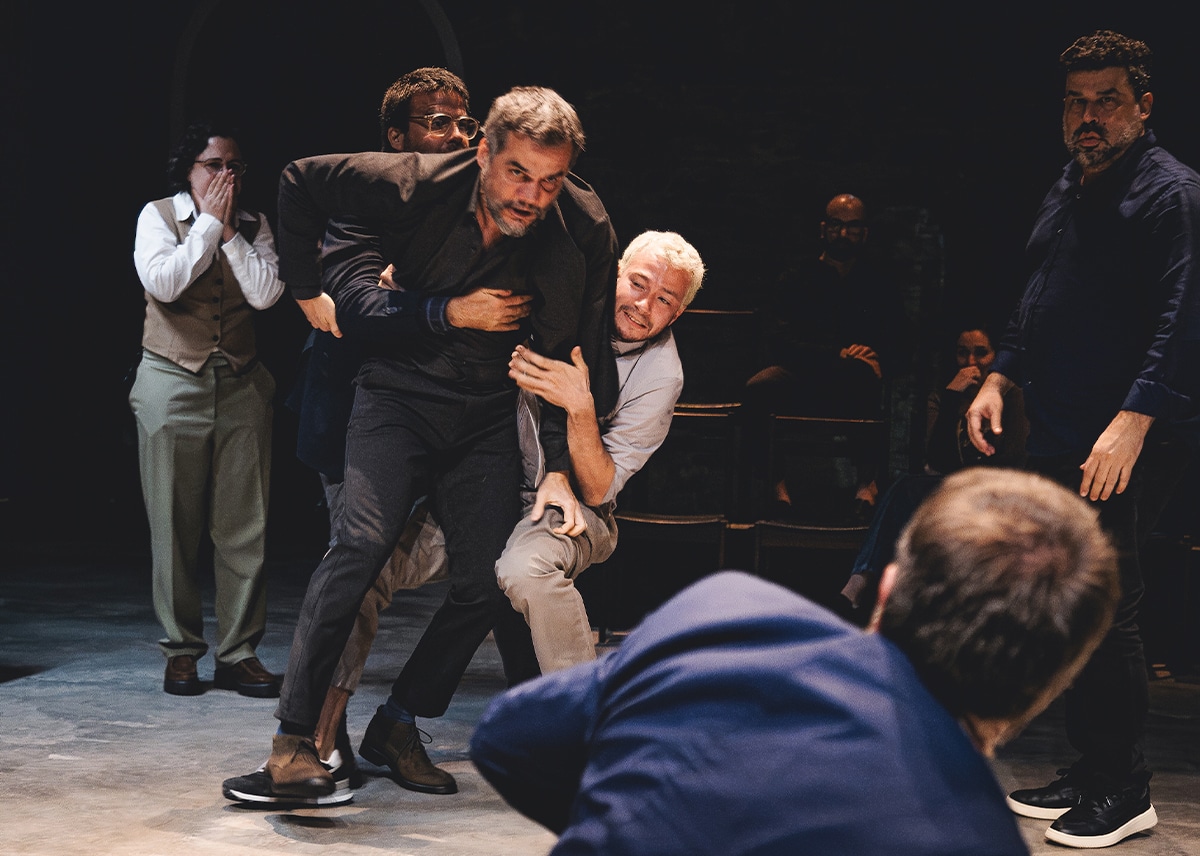
A Trial
An examination of theatre’s complicity in post-truth politics
The Complex
The unraveling of a dynasty

Disappearing Images
A festival of ephemeral art and the impermanence of our current world
The name of this wallpaper is ‘Childhood’
A luminescent bubble of memory
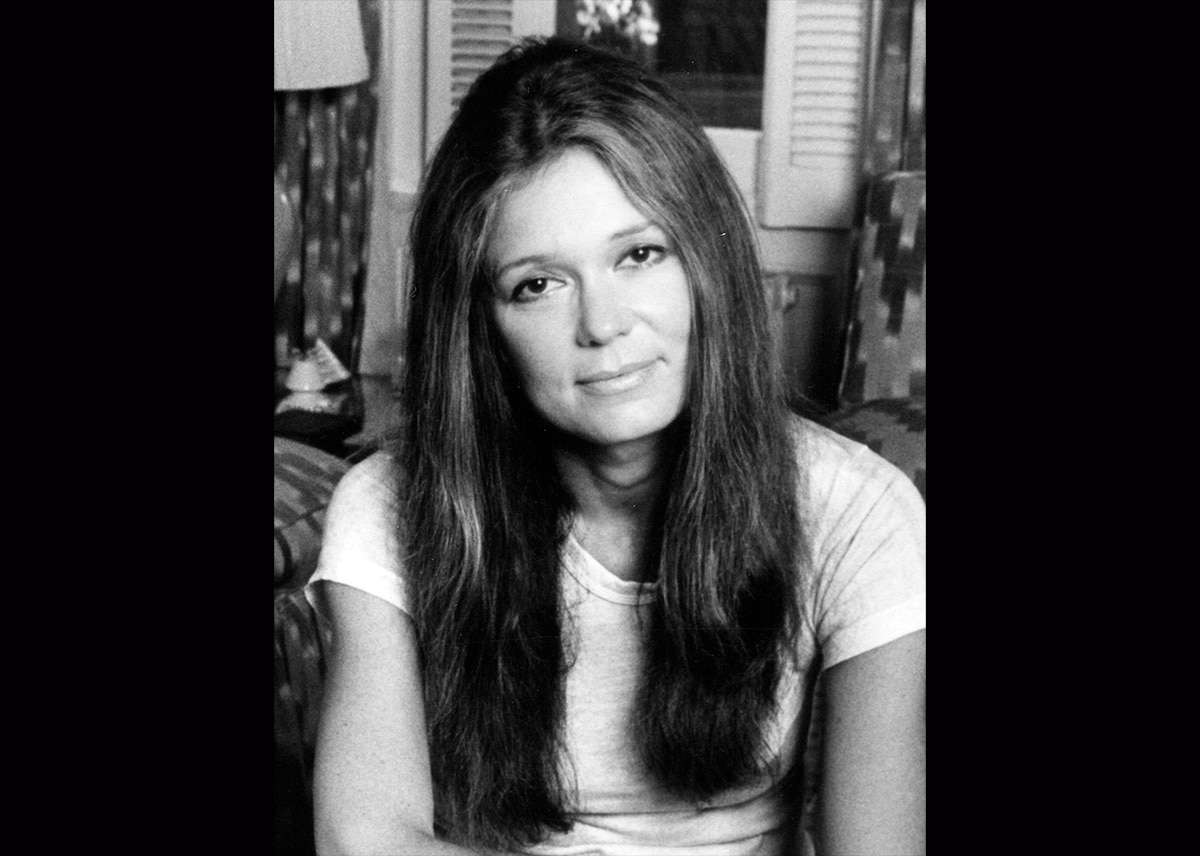
What’s in a feminist? Holding on to Gloria Steinem
Is Gloria Steinem's feminism still relevant today?
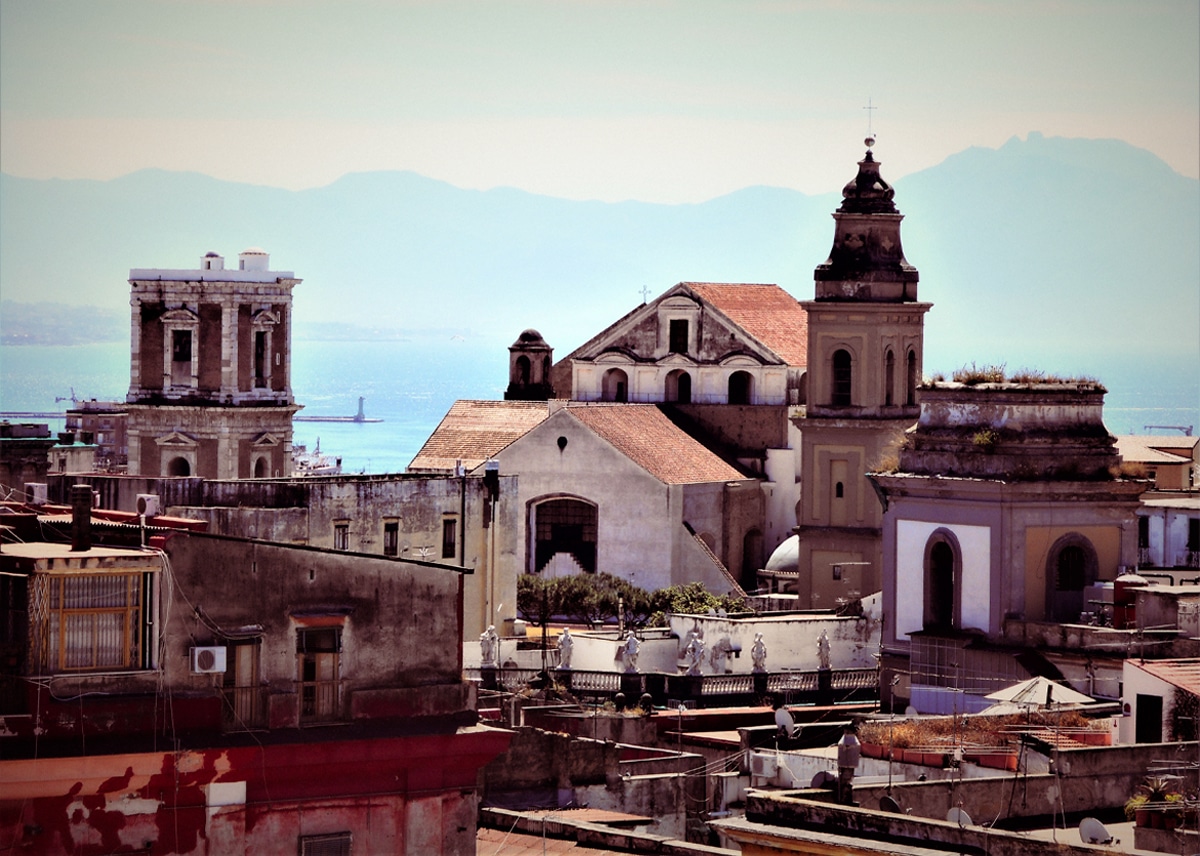
Coats
The unexpected cost of acquiring two Italian leather coats in Rome

Free Will
Will Harris reads his poem, 'Free Will'. Directed by Matthew Thompson and commissioned by the Adrian Brinkerhoff Poetry Foundation.

Half Written Love Letter
Selina Nwulu reads her poem, 'Half Written Love Letter'. Directed by Matthew Thompson and commissioned by the Adrian Brinkerhoff Poetry Foundation.

Illuminating, in-depth conversations between writers.
Listen to all episodes
SpotifyApple Podcasts
Amazon Music
YouTube
Other apps

The series that tells the true-life stories of migration to the UK.
Listen to all episodes
SpotifyApple Podcasts
Amazon Music
YouTube
Other apps
WritersMosaic interrogates the notion of ‘staying in your lane’ by asking writers how they attempt to think beyond the parameters of their cultural identity.
Listen to all episodes
SpotifyApple Podcasts
YouTube
In the first series of poems commissioned by Hannah Lowe, six poets explore how ritual gives meaning to our lives.
Listen to all episodes
SpotifyApple Podcasts
YouTube