
Edith
Martina Devlin
(The Liliput Press, 2022)
Review by Anjali Joseph
If Edith Somerville hadn’t existed, she would have been worth inventing.
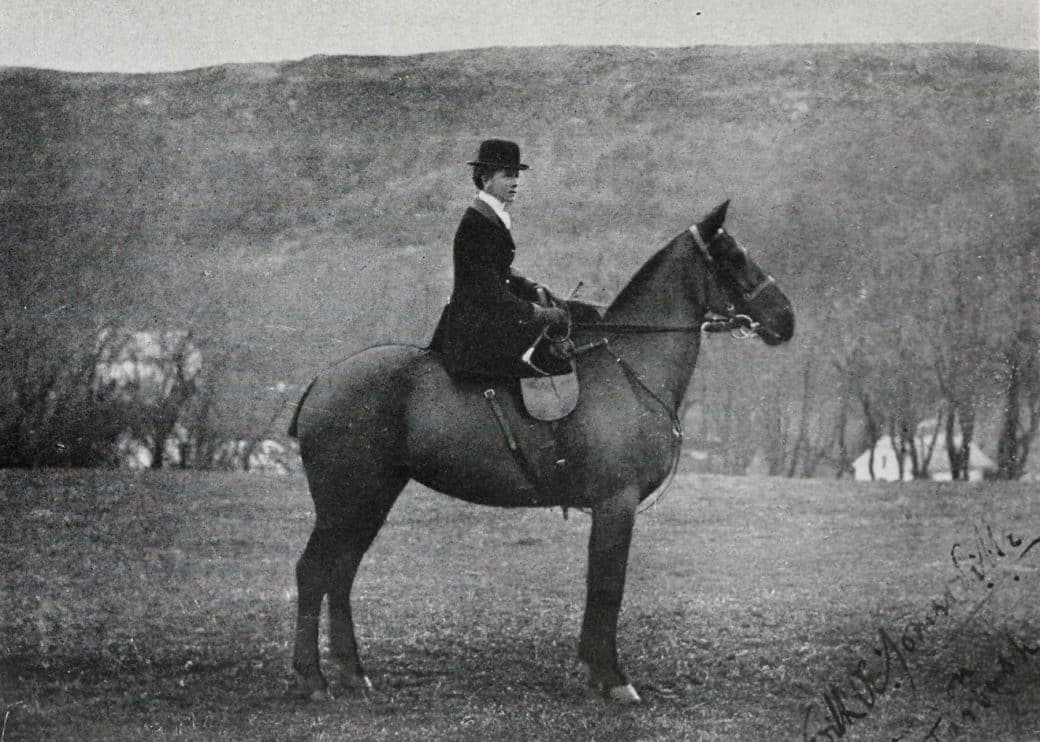
Born in 1858, she was an Irish painter and novelist, who wrote under the pen name Somerville and Ross with her cousin Violet Martin (of Ross House in County Galway). Edith Somerville was also a keen rider to hounds, and the eldest of eight children from an Anglo-Irish Protestant family of Scottish origins who traced their line to a Norman ancestor. Indeed, for much of her long life, she was de facto head of the family, keeping Drishane, the Somerville ‘big house’ in Castletownshend, County Cork running in the absence of her brothers, all of whom served in the armed forces.
Martina Devlin’s novel opens at one of the most interesting moments of Edith’s 91-year life, in 1921-22, just before Ireland’s independence, while a guerrilla war rages between the IRA and an irregular British militia, the Black and Tans. In some respects, life goes on as before – the Somervilles, an old and stately family, are cash poor and in the novel’s sharp opening scene, Edith is in Skibbereen, the nearest market town, negotiating a long-unpaid demand for payment from the butcher. The small economies and awkward moments necessary to keep the old house running and save face are among many successful strands in Edith; another is the depiction of Edith’s relationship with the brother closest in age to her. Cameron is a retired colonel and, in Devlin’s depiction, a slightly pompous man to whom Edith must defer since he is heir to Drishane. Meanwhile, she keeps catching sight of a mysterious figure who turns out to be none other than Flurry Knox, one of the most popular figures in the ‘Irish R. M.’ stories written by Somerville and Ross. (An R. M. was a British civil servant, a ‘resident magistrate’, posted to Ireland.) The Irish R. M. ’s attempts to understand the world around him and negotiate local characters like Flurry Knox – and the large and confusing Knox clan – create much of the comedy.
The touches of whimsy in conversations between Edith and her creation, Flurry, are perhaps the least successful element of the novel, but then the world of Edith Somerville was (to borrow a phrase from Gifford Lewis’ book, The World of the Irish R. M.) one of horses, dogs, her beloved Drishane, her family, and her enjoyment (shared and doubled with Violet Martin) of the idiosyncrasies of the people around her in West Cork. Edith Somerville is, among other things, fascinating for her drawing and painting as well as writing, and for the way she negotiated various worlds in flux – among them, the extremely refined Anglo-Irish milieu of the Protestant Ascendancy which was by then so down on its luck that – as George Bernard Shaw, married to a cousin of Edith, remarked – it was now the ‘Descendancy’. It was an Ireland in which the social order was changing at breakneck pace, and also a world in which the role of women was altering fast.
The Somervilles and their cousins the Townshends were among the ‘affluent’ Anglicans who also dabbled heavily in mediums and other spiritualist practice – Edith, a sceptic at first, came to these practices after the death of her beloved Violet Martin and continued to talk to her through various mediums, even to write ‘with’ her as ‘Somerville and Ross’. A further ‘mystery’ that has exercised biographers is the relationship between the two – as well as cousins, close friends and co-authors, were they romantic partners? Maurice Collis, the first biographer of Somerville and Ross, was adamant that they were; Gifford Lewis, a later biographer, was clear that they were not.
Devlin weaves many of these strands into a thriller-style plot in which the very real danger that Drishane and other ‘big houses’ faced (many were burned to the ground by Republicans) then spins into sinister events that also prefigure the 1936 assassination of Edith’s brother, Admiral Boyle Somerville, shot on his own doorstep in Castletownshend by the IRA, shortly before De Valera outlawed the paramilitary organisation. Wearing its impeccable research lightly, Martina Devlin’s Edith is a fitting reanimation of one of the nineteenth and twentieth centuries’ most successful and interesting women writers.
Photo courtesy of internet archive book images (Irish Memories)
https://www.lilliputpress.ie/product/edith-by-martina-devlin
WritersMosaic monthly
Get new reviews in your inbox
One email monthly, unsubscribe anytime

The 90s: Art and Fashion
'Inside are almost 70 artists, designers and photographers [...] just not quite as you’d hope'

Kikuyu Land
A necessary, but perhaps not fully realized, insight into how colonialism and capitalism have fed into Kenya’s current political situation

The Recovery House
A love letter to the vicissitudes of being a novelist




Safe Spaces
Tice Cin's hotly anticipated second book is a literary mixtape of voices and forms

Get in line
What does a queue have to do with anything? A lot, says Snežana Ċurčić
Ladies of the Rachmaninoff Eyes
The impact of space between what is happening on and off the page



Becoming Home: Sight
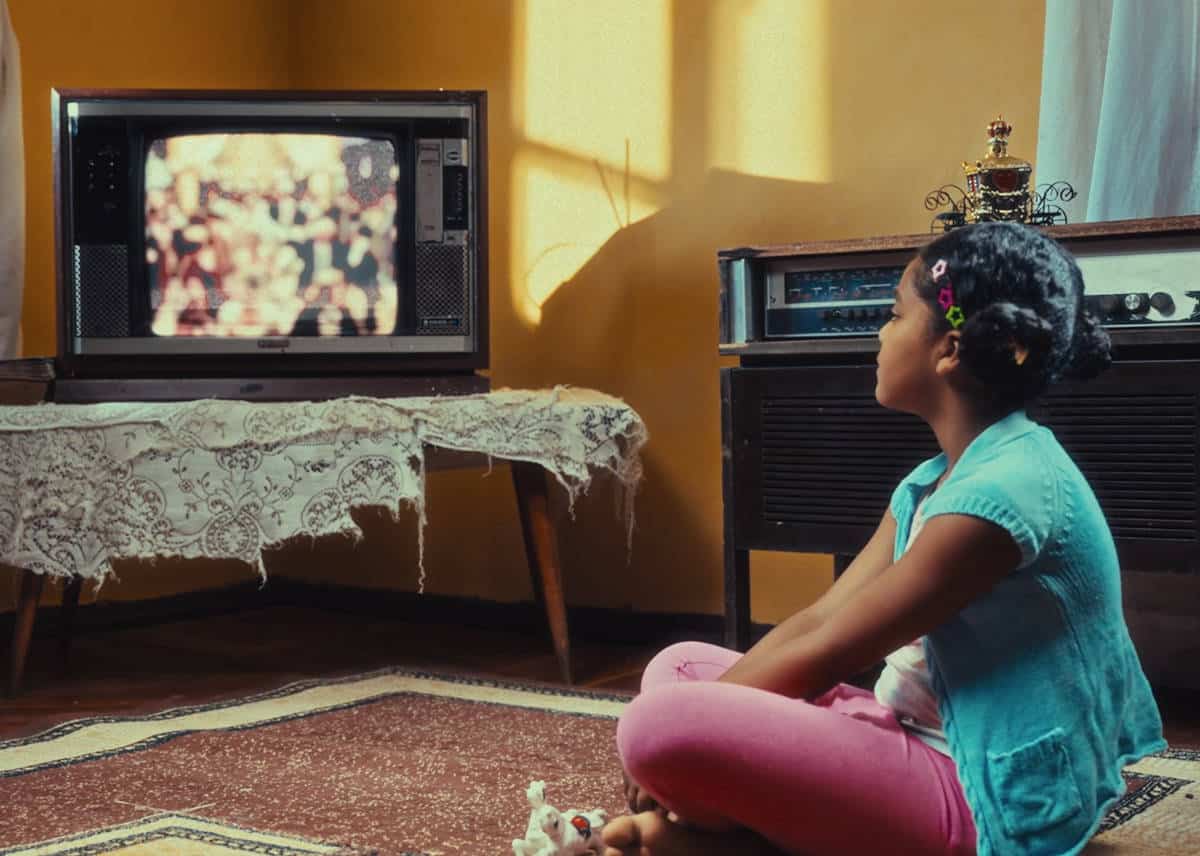
The first in Becoming Home, a series of four short films by Adïam Yemane, commissioned by WritersMosaic. This film centres on Adïam's own story, exploring the meaning of home through sight.

Fruity
A darkly comic crime short film written by and starring Delon Jessop and directed by James Baines.

Illuminating, in-depth conversations between writers.
Listen to all episodes
SpotifyApple Podcasts
Amazon Music
YouTube
Other apps

The series that tells the true-life stories of migration to the UK.
Listen to all episodes
SpotifyApple Podcasts
Amazon Music
YouTube
Other apps
In this second series of poems commissioned by Hannah Lowe, six poets explore the theme of surveillance.
Listen to all episodes
SpotifyApple Podcasts
YouTube