
Safe Spaces
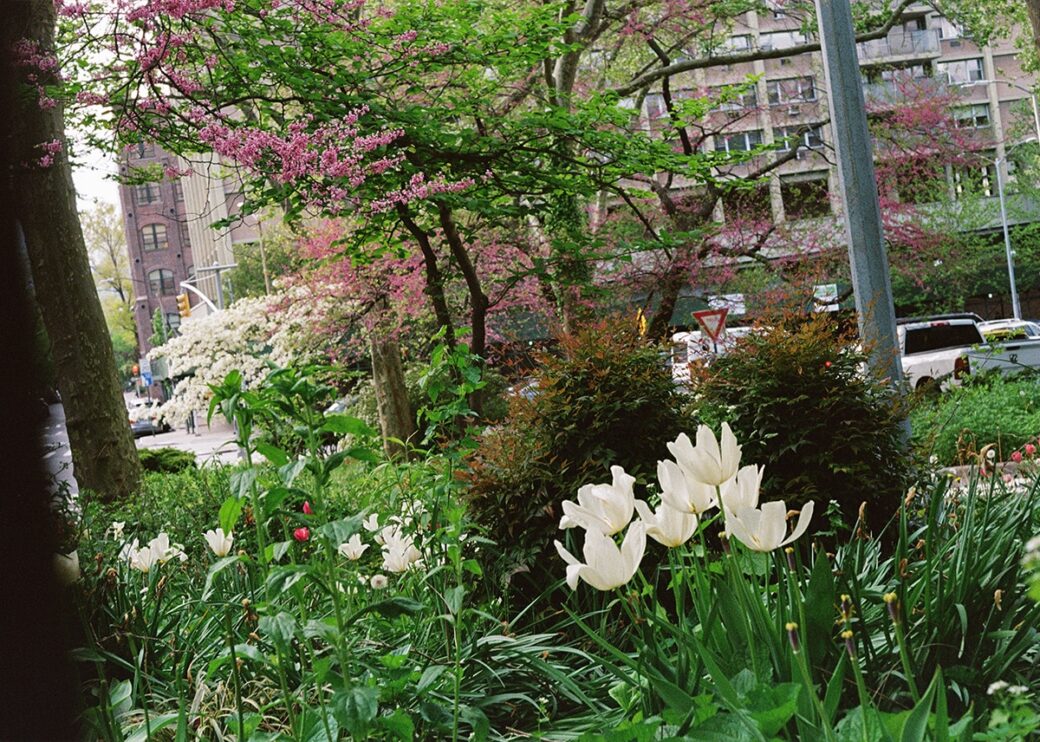
Tice Cin
Granta, 2026
In Tice Cin’s hotly anticipated second book, readers peep at the inner life of the unnamed protagonist, eavesdropping on conversations during invasive laser treatments and Zoom calls with therapists. Private, intimate modes of communication like voice notes and messages on WhatsApp and burner phones turn public. ‘It’s bad what happened to me’, she tells her favourite person, and us.
Safe Spaces articulates the lives of working-class women writers across the UK. With its energetic lyrical prose, this extraordinary narrative tells of life under late-stage capitalism’s boot, where gigs are paid cash-in-hand and sandwiches are shoplifted. Were it not for the quiet nods to Multicultural London English vernacular, Cin’s coming-of-age plot could take place in any major city. Swap London’s Victoria line for the Tyne and Wear Metro and all the concerns – NHS Talking Therapies, Universal Credit, gentrification – could just as easily be set in Newcastle, where I live now.
In this highly experimental Bildungsroman, Cin documents an imbalance of circumstances that their speaker dubs ’a fuckery’. Safe Spaces bricolages the voices at hand to create a convincing and tangible sense of our increasingly demanding and fast-paced world where the only respite is flight mode.
By tracing her main character’s attempts to ‘pattern up’ their life, she also reveals the preoccupations that weigh heavily upon many women today. An open heart is love-bombed, breadcrumbed and broken. Social lives are put on hold to meet the latest funding deadline that might lead somewhere promising or nowhere at all. Bodies are shameful, agonal sites to be tweaked. Friends are lost and deeply missed. In grief, our brains become our own worst enemies. Networking opportunities become hookups. ‘Boys will be boys’ and terrible men await on every corner, plicated at our own expense. All is bombardment.
Though Safe Spaces possesses characteristics of the novel, it resists the limitations of that singular category. It is perhaps better described as a literary mixtape of voices and forms, one that is overdubbed by a persistent tinnitus: the ringing doubt those born without safety nets carry with us into adulthood. I don’t describe the feeling of having fallen behind, rather it is the slow realisation that you started the race already trailing: ‘If you don’t know about being money dry, if you don’t know loss – you don’t get it’.
The speaker’s grief demands deep emotional work, but their livelihood as a jobbing DJ competes for attention and risks derailing this progress. Even with the best of intentions, recovery and the need to keep the party going to pay bills inevitably pull in different directions. An intensely relatable carpe diem attitude emerges in a sequence which smacks of Lady Gaga’s much-memed line: ‘no sleep, bus, club, another club, another club, plane’. We grow fast fond of our protagonist who, in the pursuit of moving on, stumbles forward and seems to stagger backwards.
From London to New York and back home again, we follow her hand-in-hand and with close concern. To use a Geordie word, we hope she’s alreet. Questions emerge about the nature of home for the speaker, who seems to exist on a knife’s edge. Did hypervigilance wrongly render her cozy US home a threat? How can the body unlearn its assumption that calm is always the precursor to violence and begin to trust its sanctuary? Often the safest spaces in this book are the silences that fall between each vignette, but lines like ‘don’t tell anyone’ slice through that logic. Speaking out is, after all, resistance.
Amongst the disorienting fragments, it is perhaps the subtitles in the book that provide the reader with a strange comfort, akin to the friends who send gentle messages of support to check in. The guiding voice in these titles recalls the serial novel tradition where quick, tantalising metafictional rubrics of what comes next precede each chapter. Cin uses this feature savvily to playfully outline who speaks, to whom and to help map some of the unsaid context that crackles around the text. Giving readers the jump without spoilers helps steer us through these manifold forms and their diverse locations: kitchens, Hinge dates, record shops, festivals and art galleries. Order is briefly restored and the chaos curated, telling us to read on confidently: that after the afters she’ll surely find safer ground, even if funders fail to provide the outcomes she so desperately needs:
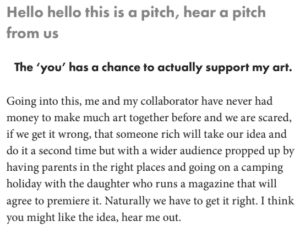
Cin’s vulnerable and important book offers us profound insights into the value of a strong community, especially for the working-class who must often fight to retain our identity. I loved the capacity of the book to communicate fearlessly an uncompromising realness and its extension of the British Cypriot experiences in Cin’s exceptional novel Keeping the House (2021).
Drawn from the digital, the hybrid format of this new book is distinctly contemporary. And yet, with its obsession with music production and lyric poems, it brings to my mind the self-taught Cypriot troubadours and their smartphone-sized, leather-bound notebooks. Known as cönkler, these notebooks are living archives of working-class cultural memory, preserving songs in the very midst of their making. Like Safe Spaces, they are places where, as Cin writes, ‘the drums are happening’.
WritersMosaic monthly
Get new writing in your inbox
One email monthly, unsubscribe anytime

On Snow
'The mind inevitably seeks a reenactment of the teal light I associate with home'

Get in line
What does a queue have to do with anything? A lot, says Snežana Ċurčić
Ladies of the Rachmaninoff Eyes
The impact of space between what is happening on and off the page


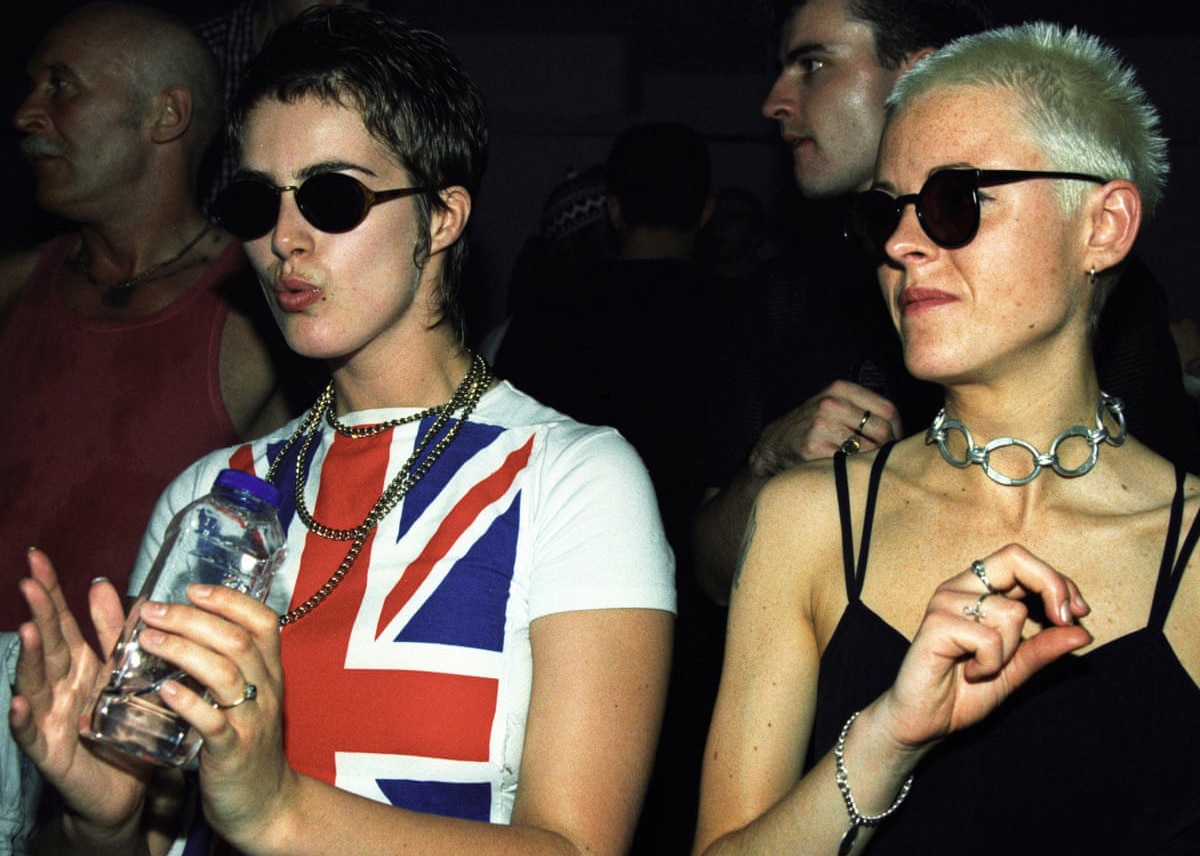
The 90s: Art and Fashion
'Inside are almost 70 artists, designers and photographers [...] just not quite as you’d hope'
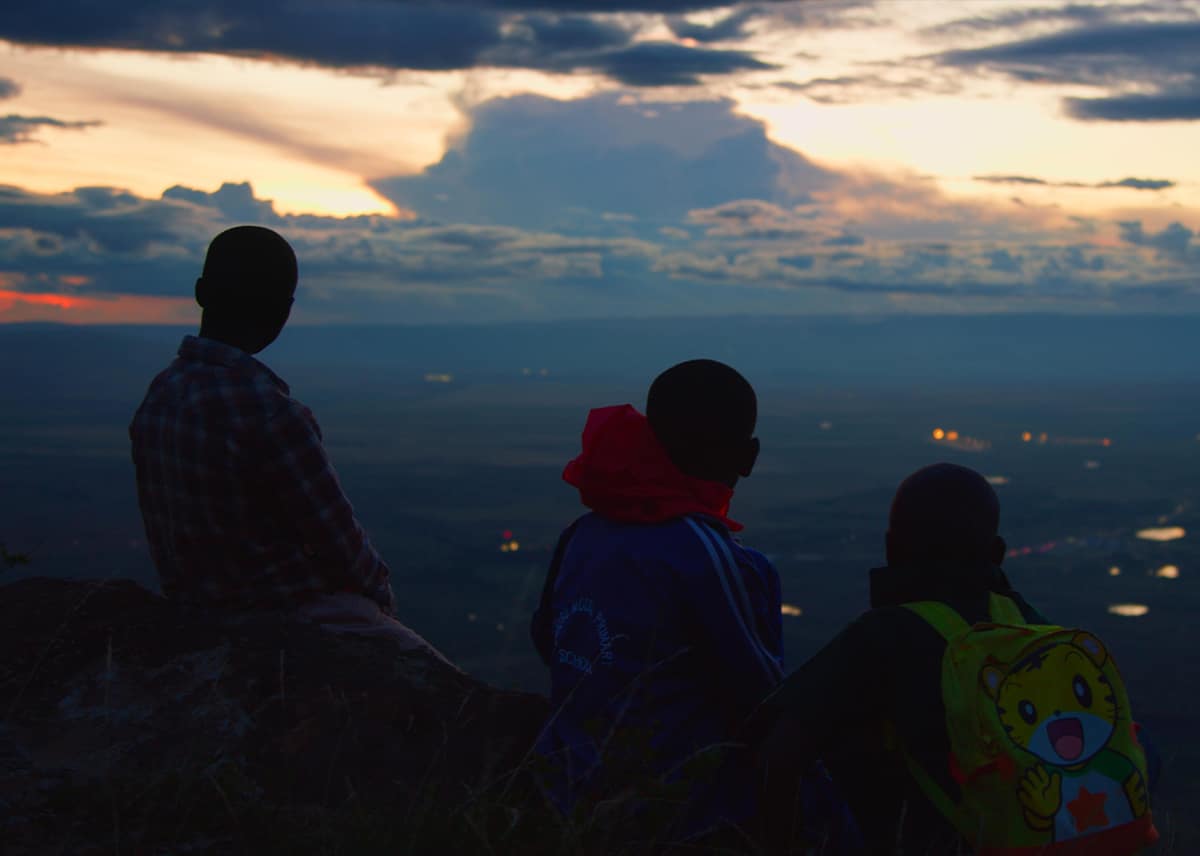
Kikuyu Land
A necessary, but perhaps not fully realized, insight into how colonialism and capitalism have fed into Kenya’s current political situation

The Recovery House
A love letter to the vicissitudes of being a novelist
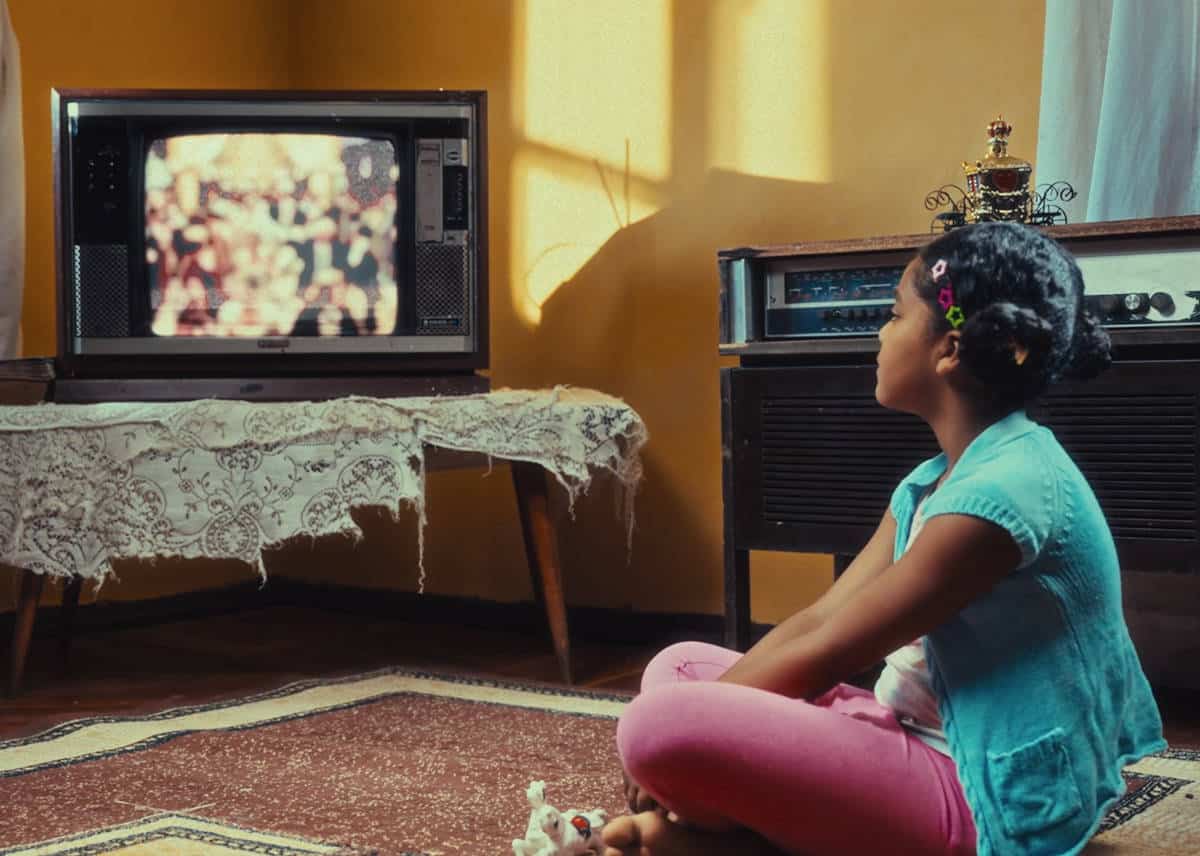
Becoming Home: Sight
The first in Becoming Home, a series of four short films by Adïam Yemane, commissioned by WritersMosaic. This film centres on Adïam's own story, exploring the meaning of home through sight.
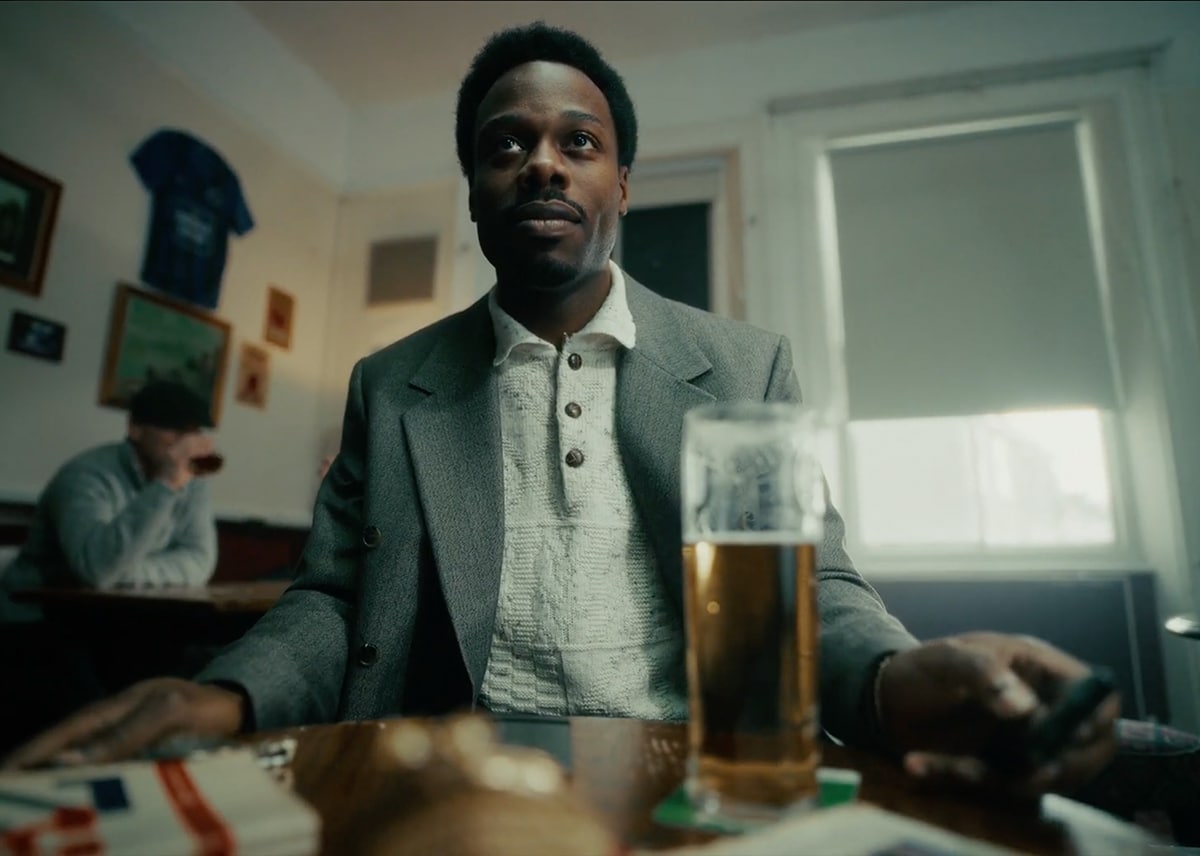
Fruity
A darkly comic crime short film written by and starring Delon Jessop and directed by James Baines.

Illuminating, in-depth conversations between writers.
Listen to all episodes
SpotifyApple Podcasts
Amazon Music
YouTube
Other apps

The series that tells the true-life stories of migration to the UK.
Listen to all episodes
SpotifyApple Podcasts
Amazon Music
YouTube
Other apps
In this second series of poems commissioned by Hannah Lowe, six poets explore the theme of surveillance.
Listen to all episodes
SpotifyApple Podcasts
YouTube