
Empire of Light
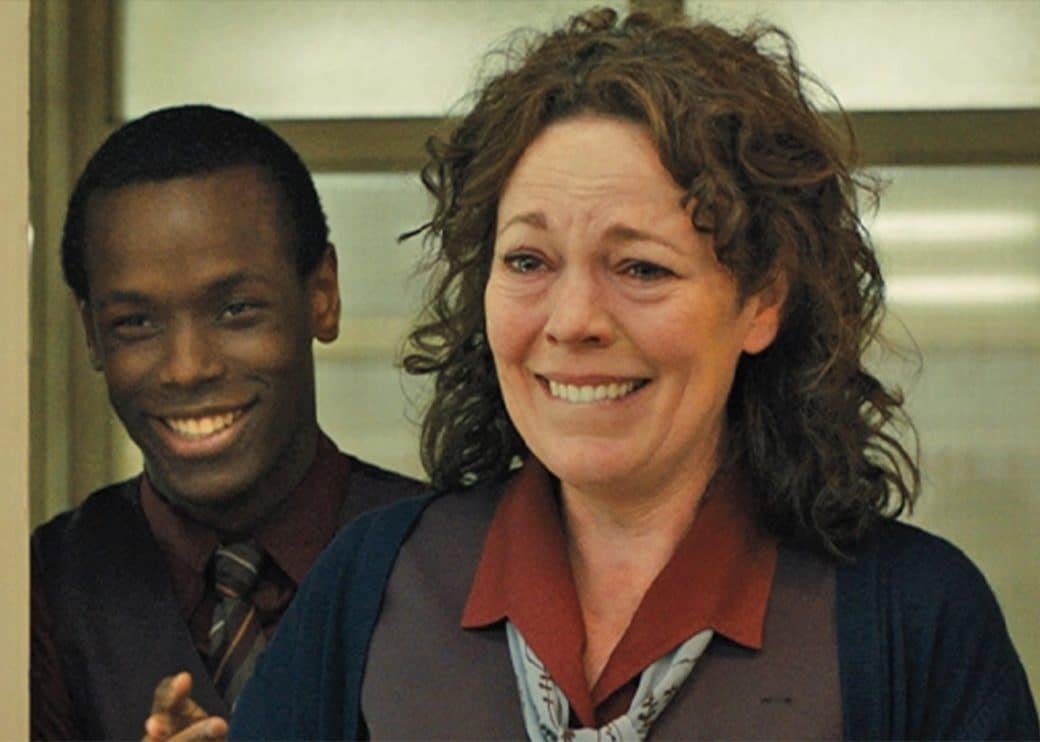
Written and directed by Sam Mendes
Review by Danielle Papamichael
Academy Award-winner Sam Mendes’s new film, Empire of Light, is an ode to cinema, written during the turbulent times of Covid-19 lockdowns when theatrical releases were on hold and self-reflection became the norm. The film, which marks Mendes’s screenwriting debut, is inspired by his own teenage memories.
Set in early 1980s Margate, when economic austerity, unemployment and racism were rife, we follow middle-aged Hilary (Olivia Colman), the assistant manager of the Empire cinema. Hilary suffers from schizophrenia; a side-effect of the lithium that she’s prescribed is numbness to the world. Most of her time is spent at work, sweeping up popcorn or cleaning the snack counter until closing time. She’s having a loveless affair with her predatory manager, Mr Ellis (Colin Firth), perhaps to quell her loneliness or to at least to try and feel something. Hilary is a complex character, based on the director’s own mother who suffered with mental illness when he was growing up. Colman plays Hilary with raw vulnerability, and it makes for an emotionally compelling watch.
Early on in the film, Stephen (Michael Ward) joins the Empire team. He is a young Black man, charismatic, charming and polite, and has big dreams beyond Margate (he’s reapplying for a place to study architecture at university). Stephen embodies all the things that Hilary desires to re-ignite her life.
Mendes tries to set up a tale of two lovers (Hilary and Stephen), but the storyline struggles. It’s inauthentic, unrealistic and feels inappropriate. Not only has Stephen just stepped into adulthood but Hilary is Stephen’s manager and, like Mr Ellis, she is in a position of power. Hilary fetishizes Stephen throughout their relationship, whilst silently watching the racism he is subjected to without offering much support or true understanding.
Empire of Light bears similarities to Mendes’s first film, American Beauty – a middle-aged adult who becomes infatuated with someone much younger, desperate for them to inject some excitement into the older person’s life.
Sadly, Stephen serves merely as a vehicle for Hilary’s journey. When he experiences both verbal and physical abuse through racism, Mendes focuses more on Hilary’s reaction to this injustice rather than its impact on her young lover. Stephen’s character feels stereotypical; if you remove the racism which is at the centre of his storyline there is not much left. Despite this Michael Ward’s nuanced performance powerfully shines through; he portrays Stephen’s hardship and optimism with great authenticity.
As director, Mendes excels in creating dazzling yet tender scenes around the camaraderie of the staff in the Empire cinema and the coastal town that surrounds it. This nostalgic film offers a beautiful insight into the true skill of a projectionist (played by Toby Jones) cooped up in the wonderful sanctuary of his booth. However it’s the treatment of complex topics such as mental ill health and racism that lets down the story; neither particularly connects or complements the other.
WritersMosaic monthly
Get new reviews in your inbox
One email monthly, unsubscribe anytime
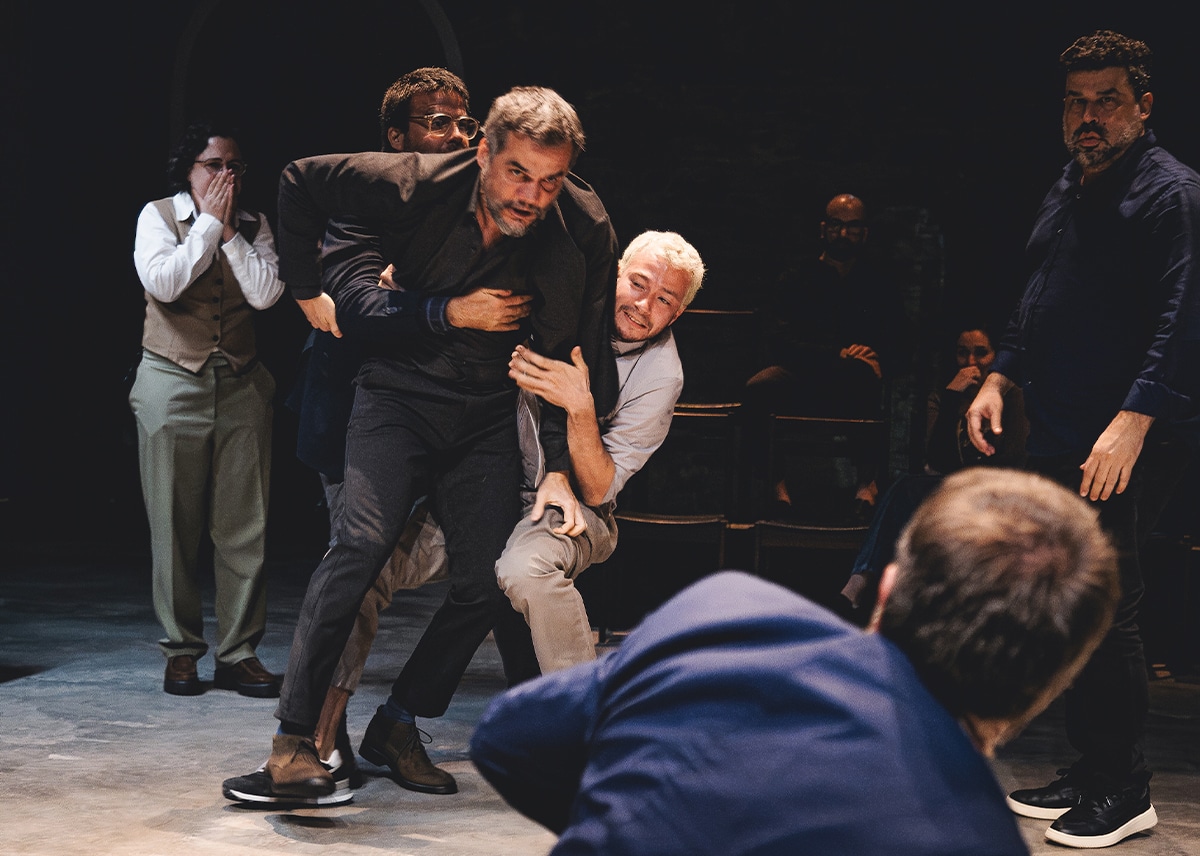
A Trial
An examination of theatre’s complicity in post-truth politics
The Complex
The unraveling of a dynasty

Disappearing Images
A festival of ephemeral art and the impermanence of our current world


The name of this wallpaper is ‘Childhood’
A luminescent bubble of memory
What’s in a feminist? Holding on to Gloria Steinem
Is Gloria Steinem's feminism still relevant today?
Coats
The unexpected cost of acquiring two Italian leather coats in Rome

Free Will
Will Harris reads his poem, 'Free Will'. Directed by Matthew Thompson and commissioned by the Adrian Brinkerhoff Poetry Foundation.

Half Written Love Letter
Selina Nwulu reads her poem, 'Half Written Love Letter'. Directed by Matthew Thompson and commissioned by the Adrian Brinkerhoff Poetry Foundation.

Illuminating, in-depth conversations between writers.
Listen to all episodes
SpotifyApple Podcasts
Amazon Music
YouTube
Other apps

The series that tells the true-life stories of migration to the UK.
Listen to all episodes
SpotifyApple Podcasts
Amazon Music
YouTube
Other apps
WritersMosaic interrogates the notion of ‘staying in your lane’ by asking writers how they attempt to think beyond the parameters of their cultural identity.
Listen to all episodes
SpotifyApple Podcasts
YouTube
In the first series of poems commissioned by Hannah Lowe, six poets explore how ritual gives meaning to our lives.
Listen to all episodes
SpotifyApple Podcasts
YouTube