
The Book of Bristol

Edited by Heather Marks & Joe Melia
Comma Press, 2023
Review by Suzanne Harrington
‘Hometowns are meant to give you a sense of belonging,’ writes poet Shagufta K Iqbal in The Cycle. ‘A place to rest and gather your thoughts. Then you begin again.’ Bristol’s identity is a pendulum, ‘the remnants of a slave-trading city port’ keen to present as ‘an environmentally-friendly arts hub; a city of festivals and hot air balloons’.
Place is evoked continuously, so that even if you don’t know Bristol, you come away feeling more familiar. The stories time travel too, and on occasion dip in and out of alternative realities; Christopher Fielden’s Baker’s Zodiac begins with Hilda and Mildred, local elderly witches possessing a crow and a pine marten, complaining they ‘ain’t got no opposable thumbs’.
Sanjida Kay’s The Divide reads like a thriller shadowed by Isambard Kingdom Brunel, whose Clifton Suspension Bridge he called ‘my first child, my darling’; its twist is unexpected. Rebecca Watts’s Going Down Brean is a nostalgic snapshot of a day at the seaside; kids jostling for places in a church minibus, weak squash and jam sandwiches, the thrill of cheap ice cream, ‘families huddled behind billowing windbreaks’. Evelyn, the landlady in Valda Jackson’s Team Players – the story of a black art student moving to Bristol in 1987 – takes care of Vardurr like a loving mother, even as she explains to her husband: ‘So Vardurr’s dark. Well, she can’t ‘elp that, poor gurrl. Why, underneath it all she’s as white as we are.’
KM Elkes’s Malago Days is set in an out-of-the-way caff run by Rose, a woman comfortable with herself, and Billy, a customer whose life is shrinking with age. A stranger dressed as an angel drops by, reanimating something between the two friends. Afterwards, ‘(t)hey sit for a while, listening to the water’s passage and the birdsong and the city noises beyond, each thinking about tattered, shining wings.’
Asmaa Jama’s The Water Bearer mixes Somali mythology with modern Bristol – an interesting idea that might work better in film form. Ditto Helen Dunmore’s A View From The Observatory about two friends looking through a Camera Obscura at something sinister on the bridge below.
The two stand out pieces for me were Magnus Mills’s A Public Performance, set in the prog-rock murk of 1970 and centred around a pretentious, clueless, unintentionally hilarious young man and his ridiculous coat. You don’t need to have read Gogol’s 1842 short story The Overcoat – I hadn’t – to love this.
The collection peaks with Tessa Hadley’s Buckets of Blood. Step over the Stephen King-ness of its title into the world of Hilary, visiting her big sister Sheila in Bristol where Sheila is a student. It’s 1972, and Hilary – ‘fatally provincial, frightened, with girls’ school gushing manners’ – is met off the bus by an unfriendly young man in ‘bare feet and black eye makeup’. Her sister, mid-miscarriage back in their squat, displays extraordinary sangfroid: ‘It’s a fine mess. Blood everywhere.’ The sisters are from a posh, mad, religious family of nine siblings, their frazzled mother’s ‘huge deflated stomach and bosom … slapped like insults on to a bony girl’s frame’.
Hilary’s stay in Bristol allows her access to a more grown-up world of ‘secret trouble and mess’, brown ale down the pub, and a ‘brown lump of something’ she supposes might be drugs. Washing her sister’s bloodied sheets in the launderette, she reads Virginia Woolf and feels ‘a stubborn virgin pride’. I wish this story had been a novel – I didn’t want it to end.
WritersMosaic monthly
Get new reviews in your inbox
One email monthly, unsubscribe anytime
The 90s: Art and Fashion
'Inside are almost 70 artists, designers and photographers [...] just not quite as you’d hope'
Kikuyu Land
A necessary, but perhaps not fully realized, insight into how colonialism and capitalism have fed into Kenya’s current political situation
The Recovery House
A love letter to the vicissitudes of being a novelist
Safe Spaces
Tice Cin's hotly anticipated second book is a literary mixtape of voices and forms
Get in line
What does a queue have to do with anything? A lot, says Snežana Ċurčić
Ladies of the Rachmaninoff Eyes
The impact of space between what is happening on and off the page

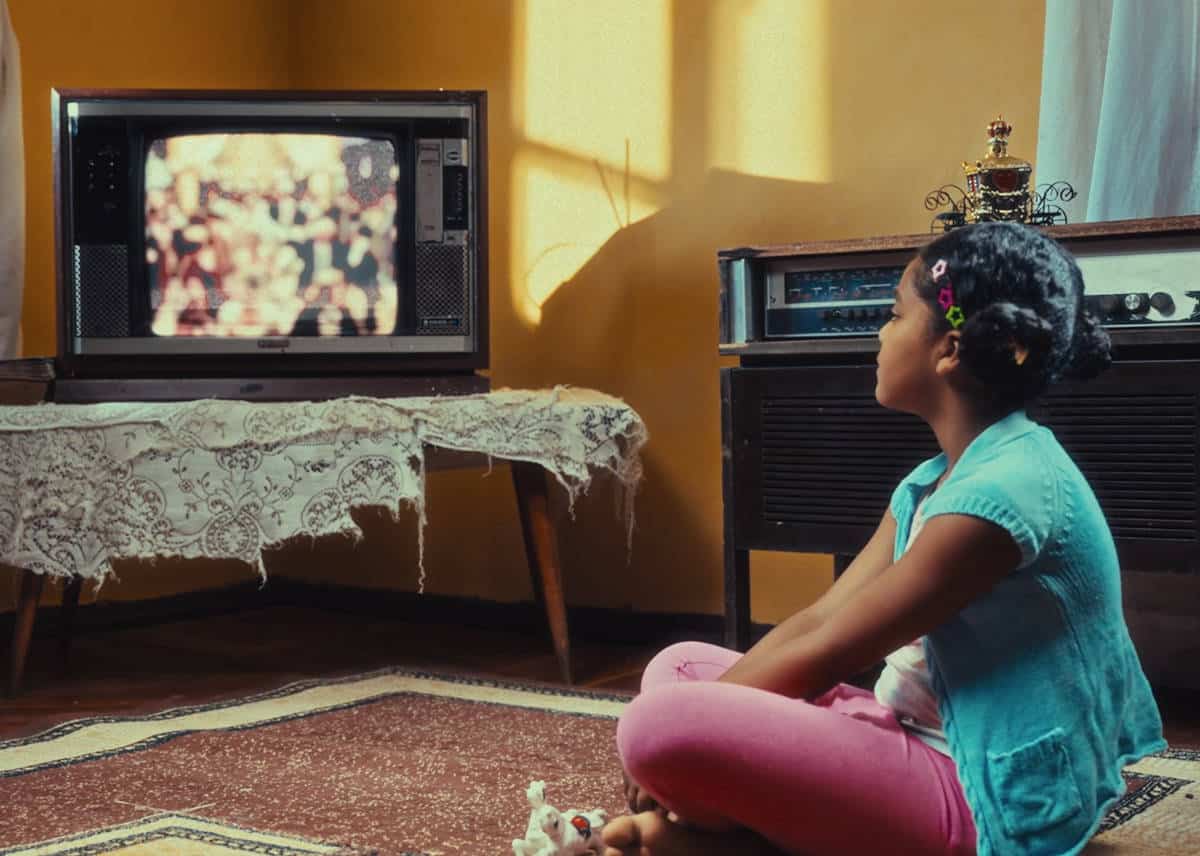
Becoming Home: Sight
The first in Becoming Home, a series of four short films by Adïam Yemane, commissioned by WritersMosaic. This film centres on Adïam's own story, exploring the meaning of home through sight.
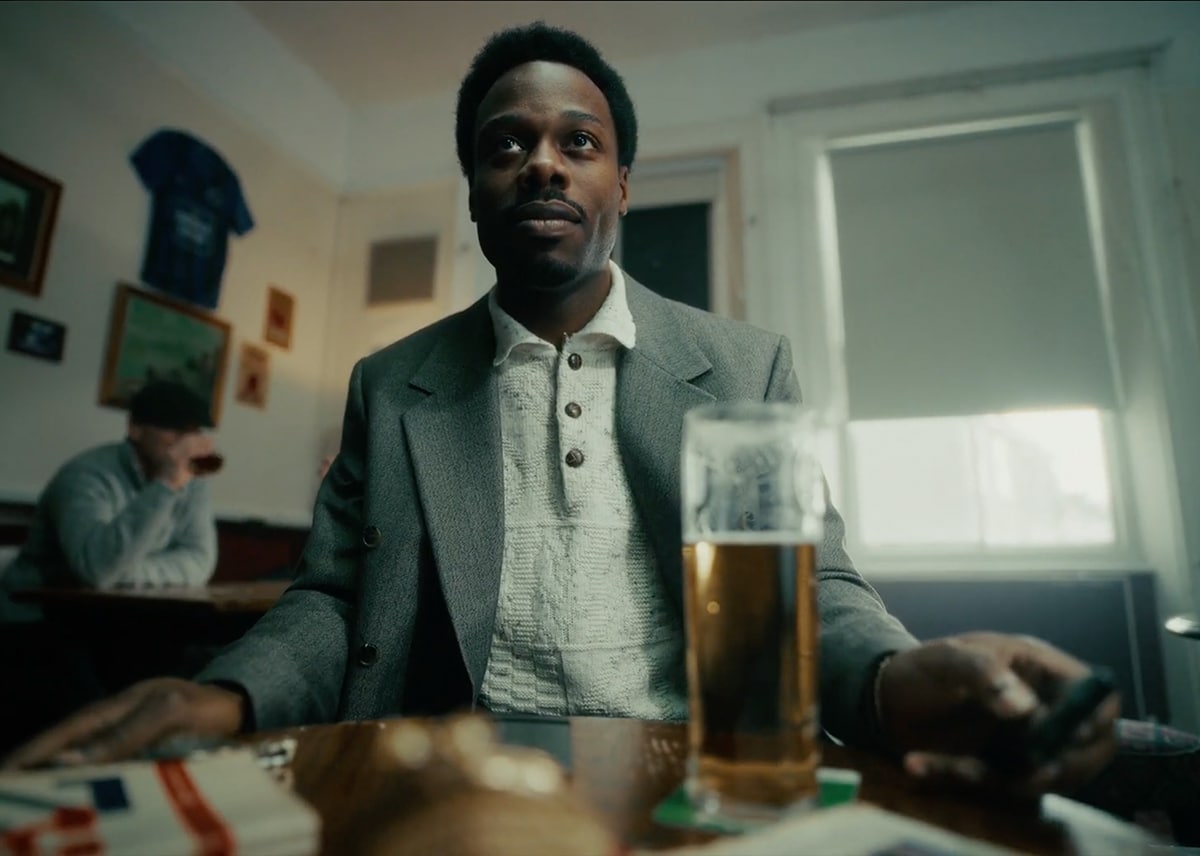
Fruity
A darkly comic crime short film written by and starring Delon Jessop and directed by James Baines.

Illuminating, in-depth conversations between writers.
Listen to all episodes
SpotifyApple Podcasts
Amazon Music
YouTube
Other apps

The series that tells the true-life stories of migration to the UK.
Listen to all episodes
SpotifyApple Podcasts
Amazon Music
YouTube
Other apps
In this second series of poems commissioned by Hannah Lowe, six poets explore the theme of surveillance.
Listen to all episodes
SpotifyApple Podcasts
YouTube