
Monster
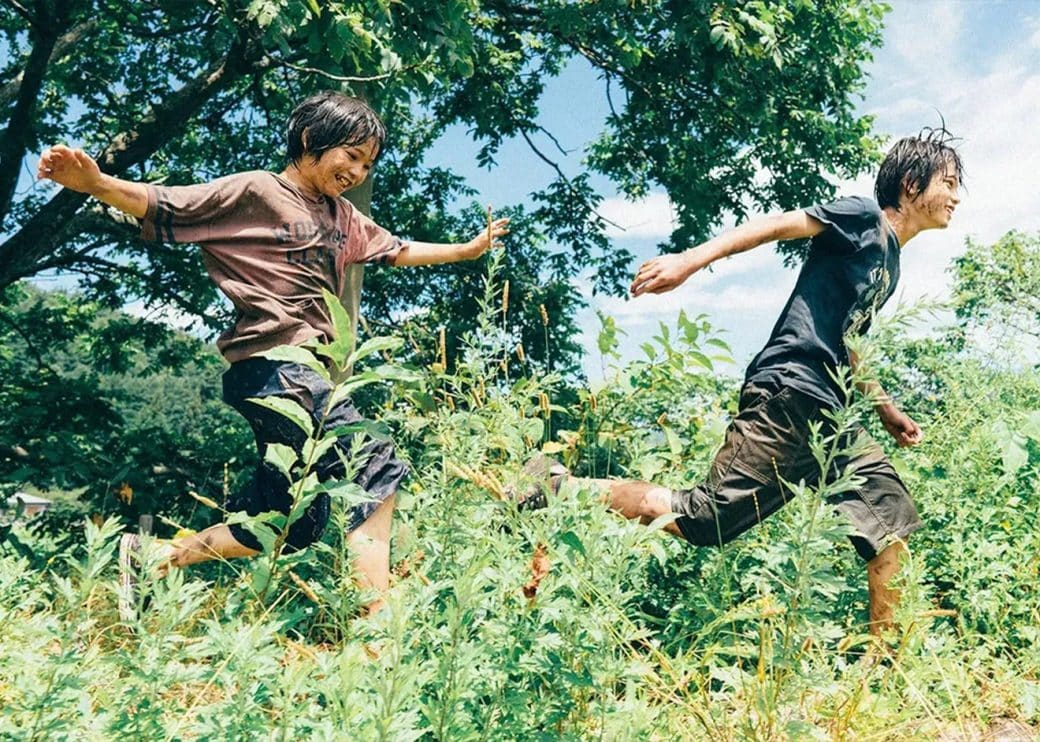
Directed by Hirokazu Kore-eda
Review by Zebib K. Abraham
Monster is the sixteenth feature film from renowned Japanese director Hirokazu Kore-eda. Like his previous films – from Nobody Knows (2004) to I Wish (2011) to the more recent and better-known films Shoplifters (2018) and Broker (2022), Kore-eda explores the yearning, loneliness and pain of children, and the flawed adults around them who both love and fail these children. Kore-eda is always interested in the indifference and judgements of society; this societal force looms over his characters.
Monster initially follows the story of a troubled young boy, Minato (Sōya Kurokawa), from the perspective of his mother Saori (Andō Sakura). Minato appears depressed, withdrawn, and begins to act out in strange ways. His mother is determined to help her son and, after pressing him to tell her what is wrong, he tells her that Mr Hori, a teacher at his school, has hit him. We see Saori try and fail to get the school and its administration to address the alleged abuse.
As the tension rises, we think we understand this story of a mistreated boy until the film shifts beneath our feet. The narrative then changes its perspective, revealing the same events from a new perspective, then again, for a third time. There are reveals, twists, confrontations, and misunderstandings. Similar to films such as Rashomon (1950), this bold three-act structure undoes what we have assumed in the first act, reconstructing our understanding of the characters. Where we once judged, we are given a view into characters’ inner world; instead of progressing along a single path of increasing tension, we are made to face our own judgements and expand our empathy as viewers.
As the film progresses, an inscrutable dynamic is revealed between Minato and another young boy at his school, Yori (Hinata Hiiragi). Some suspect Minato of bullying Yori, but as the film goes on we discover more depths and tenderness to their relationship; this is the beating heart of the film. The boys’ bond is tense, tender, fragile; we see the adults misunderstand them, societal pressures crush them. These actors are brilliant performers. Kurokawa, as Minato, conveys innocence and pained withdrawal; with Hiiragi we see an understated playfulness. The adult actors are compelling across the board, very believable as characters grappling with their own private turmoil, who fail to understand each other or the boys. Yūko Tanaka plays head teacher Ms. Fushimi as an inscrutable, grieving, and selfish figure, allowing us to sympathize with her and to judge her. Eita Nagayama, as Mr. Hori, conveys a believable awkwardness, giving a fully-embodied, physical performance of someone uncomfortable in their own skin.
Monster’s set design is visceral, organic, and rich; from the light-filled school the boys attend, to Minato’s cramped and messy apartment, to the fairytale-like abandoned train carriage the boys discover in the woods. The soundtrack, from the late, great Ryuichi Sakamoto, utilizes haunting piano and synthesizer, casting a delicate spell that mirrors the complex thoughts swirling in the minds of the characters.
Monster is a deeply emotional film that challenges and frustrates the viewer with its measured, slow pacing and withheld character motivations. The viewer may become impatient for the plot to finally progress, particularly in a three-act structure that repeats certain beats over the course of two-and-a-half hours. The central mystery of what is wrong with Minato is compelling and dramatic, and suggests a villain will be uncovered. However, this mystery is undermined by the structure; as we discover characters’ fears, traumas, and desires, the film muddies their roles as victims and perpetrators. There are no clear answers but, rather, surprise turns into empathy and vulnerability; Mr. Hori’s smarmy caginess conceals insecurities and good intentions, Minato’s depression conceals a broken heart, and those we gain empathy for then act selfishly again. Everyone is ‘the monster’ and everyone is a victim. Monster is an up-close, intimate examination of the flawed human experience.
WritersMosaic monthly
Get new reviews in your inbox
One email monthly, unsubscribe anytime
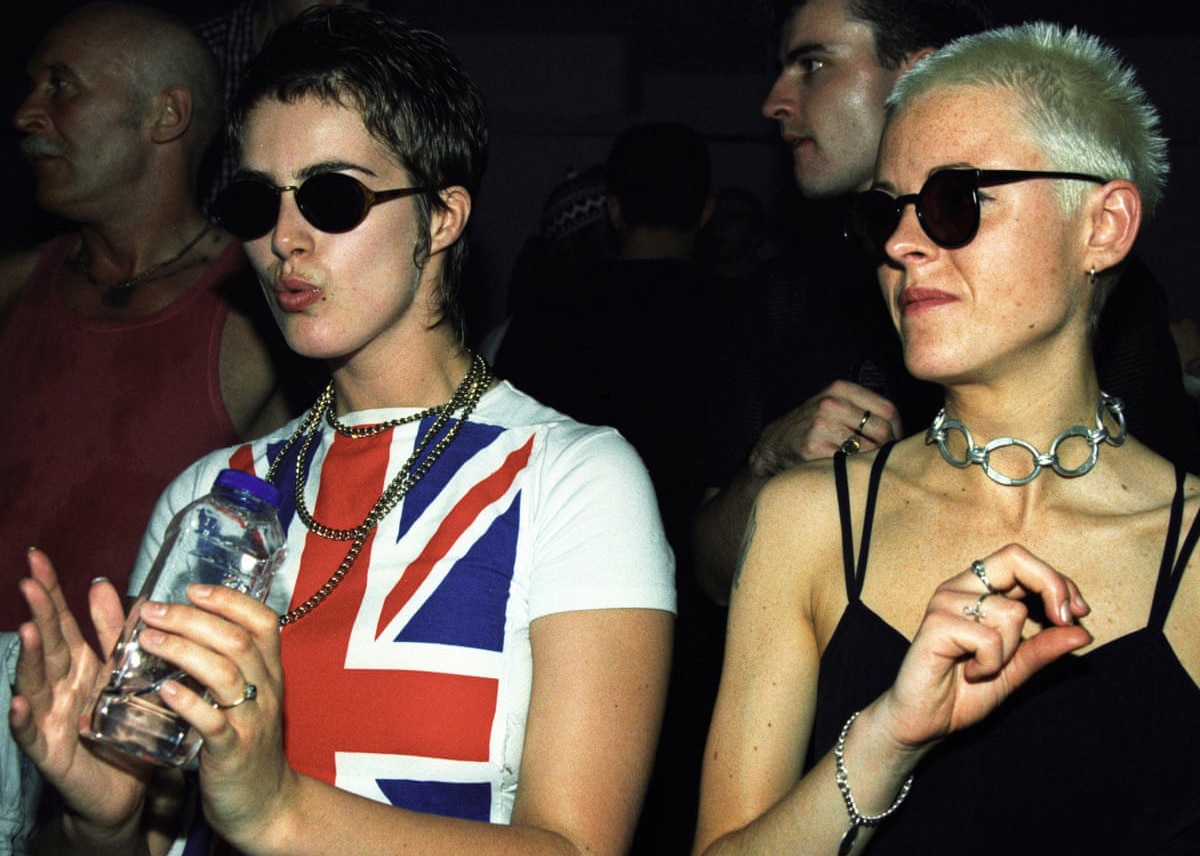
The 90s: Art and Fashion
'Inside are almost 70 artists, designers and photographers [...] just not quite as you’d hope'
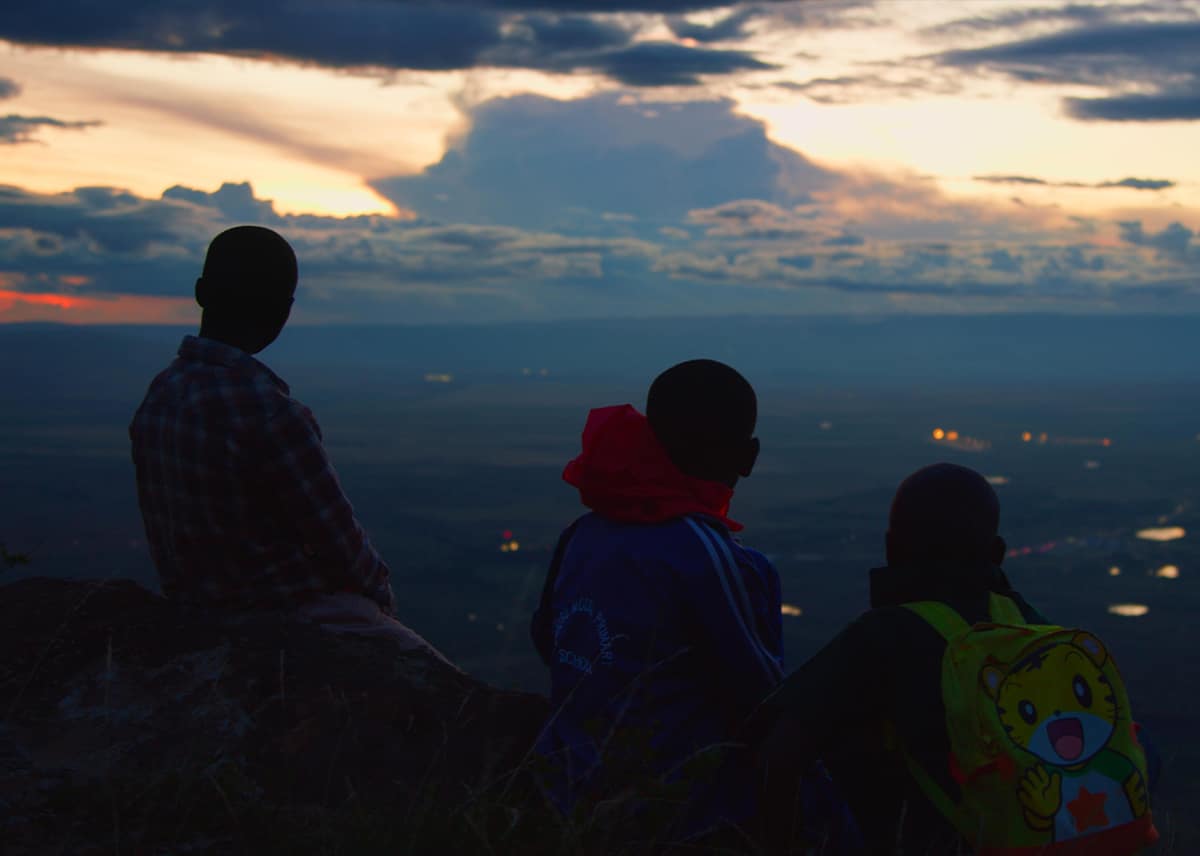
Kikuyu Land
A necessary, but perhaps not fully realized, insight into how colonialism and capitalism have fed into Kenya’s current political situation
The Recovery House
A love letter to the vicissitudes of being a novelist
Safe Spaces
Tice Cin's hotly anticipated second book is a literary mixtape of voices and forms

Get in line
What does a queue have to do with anything? A lot, says Snežana Ċurčić
Ladies of the Rachmaninoff Eyes
The impact of space between what is happening on and off the page

Becoming Home: Sight
The first in Becoming Home, a series of four short films by Adïam Yemane, commissioned by WritersMosaic. This film centres on Adïam's own story, exploring the meaning of home through sight.
Fruity
A darkly comic crime short film written by and starring Delon Jessop and directed by James Baines.

Illuminating, in-depth conversations between writers.
Listen to all episodes
SpotifyApple Podcasts
Amazon Music
YouTube
Other apps

The series that tells the true-life stories of migration to the UK.
Listen to all episodes
SpotifyApple Podcasts
Amazon Music
YouTube
Other apps
In this second series of poems commissioned by Hannah Lowe, six poets explore the theme of surveillance.
Listen to all episodes
SpotifyApple Podcasts
YouTube