
The Box with The Sunflower Clasp

Photo of Rachel Meller’s great-grandmother, Paula, with Rachel’s great-aunt, Alice, and grandmother, Edith
Rachel Meller
(Icon Books, 2024)
Review by Eric Ngalle Charles
Once I’d finished reading Rachel Meller’s book, I leaned on my kitchen window and looked at the neighbourhood. Children from all over the world were playing football, screaming and chatting in languages I could only imagine. I asked myself some questions: what does it feel like to be denied citizenship in your country, which you fought a war for and call home? How long must one live in a place to belong to it? Do refugees ever arrive? Can your memories kill you? What if we drained the Danube River? What would it reveal?
Rachel Meller’s first-person narrative hooked me. She tells the story of her mother Ilse and her younger sister Lisbeth, a historical journey through the prism of her Jewish family’s flight from Vienna to Shanghai, seeking a new abode in 1938. The book opens with this gut-wrenching punch, ‘To my great sadness, I have no memory at all of my mother’s voice. By the time I was three months old, Ilse had taken her own life.’ If suicide pills had not killed her, the author tells us that officers were at her mother’s bedside to haul her off to prison. Until 1961, suicide was a criminal act in England.
After her aunt’s death, Meller was given a box with a sunflower clasp containing notes, letters and diary entries. This opens us into a world where Jews saw themselves first as Austrians, then Jews, but ‘their predominantly Catholic homeland disagreed’. As you feel your way through this book, you steer the dark days of the Jewish pogroms. Children weeping in the alleys off an unknown street for their loved ones.
She constantly makes us ponder what we take and what we leave behind. When bombs are dropping, how do you decide? In the end, we value life over possessions. Migrants often arrive with nothing but memories.
The discovery of letters opens another world – not such a distant past comes alive. Minds jiggle, and the dead return in a haze, gleaming hair, sparkling eyes, carefree laughter, then escape and – sometimes – survival. You can research Jewish migration to Shanghai, but Meller brings personal tales into her account. Suddenly, we are in Nordbahn railway station, Vienna, which she tells us was a point of arrival for ‘nineteenth-century migrants flocking from all over Europe. Many of them were poorly off Jews’.
The author weaves a family history with personal stories backed by an ever-lurking tragedy. At fifteen, against the backdrop of genocide against the Jews in Europe, her aunt Lisbeth attempts suicide by throwing herself into a lift shaft. This fall was the precursor of something more sinister. We meet a nineteen-year-old girl made to scrub the streets by Nazis soldiers; the girl is the author’s mother, Ilse Epstein.
Roma and blacks, too, were targets of the Nazis. After the Anschluss, annexing Austria to the Nazi state, nothing but the German race was pure. In this descent into madness, a child comes home to see their father wailing, a family heirloom is sold for a pittance to buy an escape route.
The world of migrants is one of poverty, a slow slump into despair and nothingness. Hearing glass shatter, the panes cascading from smashed shopfronts in an ‘orgy of destruction’, you catch echoes of anti-immigrant riots in Britain in the summer of 2024. And then, the eeriness of these words, spoken by Hermann Goering, President of the Reichstag from 1932-1945: ‘They should have killed more Jews and broken less glass’.
As they sailed on the Conte Rosso to the shiny harbours of Shanghai, we see the faces of two gaunt men, blasting music from a piano, beaming with joy and laughter. We are told by Lisbeth’s mother, ‘It is because they came out of the concentration camp that they are happy’.
People respond to stress in unusual ways; some laugh, some find it impossible to sleep, and in that permanent wakefulness follow the rain on their windows to a broken landscape they once called home.
Taught by the notes, letters and diary entries that emerged from her aunt’s box with the sunflower clasp, Meller has sung her glittering family history like a songbird. We find ourselves trapped in Shanghai and meet Bruno, the bookseller who has quickly mastered the tricks of book pirating. Aunt Lisbeth tells of the grandness of the Palace Hotel, in contrast to Shanghai’s beggars, ‘Light in the Head, The Weeping Mother, and those who faked wretchedness by dousing their bodies with pig’s blood’. There are moments of subtle humour, but we are constantly reminded of the darkness hovering, a tumult of anger that can explode without warning, ‘flaring up like a firework in the dark sky’. The new city has something in common with Nazi Vienna. ‘The value of life was dependent on one’s race. Degradation of the Chinese, babies left on streets, bin bags with human remains’.
https://www.iconbooks.com/ib-title/the-box-with-the-sunflower-clasp-2
The Box with the Sunflower Clasp will be available as an Audiobook in May 2025.
WritersMosaic monthly
Get new reviews in your inbox
One email monthly, unsubscribe anytime
The Complex
The unraveling of a dynasty

Disappearing Images
A festival of ephemeral art and the impermanence of our current world
Ever Land
A layered and haunting view of daily life in occupied Palestine
Coats
The unexpected cost of acquiring two Italian leather coats in Rome
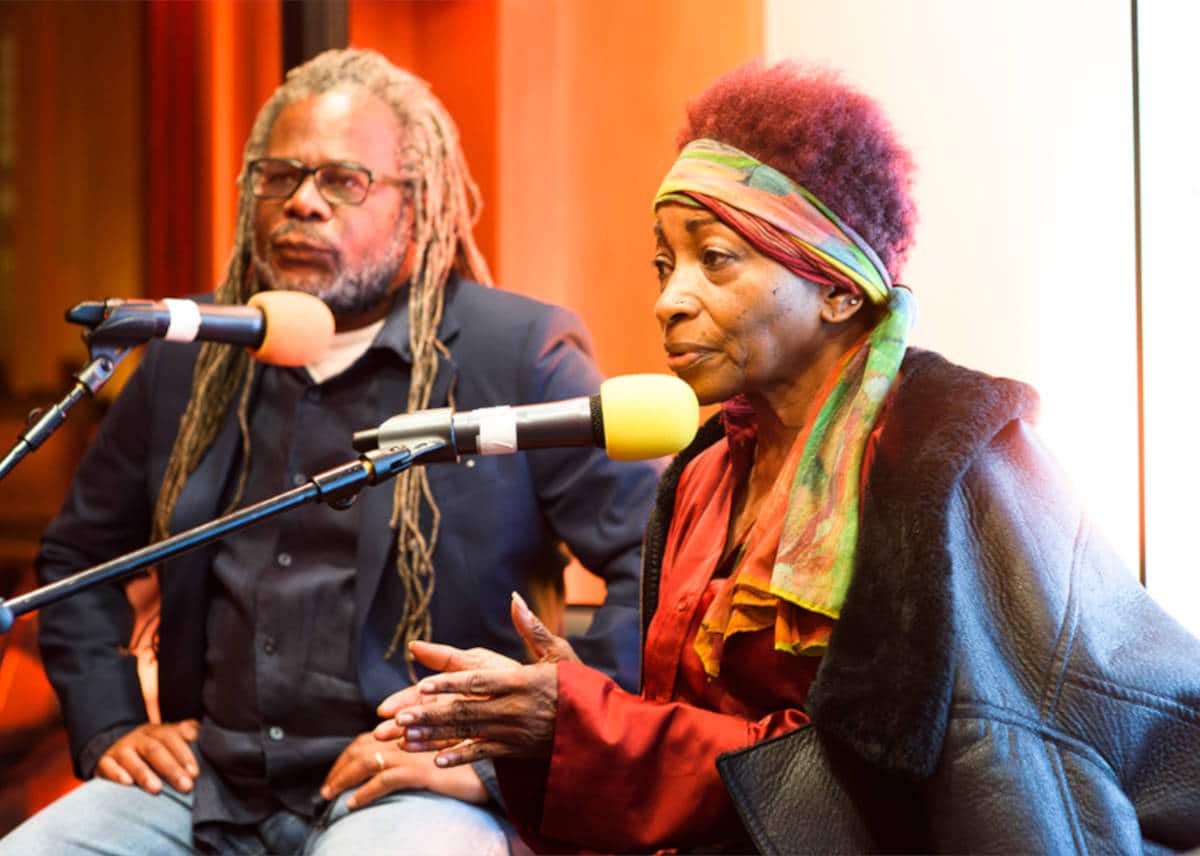
A tribute to Bonnie Greer
Founding editor of WritersMosaic Gabriel Gbadamosi pays tribute to Bonnie Greer, the extraordinary writer, public intellectual and much admired contributor to WritersMosaic who died on 15 September, 2026.
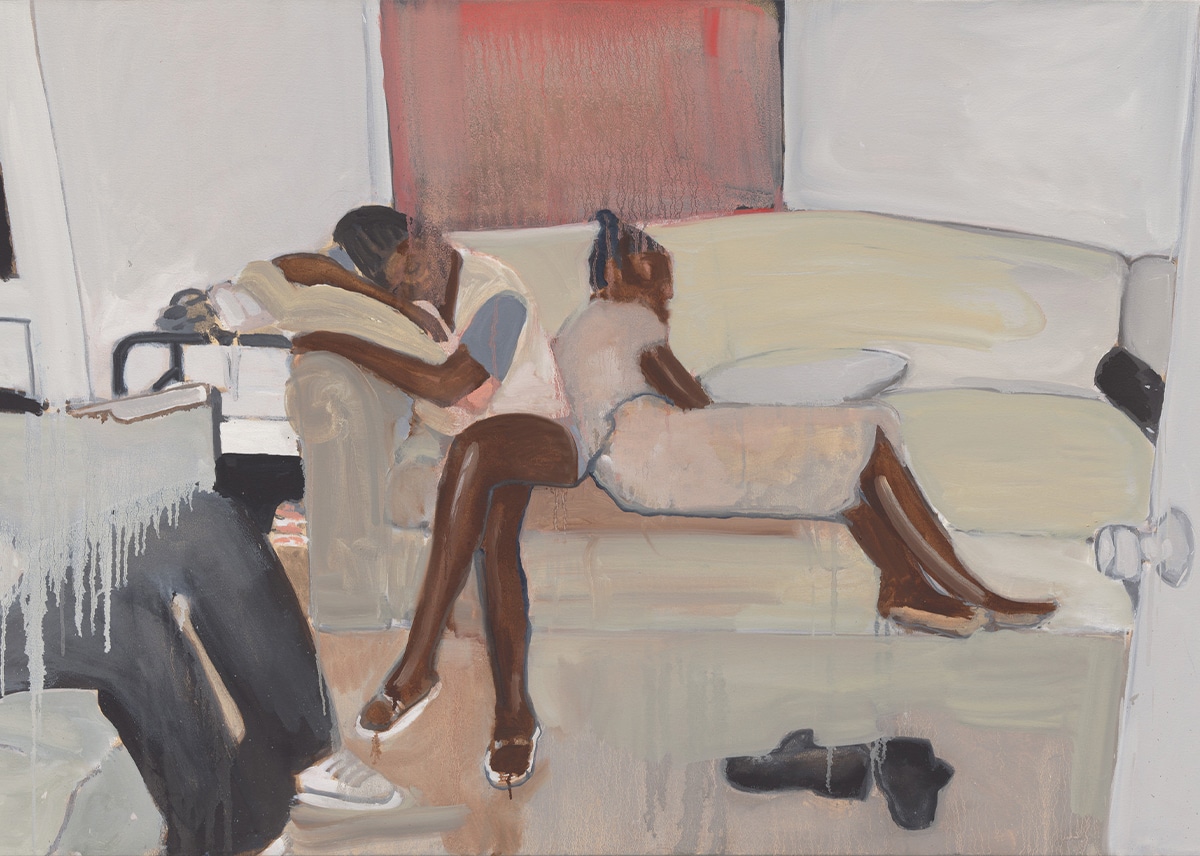
Triage
A response to the endless spiral of worldwide conflict and tragedy


Free Will
Will Harris reads his poem, 'Free Will'. Directed by Matthew Thompson and commissioned by the Adrian Brinkerhoff Poetry Foundation.

Half Written Love Letter
Selina Nwulu reads her poem, 'Half Written Love Letter'. Directed by Matthew Thompson and commissioned by the Adrian Brinkerhoff Poetry Foundation.

Illuminating, in-depth conversations between writers.
Listen to all episodes
SpotifyApple Podcasts
Amazon Music
YouTube
Other apps

The series that tells the true-life stories of migration to the UK.
Listen to all episodes
SpotifyApple Podcasts
Amazon Music
YouTube
Other apps
WritersMosaic interrogates the notion of ‘staying in your lane’ by asking writers how they attempt to think beyond the parameters of their cultural identity.
Listen to all episodes
SpotifyApple Podcasts
YouTube
In the first series of poems commissioned by Hannah Lowe, six poets explore how ritual gives meaning to our lives.
Listen to all episodes
SpotifyApple Podcasts
YouTube