
A tribute to Bonnie Greer
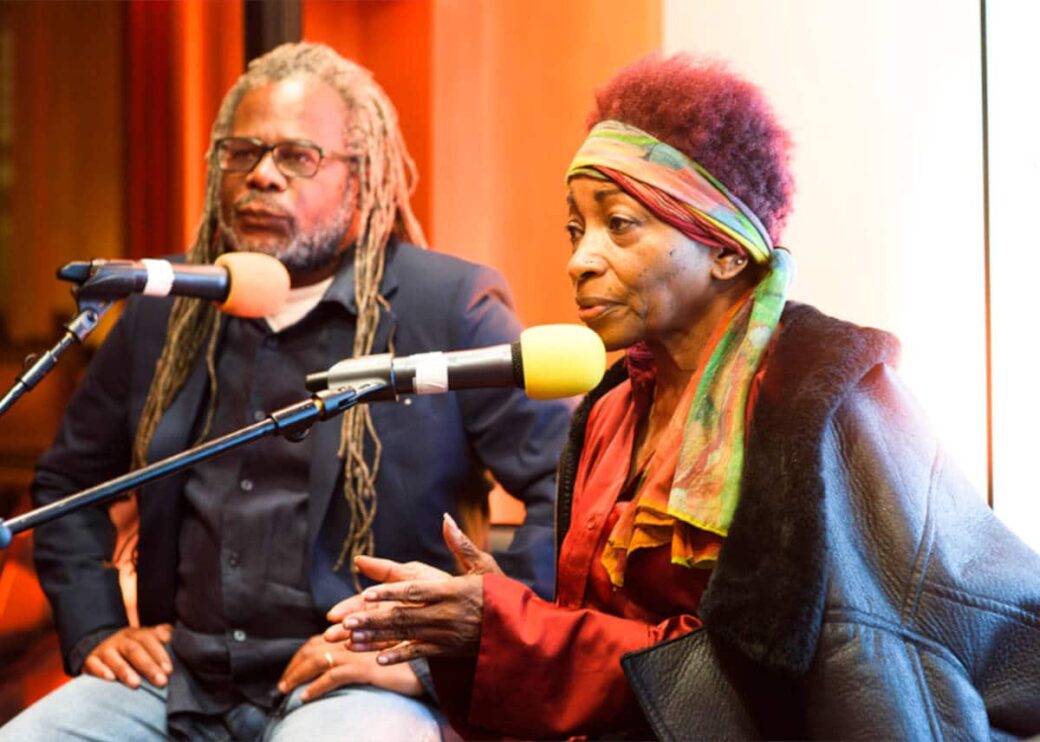
‘When I was a child, beauty was the most important thing to me.’
Bonnie Greer, Obama Music
Bonnie grew up as a black girl in South Side Chicago – streetwise, urban, endangered, too good for the limitations and oppressions. Like many other African American writers in the lead up to and collapse of the civil rights struggle in the United States, she got out from under the racial hierarchy structuring that society and moved to Europe – 1980s Britain in her case. She once shared a taxi with James Baldwin, an icon for her generation of American writers, who wept openly in speaking to her of his own pain and his generation’s failure to effect change and leave a legacy of freedom for her generation in America. I think Bonnie took freedom – personal, intellectual and creative freedom – as the starting point for everything she did and was.
As with James Baldwin from his early days as a preacher, and like me as a playwright here in Britain, her first instinctive recourse as a writer was to speech – to the pulpit, the TV studio, the stage. As a theatre writer she spoke to audiences she imagined as her society, a society with which she was at odds. She worked that angle of difference, with courage and compassion, working to create something different for all of us. An outsider status as an African American woman in Britain allowed her to use her mind freely and feel clearly about what needed to be fixed, to cut through the obfuscation and get right to the heart of what mattered. You think Britain has a ‘special relationship’ with the United States? Think again. The US has only two ‘special relationships’ – with Israel and with Ireland. We all heard Bonnie say that the US won’t let Britain push Ireland around over Brexit on BBC Question Time seven years ago, and the truth of it – so simple – went viral. She brought home truths.
I met Bonnie when she first arrived in London in the 1980s, among a small group of playwrights trying to reimagine how to write for a changing Britain under the Margaret Thatcher government. She was a knowledgeable but gentle voice, tentative but insistent on making her points – people leaned in to hear her. I saw people fall under her spell – small in stature, pugnacious but delicate, alert and attentive, responsive, eloquent and truthful, sometimes devastatingly so, but always with the glint of a smile that kept so much more depth of experience and feeling, understanding and care, in reserve. She made herself beautiful to listen to, drawing British people into a lived experience of how and why black is beautiful, drawing that lesson from her roots in the civil rights movement. She was beautiful in her energy, generosity, visionary acumen and physical presence. So I decided to meet her on the ground that being black and beautiful and insightful is ordinary, and we became firm friends. In truth, I became her little, precocious brother who she had time for and would occasionally consult.
She was married for over 30 years to the quick-witted and dryly humorous English lawyer and teacher, David Hutchins. They divided their time – and her writing time – between Nice in the South of France and a small flat in London’s Fitzrovia. Very Bohemian, I suggested, hoping to pop into a local literary pub with her for a drink on one of our frequent meet ups in London to share ideas and discuss each other’s work. It was, however, always a coffee shop we ended up in because she was always at work – producing the stream of plays, books and essays which informed her vividly thoughtful appearances as a public intellectual and personality at live events and on television. Her work ethic was phenomenal, and her scattergun approach to ideas, issues and writing projects was breathtaking. ‘Gabriel, we must put our heads together on this and do something,’ was almost always the last thing she would fling out to me as we waved each other goodbye. When a big sister tells you what we have to do, you better be ready to listen and do it; I was then, and I am now. As I listen to her in my head, I hear in her voice what she said she inherited from Bessie Smith and Janis Joplin: ‘a kind of worldly honesty and purity’.
Once, seeing her step out of a black cab at the Riverside Studios in London for a panel we were both speaking on, I teased her that I do all my thinking on the bus and the tube, and wasn’t it distracting when she had to keep her eye on that clock ticking up those impossibly expensive fares? She smiled, took my arm and led me into the building, telling me that what was important was that we were both here. I am devastated that we are no longer both here.
In the copy she gave me of her 2009 book Obama Music – Some Notes from a South Sider Abroad, she wrote this note: ‘23 February 2010 – To Gabriel, Small essays about my life growing up in the South Side of Chicago in the 60s, the time that Obama calls his own. The names have been changed to protect the guilty. Love & stay strong. BG’
Bonnie Greer at the WritersMosaic British Library event on Gabriel Gbadamosi’s play Abolition. Film by Rob Akin

WritersMosaic monthly
Get new writing in your inbox
One email monthly, unsubscribe anytime
Marlon James: a Jamaican reckoning
'A return to a home I barely knew'
The name of this wallpaper is ‘Childhood’
A luminescent bubble of memory
What’s in a feminist? Holding on to Gloria Steinem
Is Gloria Steinem's feminism still relevant today?


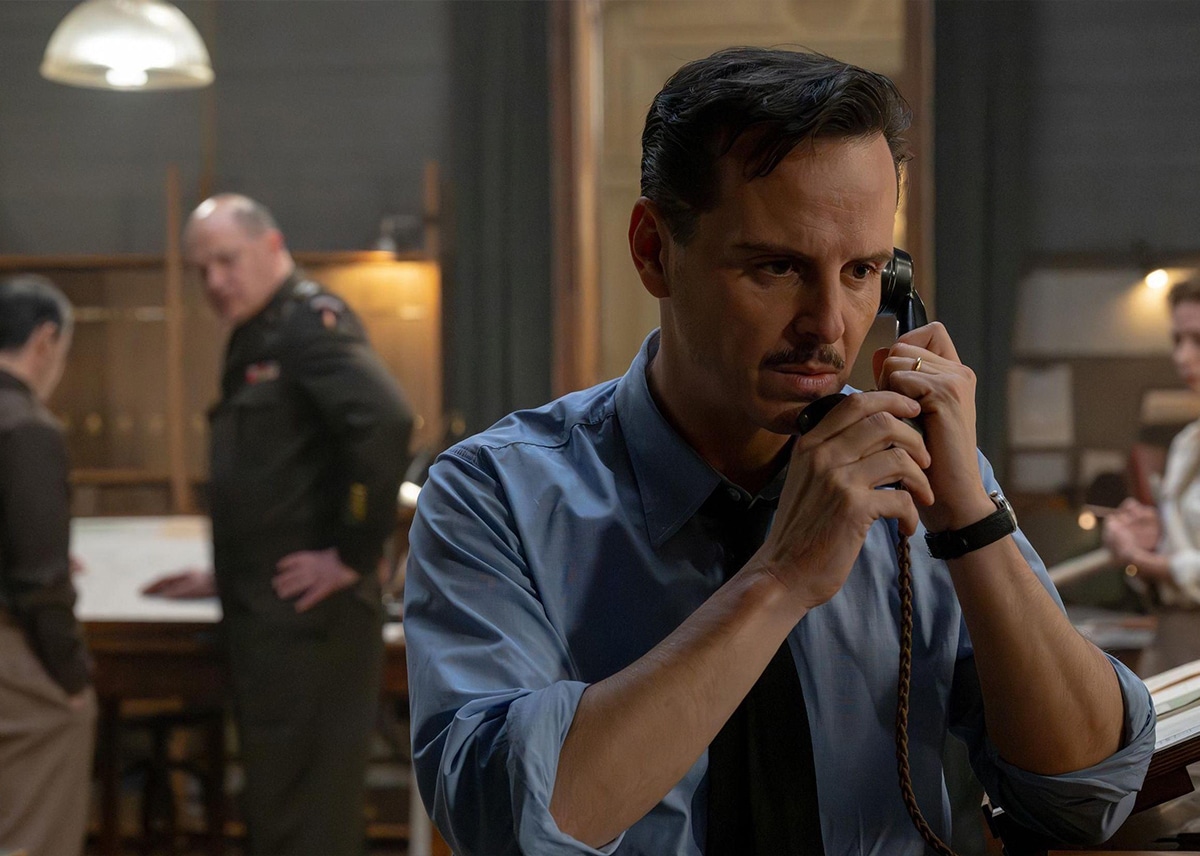
Pressure
What's missing from the latest 'untold story behind D-Day'?

A Trial
An examination of theatre’s complicity in post-truth politics

The Complex
The unraveling of a dynasty



Illuminating, in-depth conversations between writers.
Listen to all episodes
SpotifyApple Podcasts
Amazon Music
YouTube
Other apps

The series that tells the true-life stories of migration to the UK.
Listen to all episodes
SpotifyApple Podcasts
Amazon Music
YouTube
Other apps
WritersMosaic interrogates the notion of ‘staying in your lane’ by asking writers how they attempt to think beyond the parameters of their cultural identity.
Listen to all episodes
SpotifyApple Podcasts
YouTube