
The Pocket Guide To Feminism

Bel Olid, translated from the Catalan by Laura McGloughlin
(Polity, 2024)
Review by Suzanne Harrington
Bel Olid, born in 1977, is a Catalan writer, translator, campaigner for Catalan independence, and non-binary feminist. They are a mother, author, activist, and someone who lived as a woman for the first 40 years of their life until they grew tired of the required role-playing.
‘I refuse,’ they write in their latest book The Pocket Guide To Feminism. ‘I won’t participate. I declare myself out of the box. I declare myself out of the game.’ They’ve had enough of ‘the mirage of binarism.’
Olid’s book is, like its author, straight talking and punchy, and tackles huge, difficult subjects in a series of concise chapters examining androcentrism, violence against women, rape, gender disparity present everywhere from the television panel to the kitchen sink, systemic sexism in schools and workplaces, misogyny (both external and internalised), and the endless blueing and pinking of human beings from the moment of conception.
They approach these topics with a wry wit, continually asking us to question ourselves, question our realities, question everything, without ever haranguing us. Their tone is one of exasperation, bemusement, occasional flashes of (justifiable) fury. And humour – in a mini lexicon at the back of the book, sandwiched between male gaze and patriarchy, is their definition of misandry: ‘don’t worry, it doesn’t exist.’
Writing about sexual assault, Olid notes: ‘If there was a report every time a man touches a woman’s behind on the Underground, the police force would collapse.’ Also, these groped women would ‘be late for school or work, [and] don’t have time to raise hell.’ Rape involves ‘being judged for a crime someone else has committed.’
They haven’t much patience for the ‘not all men’ argument either, ‘as if one case – or even a thousand – wipes out the global statistics.’ While a man who cites his own lived experience of doing an equal share of childcare or housework ‘is completely valid’, it’s ‘irrelevant’ in terms of structural discrimination. For every man who cleans a toilet, there are thousands who do not.
Olid is compassionate and humane in their exploration of how we internalise these structures: ‘We don’t replicate sexist attitudes because we’re bad people, but because we find them normal. We’ve normalised inequality.’ Men, they add, stand to gain much from feminism, yet can often take it as ‘a personal affront’ when challenged about inequalities. This small but powerful book could make a great birthday present for the affronted.
Talking about gender inequality in 2024 might sound a bit retro, until they remind us that the pay gap remains at around 24% and the UN tells us how 55% of all female murders are committed by intimate partners or family members. Yet women are socialised to think of romantic love as something that is ‘predestined, exclusive, all-powerful and the most important thing in life.’ Instead of deifying romantic love, Olid advocates teaching girls three phrases: ‘I already said that. Don’t interrupt me. No need to explain it to me.’
Olid longs for a world where we can all be ourselves, and foster authentic loving relationships. ‘The traditional family [a heterosexual couple with children] ….is a swindle for women,’ they argue. ‘More and more, we stop pretending.’
WritersMosaic monthly
Get new reviews in your inbox
One email monthly, unsubscribe anytime

Ever Land
A layered and haunting view of daily life in occupied Palestine
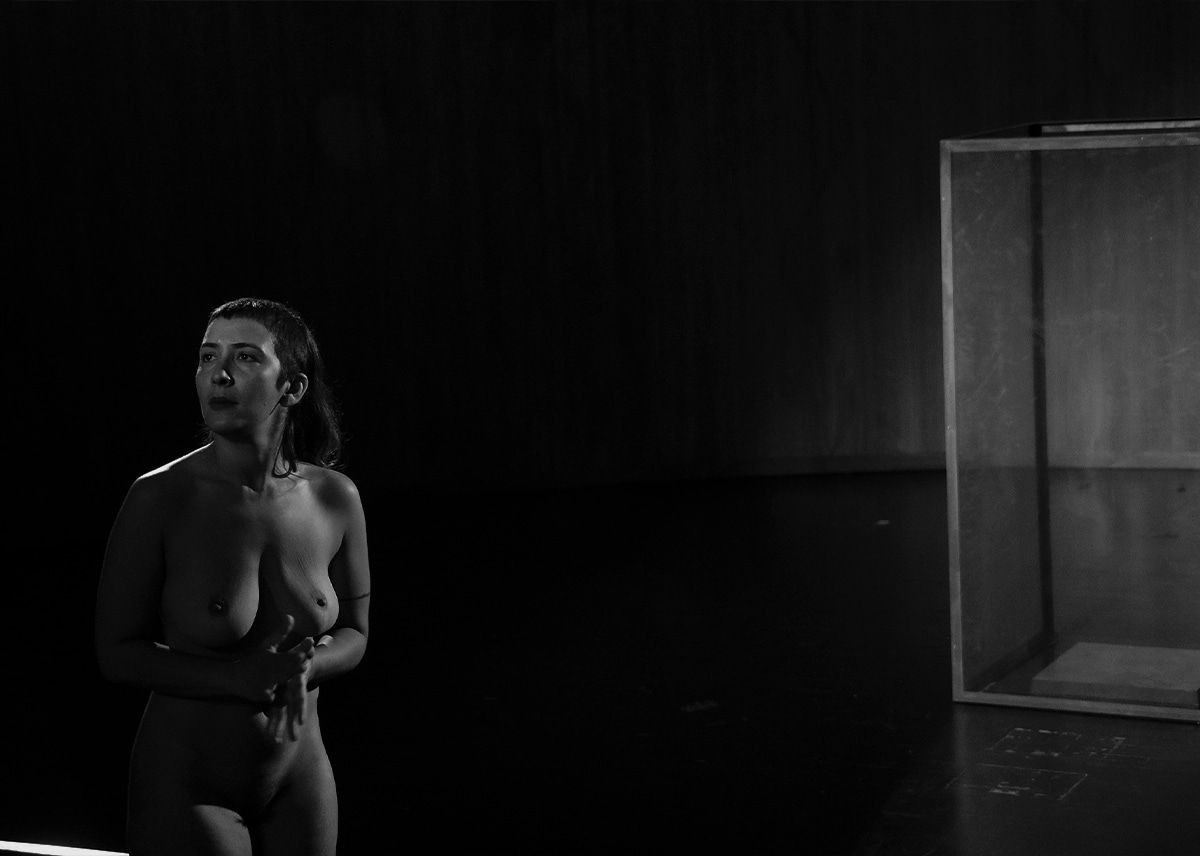
Mahsa Salali’s Naqqāli
'Salali positions the female body... as an active agent'

At Sea
Bearing witness in the face of dismissal
Triage
A response to the endless spiral of worldwide conflict and tragedy
My tomorrow is today
'I clasped my hands together, not in prayer but to stop them from shaking'
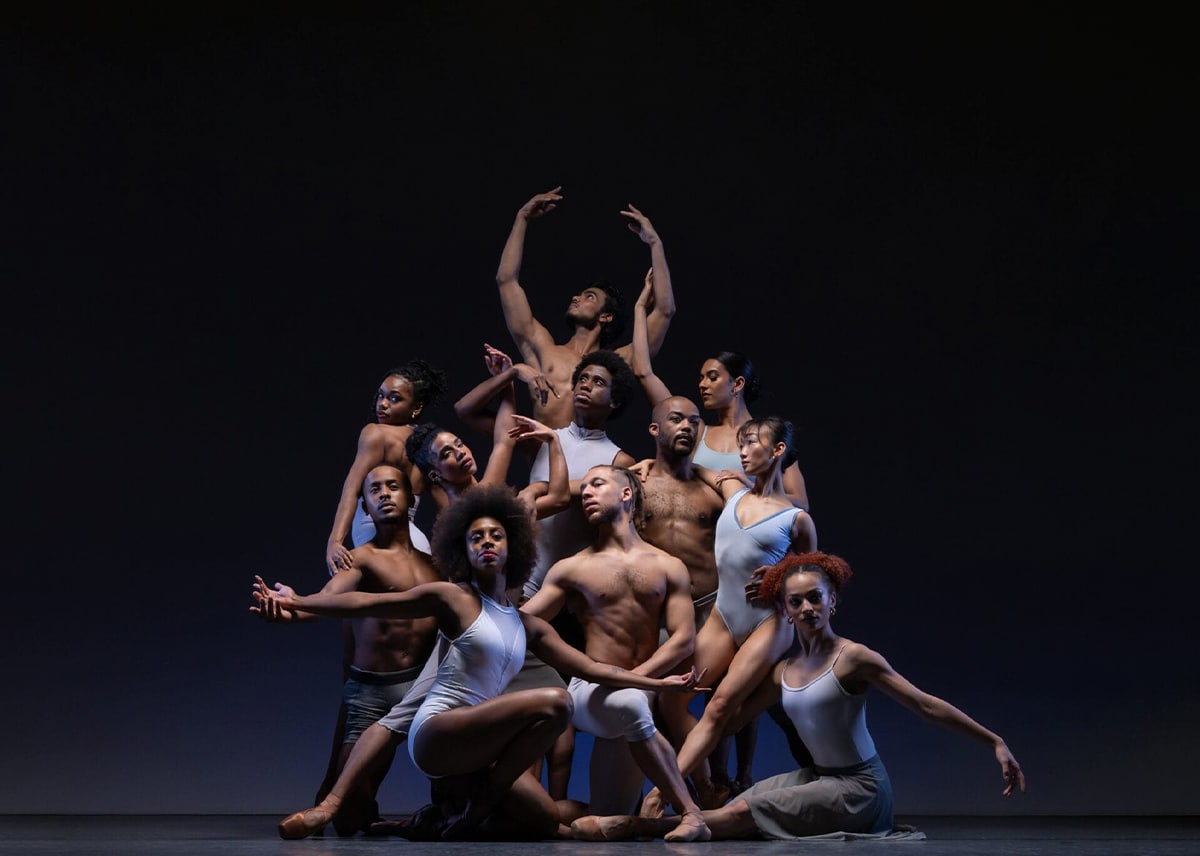
Ballet Black at 25
Cassa Pancho: 'It’s a miracle that we are still here in some way'

Free Will
Will Harris reads his poem, 'Free Will'. Directed by Matthew Thompson and commissioned by the Adrian Brinkerhoff Poetry Foundation.

Half Written Love Letter
Selina Nwulu reads her poem, 'Half Written Love Letter'. Directed by Matthew Thompson and commissioned by the Adrian Brinkerhoff Poetry Foundation.

Illuminating, in-depth conversations between writers.
Listen to all episodes
SpotifyApple Podcasts
Amazon Music
YouTube
Other apps

The series that tells the true-life stories of migration to the UK.
Listen to all episodes
SpotifyApple Podcasts
Amazon Music
YouTube
Other apps
WritersMosaic interrogates the notion of ‘staying in your lane’ by asking writers how they attempt to think beyond the parameters of their cultural identity.
Listen to all episodes
SpotifyApple Podcasts
YouTube
In the first series of poems commissioned by Hannah Lowe, six poets explore how ritual gives meaning to our lives.
Listen to all episodes
SpotifyApple Podcasts
YouTube