And the winner is...
After the applause: life, work, and poetry beyond the T. S. Eliot Prize
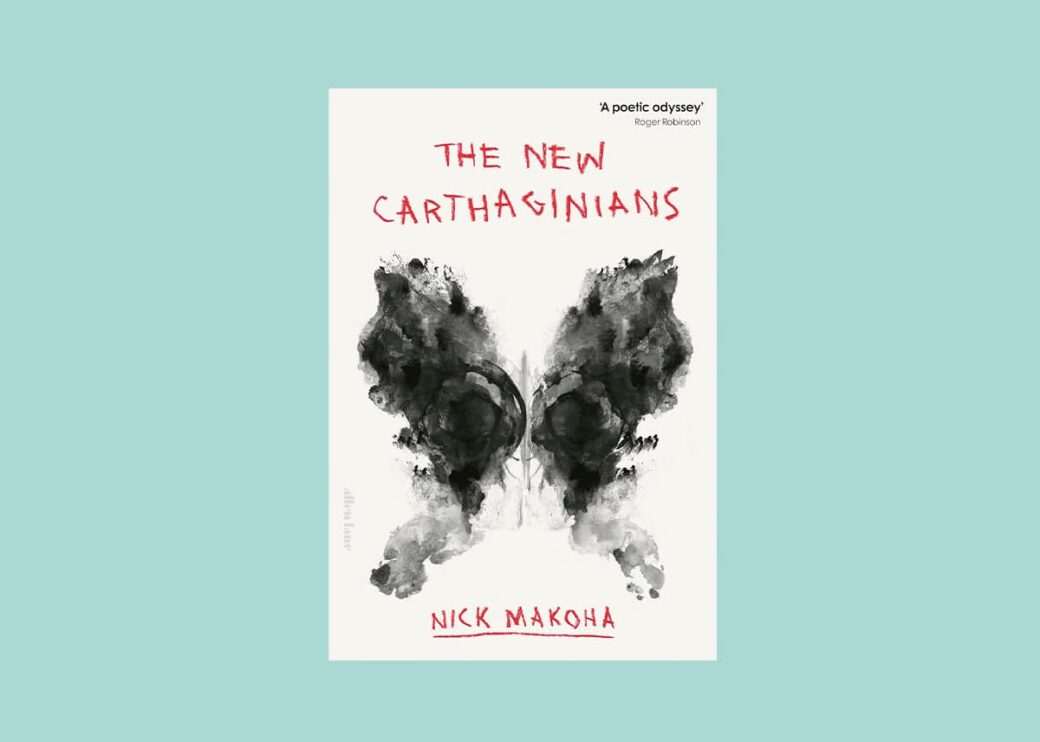
Prizes have a way of compressing time. For years, poets write in private, unseen, unknown; then, suddenly, a shortlist, a ceremony, a name called out, applause, the world leans in. But what happens after the spotlight moves on? How does life settle once the pageantry fades, and the work continues in quieter, sometimes more urgent, ways? The essays gathered here take us beyond anticipation and into that terrain: the world after the T. S. Eliot Prize, where recognition is both gift and responsibility, and where the quiet work of writing, thinking, revising, and risk-taking resumes.
From the moment I first encountered the T. S. Eliot Prize as a young poet navigating the labyrinth of the English literary scene, it struck me as something both improbable and essential. Founded in 1993 to honour the poet T. S. Eliot and to mark the 40th anniversary of the Poetry Book Society, the Prize was conceived as a beacon for excellence in verse, awarded annually to the best collection first published in the UK or Republic of Ireland. Over the past 30 years, the T. S. Eliot Prize has grown into the crown jewel of poetry in English. It has grown alongside seismic shifts in how poetry is written, read and understood. In the late twentieth century, poetry in Britain was often perceived as the domain of a relatively narrow canon of voices that could overshadow the diversity of language, experience and form across the wider world. For many years, initiatives such as The Complete Works development programme (founded in 2007 by Bernardine Evaristo to tackle the underrepresentation of Black and Asian poets in British literature) sought to address underrepresentation in UK poetry by nurturing a new generation of Black and Asian poets, helping to diversify the field and challenge the narrowness of poetic platforms of the past. What the T. S. Eliot Prize has done, by contrast, is provide a public stage for work that might otherwise stay in the margins – work that expands the critical imagination of what poetry can be.
The 2025 T. S. Eliot Prize shortlist revealed a remarkable breadth of poetic ambition and insight, bringing together established and adventurous voices addressing our most pressing cultural and ecological concerns; what follows reflects my own response to several of the shortlisted collections that most struck and moved me. Karen Solie’s Wellwater, the eventual winner, offered an unflinching, formally rich engagement with human-made hazards and the natural world, blending honest observation with a striking, often wry lyric presence. Paul Farley’s When It Rained for a Million Years bent time into poetic enquiry, folding geological and personal histories together to reflect on memory, landscape and the slow rhythms of environmental change, while Sarah Howe’s Foretokens interwove personal history, family narrative and psychoanalytic inquiry to create a deeply layered meditation on clutter and meaning. As one of the poets shortlisted for the 2025 Prize, I also began to think about the afterlife of such recognition – how a prize might generate further conversation rather than closure – and in that spirit invited six fellow poets into dialogue, extending the moment of nomination into an ongoing exchange. Together, these collections exemplified how the Eliot Prize continued to elevate poetry that was at once formally daring and deeply attuned to the social, ecological and historical urgencies of our moment.
I’ve invited six poets – all either shortlisted for, or winners of, the T. S. Eliot Prize – to reflect on life after the award, exploring recognition, creativity, and the unexpected pressures and opportunities it brings. Joelle Taylor considers how acclaim reshaped her creative life and community engagement; Ella Frears celebrates the joy and camaraderie of poets together, from pandemic ceremonies to late-night conversations; James Conor Patterson traces early commissions, creative anxieties, and a return to London to sustain his practice; Roger Robinson reflects on the transformative impact of winning and the responsibilities of writing with social purpose; and Hannah Lowe weaves personal upheavals into a meditation on memory, identity, and the spaces that nurture a poet’s work. Sarah Howe’s contribution, strikingly distinct from the others, turns away from the experience of the prize itself to reflect instead on the origins of the collection that was nominated, finding generative inspiration in her mother’s hoarding and her childhood home – a powerful reminder that the deepest currents of a poet’s work often precede, and exceed, the moment of recognition. Together, these essays show that life after the T. S. Eliot Prize is not an epilogue but a beginning: a generative space where recognition, creativity, and community intertwine. The prize amplifies these voices, helping them reach audiences far beyond the small presses and academic circuits where poetry so often circulates. By spotlighting collections that are innovative, emotionally exacting, and politically urgent, it invites the broader public to take poetry seriously, not as a museum relic but as a living, breathing art that speaks to the texture of this moment.
One striking evolution in contemporary poetry is its shift from a single authoritative voice to a plurality of voices. Poets now weave histories into the present, layer myth with critique, and reconfigure language to carry truths that conventional narrative cannot hold. This evolution echoes Eliot’s own restless engagement with tradition and innovation, now enriched by postcolonial, diasporic, queer, ecological, and feminist perspectives.
The T. S. Eliot Prize is not just celebratory; it is catalytic. By highlighting work that might otherwise remain confined to relatively small readerships, it signals that poetry matters not only to poets but to the wider world. For readers unfamiliar with the Prize, its impact is perhaps most visible in the annual shortlist readings, where all nominated poets are invited to give a public reading the day before the winner is announced. Held at the Royal Festival Hall in London since 2010, these events draw audiences of around 2,000 in person and up to 18,000 more online, extending the reach of each collection far beyond its initial publication. The reading becomes more than a prelude to an award night: it is a communal affirmation that the breath of language still matters in an age of algorithmic noise. Each shortlisted poet is recognised not only for craft but as part of a wider cultural dialogue about memory, justice, identity and imagination.
The impact of the prize extends into education. Workshops, anthologies, readings and schools programmes cultivate new readers and writers, encouraging especially those from marginalised communities to see their voices as part of a continuum. As Camus wrote, ‘In the depth of winter, I finally learned that within me there lay an invincible summer.’ The Eliot Prize nurtures that summer: it inspires the next generation to read, write, experiment and disrupt, ensuring that poetry remains urgent, alive and generative.
© Nick Makoha
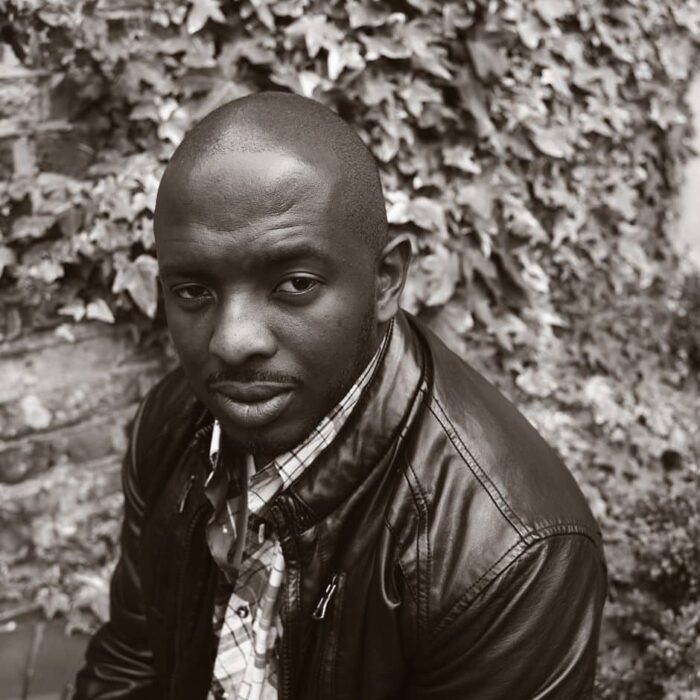
And the winner is...
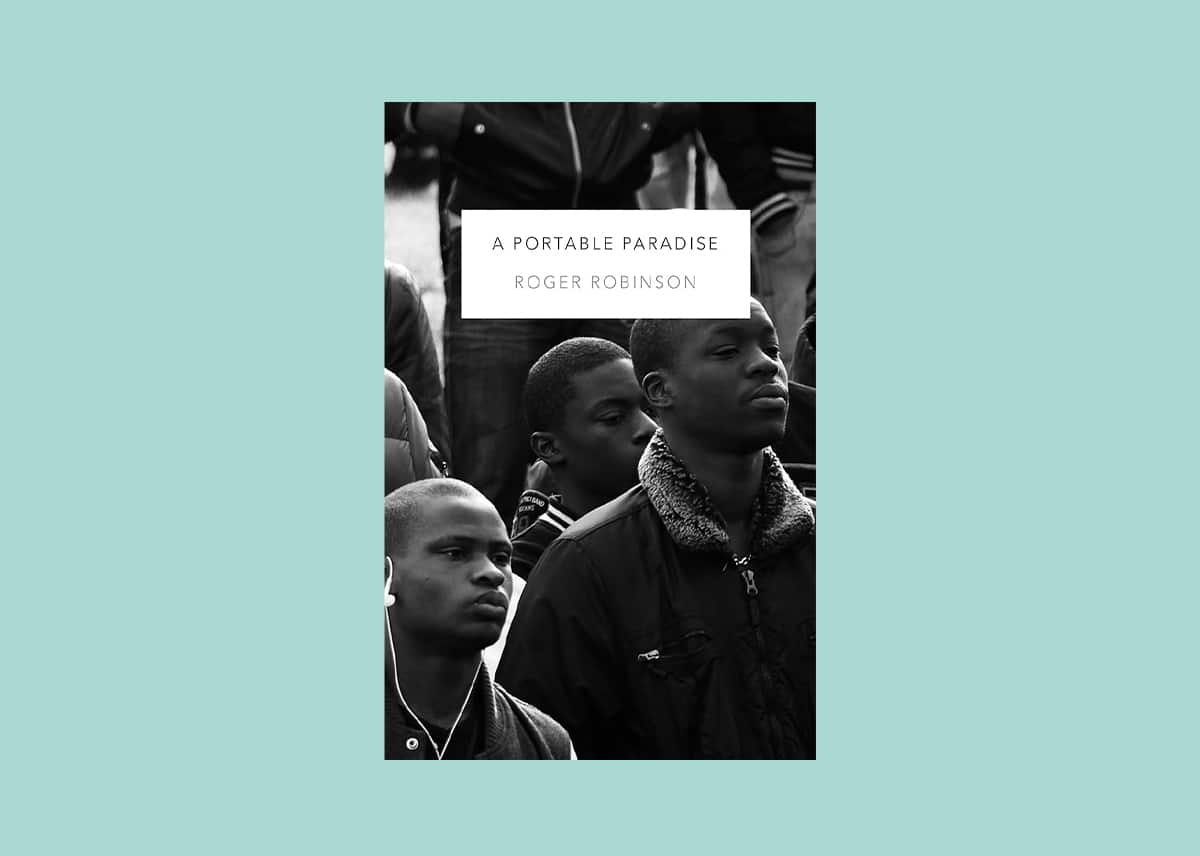
A Portable Paradise, shared
Roger Robinson
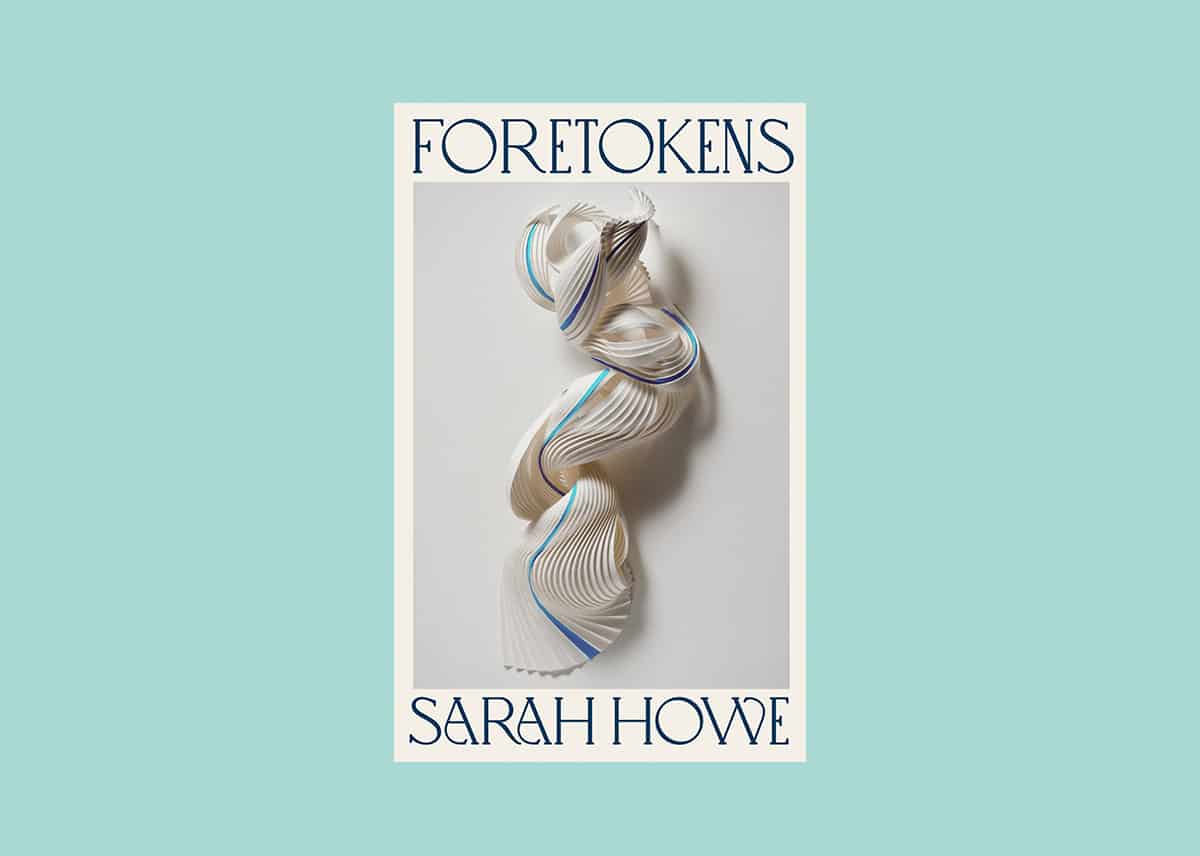
Hoard / Archive
Sarah Howe
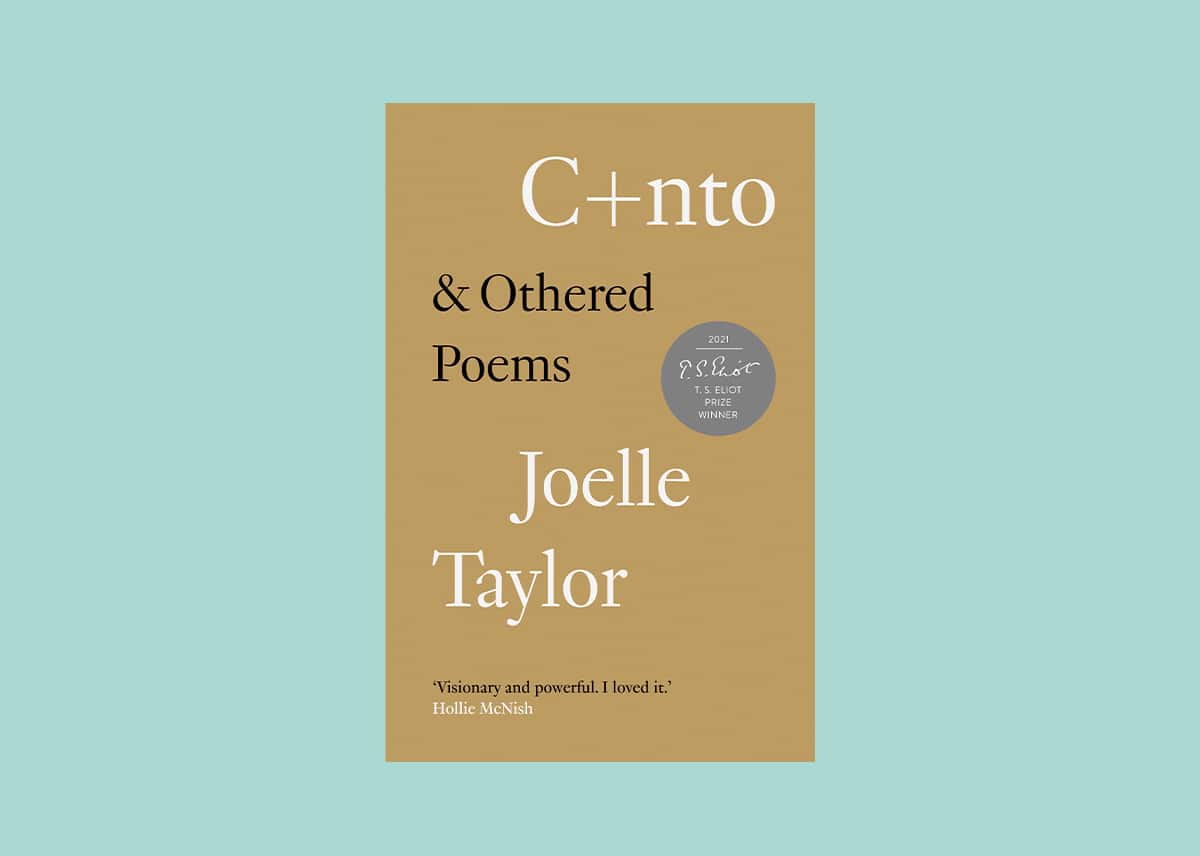
Life after the T. S. Eliot Prize
Joelle Taylor
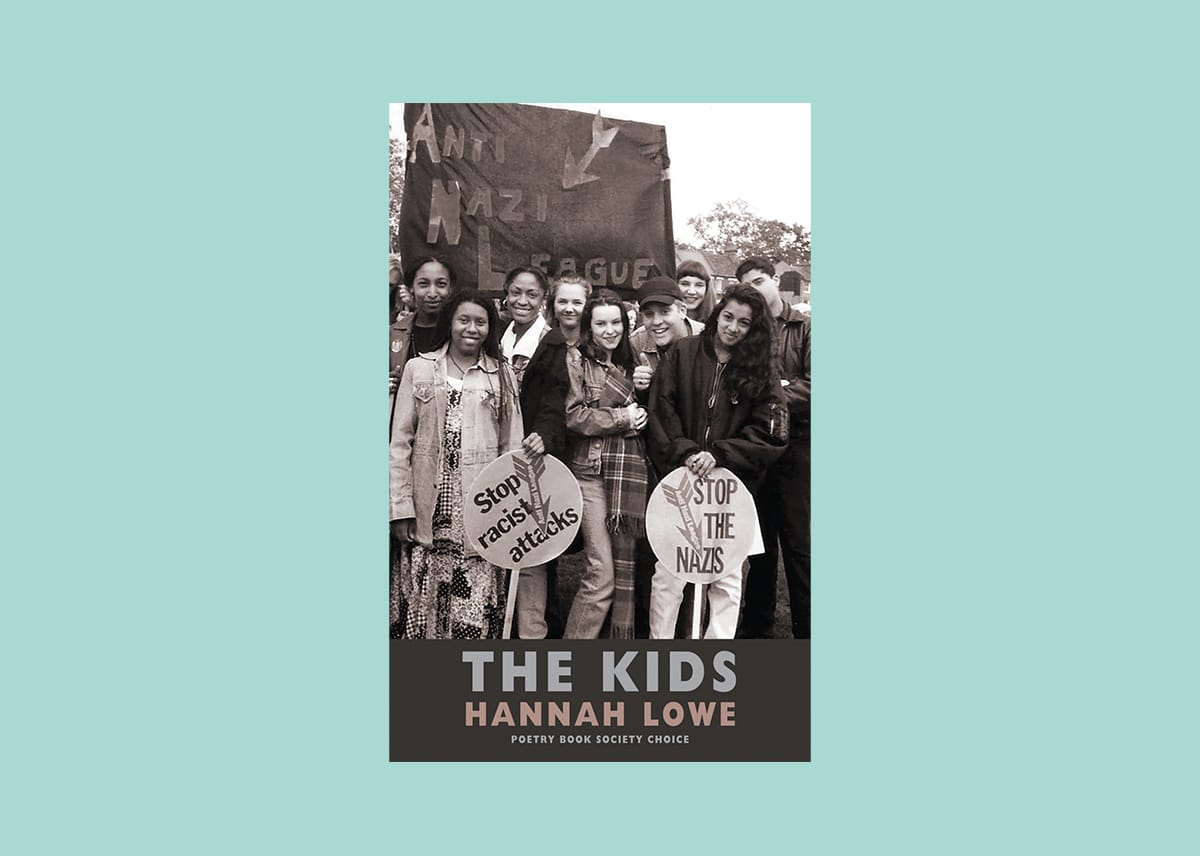
Change of heart
Hannah Lowe
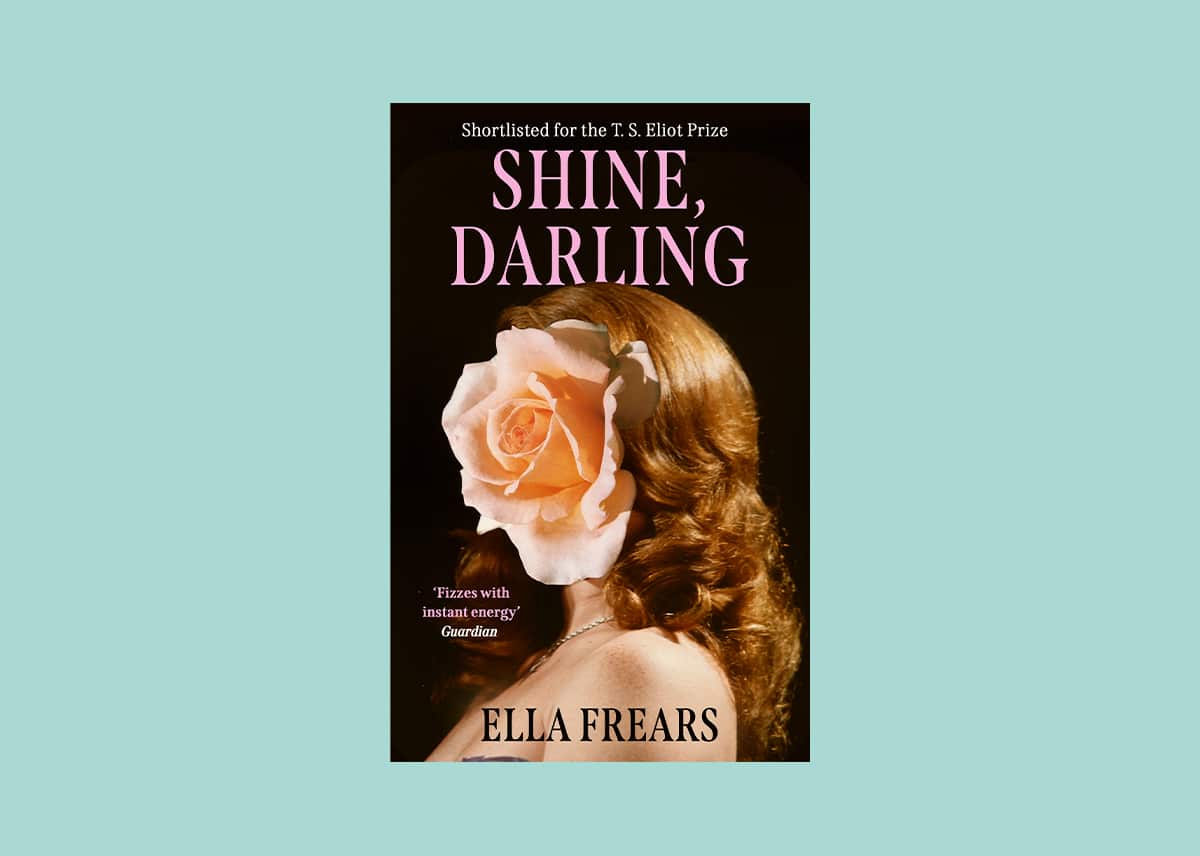
Poets en masse
Ella Frears
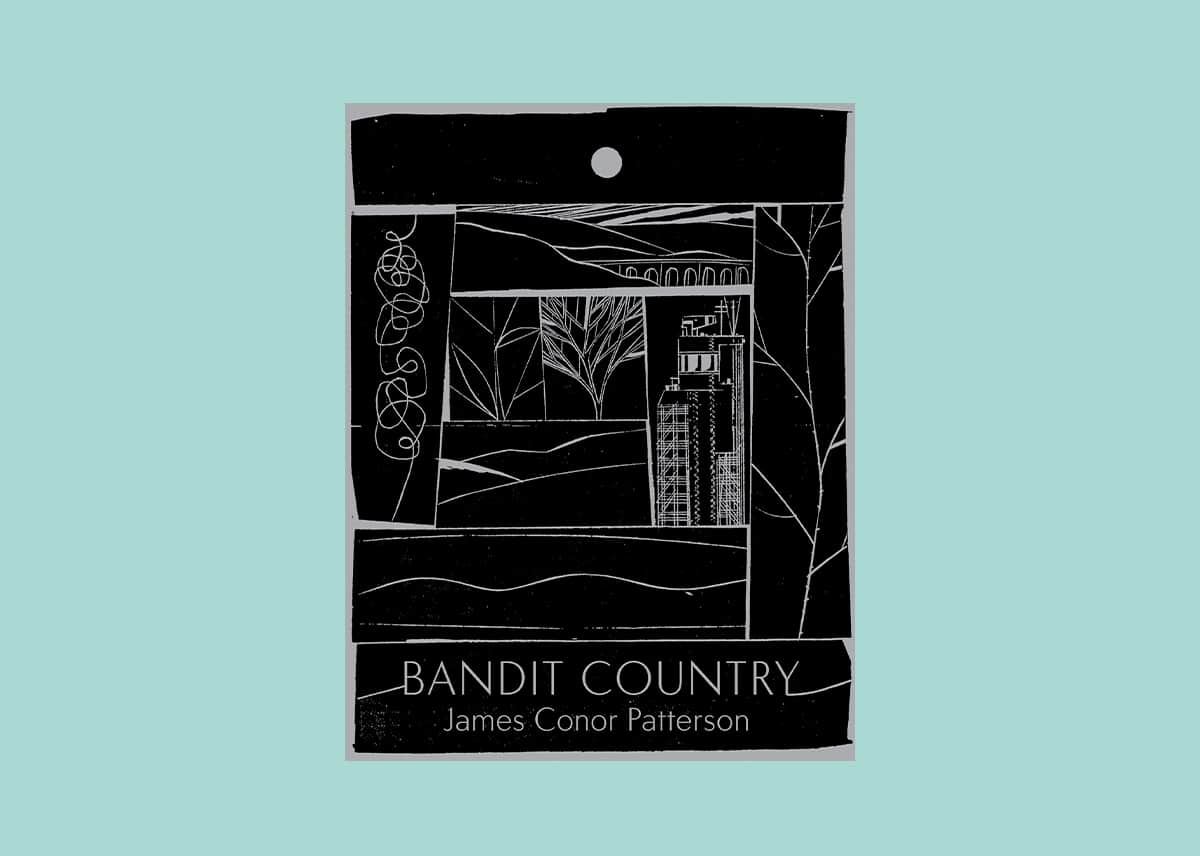
A sort of homecoming
James Conor Patterson
WritersMosaic monthly
Get new episodes by email
One email monthly, unsubscribe anytime

Illuminating, in-depth conversations between writers.
Listen to all episodes
SpotifyApple Podcasts
Amazon Music
YouTube
Other apps

The series that tells the true-life stories of migration to the UK.
Listen to all episodes
SpotifyApple Podcasts
Amazon Music
YouTube
Other apps
WritersMosaic interrogates the notion of ‘staying in your lane’ by asking writers how they attempt to think beyond the parameters of their cultural identity.
Listen to all episodes
SpotifyApple Podcasts
YouTube
In the first series of poems commissioned by Hannah Lowe, six poets explore how ritual gives meaning to our lives.
Listen to all episodes
SpotifyApple Podcasts
YouTube

Free Will
Will Harris reads his poem, 'Free Will'. Directed by Matthew Thompson and commissioned by the Adrian Brinkerhoff Poetry Foundation.

Half Written Love Letter
Selina Nwulu reads her poem, 'Half Written Love Letter'. Directed by Matthew Thompson and commissioned by the Adrian Brinkerhoff Poetry Foundation.
Triage
A response to the endless spiral of worldwide conflict and tragedy
My tomorrow is today
'I clasped my hands together, not in prayer but to stop them from shaking'
Ballet Black at 25
Cassa Pancho: 'It’s a miracle that we are still here in some way'


Ever Land
A layered and haunting view of daily life in occupied Palestine
Mahsa Salali’s Naqqāli
'Salali positions the female body... as an active agent'