And the winner is...
Life after the T. S. Eliot Prize
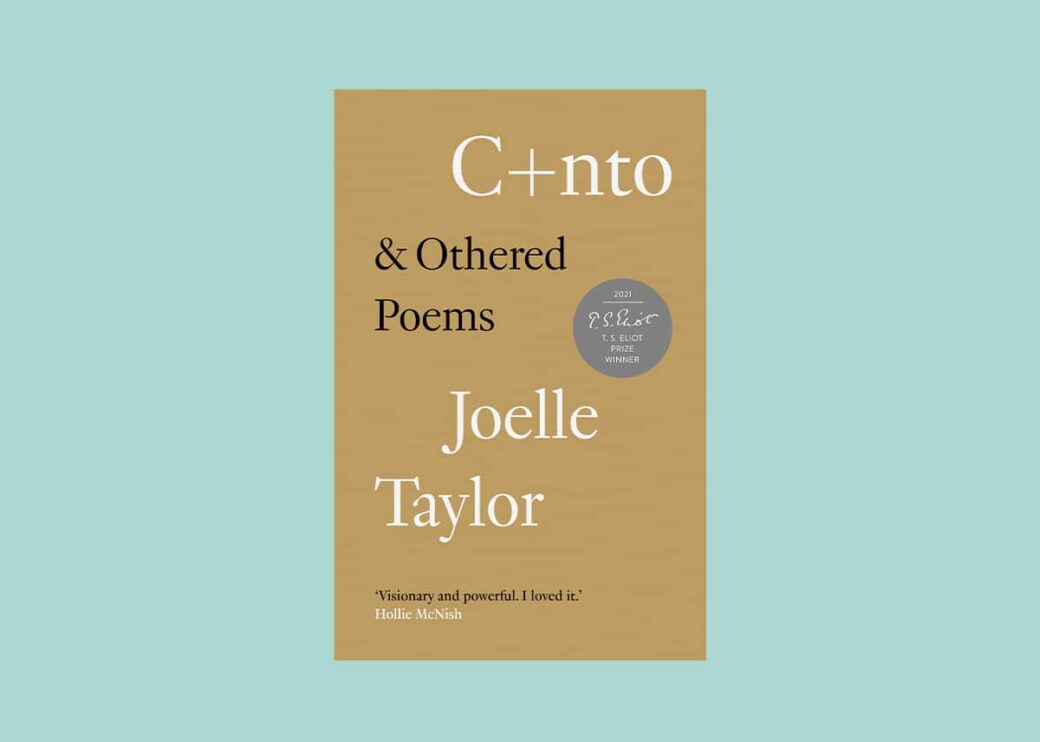
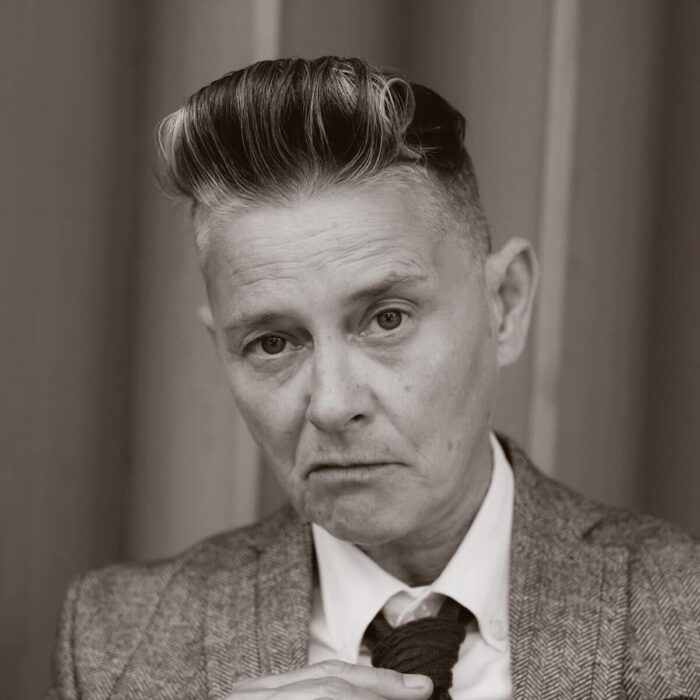
My poetry collection C+NTO & Othered Poems won the 2021 T. S. Eliot Prize. Part memoir and part magic trick, it conjured my dead friends and the ghosts of queer counterculture. It was – to say the least – a niche book.
The question that has haunted me since is whether the door stays open. I think gravity will have its way eventually. I think the pushing never stops. I think the door may have been a window after all. I think winning is currency, less of an honouring for those from marginalised communities and more of a necessity. But it comes with its own ghosts: until I won the T. S. Eliot Prize, I hadn’t realised that it was possible to lose. Remember: there is nothing as open as a closed door.
The experience of winning was like knocking at a door for 30 years, only for a door in a different house to open. It was unexpected, sudden. On the other side of the door were publishing, touring, large-scale projects, masterclasses, translations, and adaptations. On the other side of the door was validity. I was on the other side of the door.
The prize afforded my writing new freedom to experiment – though the risk-averse nature of contemporary publishing limits how far I might take that exploration. Poetry itself is a risk, let alone when we begin to play with what it wants. My risk is balanced with the idea of poetry as purpose, that it expands beyond the page, beyond even our diminishing network of nights. That there is a live and a living version, a project, a masterclass, an opera, even a screenplay. That the poem never ends. It detours.
C+NTO began life as a stage play, the book arriving as a consequence of lockdown, of the solitude and stillness that afforded. It is now returning to the theatre, edging toward a national tour. Imagine that: a poem that sits up and turns to look at you, that has an accent, clothing, a life without you.
The promotion that came alongside the prize was career-changing, overwhelming and thrilling. But being interviewed and published in broadsheets and on the radio had the dual effect of both widening and narrowing my audience. Alongside the poetry community came the queers, raging and remembering.
It is the glimmer of that distinct audience that has allowed me to world-build in my poetry. And that world-building has brought me back to the idea of my right hand as an imaginative rather than confessional one. In other words, having finished describing my world in C+NTO, I wanted to live in it. At the end of last year, I published MARYVILLE, a collection featuring the same characters and location, which asks what would happen if we could haunt our ghosts. Written as a television series spanning 50 years, the poems narratively toss the camera between them, fundamentally questioning the male gaze, considering carefully who is holding the camera and why.
I wrote it thinking of poetry as cinema, wondering whether it was possible to invent a form with that idea at its heart. There are MISE-EN-SCENE poems throughout that actively explore location, lighting, sound, and character in an attempt to find a form that would push narrative forward, to create a book of poems that depend on each other to provoke the reader into turning the page. It is a book of ghosts, but they are always around the next corner.
And the ghosts are some of my closest friends. As writers, we have the privilege of never allowing anyone to die, not really. We reinvent them daily; they line our shelves and stare at us from our morning coffee cups.
I continue to push the door. Poetry is political. Prizes are political. Who judges them is political. Who owns them is political. Absence is political. I will never stop agitating art; whether it responds is an open question. When we only have prizes as a way of promoting poetry, the whole artform suffers. We would not need prizes if books received equitable attention, if we valued them. In other words, prize culture is born from a sense of loss.
Winning itself becomes a kind of mantra. You repeat it to yourself like others list saints. It is a religion. But how do we recover from success? If something I write doesn’t win something, does that mean that it has lost? Success brings fear. The greatest challenge after winning has been to reconnect with the bones of my writing, to feel its breath again, its muscularity bothering the page. A full stop is what winning really looks like. The one at the end of the book, the film, the opera. This essay.
© Joelle Taylor
And the winner is...
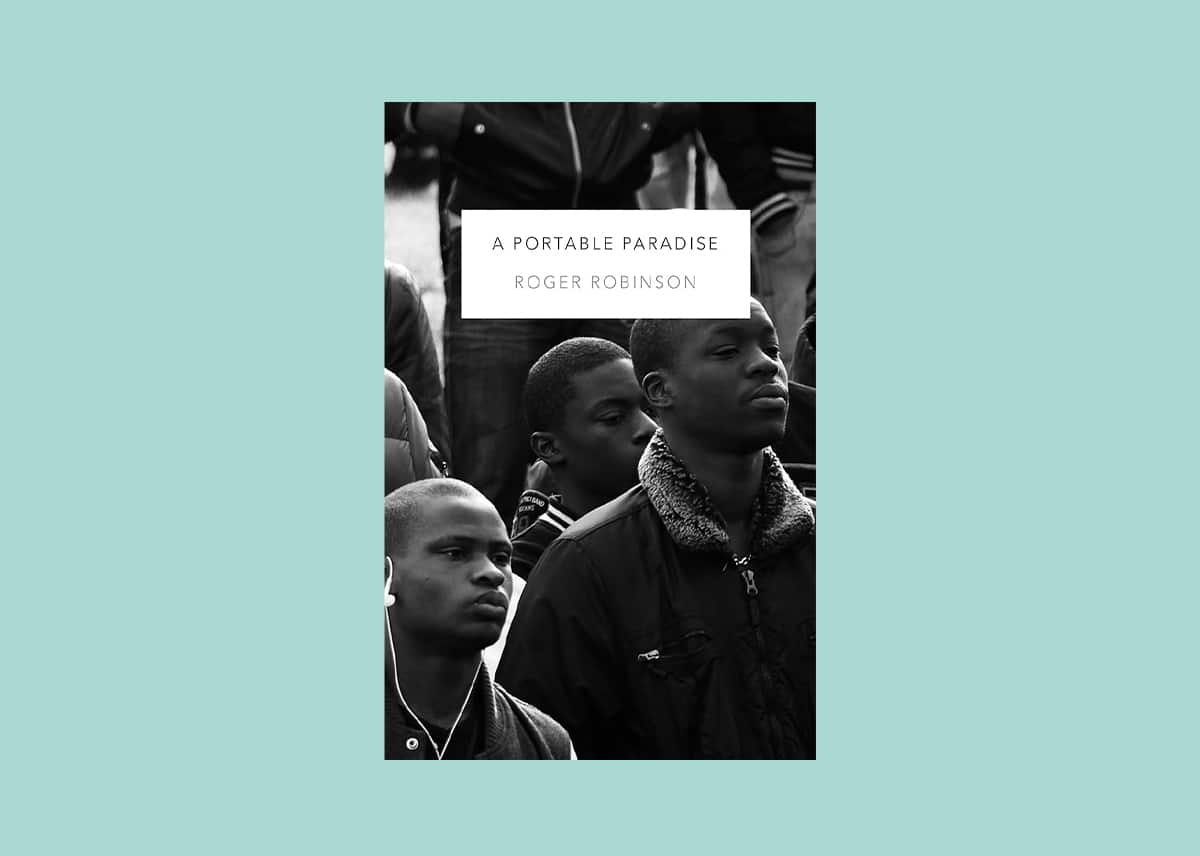
A Portable Paradise, shared
Roger Robinson
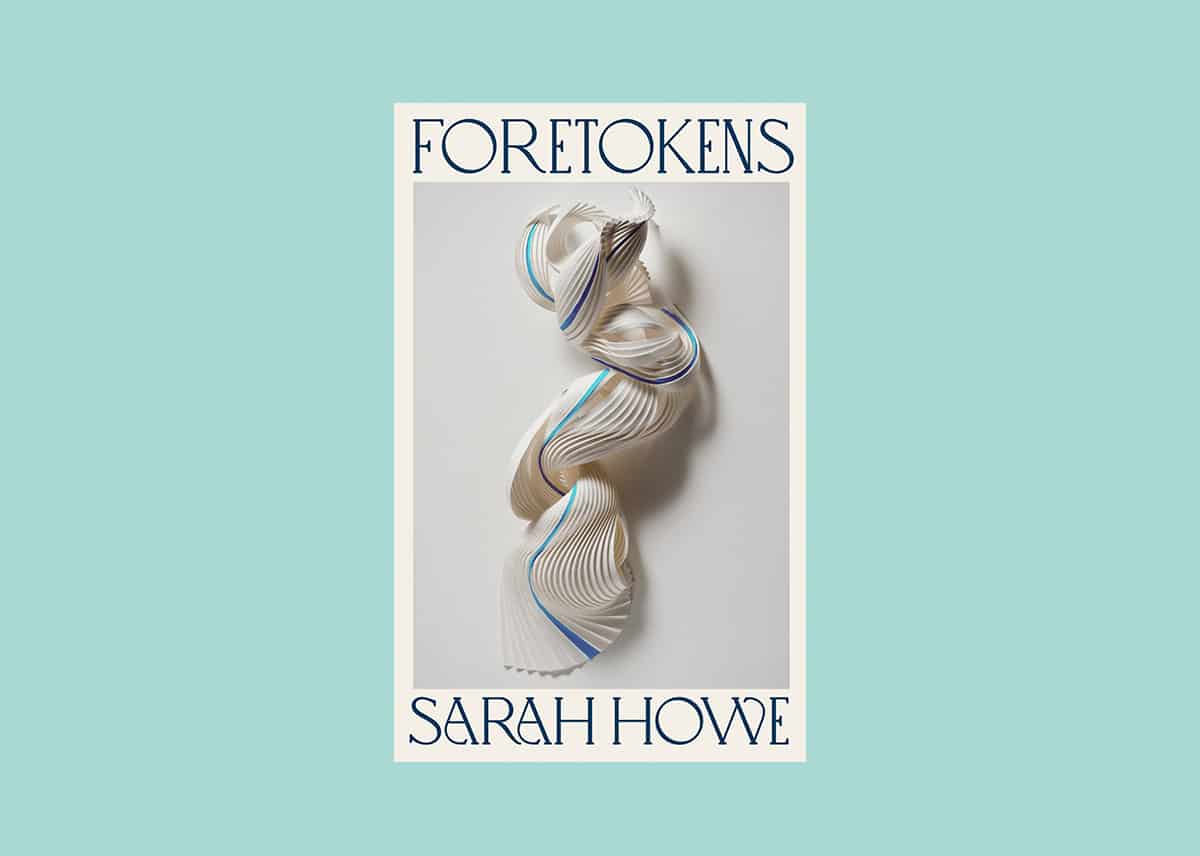
Hoard / Archive
Sarah Howe
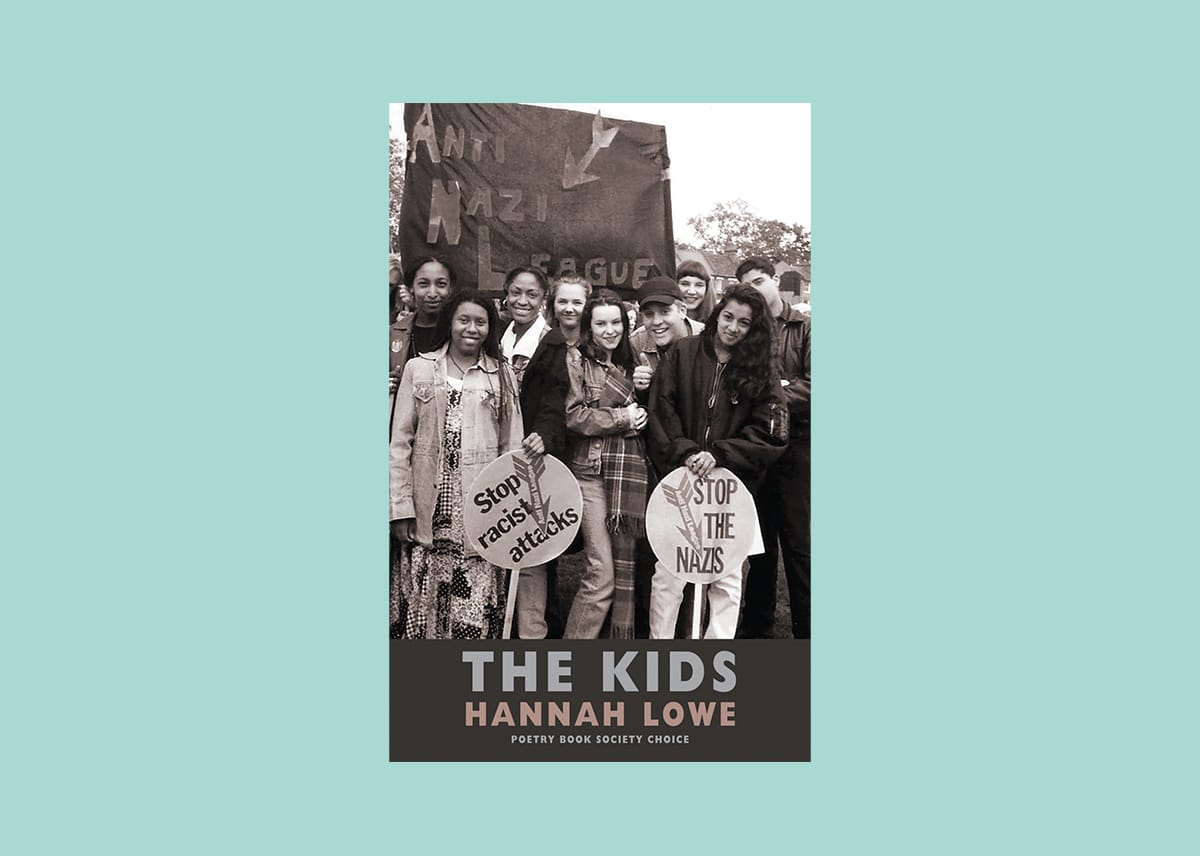
Change of heart
Hannah Lowe
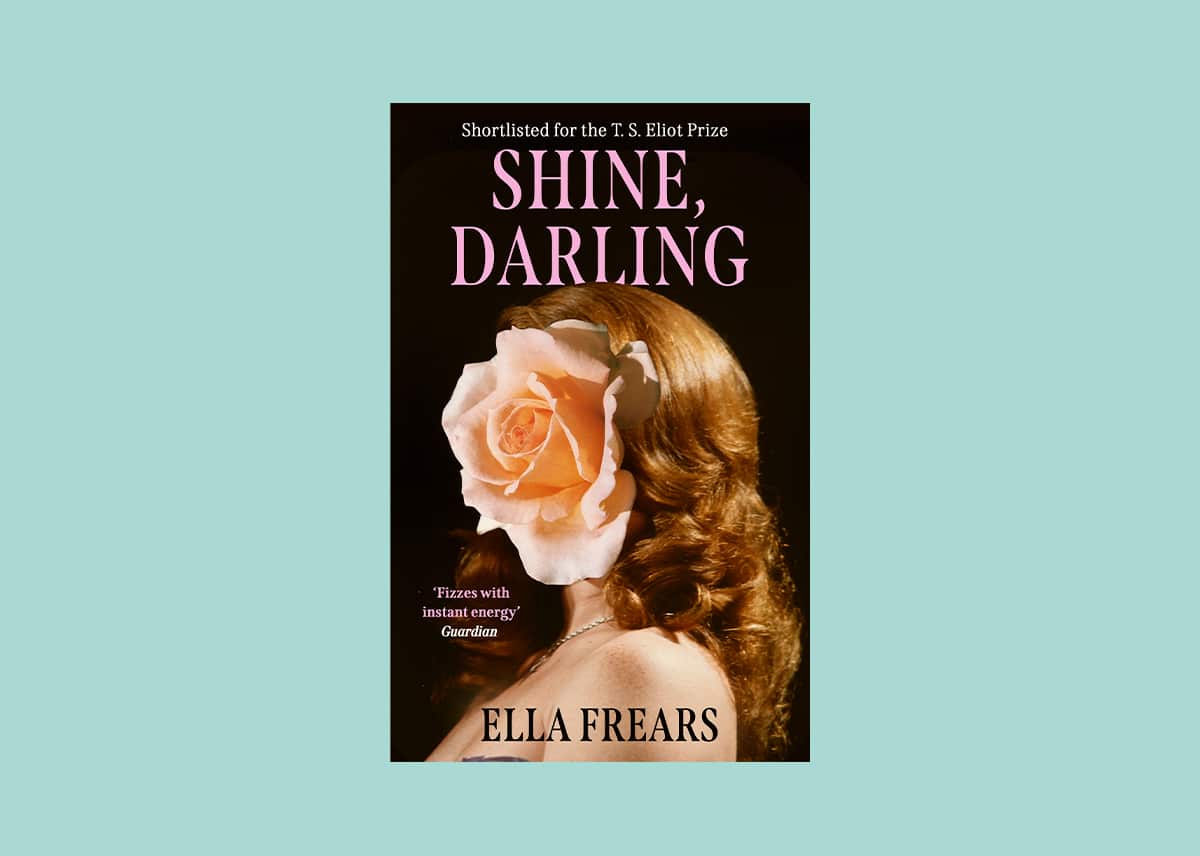
Poets en masse
Ella Frears
A sort of homecoming
James Conor Patterson
WritersMosaic monthly
Get new episodes by email
One email monthly, unsubscribe anytime

Illuminating, in-depth conversations between writers.
Listen to all episodes
SpotifyApple Podcasts
Amazon Music
YouTube
Other apps

The series that tells the true-life stories of migration to the UK.
Listen to all episodes
SpotifyApple Podcasts
Amazon Music
YouTube
Other apps
WritersMosaic interrogates the notion of ‘staying in your lane’ by asking writers how they attempt to think beyond the parameters of their cultural identity.
Listen to all episodes
SpotifyApple Podcasts
YouTube

Marlon James: a Jamaican reckoning
'A return to a home I barely knew'
The name of this wallpaper is ‘Childhood’
A luminescent bubble of memory
What’s in a feminist? Holding on to Gloria Steinem
Is Gloria Steinem's feminism still relevant today?
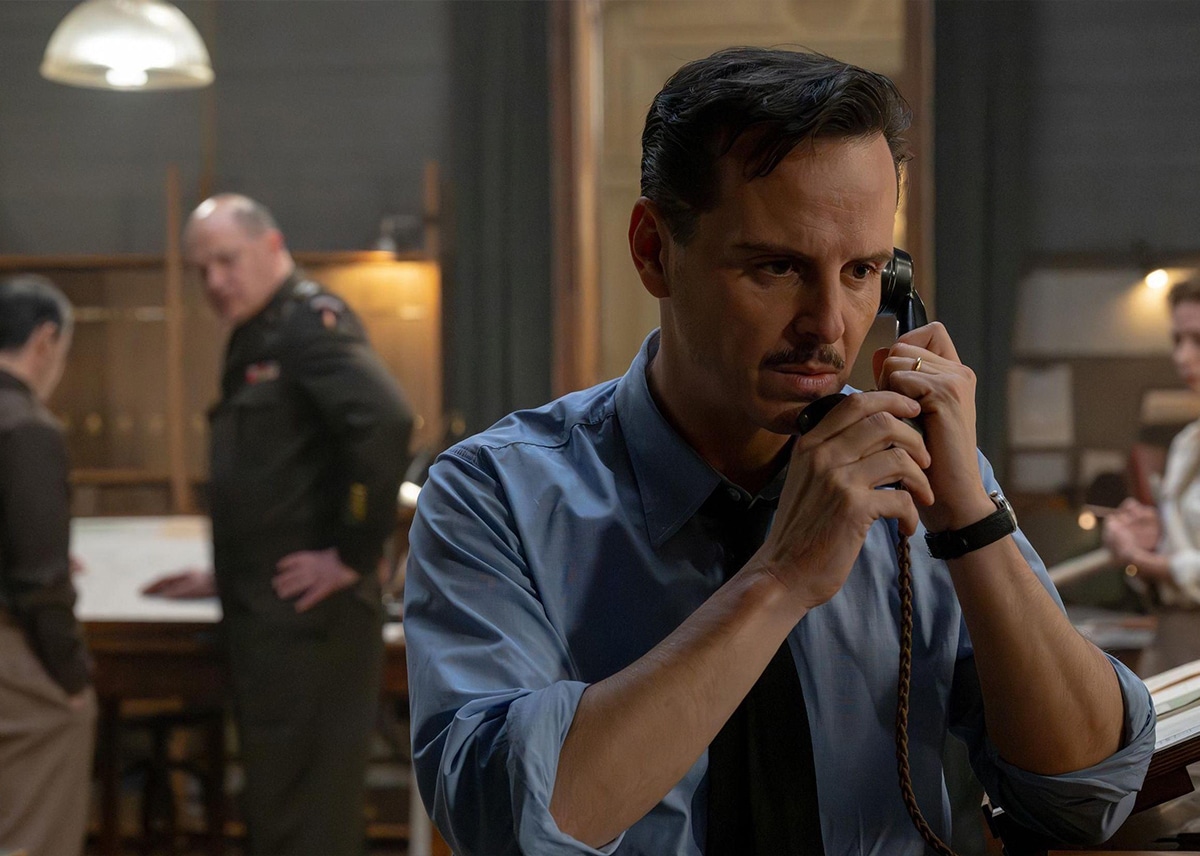
Pressure
What's missing from the latest 'untold story behind D-Day'?
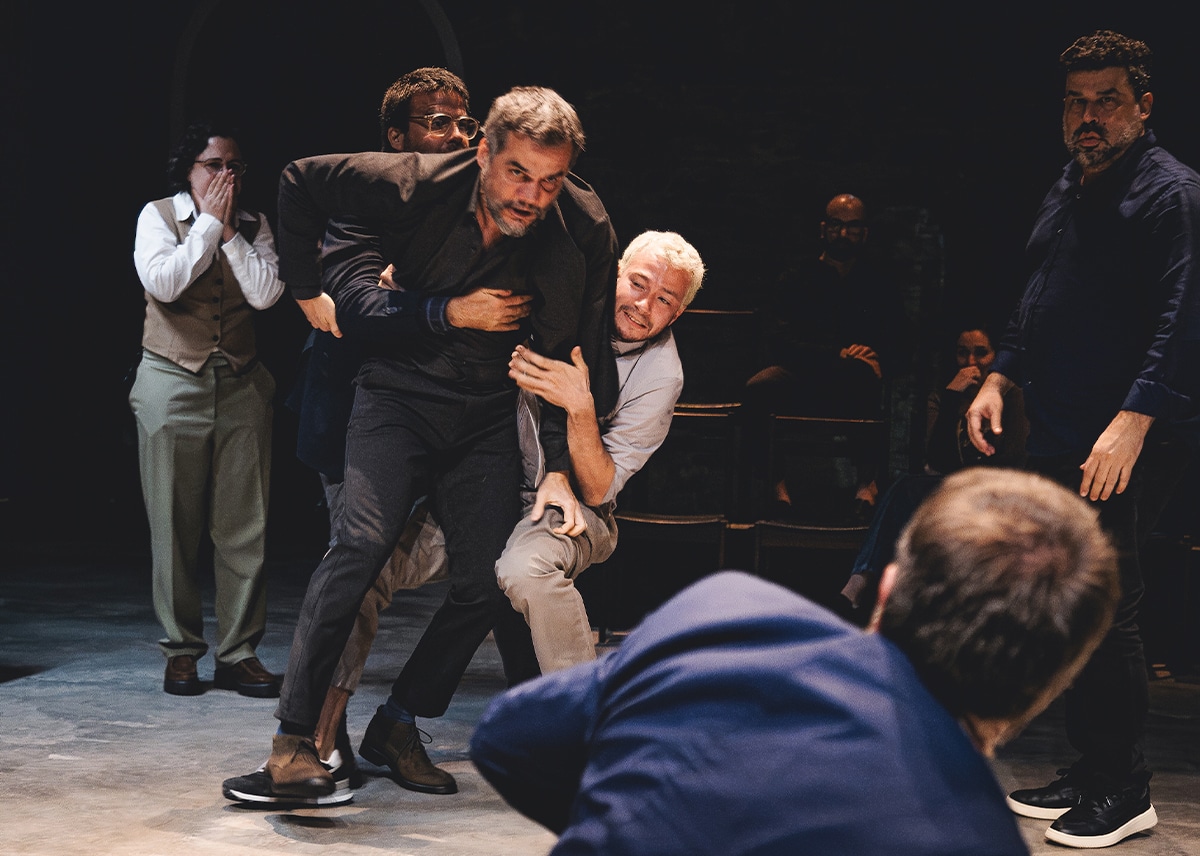
A Trial
An examination of theatre’s complicity in post-truth politics