And the winner is...
A sort of homecoming
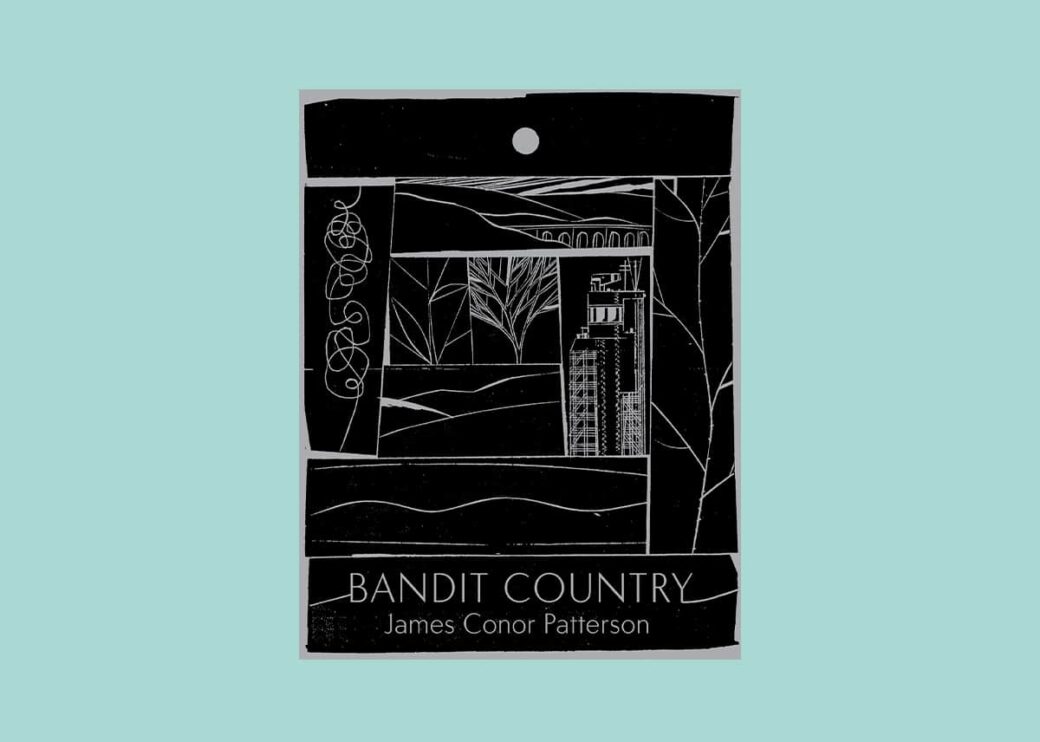
I thought I was done with London. A few months after I was nominated for the T. S. Eliot Prize, my wife and I left England and made a go of settling back in Belfast. It felt like victory. Like we were finally on the fast track to accepting middle age and carving out a niche among the comforts of home. I half-expected to return as a hero, or at least to friends and family congratulating me for having conquered my ambition of being nominated for a major poetry prize – the major poetry prize – and on my first foray into publishing.
How deluded I was. How filled with hubris and unearned anticipation that some validation from my peers would absolve me of personal growth. I thought that I’d been elevated to the status of wunderkind. I anticipated emails, floods of messages and unsolicited phone calls, with job offers from universities, literary festivals and the prestige pages of magazines and newspapers. I probably thought that I’d have the Nobel committee on the blower and began to approach my life as if its remainder was a known quantity.
And for a while, the commissions came. Over the course of that first year, I was asked to participate in a writing project for a photography gallery in Liverpool; I judged a poetry competition, delivered workshops, completed a month-long residency in Berlin and performed at numerous festivals around Britain and Ireland. The work came so thick and fast that I even took the premature decision to leave my full-time job as a copywriter. Surely, now that my book was known about, I could finally take my place and start jobbing as a poet.
The reversion back to Belfast also brought about some unanticipated lifestyle changes. My wife and I thought we were prepared for a slower pace, but found that there are only so many times you can keep going back to the same hipster coffee shop, the same bar, the same restaurant, before the novelty wears off. We saw less and less of our Belfast friends, perhaps because our sudden proximity to them made us more complacent. What we had imagined as familiar soon became suffocating, and it wasn’t long before both of us were dreaming about London again.
What no one told me then – what I now know from bitter experience – is that you’re only as good as your next move. Inevitably, gentle probes into whether I was producing anything new began filling up my inbox, and I realised with a kind of terror that I would be required to bottle lightning twice. It might even become the expectation to keep reproducing that illusionist’s trick, like Hugh Jackman in The Prestige, driving himself mad trying to replicate his more talented rival.
There was an abortive attempt to write a follow-up poetry collection. Then another. Each time, I came to my publisher with another derivative of my first book, and each time I was told that I was not yet ready. I felt depressed. It dawned on me that history’s battlefield must be littered with the corpses of one-trick ponies and that if I didn’t want to die among them, I’d have to do the impossible. I started reading again. I began experimenting with formal techniques and came to the conclusion that there was no workable substitute for sitting down at a desk.
In the end, all that was really left for me was to return to London. The commissions started drying up, and my wife and I reasoned that we would have a better chance of finding long-term, sustainable work if we came back to the centre of things. It wasn’t an easy decision. We knew that we’d be sacrificing the safety and familiarity of home in favour of some chance proximity to the playmakers of culture. Wherever we happened to settle, we also knew that this move would be our last.
It still feels too early to tell whether that was the right call to make. What I do know is that, by appreciating everything I’ve come through over the past couple of years – especially with regards to the rollercoaster of the Eliot nomination – I am now turning out some of the most urgent, honest poems of my career. I hope you agree. Perhaps, if I’m lucky and the stars continue to align, I can board that ride again and know more fully what to expect.
UNEMPLOYMENT
An hour to rise from my pit (on a good day) with my boxer shorts twisted like a sumo’s mawashi and the mudsmell of coffee wafting up from your office—where you’ve been locked in since eight, breadwinning for two—I scoop the rheum from my eyes and mark my book with a blister pack, before lifting my jeans from this pile on the chair… I’m trying to get better at this; trying to match your enthusiasm for these dark winter mornings, when my only real prospect is to send out CVs and hope—with no blueprint—to field some rejections, boilerplate in their rooms of white matte and Serif: We regret to inform you and you haven’t been shortlisted like strophes from a tragedy which ends with my eyes gouged.
Listen to a reading of ‘Unemployment’ here
© James Conor Patterson
And the winner is...
A Portable Paradise, shared
Roger Robinson
Hoard / Archive
Sarah Howe
Life after the T. S. Eliot Prize
Joelle Taylor
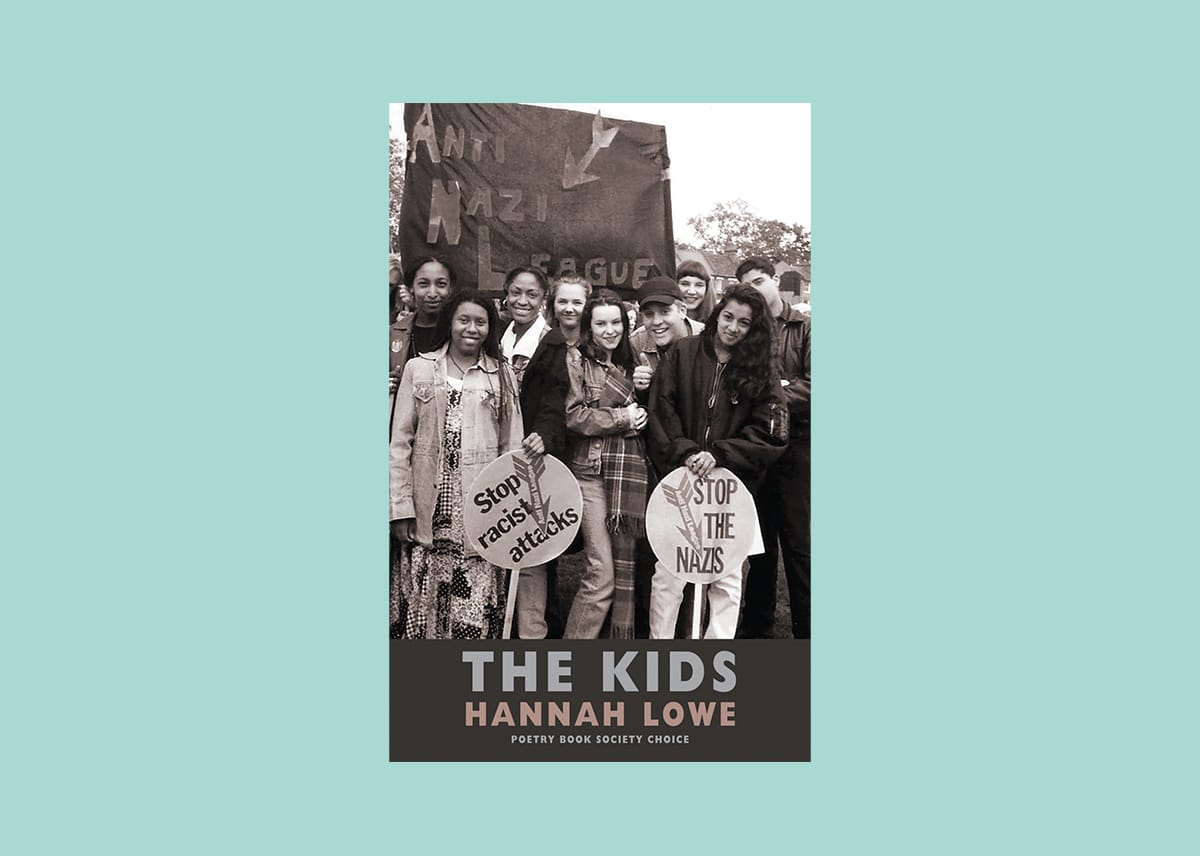
Change of heart
Hannah Lowe
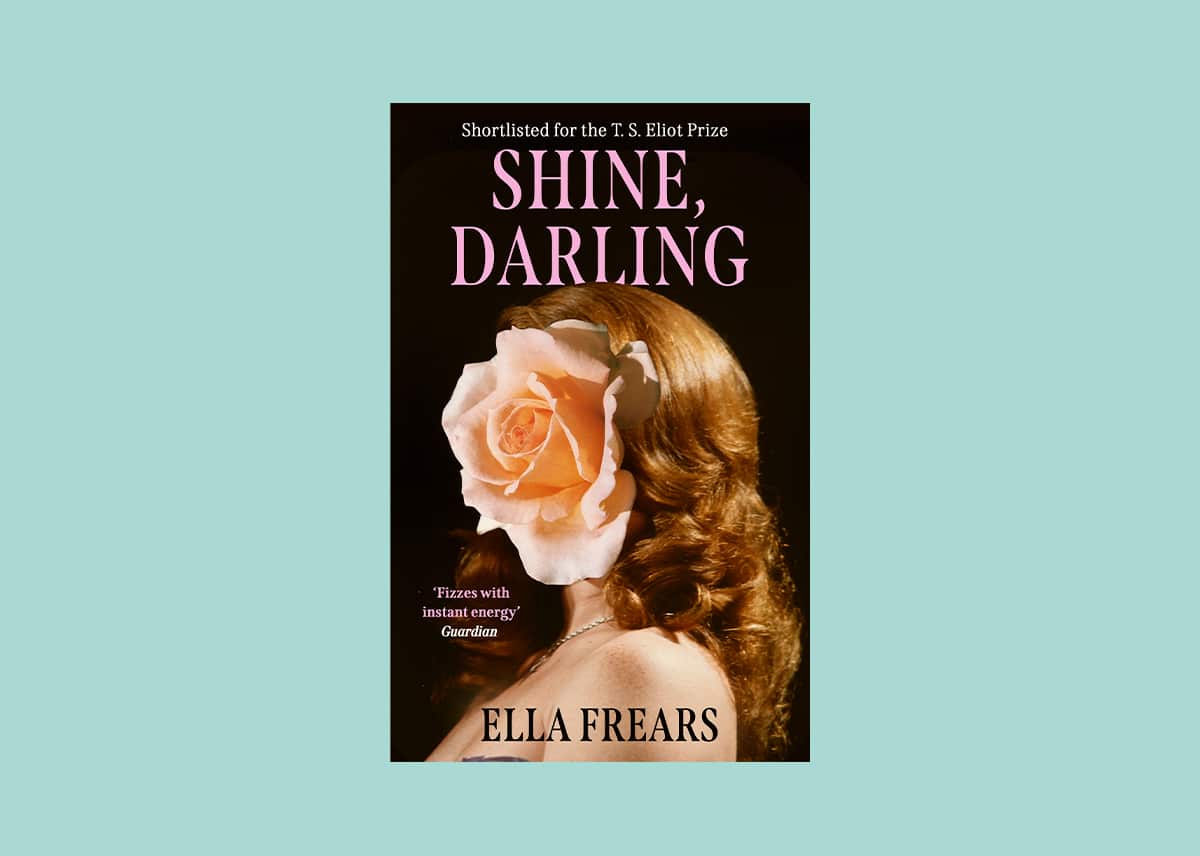
Poets en masse
Ella Frears
WritersMosaic monthly
Get new episodes by email
One email monthly, unsubscribe anytime

Illuminating, in-depth conversations between writers.
Listen to all episodes
SpotifyApple Podcasts
Amazon Music
YouTube
Other apps

The series that tells the true-life stories of migration to the UK.
Listen to all episodes
SpotifyApple Podcasts
Amazon Music
YouTube
Other apps
WritersMosaic interrogates the notion of ‘staying in your lane’ by asking writers how they attempt to think beyond the parameters of their cultural identity.
Listen to all episodes
SpotifyApple Podcasts
YouTube

It’s being published I get paid for; the writing I would do for free
‘Any advance [...] for your novel is to compensate you for the horrors of being published'
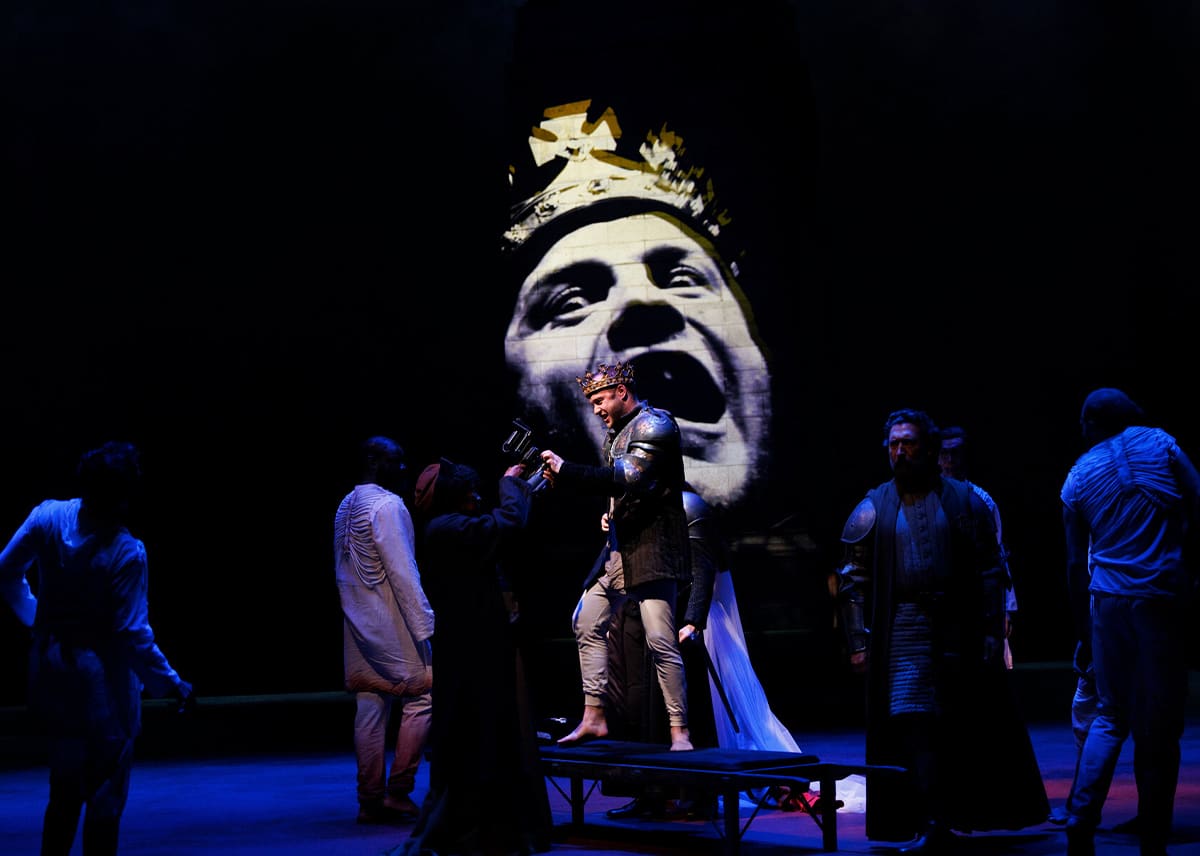
Complex antihero: an interview with Arthur Hughes
Unravelling Authur Hughes' Richard III
Marlon James: a Jamaican reckoning
'A return to a home I barely knew'
Haunting the Black Air
Poetic freedom across space and time
The Disappearers
A sprawling visceral experience that drops you in head first