
Complex antihero: an interview with Arthur Hughes
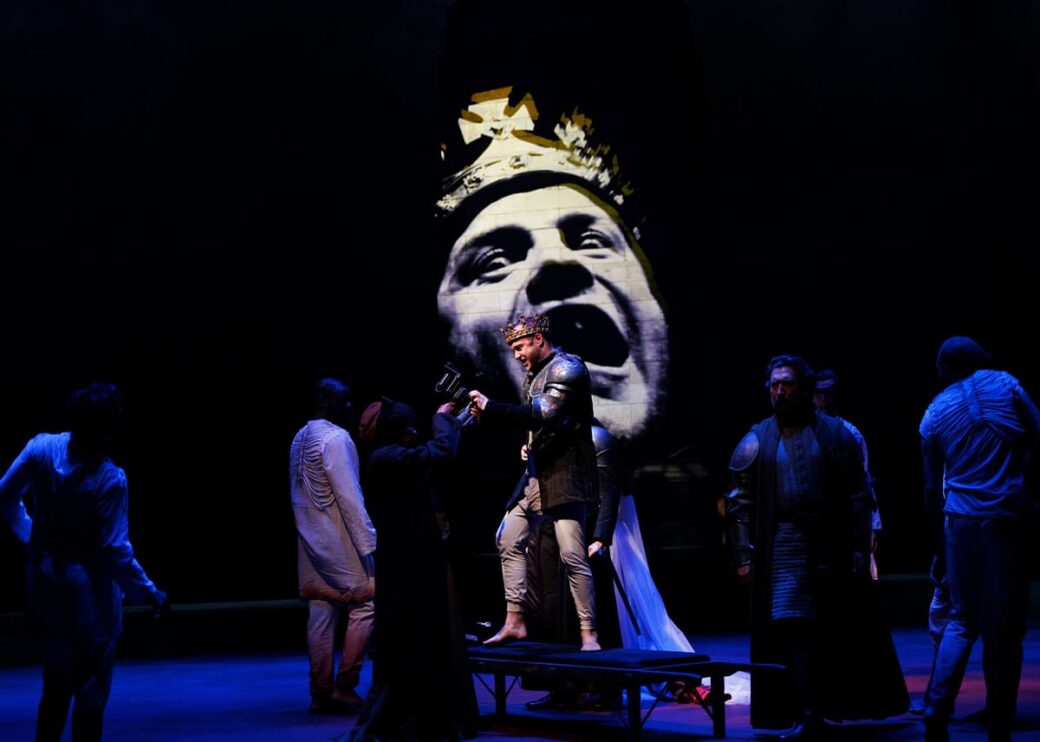
In June 2022, I spent three nights in a row in the Royal Shakespeare Theatre in Stratford-upon-Avon, watching and rewatching and re-rewatching Gregory Doran’s production of Richard III. People are generally surprised to hear it’s my favourite Shakespeare, perhaps because I tend to sum it up as ‘the story of a power-grabbing megalomaniac who systematically kills his family on the path to absolute power.’ Yet, there is something magnetic about Richard, a complexity that kept me returning to the theatre night after night, to see Arthur Hughes perform in the title role.
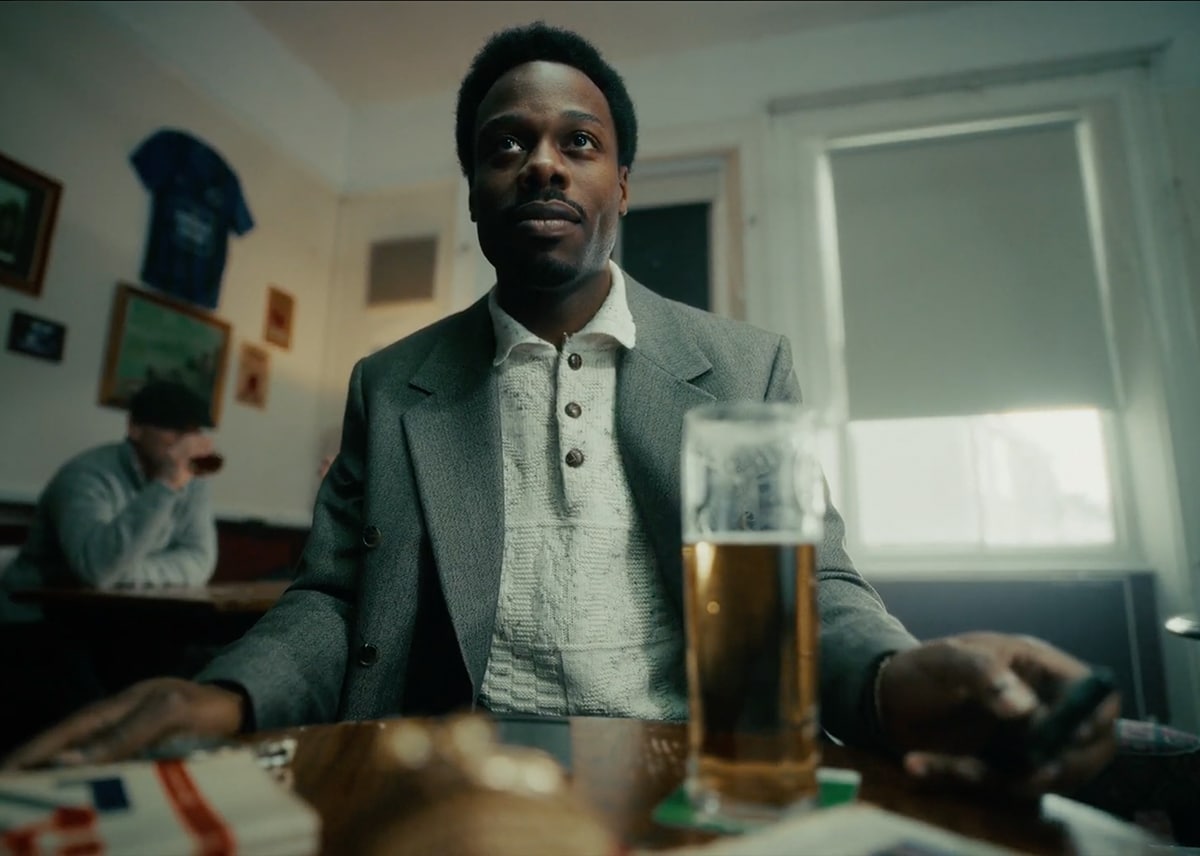
Hughes trained at the Royal Welsh College of Music & Drama before taking on an eclectic mix of roles, including activist Alan Holdsworth in the BBC drama Then Barbara Met Alan, Matthew Shardlake in the Disney+ series Shardlake, Ruairi Donovan in the BBC Radio 4 series The Archers, and Bosola in The Duchess of Malfi at Shakespeare’s Globe. His interpretation of Richard of Gloucester won him the Critics’ Circle Theatre Award in 2023 and marked the first time an actor with a disability played the historically disabled king on the RSC stage. On a summer evening, four years after my first encounter with his Richard, I meet Hughes in Peckham. We sit on a sunny rooftop and study the London skyline as we unravel the character’s many threads and his far-reaching influence.
Raffaella Sero (RS): When did you first meet Shakespeare?
Arthur Hughes (AH): I met Shakespeare on a windy day […] How old was I? Six or seven, maybe eight. I belonged to an after-school club, and I’d done a couple of shows like Oliver! and The Box of Delights, Little Shop of Horrors, then we were going to do an outdoor A Midsummer Night’s Dream. I had a rough idea of who Shakespeare was. I knew most of the stories, without knowing what iambic pentameter was. And then I played Puck and that was it. That was when I first properly knew what it’s like to speak it, to do it. It was with a little drama group called Centrestage, and there was a man who ran it called Chris Amos, who is a huge inspiration for me.
RS: How so?
AH: He was an actor himself. He ran these things for kids. He believed in me and loved me and was a really good mentor and made life exciting. When you went to his classes, his eyes lit up, and he made you go there, you went there with him. And I was happy to go.
RS: And a few years later you played Richard III for the RSC. Even living outside the UK, I grew up with Laurence Olivier’s version of the play. What was your relationship with earlier versions of the character before taking up the role?
AH: Distant. I came to the play first. I read it when I was younger, and I didn’t quite understand it, but I understood I had a connection with Richard as a character. Then I learned about the Olivier version, and I didn’t watch it. I think I just saw an image. My politics weren’t quite fixed on what that was yet, but I remember being like, oh, that’s how people do it, that’s how you do Richard III. It made me keep a distance. While also being very attracted to him, I felt a distance because there were no disabled people in it, there were no people of a shape that I was, doing that. It made me go like, well that’s just one of those parts I probably won’t play, even though I should. I still haven’t seen a whole big production of Richard III. It’s so precious to me, doing it. I’ve kept it almost, I don’t know, virginal. I came to it like it was just going to be me, so I’ve always kept some distance from it.
RS: You also played the title character in the Hulu series Shardlake. His habit of talking to himself reminded me of Richard’s monologues.
AH: Yeah, the books are written in the first person, so you’re constantly in his head. They approached me to play Shardlake not long after I played Richard. I said no originally, because I felt like I was maybe being typecast into a disabled weirdo who talks to himself but who you’re rooting for, with a hunchback […] I’d just done Then Barbara Met Alan and Alan ended up in a wheelchair, and I don’t necessarily just want to be doing that kind of thing. Then they convinced me it’s different. Cause I was like, ‘Am I just gonna play Richard III-type characters forever?
RS: But Alan Holdsworth, one of the founders of the Disabled People’s Direct Action Network, is very community-minded, pretty much the opposite of Richard. Do you think there’s any overlap between the two characters?
AH: I think the difference is Alan has a community. He’s very against the establishment, as is Richard. Richard doesn’t accept his fate. He goes, ‘No, I will take control, I’ll take control of this play, I’ll take control of this theatre, and I’ll take control of every character in it to manipulate them to do what I need them to do to get to where I need to be.’ And Alan is very like, ‘We take it to No.10, we throw ourselves out of our wheelchairs, they’re not gonna listen otherwise.’ Richard pushes it too far, and Alan kind of does that too. He was addicted to the way he ran his activism, which became destructive rather than constructive. So maybe there is a parallel, but maybe that’s not about the disability, it’s just about fighting. Fighting a long fight, you get to a point where you can’t keep going and you start to deteriorate.
RS: There’s one line in Then Barbara Met Alanthat really reminded me of Richard, when Alan says, ‘We fight every battle.’ And that’s also Richard, but Richard is only fighting his own battles whereas Alan is fighting a battle for everyone in the same place.
AH: Yeah, absolutely, and his own battle as well. For his own sake, his relationship, and actually the big thing which is destroying him and Barbara, even though they gave their lives to it. And Richard gives his life to his pursuit of the crown and it destroys him as well. So maybe the common thing is ambition, as in all of Shakespeare’s plays. Ambition can destroy you. It consumes you.
RS: What’s your next dream role?
AH: I started making a list the other day! I’d love to do some Pinter, I always loved Pinter. I did The Caretaker at school. There’s a few roles I really want to do, but I think I’m just too young for them. I need to get a bit older, I think. Tartuffe, Iago. Iago has been on my mind for a long time. It’s another play that I studied at school, and the way I was fascinated by Richard’s duplicity, I was by Iago. I think he’s even more evil than Richard.
RS: Can we really say Richard is evil, when what he’s doing is defending himself against a world that is manifestly wrong and stacked against him?
AH: I think, when you’re killing children—
RS: Ah, that is a good point, yes.
AH: —and your wife.
RS: I always forget about the children, they’re so annoying.
AH: Yeah, little fuckers […] I think there’s some sympathy to be felt, but he gets addicted to power, as most tyrants do. Maybe we can see him as this villain or antihero, but in the context of a world which is corrupted. He’s not the only one.
RS: He’s just the best one.
AH: He is the best one, and the funnest one, the most opportune. You can’t judge him, they’re all over the place. They’re all grasping for power, and every time this vortex of power comes anywhere near him, they’re all sucked towards it and get brainwashed by it. I have sympathy for him and empathy for him, being a disabled person. But yeah, he’s a bad guy.
WritersMosaic monthly
Get new writing in your inbox
One email monthly, unsubscribe anytime
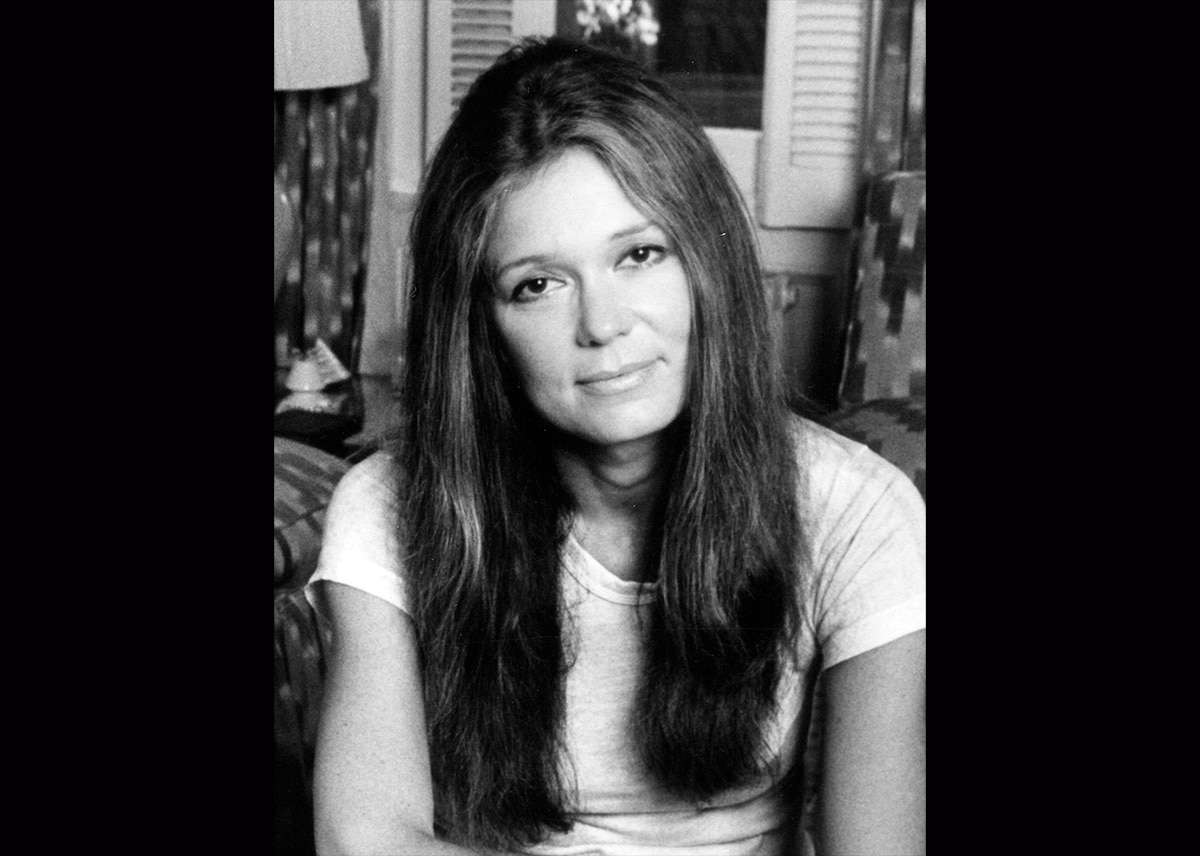
What’s in a feminist? Holding on to Gloria Steinem
Is Gloria Steinem's feminism still relevant today?
Marlon James: a Jamaican reckoning
'A return to a home I barely knew'
The name of this wallpaper is ‘Childhood’
A luminescent bubble of memory
The Disappearers
A sprawling visceral experience that drops you in head first
The Lady Imam
Is the world ready to catch up with amina wadud?
Pressure
What's missing from the latest 'untold story behind D-Day'?


Illuminating, in-depth conversations between writers.
Listen to all episodes
SpotifyApple Podcasts
Amazon Music
YouTube
Other apps

The series that tells the true-life stories of migration to the UK.
Listen to all episodes
SpotifyApple Podcasts
Amazon Music
YouTube
Other apps
WritersMosaic interrogates the notion of ‘staying in your lane’ by asking writers how they attempt to think beyond the parameters of their cultural identity.
Listen to all episodes
SpotifyApple Podcasts
YouTube