
Get in line
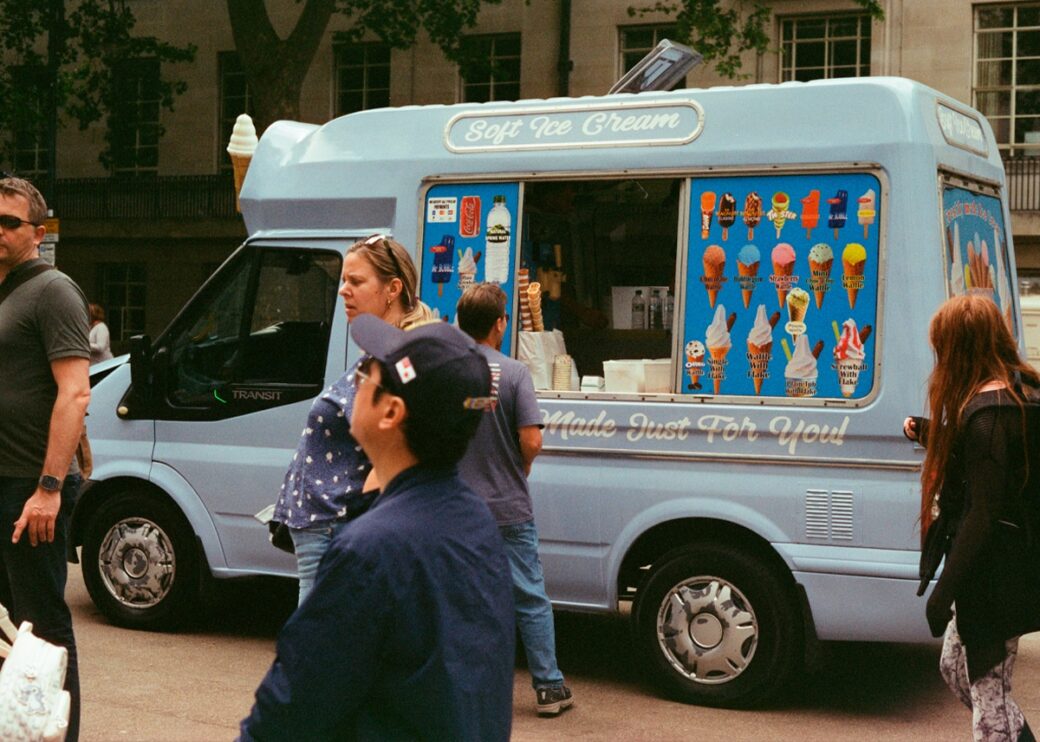
Show me a queue and – as with my favourite GeoGuessr game – I will tell you where in the world it is. I think of a queue as something pregnant with meaning. It is a map legend of a country and its people.
‘Order, order’, thundered Mister Steward
There is something punishing but smug about starting a day at an ungodly hour. I dashed through sleepwalking London, carried along by my pet proverb carpe diem, quam minimum credula postero (Seize the day, putting as little trust as possible in tomorrow). Ticketless, I reached Wimbledon where I would hopefully be watching a tennis spectacle. Instead, another, unlikely spectacle appeared in front of me – his majesty the queue.
It was a riveting sight, masses of people standing in orderly formations in the clinically manicured grass field, with the entrance nowhere to be seen. I overheard people saying that it would be about a nine hour wait for a chance to buy a ticket to enter the tennis grounds. Blimey! That was a full day’s shift at work, and with overtime.
Stewards helped to orchestrate the queue’s choreography by handing out detailed booklets on queueing etiquette and queue cards. My number was 06451. No funny business, no cheating or queue jumping. So civilised, decorous and British, and people seemed to march to the quiet beat of their own drum. They were tooled up with tents, picnic baskets and cosy blankets. Placards were ready: ‘Kiss my Ace’, ‘It was IN’, ‘Hit it until they miss it’. The St John Ambulance’s vans were parked on standby in case someone collapsed under the sweltering skies. Various genres of music, from monarchic to anarchic, merged across the field. It felt like the Glastonbury Festival.
Resembling a grasshopper idling next to my head – yes, in the Wimbledon line you could sprawl on the ground – an idea jumped out of left field. I had a flashback to some of the many queues I had stood in. Santa Clara in Cuba was the first to spring to mind.
Queueing for a grain of hope
‘Mami, you say you want to see something real Cuban? Come with me, I will show you,’ said Yairi, my casa particular landlady, inviting me to join her. Under a row of swaying palm trees, there was a long, neat row of people in front of a shop. You could hear a light chatter about useful tips, advertising and local gossip. Ultimo sounded like an easily hacked password. It meant ‘Who is the last’?
It is a common practice to leave a queue for a while and do other errands, providing you clearly identify your ultimo person. Even Che Guevara, who was reinterred in Santa Clara, would have been impressed with these people, their self-regulation, stainless-steel discipline and determination in reaching their goals.
‘What’s in the shop?’ I was curious.
‘I am not sure, but I heard flour might arrive today. Actually, we always queue just in case anything arrives,’ Yairi explained in a whisper.
Clueless in China and India
In the most populous countries in the world, with well over one billion souls each, I’d claim that a regular queue, like in England or Cuba, doesn’t really work, only the law of the mercurial crowd.
There were only a few people at the platform of Dapuqiao Station in the Shanghai metro outside the rush hour. I stood at the front, minding my own gap. When the train squeaked into the station and the door opened, I was swept into the carriage by a crowd that seemed to appear out of nowhere. With the speed of Superman, they took up their positions. Not a word was spoken or a glance exchanged, just the cold-blooded skill of surviving in a city more populous than an average European country. ‘Might is right,’ I grumbled as I balanced on one foot for the many remaining stops on the overflowing train.
In the Kashi Vishwanath Temple in Varanasi, India, my experience of being a droplet in the choppy ocean of people was not far from the Chinese idea of crowd management. But here I didn’t really feel the biceps or breath of other humans as I was enlightened by the supreme presence of Shiva.
To live and die in a queue
Queue freestyling has seeped into the so-called developed world alongside over-consumerism taking a venomous grip onus. The images of Black Friday shopping floor me every time. No spiritual enlightenment there, just a throng of people wrestling over the last few remaining, heavily discounted bits of stuff. It seems that this form of queuing has been somewhat remedied since Black Fridays, and all other days, have now gone online and the queue has been digitised. But you still can’t digitise a tight race in the ‘sunbed war’ for an outdoor pool lounger in an all-inclusive Mediterranean hotel. People even literally die because of it, like an unnamed pensioner on a beach near Athens in the summer of 2026.
This situation is very different from the observations on queueing in England that George Mikes, a Hungarian-British journalist, noted in his wonderful and amusing book How to be an Alien. For me, the book, first published in 1946, was a shortcut to understanding and warming up to an overcast Englishness.
Mikes wrote that ‘Queuing is the national passion of an otherwise dispassionate race. The English are rather shy about it and deny that they adore it’. He continued, ‘On the Continent, if people are waiting at a bus-stop they loiter around in seemingly vague fashion’. Mikes concluded that ‘An Englishman, even if he is alone, forms an orderly queue of one.’
WritersMosaic monthly
Get new writing in your inbox
One email monthly, unsubscribe anytime
It’s being published I get paid for; the writing I would do for free
‘Any advance [...] for your novel is to compensate you for the horrors of being published'
Ladies of the Rachmaninoff Eyes
The impact of space between what is happening on and off the page
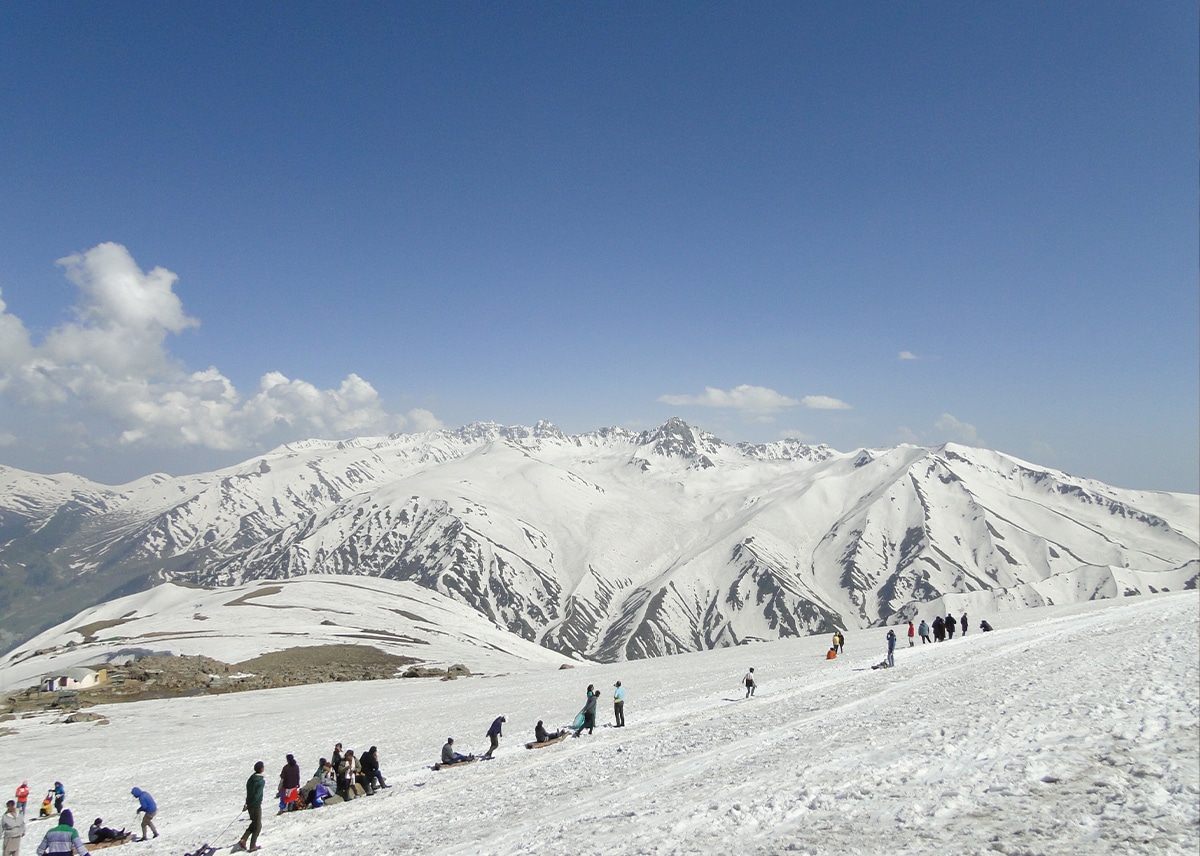
On Snow
'The mind inevitably seeks a reenactment of the teal light I associate with home'





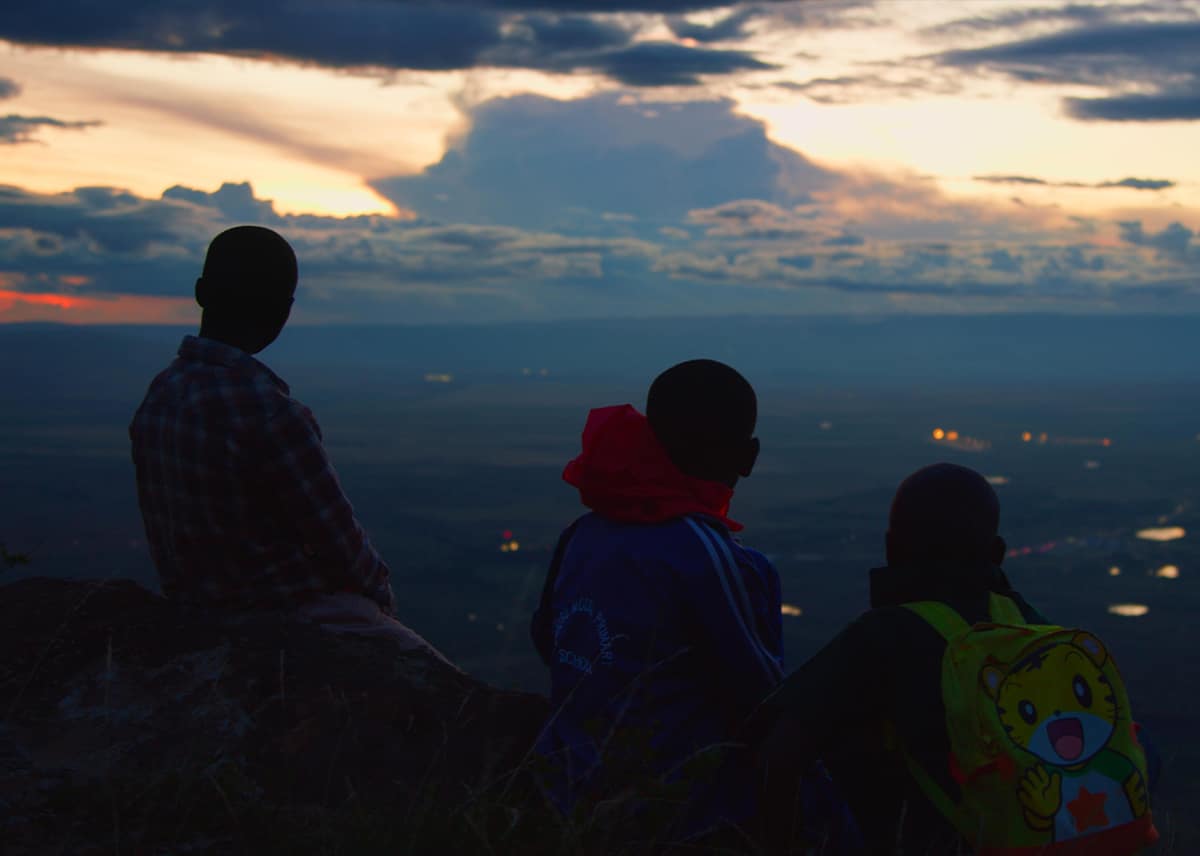
Kikuyu Land
A necessary, but perhaps not fully realized, insight into how colonialism and capitalism have fed into Kenya’s current political situation

The Recovery House
A love letter to the vicissitudes of being a novelist

On Becoming a Guinea Fowl
A sharp, layered study of patriarchal privilege

Becoming Home: Sight
The first in Becoming Home, a series of four short films by Adïam Yemane, commissioned by WritersMosaic. This film centres on Adïam's own story, exploring the meaning of home through sight.

Fruity
A darkly comic crime short film written by and starring Delon Jessop and directed by James Baines.

Illuminating, in-depth conversations between writers.
Listen to all episodes
SpotifyApple Podcasts
Amazon Music
YouTube
Other apps

The series that tells the true-life stories of migration to the UK.
Listen to all episodes
SpotifyApple Podcasts
Amazon Music
YouTube
Other apps
In this second series of poems commissioned by Hannah Lowe, six poets explore the theme of surveillance.
Listen to all episodes
SpotifyApple Podcasts
YouTube