
The 90s: Art and Fashion
Tate Britain, London, until 14 February 2027
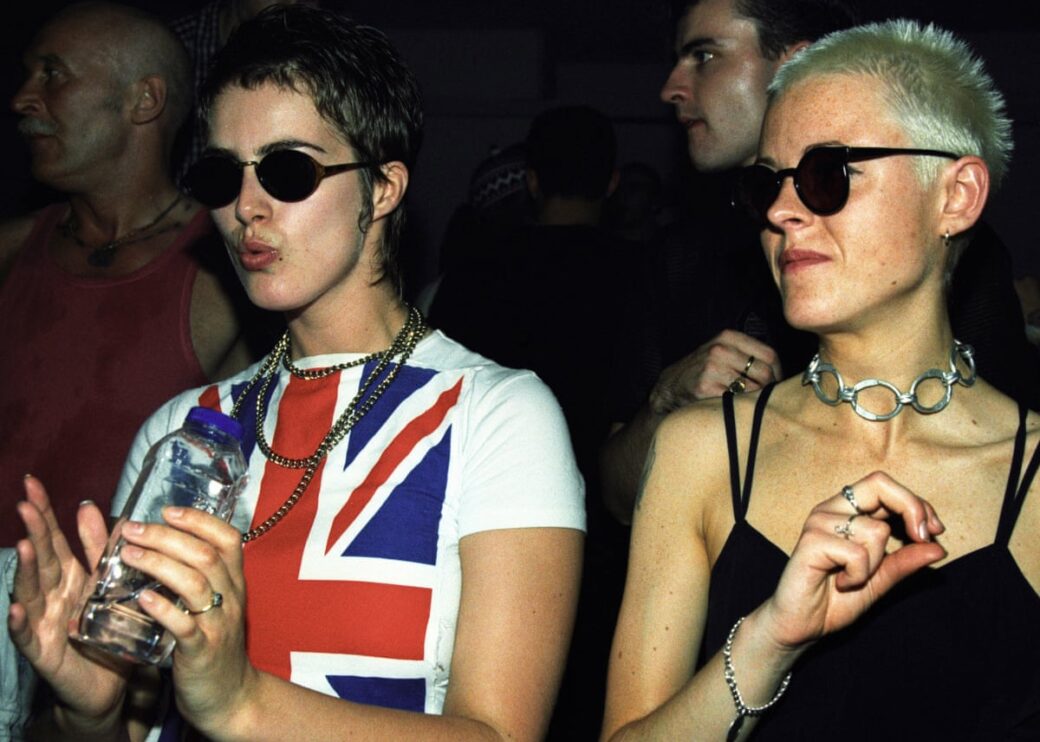
The 90s! The last analogue decade, the one where we danced ecstatically in fields and warehouses, lost in our rave new world of repetitive beats and blissful abandon. Unfilmed, unshared. A decade when you didn’t have to be a Benedict or a Florence to have creative clout, where working-class talent could still rise to the top, flooding galleries and runways with raw brilliance. Where influencers were magazines like The Face and i-D, and culture was in your face rather than on your phone. A time when draping yourself in a Union Jack probably meant you were Geri Halliwell.
It was a decade exploding with wild new art, peaking in 1997 with the Royal Academy’s era-defining Sensation, showcasing the Young British Artists collected by Charles Saatchi. Where fashion graduates had surnames like McQueen, McCartney, Galliano, and where Cool Britannia ruled the airwaves, from Blur, Pulp and Oasis, to Goldie, The Chemical Brothers and trip hop. Dancefloors were the incubators of style, high streets its catwalks. What a creative, affordable time to be alive. No wonder those of us who lived through it love to mythologise it.
So you might be salivating at the prospect of Tate Britain’s new blockbuster, The 90s: Art and Fashion, curated by Edward Enninful, the British Ghanaian former Vogue editor. The anticipation of walking through that decade again, being reminded of its magic, despite Enniful warning us that the exhibition was ‘conceived not as an exercise in nostalgia but as a form of critical reflection.’ Bring it on.
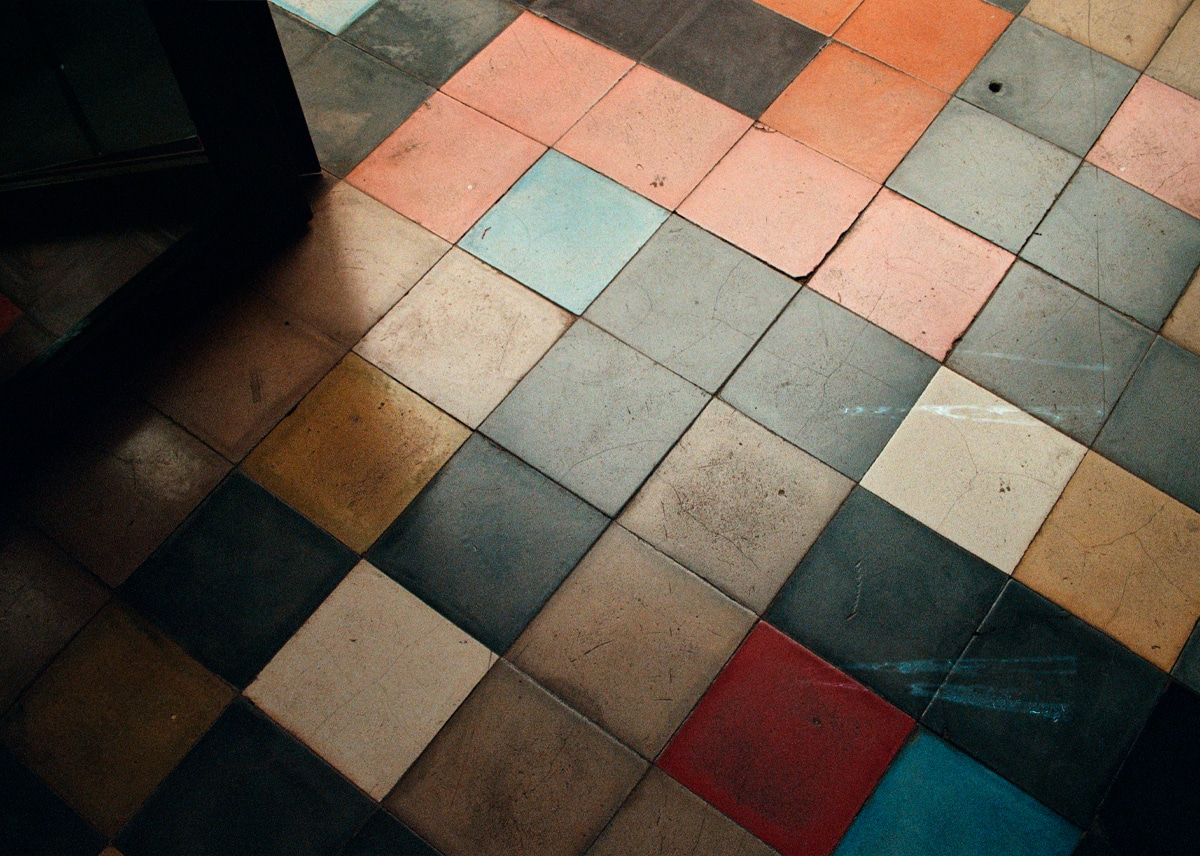
Excitement rises in the hallway outside, the floor redone in Jim Lambie’s glorious coloured vinyl (Zobop, 1999), overseen by giant images show Kate Moss and Naomi Campbell smoking in a doorway, and Sarah Lucas and Tracey Emin outside their shop in Shoreditch. So far, so nostalgic. Inside are almost 70 artists, designers and photographers, including some artist overlap from the Sensation show almost thirty years ago – Tracey Emin, Sarah Lucas, Chris Ofili, Damien Hirst, Gary Hume, Jake and Dinos Chapman, Abigail Lane, Jenny Saville. Rachel Whiteread, Gillian Wearing, Yinka Shonibare are all here. Just not quite as you’d hope.
Photographers Juergen Teller, Wolfgang Tillmans and Corinne Day are very present. Day’s so-called heroin chic images involve thin people on grotty Soho sofas, in the style of Nan Goldin but without Goldin’s heart, although Teller’s Young Pink Kate (1998) remains joyous. A whole wall is given over to Wolfgang Tillmans’ series of Concorde, which for 99.99% of us, does not conjure up the 90s.
The McQueen brand sponsors the show, and it shows. The late designer’s work – featuring clunky metal and chainmail, which screams the Middle Ages rather than the 90s – is given a lot of space. It’s not just McQueen’s designs which clunk – you don’t appreciate coherent curation until you walk through something that isn’t; this is a mish-mash, with the emphasis heavily on fashion, rather than art. Fair enough – Enniful was appointed fashion director of i-D Magazine in 1991, aged just 18, making him the youngest ever in the role. Fashion is his thing. But this feels like an i-D office reunion, a show for a tiny in-crowd.
It might have worked better at the V&A, with its focus entirely on fashion. Because here at Tate Britain, the art has taken second place, despite the 90s being a decade where art was part of the national conversation, with its pickled sharks, inside-out concrete houses, varnished elephant dung. Here, it feels randomly shoved in amongst what is essentially a giant London-centric fashion shoot. The third section contains hundreds of unframed photos of raves, clubs, parties, from Kinky Gerlinky to Metalheadz to New Age Travellers, like a bedroom wall. Your eyes graze, even as you remain disengaged.
Enniful is not keen on Cool Britannia. Fair enough. The 90s buzzword is described as a ‘patriotic myth’ harnessed by New Labour to ‘champion a boom’ in British creativity and national identity – one which remained ‘overwhelmingly white’. The 90s was the decade of the racist murder of Stephen Lawrence – Chris Ofili responded with his 1998 painting ‘No Woman, No Cry’, dedicated to the Lawrence family. Ofili won the Turner Prize that year, the first black artist to do so, and the first painter since 1985. Why is this work displayed next to some Ozwald Boateng suits? Clunk.
Sarah Lucas’ 1997 ‘Chicken Knickers’ – funny, angry, feminist – is alongside a 1996 Juergen Teller shot of a naked model who has had the word Versace written on her body by Enninful. Clunk. Hamad Butt’s installation on AIDS is isolated in a corner, while stylist Isabella Blow gets more space than Tracy Emin, Rachel Whiteread and Gillian Wearing put together. Clunk, clunk, clunk.
Enniful’s co-curator Dominique Heyse-Moore says that the show isn’t ‘an encyclopaedia of the best work from Britain in the 90s’, how they’d have needed ‘all four Tates to do that.’ Again, fair enough. The result, however, is not an overall sensation of the 90s, but of a superficial, incoherent magazine-y take on an exceptionally creative and significant decade. Or as my companion remarked on leaving, ‘I’ve walked through puddles that have more depth.’
Tate Britian: The 90s: Art and Fashion, until 14 February 2027
WritersMosaic monthly
Get new reviews in your inbox
One email monthly, unsubscribe anytime
On Becoming a Guinea Fowl
A sharp, layered study of patriarchal privilege
Kikuyu Land
A necessary, but perhaps not fully realized, insight into how colonialism and capitalism have fed into Kenya’s current political situation
The Recovery House
A love letter to the vicissitudes of being a novelist
Safe Spaces
Tice Cin's hotly anticipated second book is a literary mixtape of voices and forms
Get in line
What does a queue have to do with anything? A lot, says Snežana Ċurčić
Ladies of the Rachmaninoff Eyes
The impact of space between what is happening on and off the page

Becoming Home: Sight
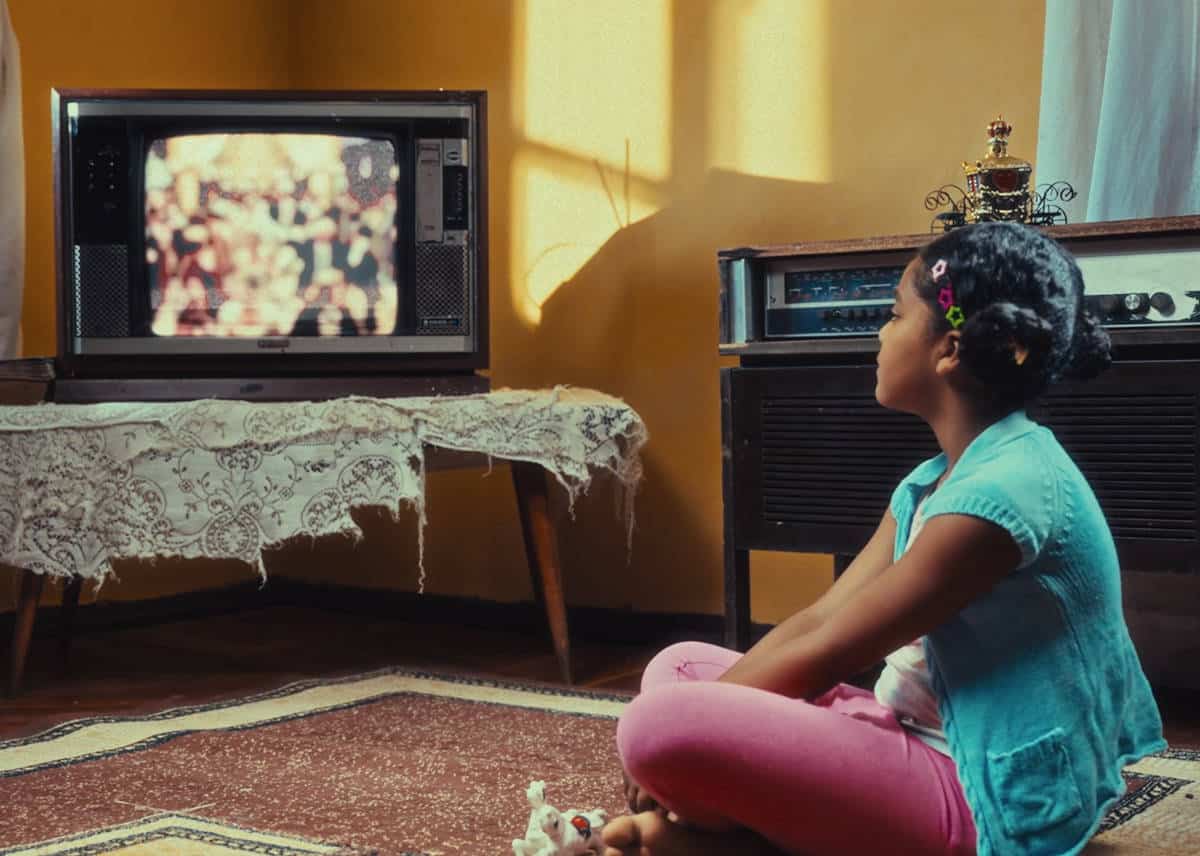
The first in Becoming Home, a series of four short films by Adïam Yemane, commissioned by WritersMosaic. This film centres on Adïam's own story, exploring the meaning of home through sight.
Fruity
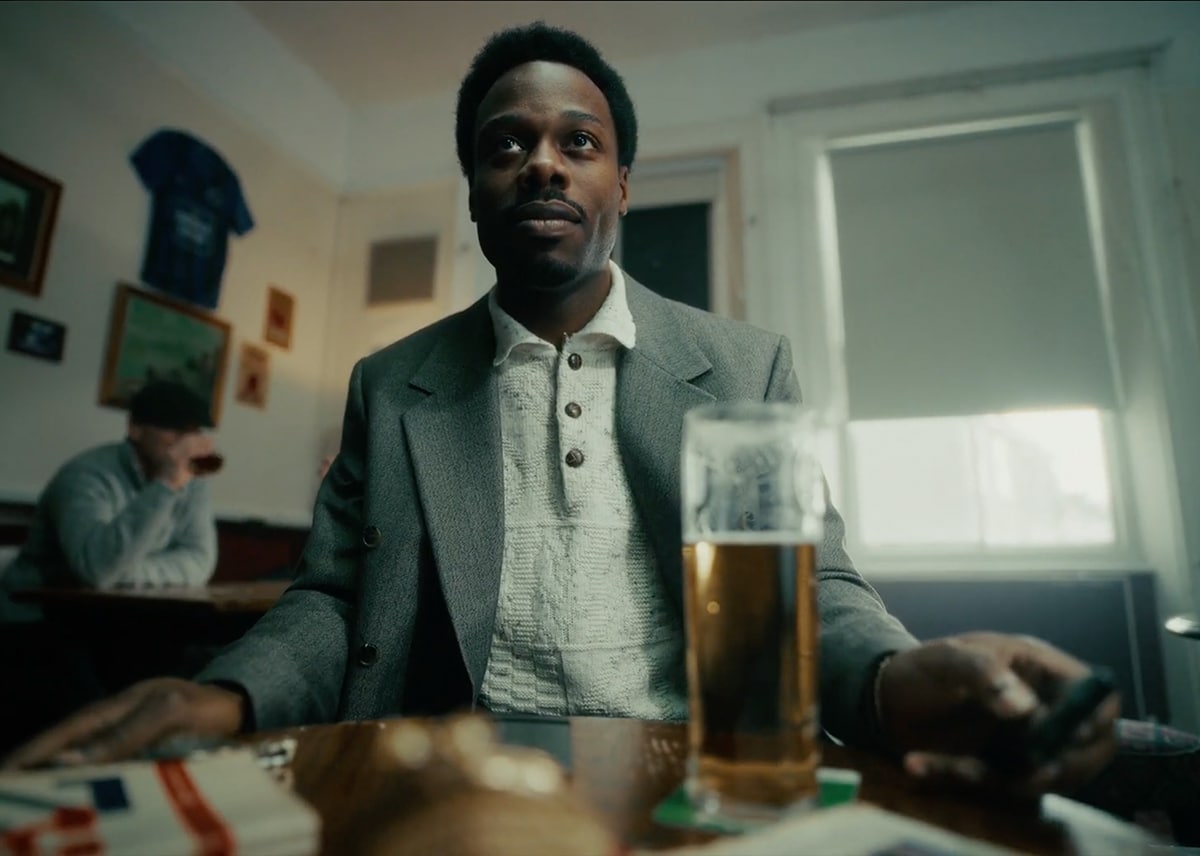
A darkly comic crime short film written by and starring Delon Jessop and directed by James Baines.

Illuminating, in-depth conversations between writers.
Listen to all episodes
SpotifyApple Podcasts
Amazon Music
YouTube
Other apps

The series that tells the true-life stories of migration to the UK.
Listen to all episodes
SpotifyApple Podcasts
Amazon Music
YouTube
Other apps
In this second series of poems commissioned by Hannah Lowe, six poets explore the theme of surveillance.
Listen to all episodes
SpotifyApple Podcasts
YouTube