
Heavy Light

Horatio Clare
Penguin Books, 2021
Review by Kirsty Pope
I tend not to pick up books by the progeny of Chelsea girls who send their children to boarding schools; it isn’t a world about which I’m very curious. But, as his extraordinary first book, Running for the Hills, describes, Horatio Clare is far from a public schoolboy cliché. And his writing is both compelling and seemingly effortless. In fact, this story has lazy class-based judgement integral to its heartbreaking central theme: the experience and treatment of mental illness – and how easy it is to trick the system, or not, depending on how you speak.
Heavy Light grips, horrifically, telling of the forlorn slide of the author into a psychotic episode. Some of it is almost too relentlessly painful to read. The nature of the prose is particularly effective; the narrative tumbles together so that you can’t always tell which perceptions are those of the deluded protagonist, and which are of his later, writerly self. At one point he refers to his partner being an ultra-runner and I’m still unclear whether this is delusion or fact.
The trough comes as Clare, naked and with a self-inflicted facial injury, jumps into a campervan on the Yorkshire moors, thinking it to be his secret service handlers’ provision, terrifying the women and children inside.
There is a self-awareness throughout the narrative – an acknowledgement that this was just as hard for those around him, as they attempted to negotiate the vagaries of mental health provision – as well as the issue of class and psychiatric provision.
The first part of the book offers eloquently written postcard insights from inside the experience of psychosis ‘the intensity of the present erases the claims of the past and the calls of the future…my sense of self is no longer built like a storyboard, with each frame followed by another, related frame. Instead, the stories of all versions of me…are splashed across packs of different cards…all mixed. A short sleep shuffles the cards one way; an insignificant event, in reality, shuffles them another way’. The second half of the book examines why provision for the unwell sits so unsatisfactorily where it does today.
It’s easy to forget how young our current formulation of mental illness is. Clare reminds us that the book psychiatrists routinely refer to for diagnosis, the latest edition of the Diagnostic and Statistical Manual of Mental Disorders, was published in 1980; its formulation places mental health issues in a disease framework rather than part of a life lived. Through it, a diagnosis is sought and prescriptions written, rather than looking at causes of those symptoms in childhood trauma, life stressors, abuse or substance misuse. Under pressure themselves, medical professionals stop asking questions that might produce better long-term results than those prescription chemicals.
Clare visits dynamic individuals trying to change this landscape. Deprescribing, exposure to nature and art and Open Dialogue all seem very fruitful alternatives to the clearly failing current provision but Clare falters a little here, perhaps too fond of extrapolating from his own experience onto a wider national canvas.
Clare states that his aim is to ‘offer some help, hope and insight to those who suffer breakdowns and to those who love and care for them.’ Does this book help?
It leaves you with tools. Tools both light – questions with some thoughtful answers – and somewhat heavier; a partial map, without which the whole subject of mental illness and its treatment seem overwhelming. In that sense, it’s a book true to its name.
https://www.penguin.co.uk/books/111/1119055/heavy-light/9781784743529.html
WritersMosaic monthly
Get new reviews in your inbox
One email monthly, unsubscribe anytime

Ai Weiwei: Button Up!
A journey through the dangerous world of human tragedy

Do You Love Me
To love a city is to know it deeply

Shine Your Eye
A no-holds-barred account of travels through West Africa

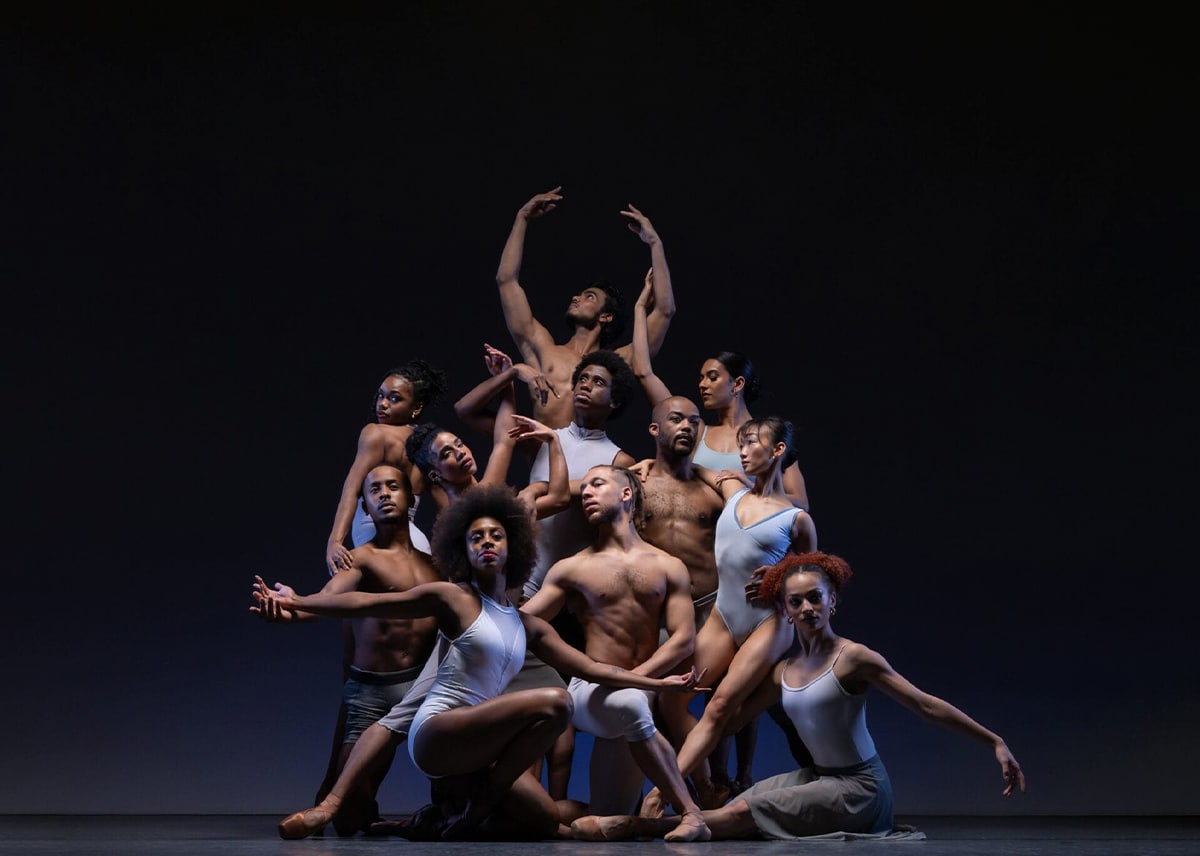
Ballet Black at 25
Cassa Pancho: 'It’s a miracle that we are still here in some way'
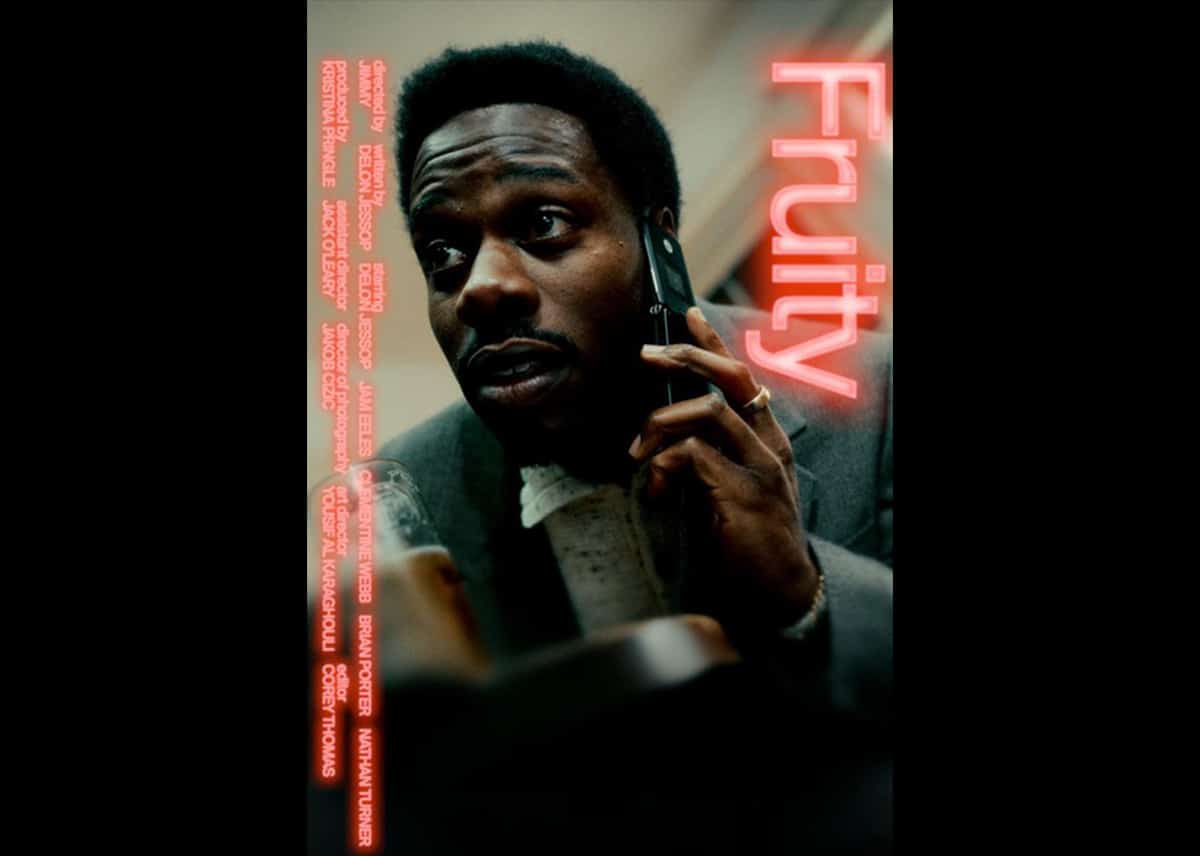
From Fruity to Raffell
A retreat of solitude, community and creative stimulation
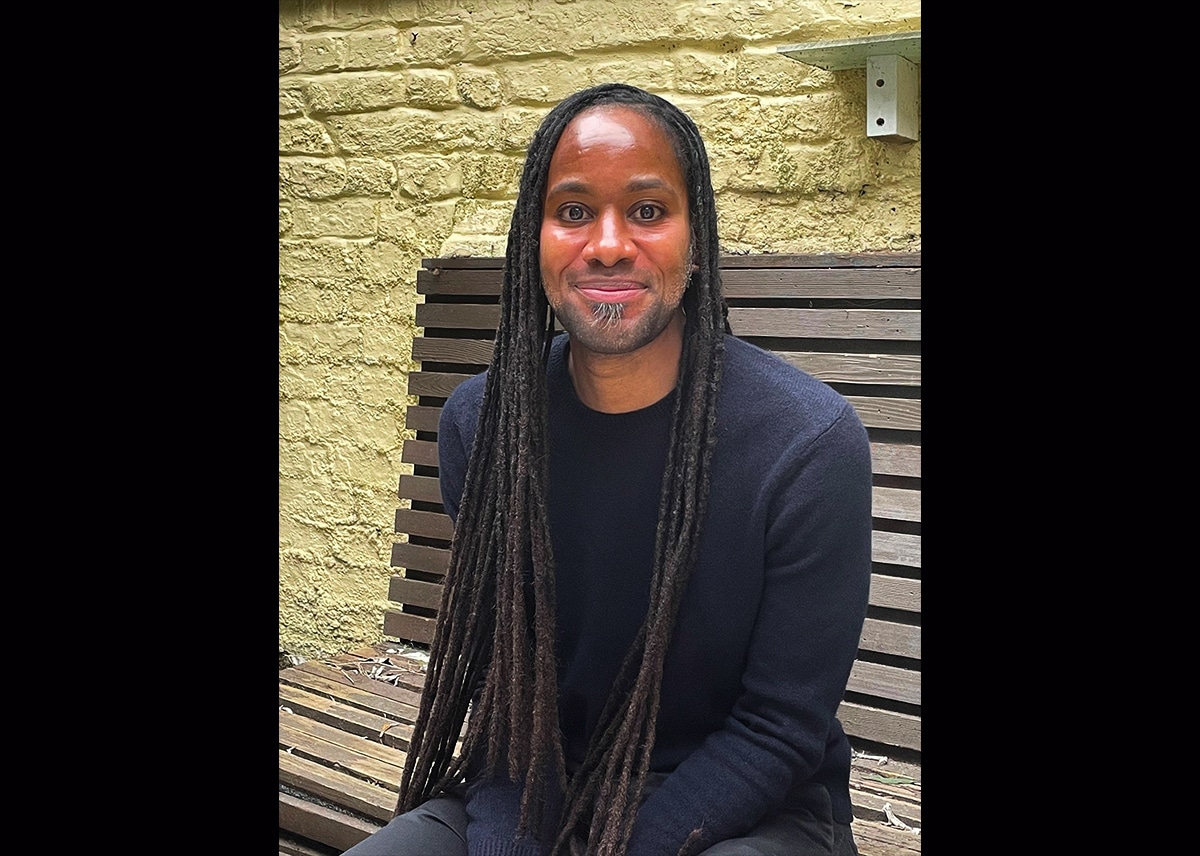
Jason Arday (9 May, 1985 – 14 August, 2026)
WritersMosaic reflects on the life of Jason Arday

Free Will
Will Harris reads his poem, 'Free Will'. Directed by Matthew Thompson and commissioned by the Adrian Brinkerhoff Poetry Foundation.

Half Written Love Letter
Selina Nwulu reads her poem, 'Half Written Love Letter'. Directed by Matthew Thompson and commissioned by the Adrian Brinkerhoff Poetry Foundation.

Illuminating, in-depth conversations between writers.
Listen to all episodes
SpotifyApple Podcasts
Amazon Music
YouTube
Other apps

The series that tells the true-life stories of migration to the UK.
Listen to all episodes
SpotifyApple Podcasts
Amazon Music
YouTube
Other apps
In the first series of poems commissioned by Hannah Lowe, six poets explore how ritual gives meaning to our lives.
Listen to all episodes
SpotifyApple Podcasts
YouTube