
Fragile Monsters

Catherine Menon
(Viking, 2021)
Review by Katrina Goldstone
Fragile Monsters is the debut novel of British Australian author Catherine Menon. It opens in 1985, as thirtysomething mathematician Durga Panikkar returns to Malaysia to take up a teaching post after years of living in Canada. Confined together, Durga and her grandmother are forced to make a reckoning with the past and the long shadow of trauma. For Durga, the return home means confronting demons, including the grief and guilt sparked by the accidental death years previously of her childhood friend, Peony.
Menon then transports the reader back in time, to the 1920s, for glimpses of the traumatic events which shaped the truculent character of Durga’s grandmother, Mary. She is a distinctly unreliable narrator, leaving the reader at times with a sensation of being enclosed in a hall of broken mirrors, not sure which version of the reflection is real. Mary nonetheless knows intimately the power and deceits of storytelling – story as survival mechanism – constructing narratives from folk tale, intercut with real and invented events. Menon manages to pull off the feat of bringing the reader through this dense thicket of timelines, alternating between the present of 1985 and Mary’s past history from 1922 on to the era of post-war independent Malaysia. Mary is a finely wrought character, tenderly rendered by Menon; sharp-tongued, at times ferocious, she expresses some of the best putdowns in the book, though Durga, her granddaughter, can wield the verbal scalpel too, in particular when describing some of the rather spineless men in her life.
Menon knows how to create sparky dialogue, crackling with acerbic humour, in which human frailty, knotty family dynamics and steadfast love are all presented and viewed through a cool, satiric eye. And the novel is fast paced. Revolution, end of empire and wartime occupation lurk in shadow, and then make a devastating appearance. The chapters which deal with military upheaval – the war, Japanese occupation, the Emergency and the independence struggle – are haunted by random brutal atrocities. When Menon embarked on research for the book, the complexity of her father’s own past history became clear. ‘I wanted to get away from the idea of the facts being all-consuming,’ wrote Menon, in relation to the pitfalls of contested histories; ‘I wanted to, in some way, represent the emotional truth of what people have been through.’ Central to the family dynamic, and the broader societal context, is the precarious fate of women and girls whether in peacetime or in war. Careers, hopes, dreams and lives can be lost in the blink of the eye, by a betrayal or through more pernicious, entrenched disadvantage. Menon is perceptive about the way secrets and silences distort family life and spawn the dysfunction that reverberates down through the generations. Her writing prompts us to consider the high cost of Durga’s achievement in exile and her grandmother’s tenacity for survival.
Catherine Menon has managed to craft a page turner from weighty topics whilst deftly addressing complex themes of identity, hybridity, history, transgenerational trauma and colonial legacy.
https://www.penguin.co.uk/books/315/315808/fragile-monsters/9780241439289.html
Katrina Goldstone’s cultural history Irish Writers and the Thirties: Art Exile and War is published by Routledge. See www.katrinagoldstone.com
WritersMosaic monthly
Get new reviews in your inbox
One email monthly, unsubscribe anytime

The 90s: Art and Fashion
'Inside are almost 70 artists, designers and photographers [...] just not quite as you’d hope'
Kikuyu Land
A necessary, but perhaps not fully realized, insight into how colonialism and capitalism have fed into Kenya’s current political situation

The Recovery House
A love letter to the vicissitudes of being a novelist



Safe Spaces
Tice Cin's hotly anticipated second book is a literary mixtape of voices and forms

Get in line
What does a queue have to do with anything? A lot, says Snežana Ċurčić

Ladies of the Rachmaninoff Eyes
The impact of space between what is happening on and off the page

Becoming Home: Sight
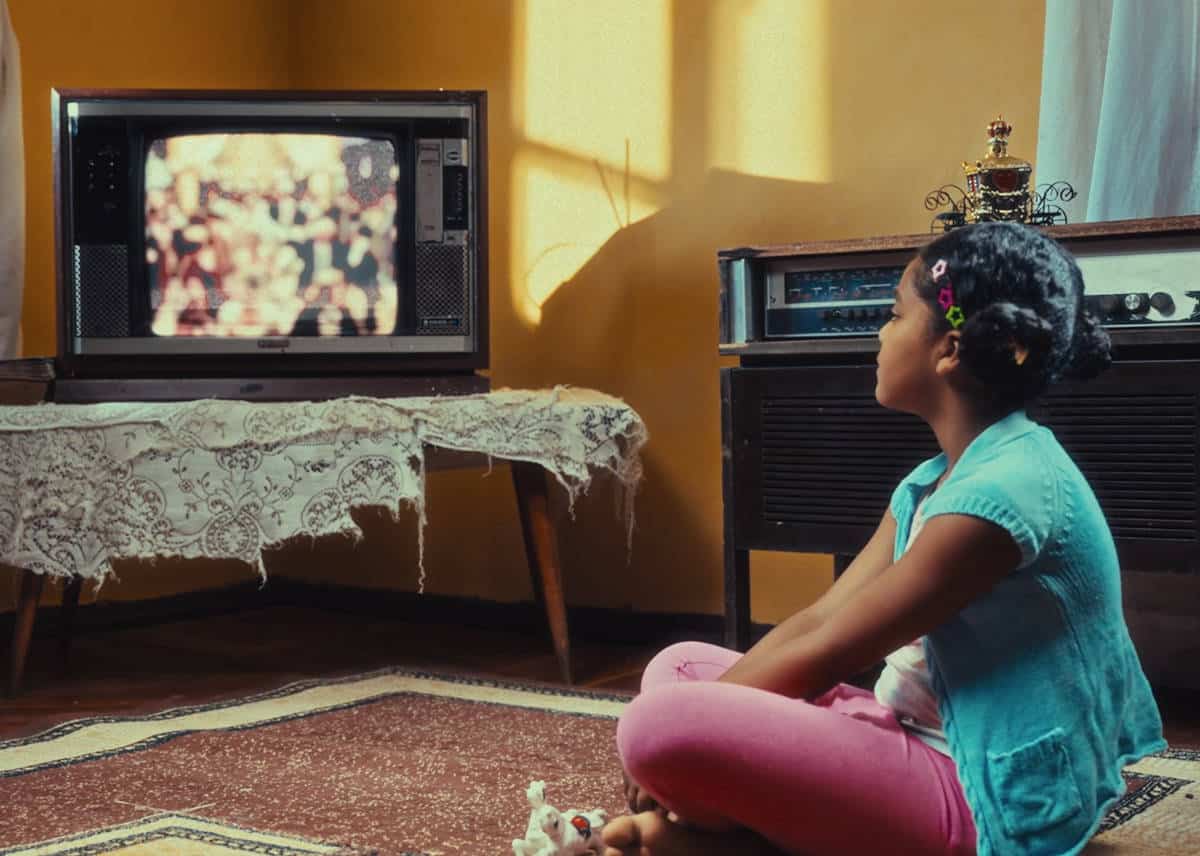
The first in Becoming Home, a series of four short films by Adïam Yemane, commissioned by WritersMosaic. This film centres on Adïam's own story, exploring the meaning of home through sight.

Fruity
A darkly comic crime short film written by and starring Delon Jessop and directed by James Baines.

Illuminating, in-depth conversations between writers.
Listen to all episodes
SpotifyApple Podcasts
Amazon Music
YouTube
Other apps

The series that tells the true-life stories of migration to the UK.
Listen to all episodes
SpotifyApple Podcasts
Amazon Music
YouTube
Other apps
In this second series of poems commissioned by Hannah Lowe, six poets explore the theme of surveillance.
Listen to all episodes
SpotifyApple Podcasts
YouTube