
Can I Live?

Conceived, written and performed by Fehinti Balogun
Complicité/Barbican/Oxford Playhouse (2021)
Review by Ming Ho
Fehinti Balogun welcomes us to his home on a video call. Well, it’s really his mum’s home, he explains, as he hastily tidies up and repositions his camera (‘I set up my bed at night and pack it up in the morning, because it’s, you know, a communal space…’); he moved back in lockdown and is still here. He recounts a shopping trip with his mum: on a mission to buy plantain, they emerged from weeks of isolation to be confronted by neighbours having a street party; Balogun was angry, but his mum didn’t want to make a fuss. Her back hurts, but she’s reluctant to take action; ‘it’s not going to get any better unless we do something’, says Balogun. In the shop, both the cashier and mum dismiss Balogun’s efforts not to use plastic bags; and, as he addresses us, enjoying the precious plantain, he notes that the crop’s yield has been hit by the rise in global warming.
In these first five conversational minutes, he adeptly sets out in metaphor the themes he will develop over the next 55, moving from the personal to the public and global, to make socio-political connections that explore the roots of climate crisis in the nineteenth-century Industrial Revolution of the Global North, cultural inequities and the role of the individual in fighting or perpetuating the status quo. It’s a skilfully structured piece, employing spoken word, rap, punchy data, evocative projections, music and dramatised debate.
Balogun is an engaging performer, who shifts with ease between the contrasts of mood, pace and medium. Debunking his room at ‘home’ as a set, he takes us out into the surrounding studio, to demonstrate climate change through relatable examples: in West Africa, where harvests directly equate to survival, how many months of drought per year will result from a global temperature rise of 1.5 or 2 degrees; the impact on the human body of that rise; and ‘every 2 degrees, that’s my nan’s house being flooded’.
But on his journey into activism, a question looms over the protests: ‘Why don’t these people look like me?’ He considers his Nigerian family and wonders, ‘why don’t we talk about this?’ when the country of their heritage is among those most impacted by Western powers’ quest for oil – modern colonialism that inflicts climate genocide. He says: ‘There is a privilege to the environmental fight’.
Woven through all this are fleeting, but powerful scenes of a man arrested, who is finally revealed as the writer Ken Saro-Wiwa, who paid the ultimate price for environmental activism in defence of his homeland, Ogoniland, in Nigeria’s oil-producing Niger Delta region. ‘I don’t want to sacrifice myself’, Balogun assures his worried mum, ‘I just want people to be as angry as I am, and then do something.’
Can I Live? is an effective rallying cry, rich in ideas and provocations, which entreats us not just to stand up as individuals, but to join together as a collective and challenge governments to act – for, as Balogun sets out at the beginning, we all share the ‘communal space’.
http://www.complicite.org/productions/CanILive
WritersMosaic monthly
Get new reviews in your inbox
One email monthly, unsubscribe anytime
The 90s: Art and Fashion
'Inside are almost 70 artists, designers and photographers [...] just not quite as you’d hope'
Kikuyu Land
A necessary, but perhaps not fully realized, insight into how colonialism and capitalism have fed into Kenya’s current political situation

The Recovery House
A love letter to the vicissitudes of being a novelist

Safe Spaces
Tice Cin's hotly anticipated second book is a literary mixtape of voices and forms

Get in line
What does a queue have to do with anything? A lot, says Snežana Ċurčić

Ladies of the Rachmaninoff Eyes
The impact of space between what is happening on and off the page


Becoming Home: Sight
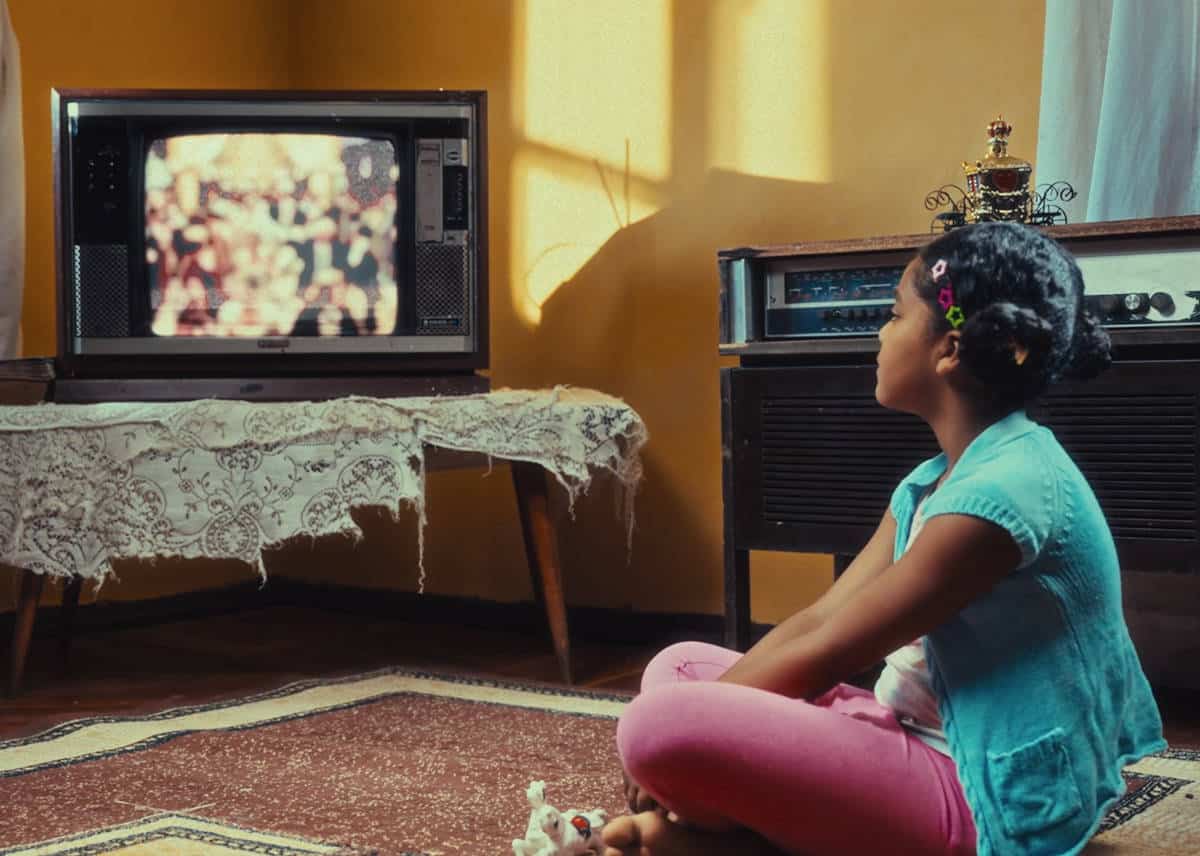
The first in Becoming Home, a series of four short films by Adïam Yemane, commissioned by WritersMosaic. This film centres on Adïam's own story, exploring the meaning of home through sight.

Fruity
A darkly comic crime short film written by and starring Delon Jessop and directed by James Baines.

Illuminating, in-depth conversations between writers.
Listen to all episodes
SpotifyApple Podcasts
Amazon Music
YouTube
Other apps

The series that tells the true-life stories of migration to the UK.
Listen to all episodes
SpotifyApple Podcasts
Amazon Music
YouTube
Other apps
In this second series of poems commissioned by Hannah Lowe, six poets explore the theme of surveillance.
Listen to all episodes
SpotifyApple Podcasts
YouTube