
The French Dispatch

Wes Anderson, Director and Screenwriter
Review by Danielle Papamichael
The French Dispatch is Wes Anderson’s tenth feature and by far his most aesthetically flamboyant. His symmetrical style mixes live action and animation, black and white and colour. Each frame has been looked at with a fine-tooth comb so that even the smallest details fit Anderson’s quirky aesthetic.
Although visually Anderson has gone above and beyond, his choice of the anthology format at first feels refreshing but quickly turns into a disorientating sensory overload, with stories that have potential but get lost in the stylisation of the film.
The French Dispatch of the Liberty, Kansas Evening Sun is Anderson’s love letter to print journalism and a tribute to the New Yorker magazine. An American outpost based in a fantasy French town called Ennui-Sur-Blasé (literal translation “Boredom-on-Apathy”) made up of acclaimed American ex-pat journalists.
The story begins in 1975 with the death of esteemed editor-in-chief, Arthur Howitzer Jr. (Bill Murray) who has specified in his will that the publication must come to an end after he passes. The five-part anthology begins with the creation of a memorial issue. Herbsaint Sazerac (Owen Wilson), a beret-wearing cyclist, guides the viewer through Ennui’s gritty history. The next chapters of the film are the Dispatch’s three most celebrated features. There’s ‘The Concrete Masterpiece’ by art critic J.K.L. Berensen (Tilda Swinton), ‘Revisions to a Manifesto’ by political correspondent Lucinda Krementz (Frances McDormand), and ‘The Private Dining Room of the Police Commissioner’ by food critic Roebuck Wright (Jeffrey Wright). Throughout each chapter, and what attempts to glue the film together, is Howitzer reading and reviewing their stories back in the office, acting as the voice of reason. The final chapter of the film is the obituary, where all of the staff nostalgically come together in memory of Howitzer and the publication.
Despite its sweepingly magnificent production design and star-studded cast, the stories let the film down. Of the three chapters, the first feature – ‘The Concrete Masterpiece’ is by far the strongest and most coherent with fleshed-out characters that you invest in and care for. Throughout the film, you are reminded of Howitzer’s mottos: ‘no crying’ and ‘try to make it sound like you wrote it that way on purpose.’ Unfortunately, these mottos are reflected in the film itself which lacks emotion and at times feels chaotic.
As the film progresses, so does Anderson’s creative detail and narrative pace. It is almost impossible to follow the evolving plot the first time round. Perhaps Anderson wants his film to be re-watched, picking up new details with every watch – a comment on how quickly we consume entertainment today, as compared to the glory days of print journalism.
WritersMosaic monthly
Get new reviews in your inbox
One email monthly, unsubscribe anytime

Shine Your Eye
A no-holds-barred account of travels through West Africa
The Immortalists
What would you be willing to do to ensure eternity?
Driftwood
A play carrying diasporic memory and political weight



From Fruity to Raffell
A retreat of solitude, community and creative stimulation
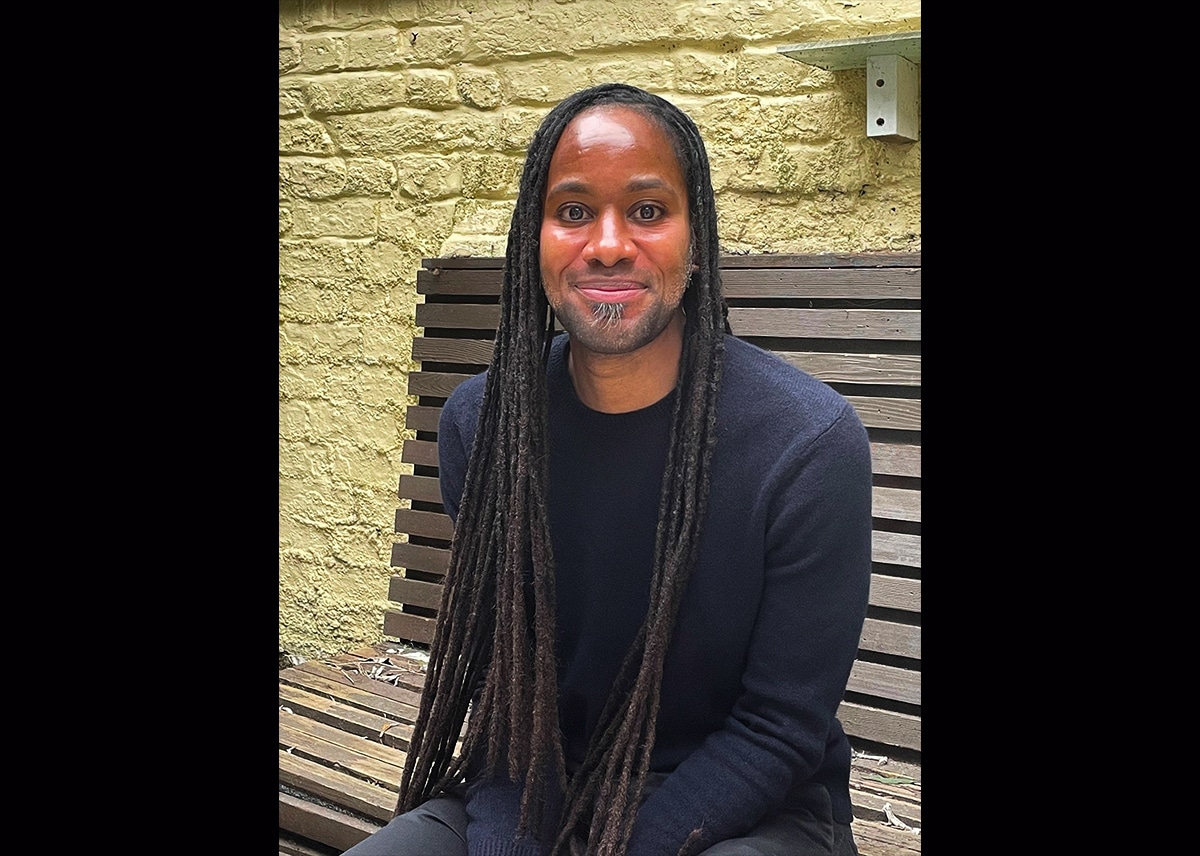
Jason Arday (9 May, 1985 – 14 August, 2026)
WritersMosaic reflects on the life of Jason Arday
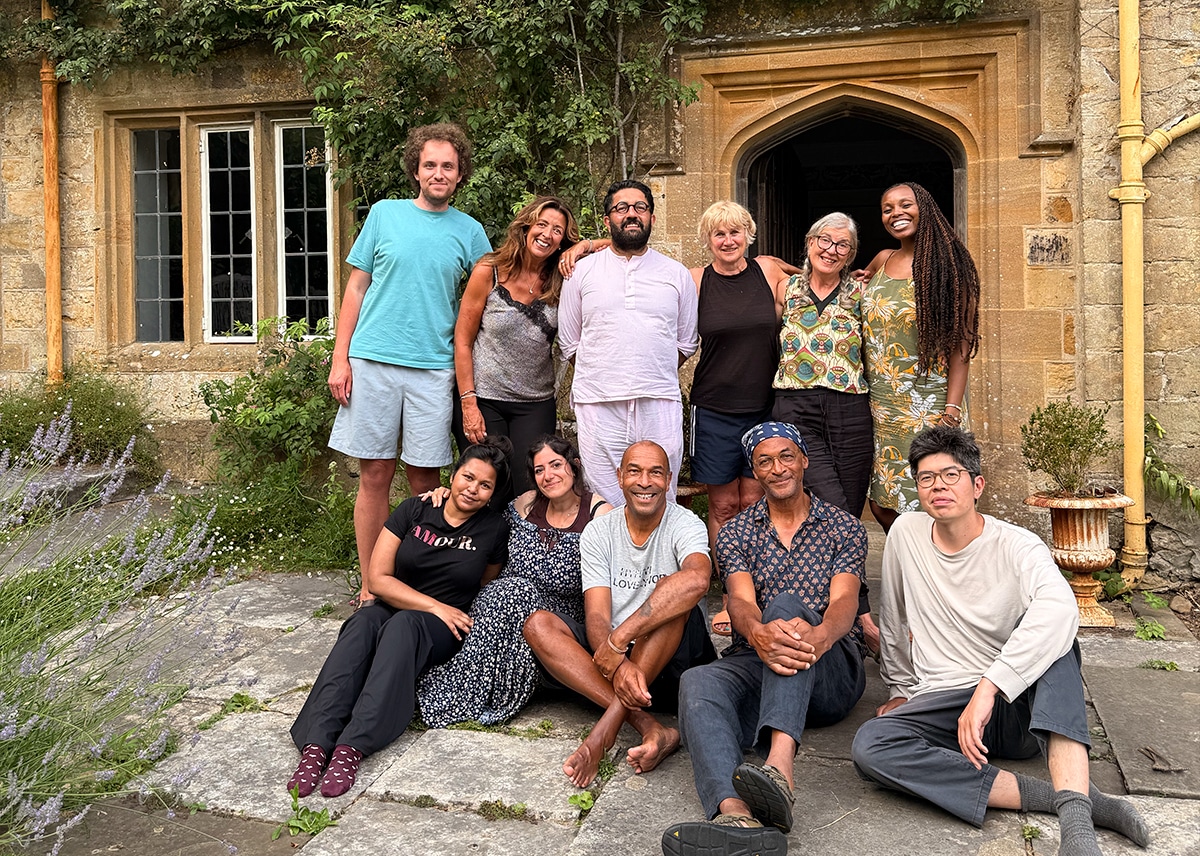
Inside the WritersMosaic Literary Residency
'The sea was crystal clear, the weather was perfect and my pink toenails shimmered beneath the transparent water'
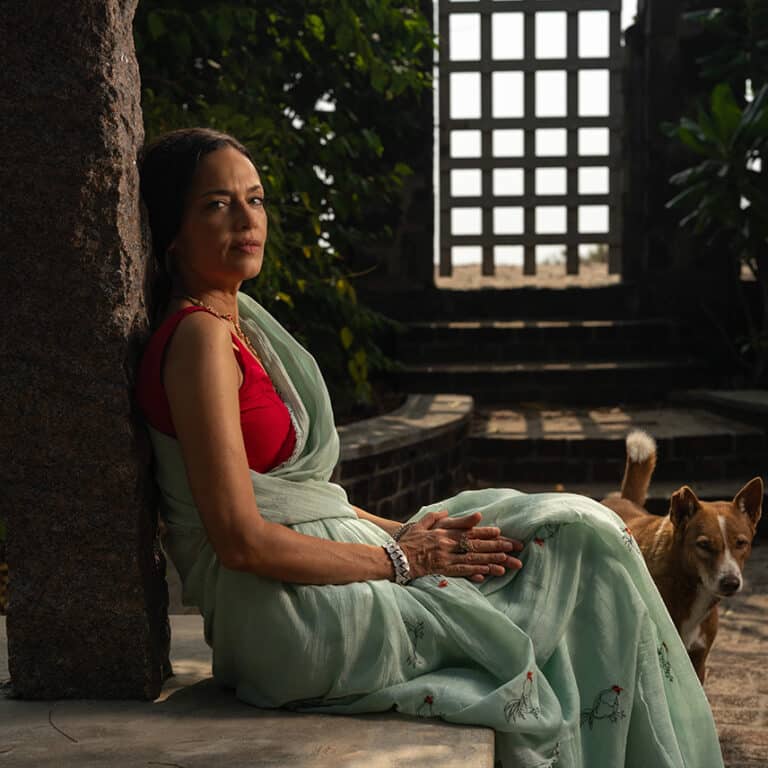

Free Will
Will Harris reads his poem, 'Free Will'. Directed by Matthew Thompson and commissioned by the Adrian Brinkerhoff Poetry Foundation.

Half Written Love Letter
Selina Nwulu reads her poem, 'Half Written Love Letter'. Directed by Matthew Thompson and commissioned by the Adrian Brinkerhoff Poetry Foundation.

Illuminating, in-depth conversations between writers.
Listen to all episodes
SpotifyApple Podcasts
Amazon Music
YouTube
Other apps

The series that tells the true-life stories of migration to the UK.
Listen to all episodes
SpotifyApple Podcasts
Amazon Music
YouTube
Other apps
Nine writers explore the elusive emotional truth behind narratives and storytelling.
Listen to all episodes
SpotifyApple Podcasts
YouTube