
Deep Azure
Written by Chadwick Boseman
Sam Wanamaker Playhouse, London, 12 March – 2 May 2026
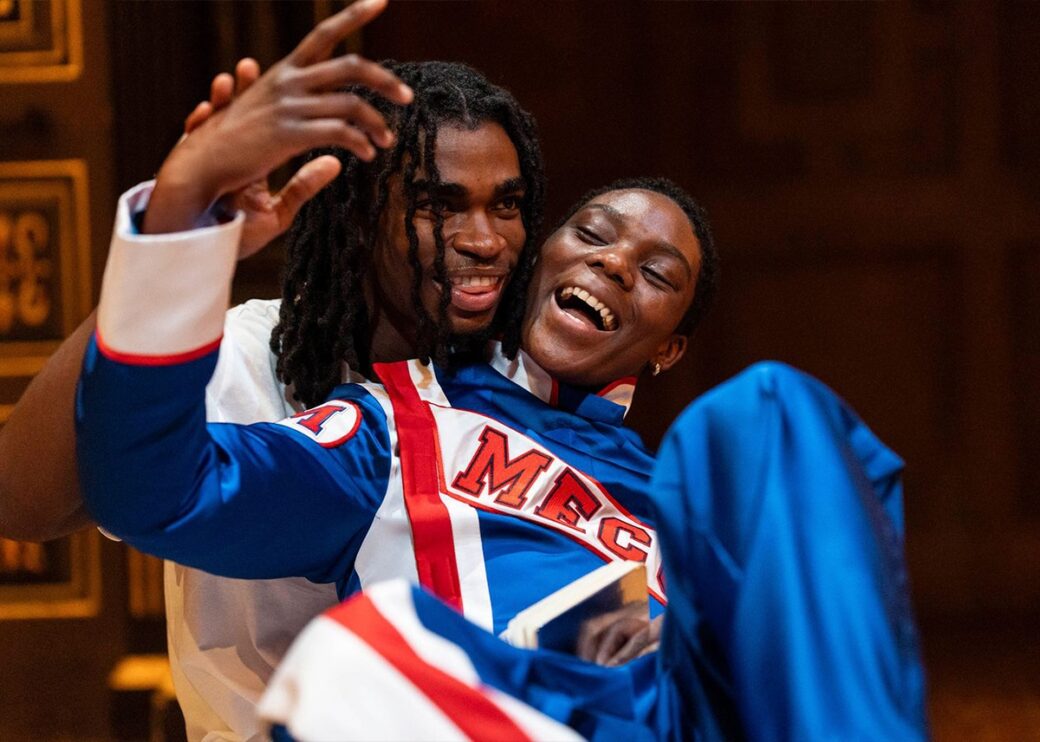
Deep Azure is a tragic exploration of grief and police brutality by the late actor and writer Chadwick Boseman. The play was initially written by Boseman in 2005 as a response to the killing of the Howard University student Prince Jones, and has its UK premiere at the Sam Wanamaker Theatre, directed by Tristan Fynn-Aiduenu.
Deep Azure follows a young black woman named Azure (Selina Jones) as she attempts to make sense of the killing of her fiancé, Deep (Jayden Elijah), at the hands of the county police. Supported by Deep’s best friends Rashad (Justice Ritchie) and Tone (Elijah Cook), the group explore what closure looks like to each of them and the lengths they’re willing to go to get it.
The play oscillates between the present and the past, with the majority of the action taking place in Tone’s flat, where Azure has been staying since the murder. Alongside her pursuit for justice, Azure is also struggling with an eating disorder. Boseman uses this to challenge his audience, prompting us to consider the expectations often put upon the black female body and the direct implications this may have for others close to them.
We watch Azure practise the religious act of fasting as she strives for clarity, while Deep and Tone drink and smoke excessively to help process their grief. As Azure fasts, she begins to join the dots and gains profound insight into the events of Deep’s death.
With Azure now under his roof, Tone uses the opportunity to try and offer counsel, while working for the very police force that brought Deep to an untimely end. As the pace in the second half significantly increases, so do the signs that this tragedy may lie closer to home than previously assumed, with enough space left for a Shakespearian-style plot twist.
With the theme of faith woven throughout the play, each character is forced to face up to the idea of a governing power orchestrating their moves. This can be felt directly within the text, with Boseman lifting scripture verbatim from the Bible. To this end, it’s easy to see why the Sam Wanamaker Playhouse was chosen to host Boseman’s work. As an audience, we are welcomed into the candlelit space, with nothing more than eight silver spheres dotted around the circumference of the stage, giving the space a spiritual atmosphere.
Where the staging is sparse, the text most certainly is not. From the moment the first words are spoken by the ensemble, comprised of four performers adjacent to our four leads, you’re made aware that this is a story that aims to pull you in at a canter, using rhyming verse, modulation and lyrical swing to reveal ideas, feelings and tone.
Despite the scripture-infused text and captivating word play, Deep Azure feels bloated at times, with the scene changes using the ensemble to poor effect. The ensemble comes alive predominantly to mark the end of a scene or the start of a new one. With this in mind, it’s hard not to wonder if the story could just as easily have been told by the four leads alone. The fragmented and somewhat stiff movement of the ensemble stands in direct opposition to the free-flowing, expansive nature of the hip-hop-loving protagonists they interact with. This is further emphasised by the costume choices: Azure, Deep, Rashad and Tone all sport neutral hoodies and sweats, whilst the ensemble wears metallic trousers, shoulder pads and moon boots. This feels like an unnecessary decision to distinguish the ensemble and ultimately pulls focus from the story.
Deep Azure is at its strongest when it allows Boseman’s beautiful, and at times challenging, lyrical prose to take centre stage. This comes in waves throughout the first half but features more consistently in the second, often with Azure and Deep seated together, recounting stories for the audience. Two instances spring to mind immediately: the first is the moment when it’s made clear to Azure that the officer in question has been absolved of his crime in the eyes of the law. The full-bodied cry that Azure releases silences the audience, making it impossible for us not to consider the active systems that uphold such heinous behaviour. The second instance is the retelling of the fatal encounter with the police. The unique way in which the police recount the events that we are privy to as an audience is shocking and, at the same time, instantly recognisable. What makes it even more challenging is knowing this part of the story has not been fictionalised, but in fact echoes the true events that led to Prince Jones’ murder on 1 September 2000. The stripped-back storytelling and expertly performed monologue by Jayden Elijah pulls one’s mind back to the countless reports of police brutality we have all grown too accustomed to throughout the years, with the line ‘The eye not only inspects, it projects’ taking on chilling new depths.
WritersMosaic monthly
Get new reviews in your inbox
One email monthly, unsubscribe anytime
Haunting the Black Air
Poetic freedom across space and time
The Disappearers
A sprawling visceral experience that drops you in head first
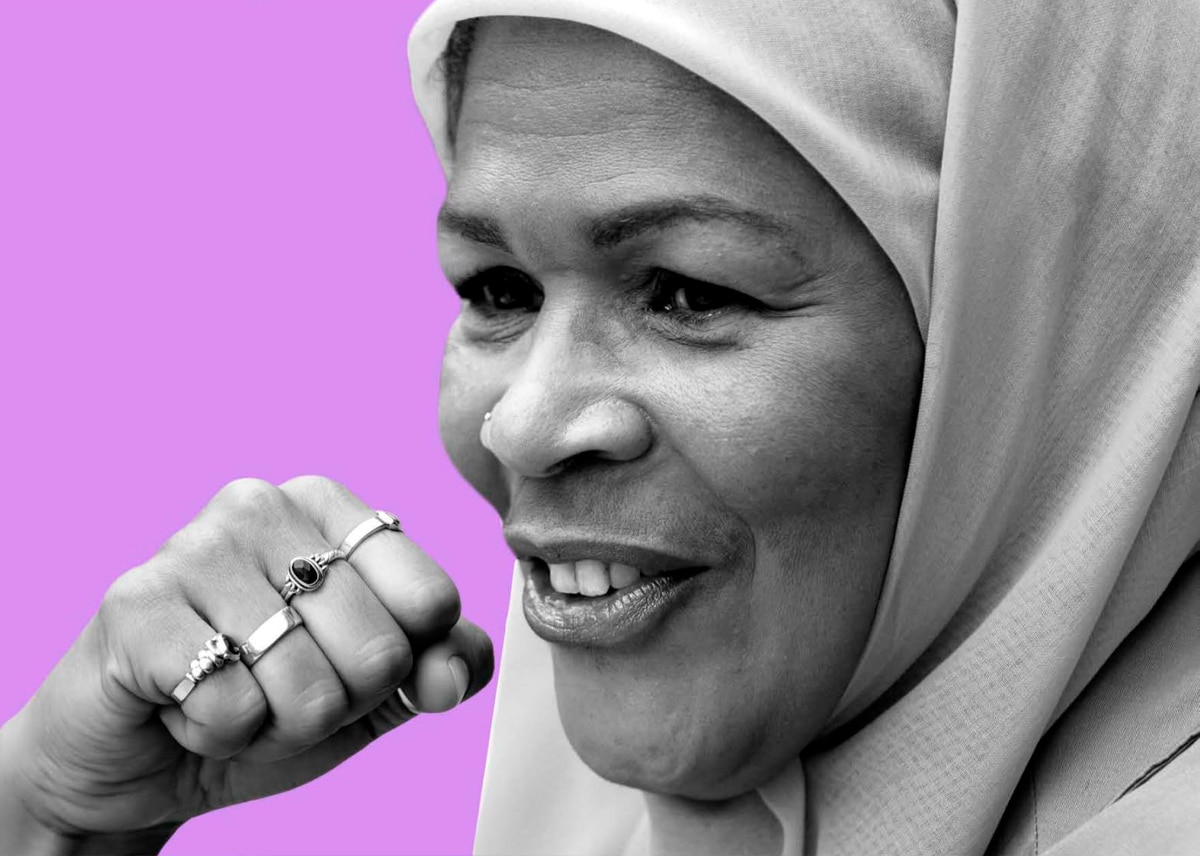
The Lady Imam
Is the world ready to catch up with amina wadud?
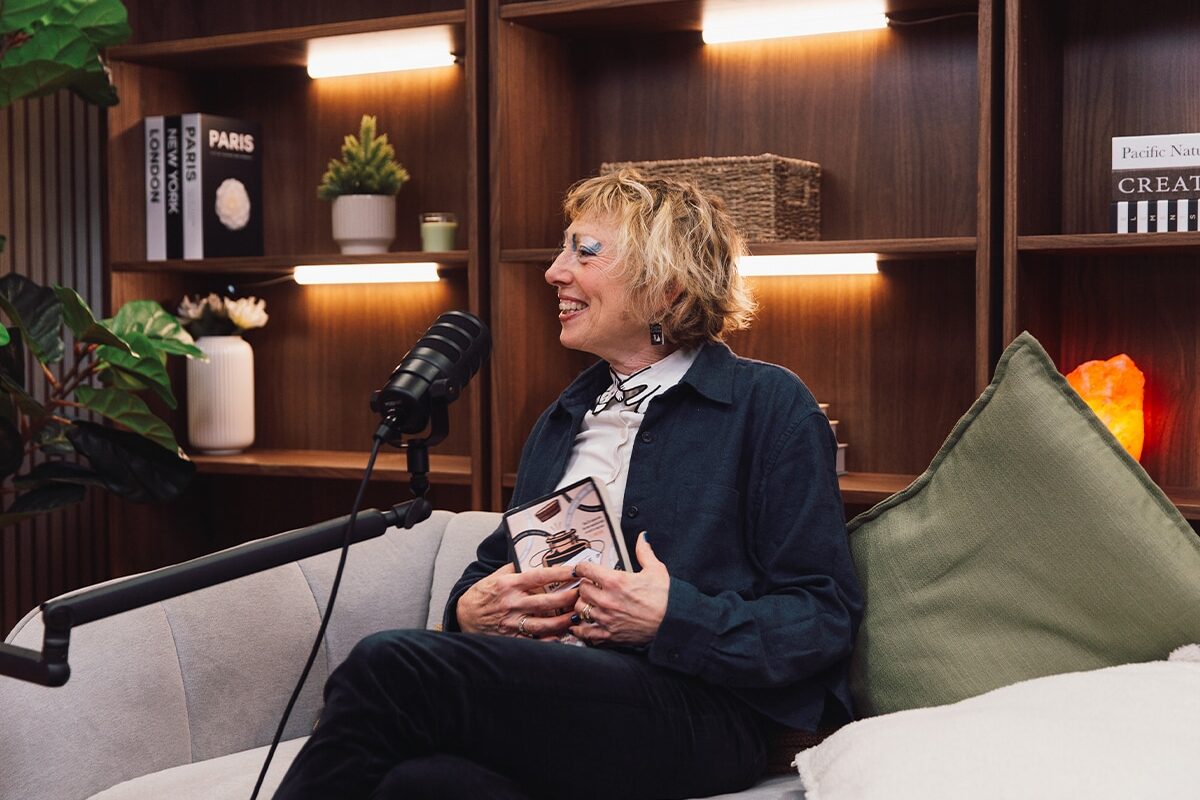
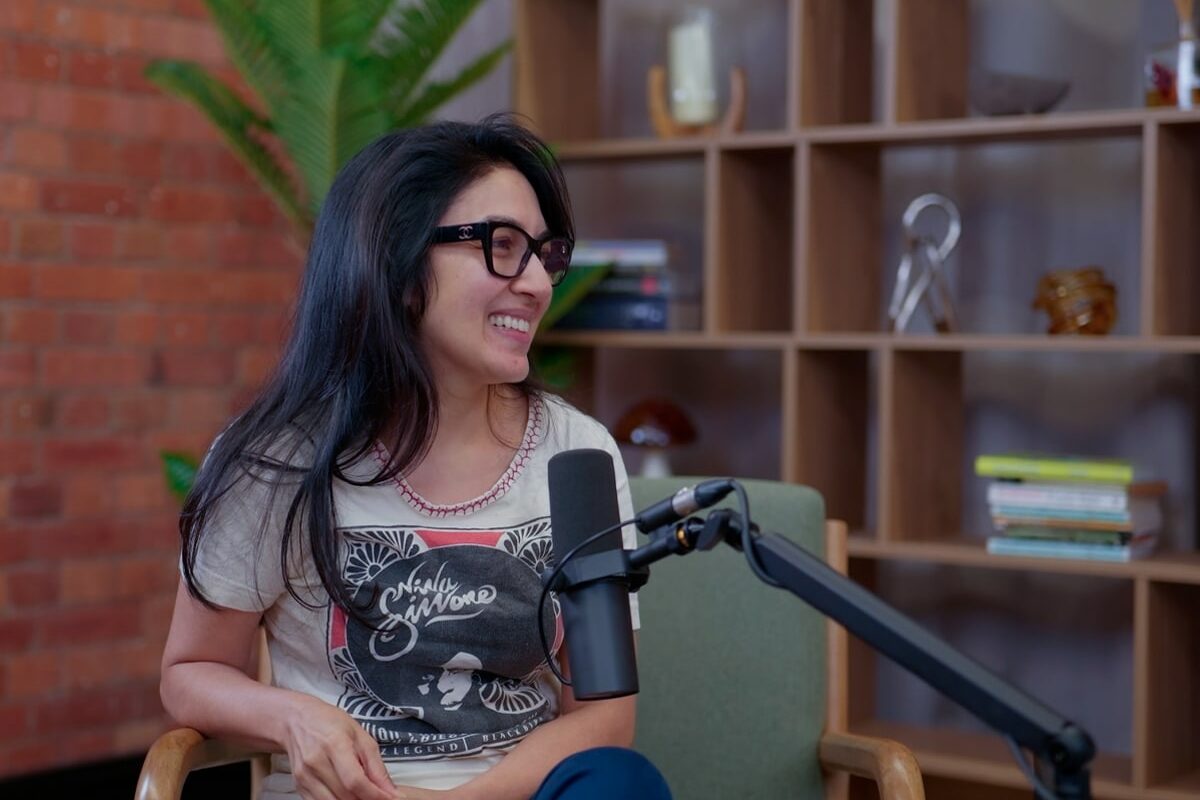
It’s being published I get paid for; the writing I would do for free
‘Any advance [...] for your novel is to compensate you for the horrors of being published'
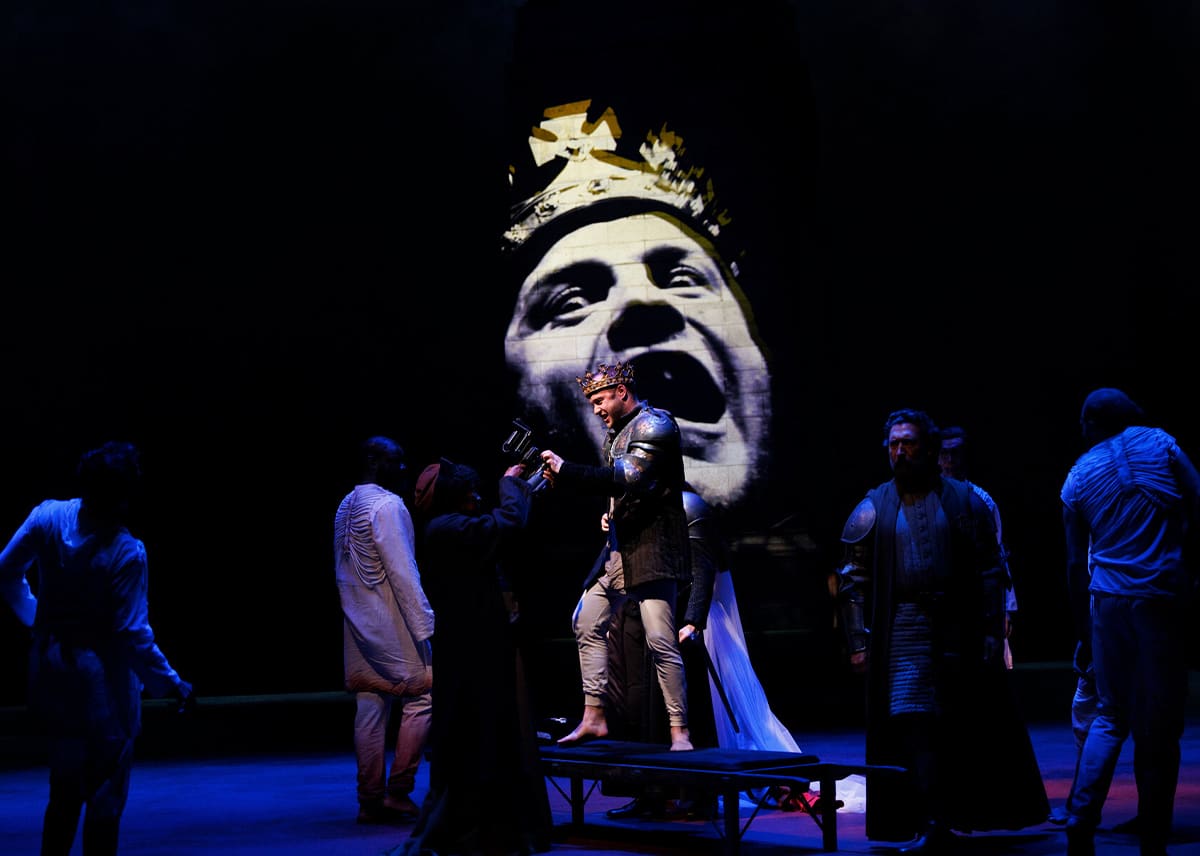
Complex antihero: an interview with Arthur Hughes
Unravelling Authur Hughes' Richard III
Marlon James: a Jamaican reckoning
'A return to a home I barely knew'


Illuminating, in-depth conversations between writers.
Listen to all episodes
SpotifyApple Podcasts
Amazon Music
YouTube
Other apps

The series that tells the true-life stories of migration to the UK.
Listen to all episodes
SpotifyApple Podcasts
Amazon Music
YouTube
Other apps
WritersMosaic interrogates the notion of ‘staying in your lane’ by asking writers how they attempt to think beyond the parameters of their cultural identity.
Listen to all episodes
SpotifyApple Podcasts
YouTube