
Between tradition and innovation: Njideka Akunyili Crosby’s cross-cultural currents
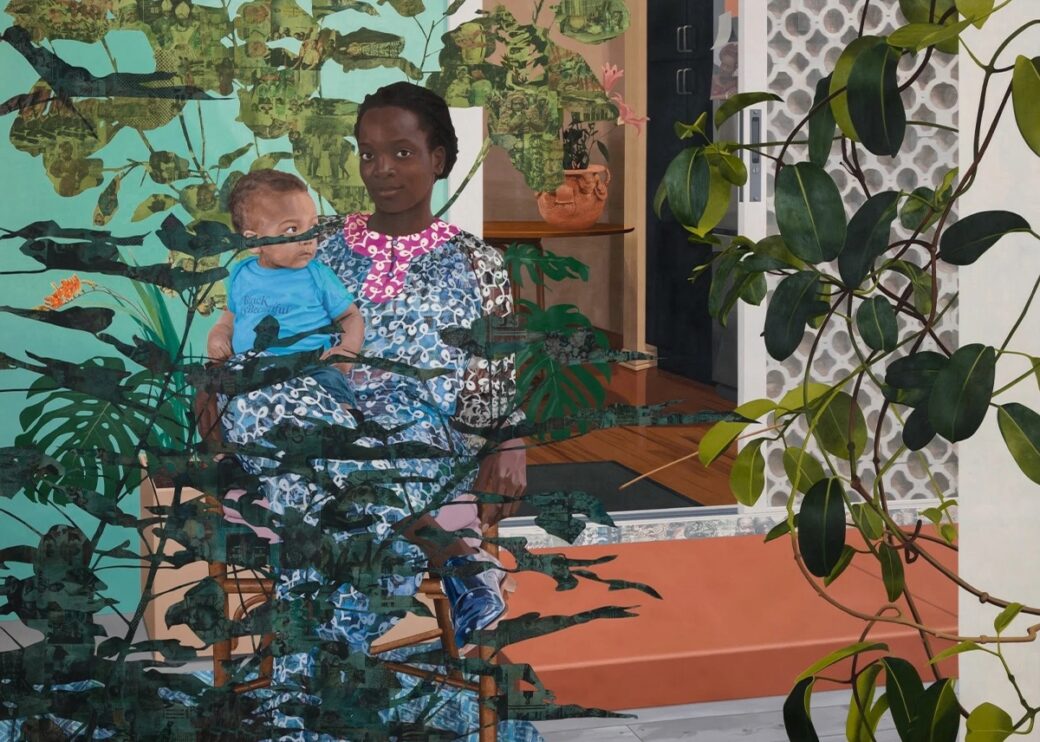
‘I want to make work that makes people feel how I felt when I saw that Kerry,’ Njideka Akunyili Crosby tells me. Speaking on the sidelines of ‘Conversations’, a two-day symposium at the Royal Academy of Arts on the work of Kerry James Marshall, the Nigerian-American artist is referring to her encounter, while a graduate student at Yale University, with ‘Untitled (2009)’. The large canvas depicts a poised and proud black woman executing her own portrait. In doing so, she invites us to reconsider the meanings and workings of power and representation.
‘I’m getting goosebumps, and this happened years ago,’ adds Akunyili Crosby of the painting, one of the first seen in Kerry James Marshall: The Histories, the rich survey exhibition of the African-American painter at the Royal Academy until January 2026. ‘It really was … I can’t. I mean, I try to explain it, but I really cannot. Look, it’s what art can do. You know [it] theoretically, but it’s something else to stand in front of a work and just feel time slow down and your brain break open. If I can do that for one person, I’ll have succeeded.’
I first saw Akunyili Crosby’s work in The Time is Always Now, a 2024 group show at the National Portrait Gallery centred around ‘the Black figure – and its representation in contemporary art’. In an exhibition that shone a light on creators past and present from across the African diaspora, her large, bold canvases caught and held my eye, not just because of their mixed media but also because of the way in which they channelled a variety of cultural influences.
Producing figurative work that engages with her status as a ‘cultural chameleon’ – she was born and raised in Nigeria and now lives in Los Angeles – is part of the task of ‘working with the tradition’ while ‘changing inherited tradition’, Akunyili Crosby says. Such tradition relates not only to the canon of Western art, with its binding and partial view of women and non-white people, but also to Nigeria’s experience as a British colony, and what she regards as the ‘vestiges’ of empire in the most populous African country.
‘I am trying to complicate things, because I’m thinking of the complication of the country I’ve grown up in and have experienced … Every time I go back home, it’s shifted a little bit from me. I’m trying to chase something that is not quite static,’ Akunyili Crosby observes. ‘Even the way I work: this thing that looks like it could be drawing, it could be painting, it could be a collage, it could be printmaking. People use different terms for it, and it’s fine with me that there’s no one thing you can call it, because it’s echoing what I am interested in.’
The difficulty of defining Akunyili Crosby is evinced by works such as ‘Predecessors’ (2013) and ‘Still You Bloom in This Land of No Gardens’ (2021). The former, which is in Tate’s collection, consists of two prints in acrylic, charcoal and pencil that show a kitchen scene and a young black woman seated in a domestic setting, respectively. Although one is tempted to say there is just one person here, and time feels fixed, other lives and moments come through: both sheets of paper carry photographs of relatives of the artist and public figures, such as the authors Chinua Achebe and Chimamanda Ngozi Adichie, while the right-hand print also depicts utensils from Nigeria’s past.
Meanwhile, ‘Still You Bloom in This Land of No Gardens’, shown in ‘The Time is Always Now’, presents Akunyili Crosby and her child in a verdant setting, dark vines overlaying parts of the artist’s bright blue and pink outfit. What at first appears a tender scene gives way to images of Christian bishops and women holding signs that read ‘Bring Back Our Girls’ – a reference to the protests sparked by the kidnapping of schoolgirls in Chibok in 2014. All the while, the title alludes to the resilience of migrants in new locales. Both of these works, then, play host to a tapestry of stories that stress political realities and shared inheritances, at the same time as they are pleasurable to the eye.
‘I never want people to think I am doing propaganda for Nigeria. I love it, but it’s a complicated space,’ says Akunyili Crosby, adding that the distance that comes with living in California has enabled her to see her birth country more clearly.
As in her work, the gap between appearance and reality was one of the main themes to emerge from the two-day symposium on Kerry James Marshall in November, which drew a varied audience: scholars, artists, curators, students and art lovers, from the UK and abroad. In view of complaints by some African Americans about their blacker-than-black skin, should we take Marshall’s subjects to be more or less than true to life? How well can they be said to represent people of colour and their histories, if that is what his art is or ought to be aiming to do? And to what extent do Marshall’s interventions in the white, masculinist tradition of portraiture move away from its codes of race and sex or reproduce them? These were some of the questions that arose between speakers, and between speakers and audience members. Not all received a definite or uncontested answer; how could they? How could they do anything but encourage us to return, changed in some way, to the work? As Akunyili Crosby puts it, ‘Look, it’s what art can do’.
Royal Academy of Arts: Kerry James Marshall: Conversations

Franklin Nelson
Franklin Nelson works for the Financial Times, commissioning and writing on UK politics, the economy and society as well as books and the arts.
Other Wild
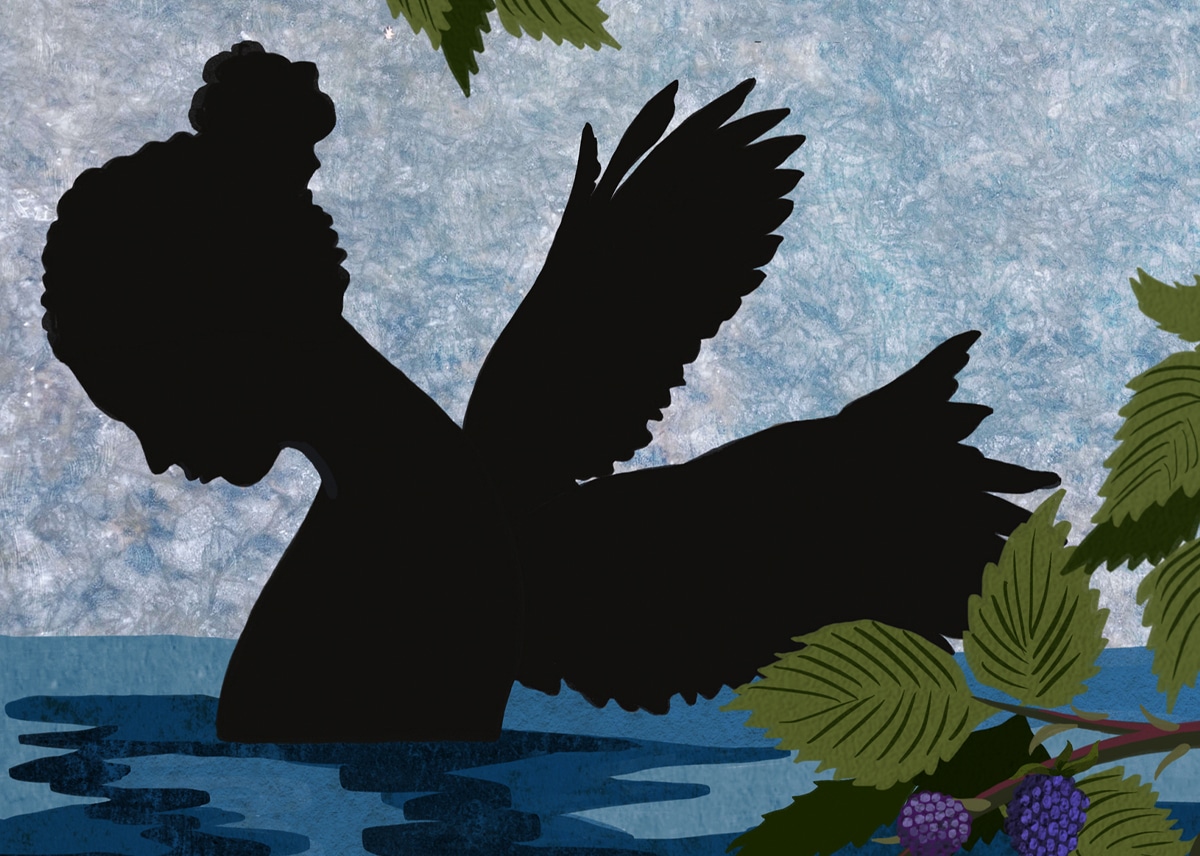
Emily Zobel Marshall invites us to heal by connecting to our senses and the natural world
Fiction Prescriptions
Co-hosts Ella Berthoud and Isabelle Dupuy introduce our new podcast series, Fiction Prescriptions: A Novel Cure, focussed on bibliotherapy. Each month listeners can write in with their dilemmas, and our dynamic duo will suggest remedies for the head and heart, drawn from books.

All the men my mother never married
A chapter from an unpublished autobiography, dedicated to my mother, Sarah Efeti Kange



Granta 173: India
A look at four short pieces of fiction from Granta's latest edition showcasing Indian writing

The Thing with Feathers
Dylan Southern’s film adaptation puts masculinity front and centre
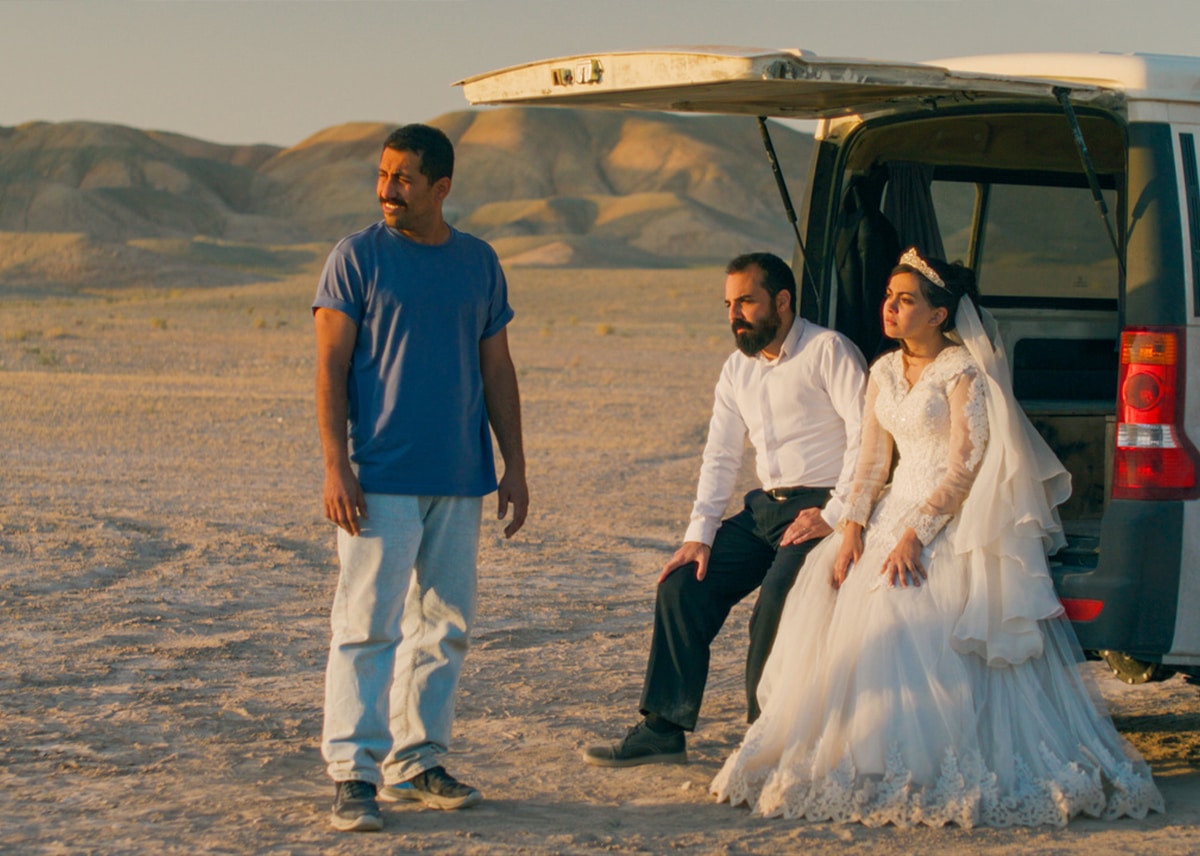
It Was Just an Accident
Iranian director Jafar Panahi's film probes the relationship between individuals, the state and violence with determined humanism
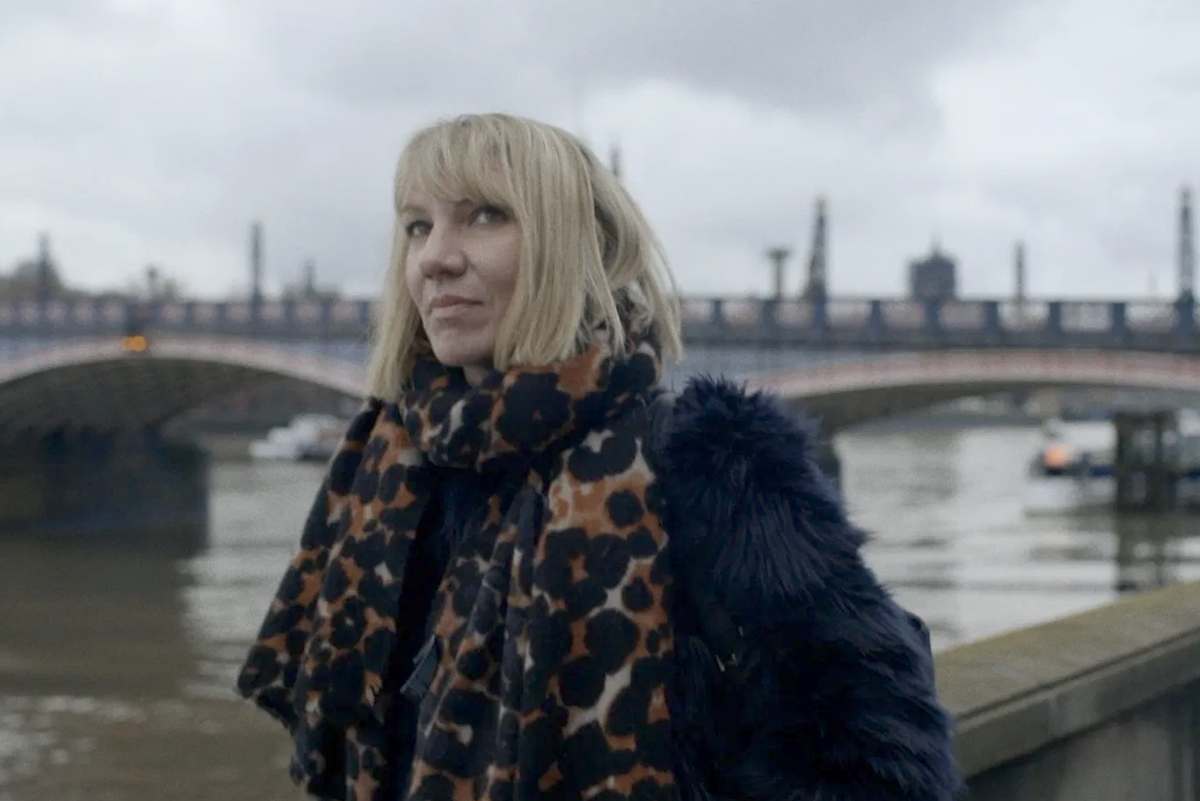
Reggae Story
Hannah Lowe reads her poem, 'Reggae Story' inspired by her Jamaican father, Chick. Directed by Matthew Thompson and commissioned by the Adrian Brinkerhoff Poetry Foundation.
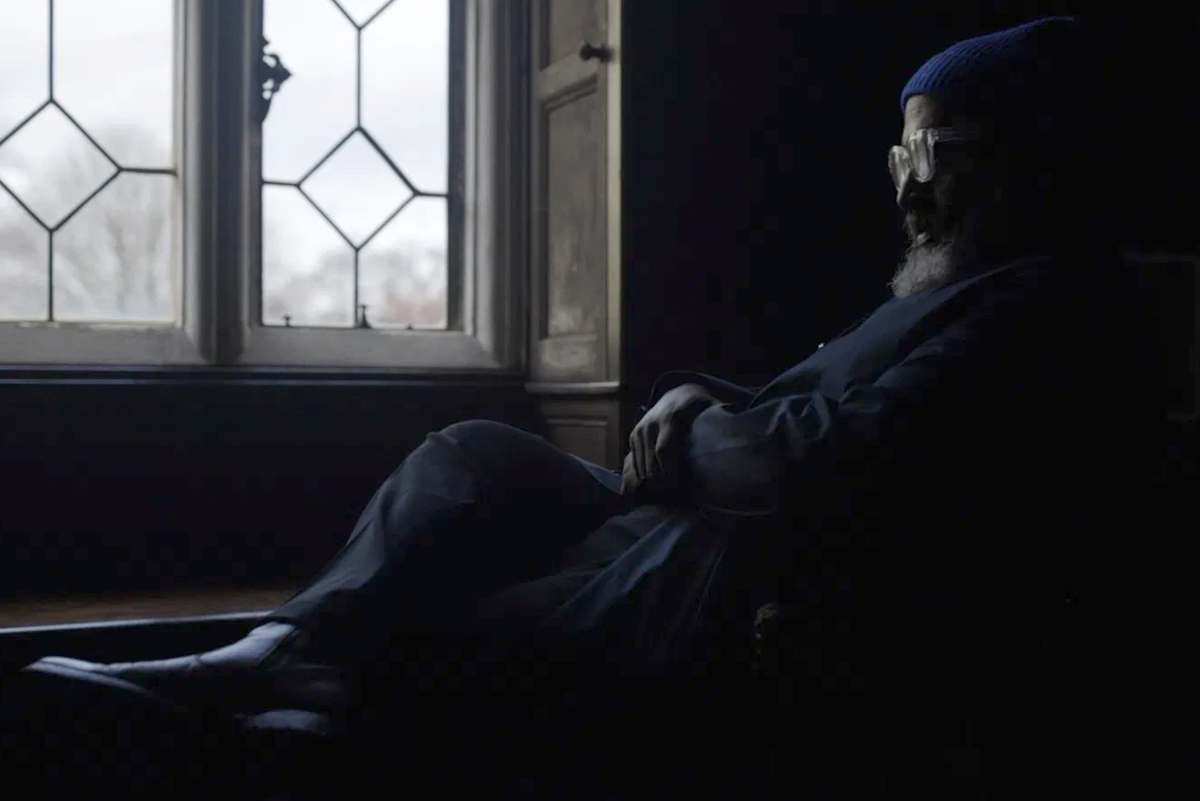
The City Kids See the Sea
Roger Robinson reads his poem, 'The City Kids See the Sea'. Directed by Matthew Thompson and commissioned by the Adrian Brinkerhoff Poetry Foundation.

Illuminating, in-depth conversations between writers.
Listen to all episodes
SpotifyApple Podcasts
Amazon Music
YouTube
Other apps

The series that tells the true-life stories of migration to the UK.
Listen to all episodes
SpotifyApple Podcasts
Amazon Music
YouTube
Other apps
Afro-Caribbean writer Frantz Fanon, his work as a psychiatrist and commitment to independence movements.
Listen to all episodes
SpotifyApple Podcasts
YouTube
A six-part audio drama series featuring writers with provocative and unexpected tales.
Listen to all episodes
SpotifyApple Podcasts
YouTube