
Other Wild

Emily Zobel Marshall
Peepal Tree Press, 2025
From its opening lines, this beautiful book is one of healing and discovery. It is also about the refusal to be defined – ‘mapped’ – by anyone else. Emily Zobel Marshall understands that these things must come through connection: to nature, to other people, to our own selves. She invites us in through our senses, our bodies.
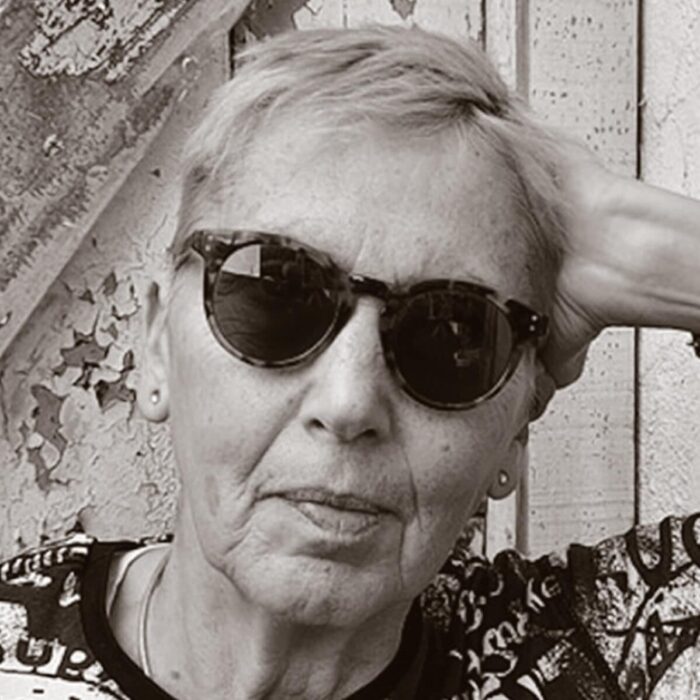
Emily Zobel Marshall is a poet of French-Caribbean and British heritage, who grew up in the Eryri mountains of North Wales. Being a swimmer, I was ‘river-pulled-in’ from the start, to ‘take a breath/so deep your wandering body returns’ (‘How To Get Back Into Your Body’). But if you prefer dry land, Other Wild brims with mountains, moors, forests.
With wisdom and sensuality, she shows us that we’re not separate from nature, since nature is already in us. She creates immediacy, hyphenating verb and noun, ‘lung-squeezing’, ‘ling-heather-blending’ (‘The Ptarmigan’), while lightly guiding us to venture deeper. Any nostalgic tropes of nature or childhood are instantly overturned: ‘poisons on the doorstop, towering spears/of monkshood’ (‘When I Return’). She also challenges notions of who is ‘other’, claiming her place in the landscape, in ‘fells [that] have rarely seen/mixedness like mine’ (‘Sky Claim’). To do so, she conjures the ancestral voices of mythical women, (‘Come Mami Wata’) calling to the ‘many-faced African womanfish’, or Welsh Blodeuwedd, drawing on their energy and strength, caring for them in return. Love of the land hangs in the balance with the brutal history of what has been done by its colonisers:
‘under the sweetness I hear the slash
of cane-cutting cutlasses wielded by ancestors buried
in unmarked graves’ (‘Martinique, I Hear’).
For this book is as much about people as it is about the natural world. Details such as the little bows on a nurse’s socks (‘Nurse Charlotte’), the poet’s father’s ‘green wellies’ (‘Why I Hated You At The Bus Shelter’), or the taste of coffee on a lover’s tongue (‘Hide And Seek’) provide vital connections, without which life is unbearable.
Emily Zobel Marshall writes with both honesty and immense tenderness about her parents, who forged ‘bold and different’ dreams in the 70s (‘All My Lovin’’). Her teenage self struggles to escape family, while as an adult she faces the ageing of her parents (‘Disappearing Dad’) and the devastation of losing her mother (‘Things We Might Have Done On Your Birthday’). Here too, she remembers how the family were ‘othered’: ‘out of place in our too-bright clothes’. Nor does she shy away from the joys and complexities of bringing up a boy (‘There Are Days’), or the fragility and astonishing resilience of a daughter (‘Cartwheeling’). Motherhood itself can contain ambivalence: a hedgehog abandons her hoglets ‘for no discernible reason’ (‘Left’), while the poet dreams of forgetting to feed a new child as she’s too busy reading books and walking (‘Conduit’). In the end, it’s her own ‘wild creature’ she discovers bathing in the river, one who can ‘fend for herself’ and be ‘lifted closer to the stars’.
But what if nature can’t provide the solace we seek: ‘No comfort in the rocks, no blessing carried in the bell-heather’s rattle’? What if nature seems to turn away? (‘Blind Night’)? Our answer comes through writing our ‘thirst’, through ‘Dreaming Trees’. In creativity, in imagination, we find the only real power we have. Though we can’t necessarily control everything through creativity, it carries us to where we need to go, to seek freedom like the ‘wooden boulder, cast in a churning river’ (‘Wooden Boulder’). Instead of reaching stillness, we may celebrate our ‘inability to lie quiet’ (‘Retreat’).
And Emily Zobel Marshall knows that healing won’t come without anger. Like much-needed rain after drought, anger comes loud and clear: her mother’s dignity, holding her head high in a supermarket when faced with racist aggression (‘I Live Here’); the solidarity and rage of Black Lives Matter (‘Oluwale Rising’); or the confronting of everyday sexism and sexual pressure on girls growing up (‘I’ll Show You Mine And You Show Me Yours’), an ‘important’ poet turning abusive (‘Dick Pic’), the arrogance and entitlement of those accustomed to wielding power, such as the ubiquitous man who blocks a swimming lane (‘Lane Share’) or ‘The Range Rover Asshole’. Ultimately, ‘We are all witches’ (‘Witch’), needing to take back power.
Whether writing with tenderness or anger, Emily Zobel Marshall opens up space for herself, and so for all of us. She never allows herself to be corralled or diminished (‘Let Me Map You, He Said’). She discovers ‘Smaller Things’ in ‘dereliction’, finds renewal both in and outside of herself – in the rhythm of ‘heart-beat and foot-beat’ (‘Looking For Answers in the Fog’) – and that is true poetry.
WritersMosaic monthly
Get new writing in your inbox
One email monthly, unsubscribe anytime
It’s being published I get paid for; the writing I would do for free
‘Any advance [...] for your novel is to compensate you for the horrors of being published'
Complex antihero: an interview with Arthur Hughes
Unravelling Authur Hughes' Richard III
Marlon James: a Jamaican reckoning
'A return to a home I barely knew'


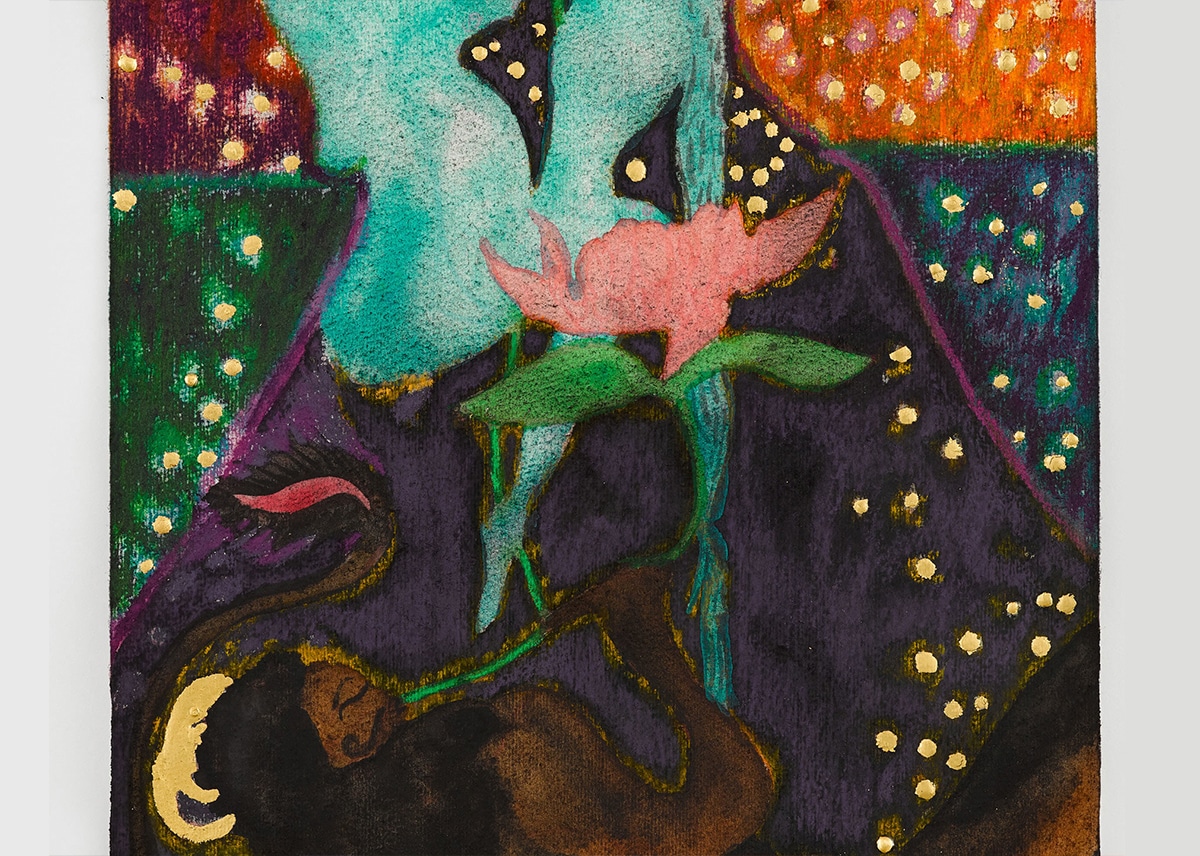
Haunting the Black Air
Poetic freedom across space and time
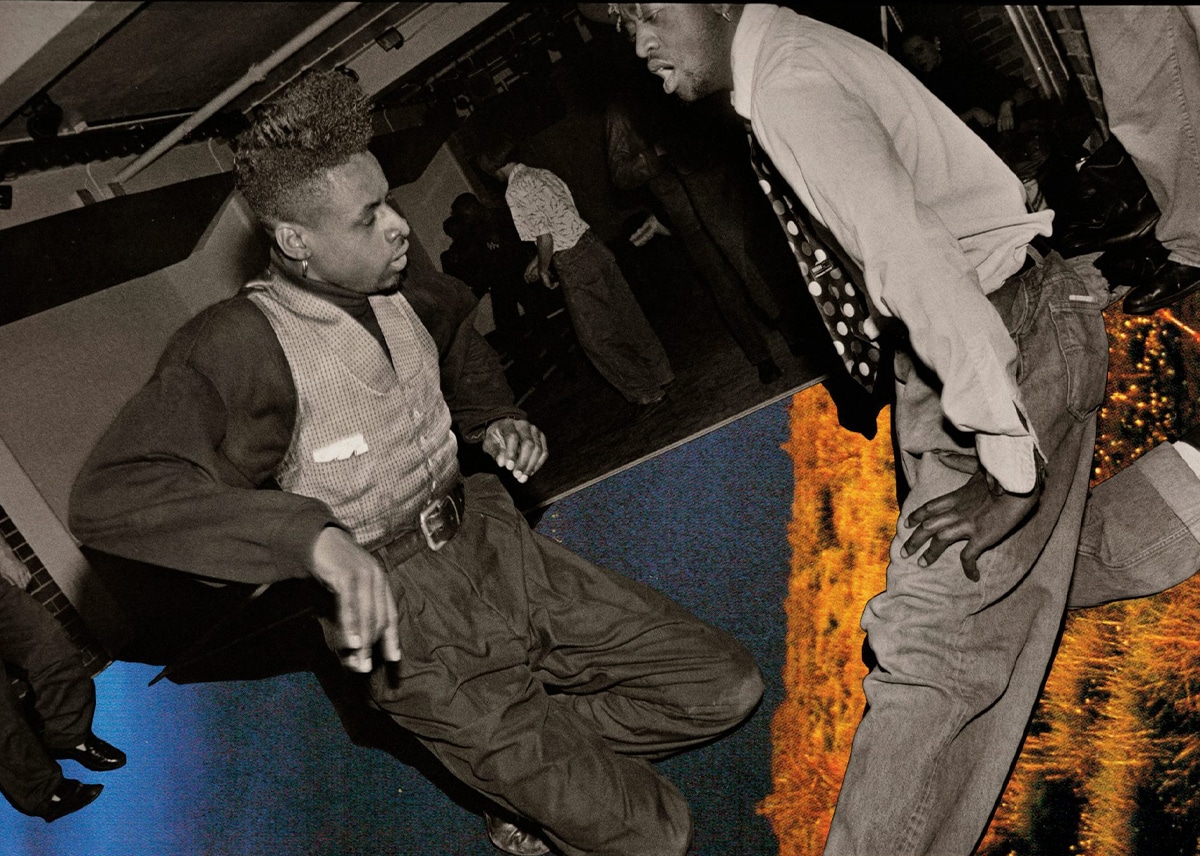
The Disappearers
A sprawling visceral experience that drops you in head first
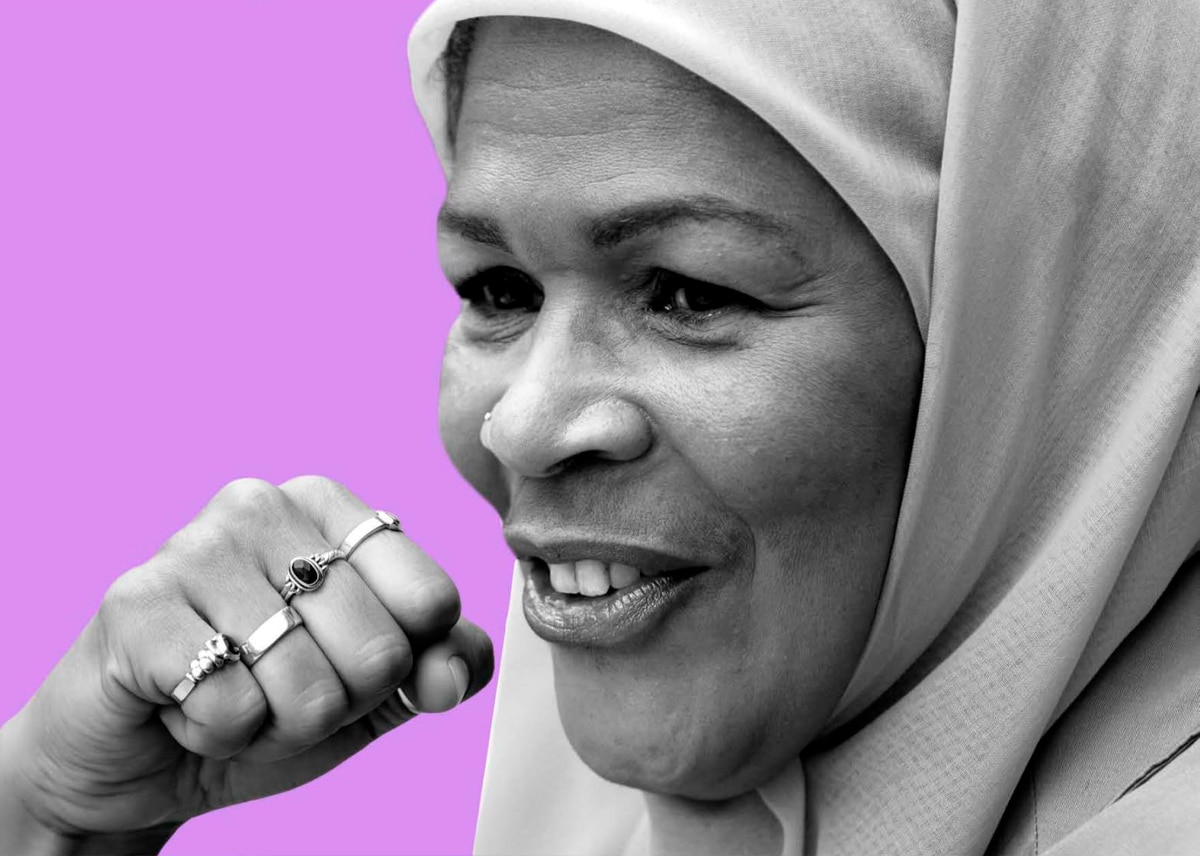
The Lady Imam
Is the world ready to catch up with amina wadud?



Illuminating, in-depth conversations between writers.
Listen to all episodes
SpotifyApple Podcasts
Amazon Music
YouTube
Other apps

The series that tells the true-life stories of migration to the UK.
Listen to all episodes
SpotifyApple Podcasts
Amazon Music
YouTube
Other apps
WritersMosaic interrogates the notion of ‘staying in your lane’ by asking writers how they attempt to think beyond the parameters of their cultural identity.
Listen to all episodes
SpotifyApple Podcasts
YouTube