
Fiction Prescriptions

Listen to the podcast preview now
‘Bibliotherapy has been around since Aristotle. Fiction Prescriptions: A Novel Cure aims to cure people of their ailments through fiction.’
Write in with your dilemmas and our dynamic duo will suggest remedies for the head and heart, drawn from novels, poetry and prose collections.
Contact Isabelle and Ella for a literary check up here:
writersmosaic.org.uk/a-novel-cure-dilemmas/
Isabelle Dupuy (ID): Welcome to A Novel Cure. I’m Isabelle Dupuy. I’m a writer.
Ella Berthoud (EB): And I’m Ella Berthoud, and I’m a bibliotherapist and an artist.
ID: We are here today because we want to bring to the world bibliotherapy.
EB: So bibliotherapy has existed for a very long time, since the time of Aristotle, but me and my friend, Susan Elderkin, started it off at the School of Life in 2007, when we thought it would be a fantastic thing to bring the joys of curing people through fiction to the public. So we started that back then, and since that time, together we’ve seen hundreds and thousands of people in different contexts at the School of Life and also at festivals around the world. But my day job is to talk to people about their lives and their reading and give them prescriptions in the form of novels. So me and Suze wrote this book, The Novel Cure: An A-Z of Literary Remedies, in 2013, and that is a kind of medical handbook where you can look up any ailment from apathy to arrogance to sibling rivalry, moving house, being a mother-in-law, having a mother-in-law, some very serious ailments like loneliness and depression and suicidal thoughts, and some much more frivolous. And all of these, you get a cure in the form of a novel, hence The Novel Cure. But it has been translated into many different languages, 22, I think, around the world. And when that process was happening, we discovered lots of other books because each editor was allowed to change up to 25% of all the books. So we then found lots of other books as well, which we hadn’t thought of. So it’s been an ever-growing phenomenon, really, thinking about all the novels that we can use to cure life’s ailments. In this book, there’s a lot of different ailments. And there’s also the very obvious ailments of broken heart, broken leg, and broken china.
ID: Oh my God, yes. And this is where I discovered Ella and bibliotherapy. I was going through a divorce, 20-year marriage, three young children, in a foreign country, shattered career, broken heart, and broken china on the way to the broken heart. No broken leg, fortunately. And nothing was working. I could not raise my head above my grief. I even tried seeing my priest. I read self-help books. I went to therapy. But the thing that finally made me smile and made me see my sorrow no longer as tragedy was the work of fiction, was Nora Ephron’s Heartburn. Her characters were obviously unconcerned with my life, unconcerned with my own drama, but the way she handled her own divorce in this story made me see that fiction does something. I mean, life sucks for all of us, but life is always interesting. And so Ella and I met at a Wagamama’s for lunch in Brighton in November, and the idea came of bringing A Novel Cure. And Nora Ephron was her choice for heartbreak, was one of her choices for heartbreak. So it was, yes, it was meant to be.
EB: We both love it, partly because it’s funny. I mean, it’s a very funny book, but it’s dealing with a very serious matter, but it makes it kind of lighthearted.
ID: Exactly. It takes the tragedy out because it becomes a shared experience. And she’s the one actually who had the line, ‘Tragedy plus time equals comedy.’
EB: Nice. I like that.
ID: And she really puts it into action in that book, and it gives you perspective.
EB: Yeah, so hearing your experience of self-medication with Heartburn made us talk further about all the things that we could do with bibliotherapy and bring it out to an audience and see what ailments and preoccupations people are having at the moment.
ID: And solutions we could offer. I’ve been teaching a class on short story and poetry, and so we thought we could maybe add that as kind of like ginger shot-type of cures.
EB: Nice. Exactly. [ID laughs] I like that. Yeah.
ID: So we will be here every month with a topic and waiting for your questions.
EB: Absolutely. So send them in, and we’ll look forward to curing you [ID laughs] with our various literary attempts.
The full text is available as a PDF here: Fiction Prescriptions: A Novel Cure preview
Next time on Fiction Prescriptions: New Year’s resolutions. Bibliotherapy for the head and heart. Concerned about your New Year’s resolutions, the folly of making them, the impossibility of keeping them? Ella Berthoud and Isabelle Dupuy dive into novels and offer literary prescriptions.
(Playful book chat only – not medical advice. If you need serious support, contact samaritans.org)
Isabelle Dupuy
Isabelle Dupuy is a writer and broadcaster.
Ella Berthoud
Ella Berthoud is a bibliotherapist, visual artist and novelist.
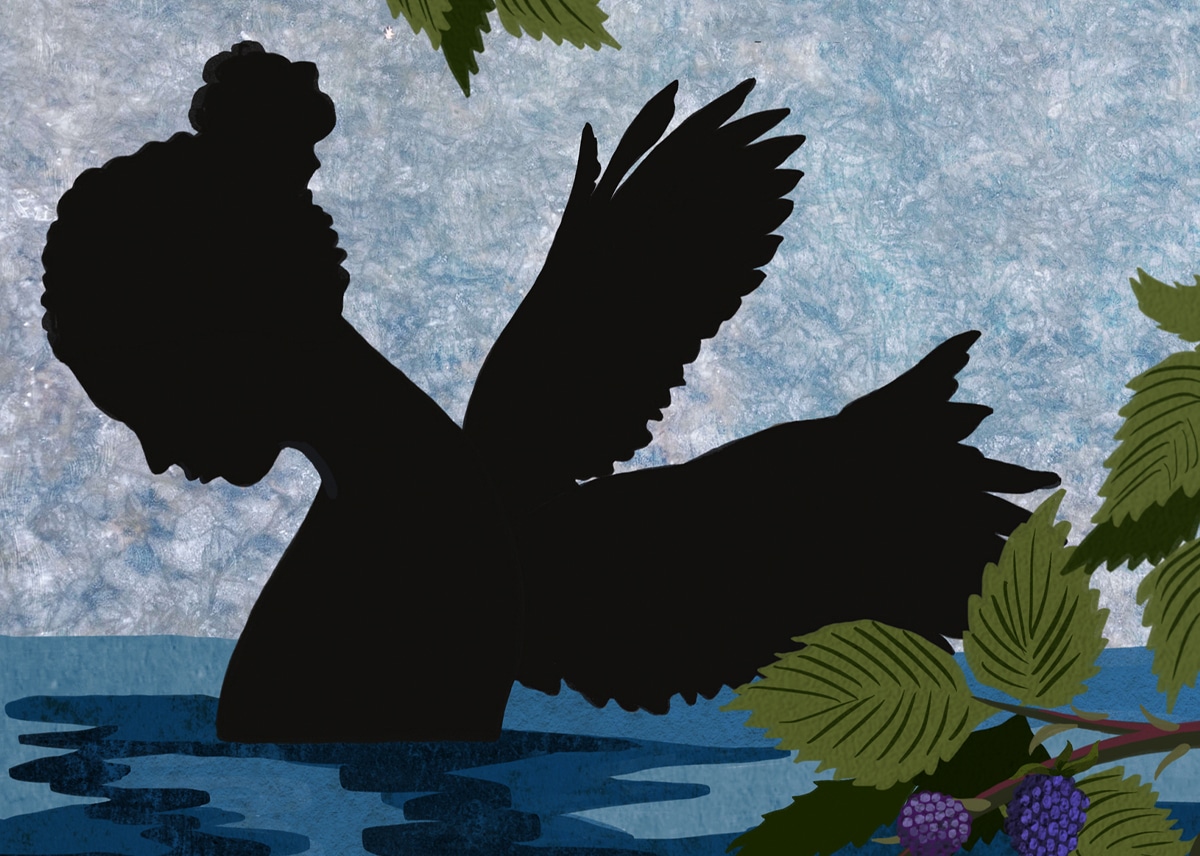
Other Wild
Emily Zobel Marshall invites us to heal by connecting to our senses and the natural world

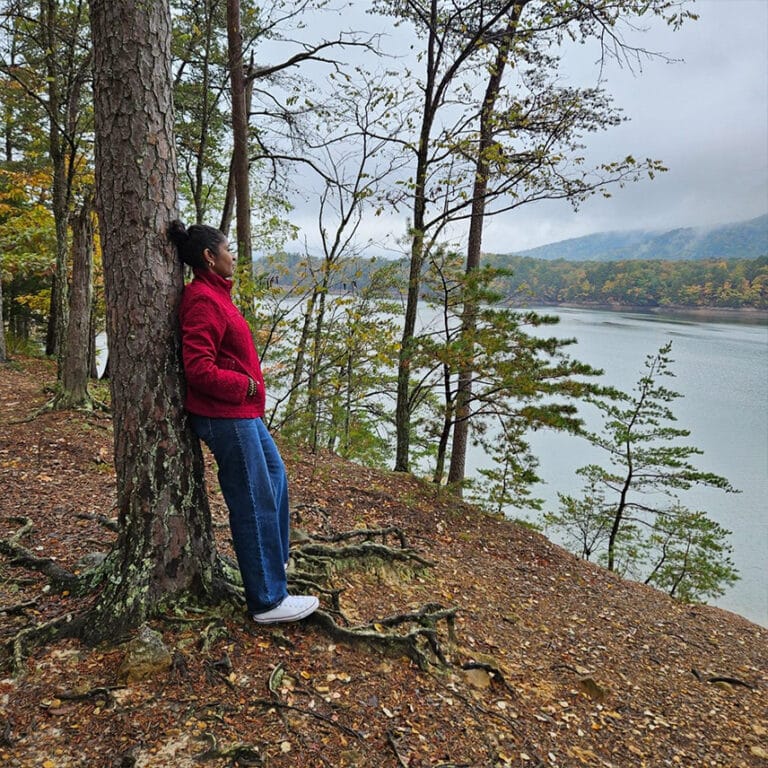
Britain on the way home
'It is not their flags we should be afraid of, but their anger.'

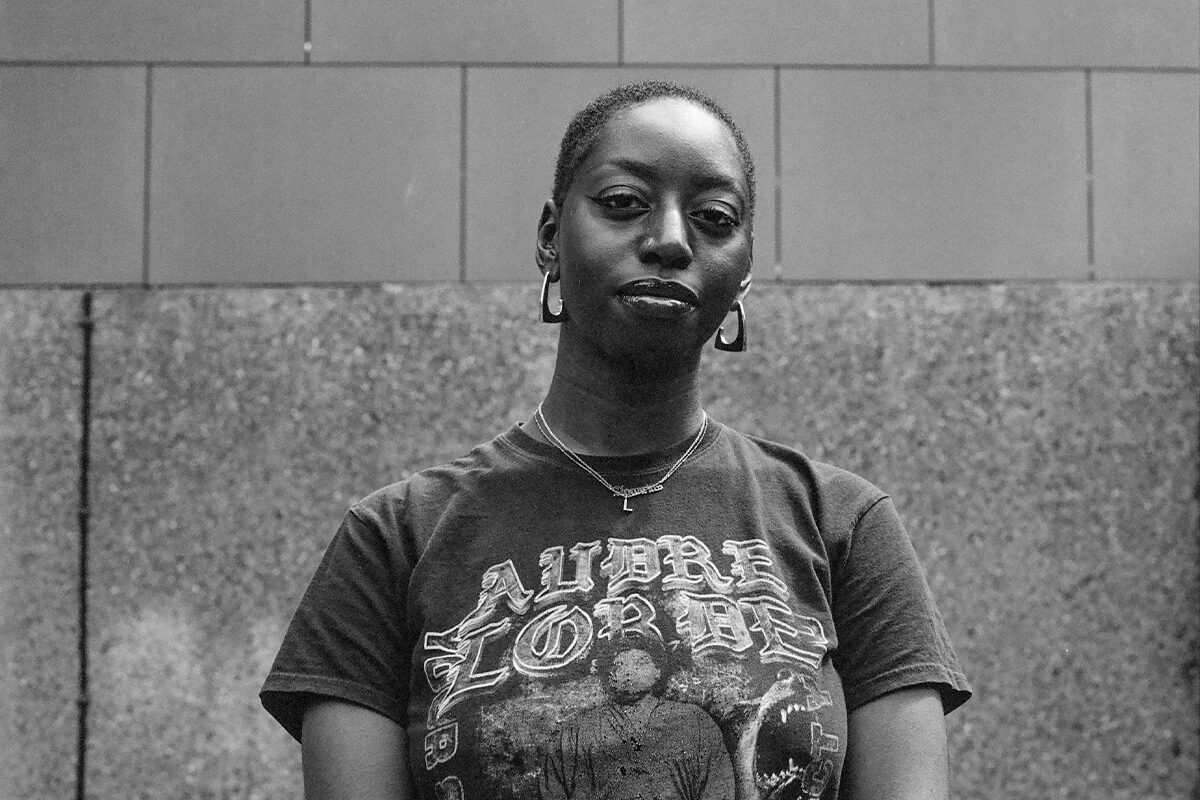
All the men my mother never married
A chapter from an unpublished autobiography, dedicated to my mother, Sarah Efeti Kange




Granta 173: India
A look at four short pieces of fiction from Granta's latest edition showcasing Indian writing

The Thing with Feathers
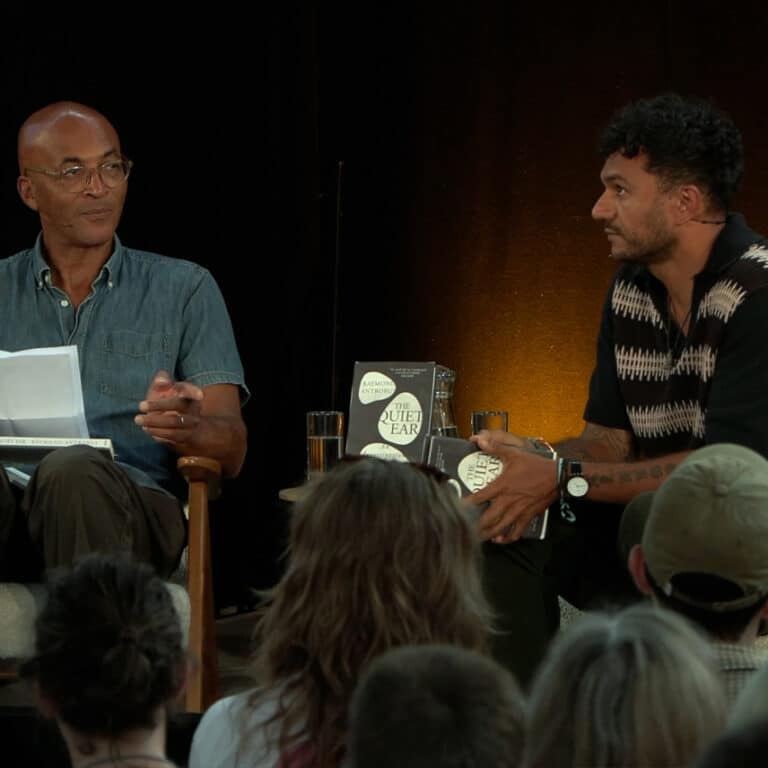
Dylan Southern’s film adaptation puts masculinity front and centre
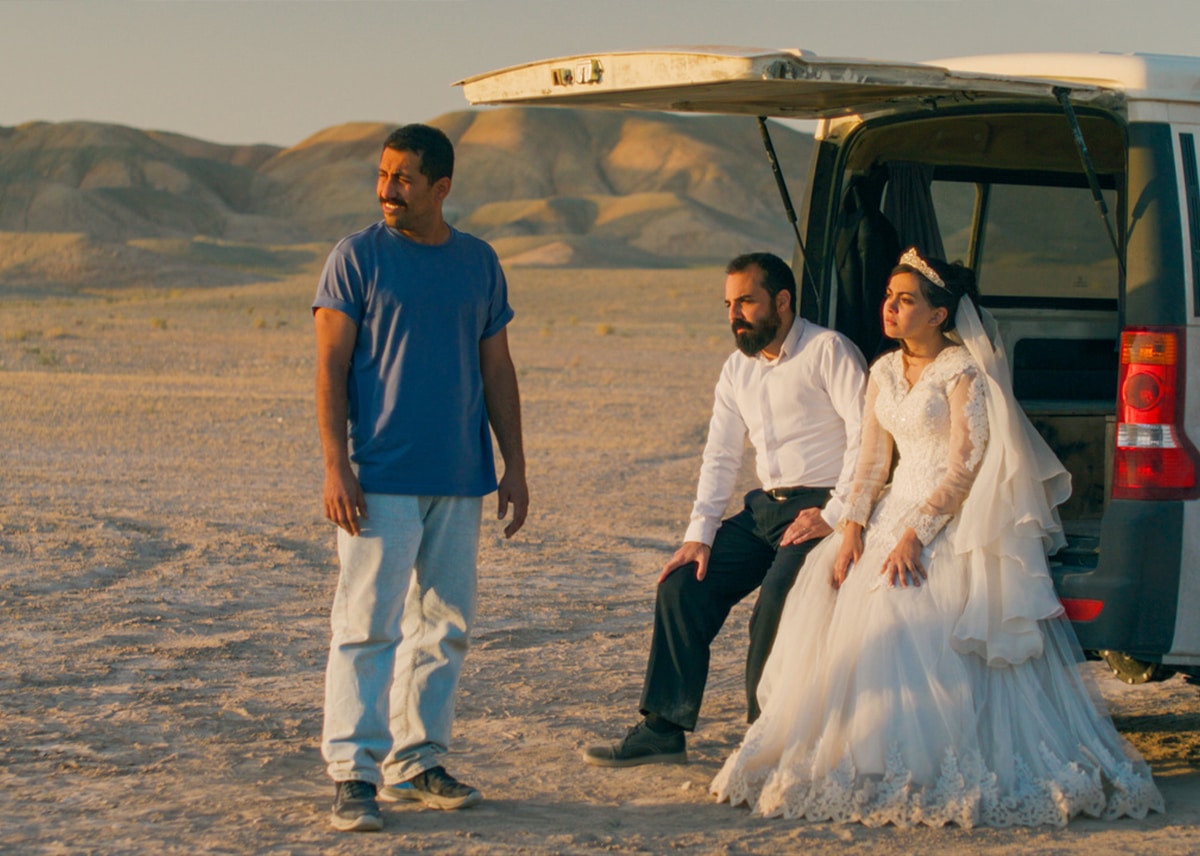
It Was Just an Accident
Iranian director Jafar Panahi's film probes the relationship between individuals, the state and violence with determined humanism
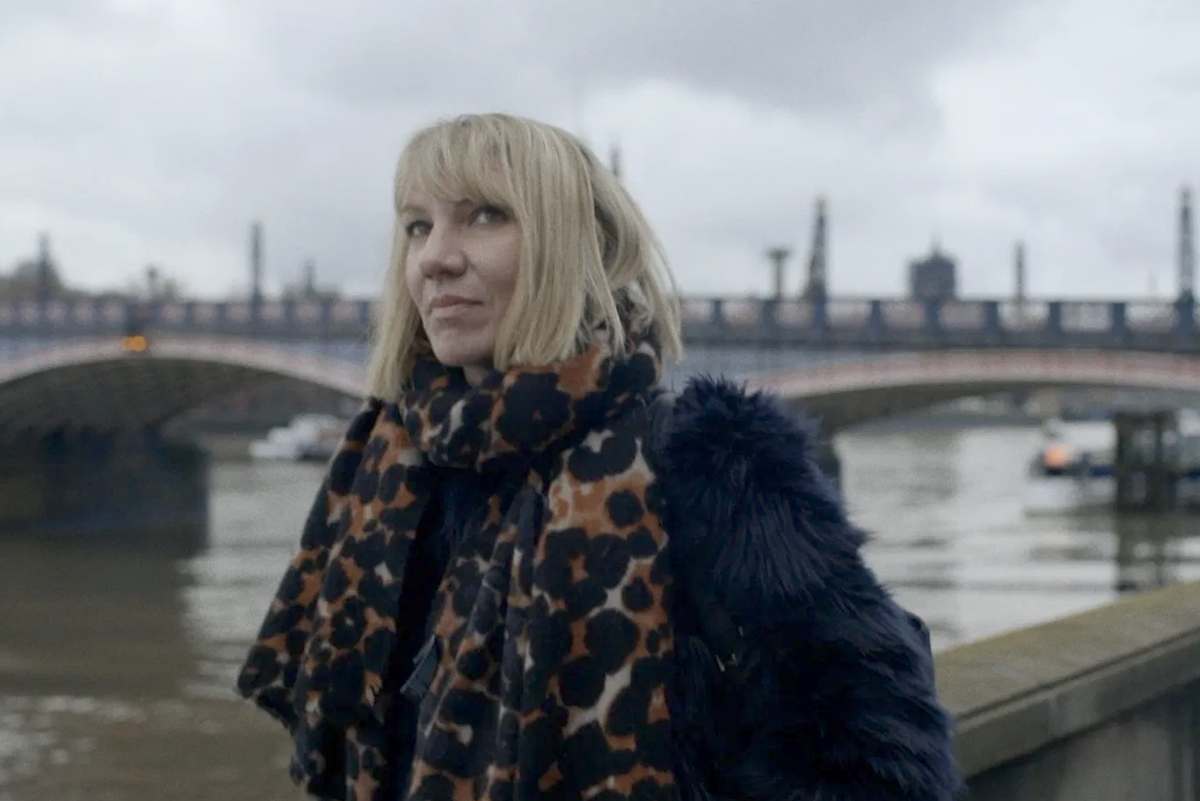
Reggae Story
Hannah Lowe reads her poem, 'Reggae Story' inspired by her Jamaican father, Chick. Directed by Matthew Thompson and commissioned by the Adrian Brinkerhoff Poetry Foundation.
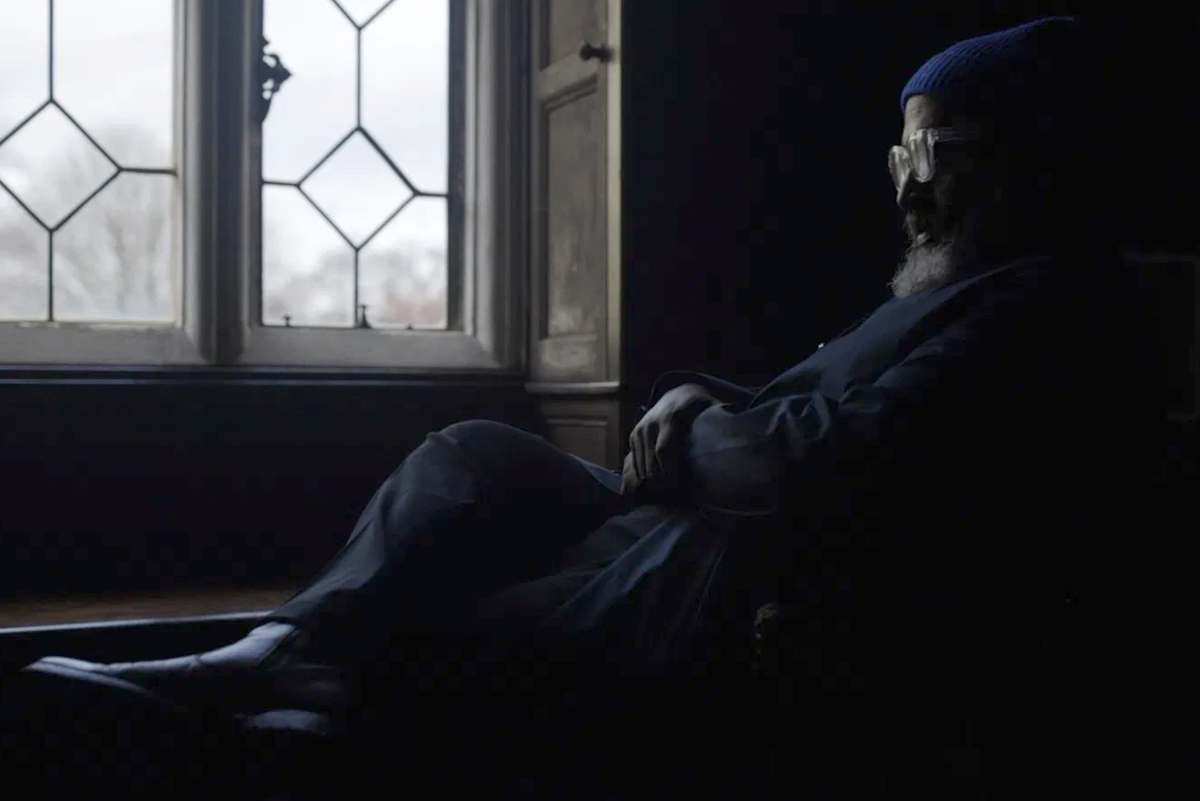
The City Kids See the Sea
Roger Robinson reads his poem, 'The City Kids See the Sea'. Directed by Matthew Thompson and commissioned by the Adrian Brinkerhoff Poetry Foundation.

Illuminating, in-depth conversations between writers.
Listen to all episodes
SpotifyApple Podcasts
Amazon Music
YouTube
Other apps

The series that tells the true-life stories of migration to the UK.
Listen to all episodes
SpotifyApple Podcasts
Amazon Music
YouTube
Other apps
Afro-Caribbean writer Frantz Fanon, his work as a psychiatrist and commitment to independence movements.
Listen to all episodes
SpotifyApple Podcasts
YouTube
A six-part audio drama series featuring writers with provocative and unexpected tales.
Listen to all episodes
SpotifyApple Podcasts
YouTube