
Is the future real?

‘Ved,’ says Keteki, one of the two protagonists of my novel Keeping in Touch to the other, ‘I don’t really think I believe in the future.’ It’s only partly a brush-off, but not only. Is the future real, or merely a continually devolving not-now?
For myself, I’m unsure what utility there is in the concept of the past. Naturally, it’s a nonlocal place where we spend a lot of our time, either retreating from, repeating, or recriminating over what we tell ourselves occurred, but it’d be difficult to draw a map of it, so shifting are its sands. Every time we recall a memory, we are in a sense recreating it, in ways that alter the supposed original.1 Pasts may exist, but what interests me is that, subjectively, each past is less of a monolith than our language in relation to it suggests. After a certain point, what I think about what has happened to me has more importance, in my own experience, than the simple facts, as if facts ever were simple. This is where the imagination, that much mistrusted faculty, has incredible power. A past unhappiness can be transformed – not literally, as might be the case in delusion, or denial – but experientially. Suppose that I didn’t enjoy secondary school. I could, every time I thought about that, flinch afresh, relive a memory of the smell of the corridors, the ever-cooling radiators, the apparently unending nature of mandatory education and the ever-receding distance of my sixteenth birthday. Or I could imagine it was quite other – give myself an imaginary friend I didn’t have or see myself enjoying that period of time, calmly unbothered by being different from those around me, enjoying the things I enjoyed (reading, or painting) quietly and without embarrassment. Just the thought of it puts me in a good mood. And why not? Why should one period of discomfort infect everything that follows, even if time really were as linear as we have sometimes pretended (past, present, future) that it is?
Even the conception of a person as a continuous being through different periods of time – accruing, learning, making ‘progress’ – is an idea that deserves questioning. In Buddhism, the term shunyata (literally nothingness, but here, more usefully, vacuity) is used for the idea of the self. The nameplate is on the door, but no one’s home, or not the same person. Instead, in fiction as well as in the sometimes wearying business of living, discontinuity is a friend. The most everyday but still remarkable discontinuity is waking up in the morning and taking a minute to remember where I am, which country, what name, and so on. At times, before the first cup of coffee, it can all seem arbitrary. What if it is? At every moment, it’s a choice: will I pick up all the givens, the second-hand house clearance of the ‘past’? Or, just this once, will I sidestep it?
WritersMosaic monthly
Get new writing in your inbox
One email monthly, unsubscribe anytime
It’s being published I get paid for; the writing I would do for free
‘Any advance [...] for your novel is to compensate you for the horrors of being published'
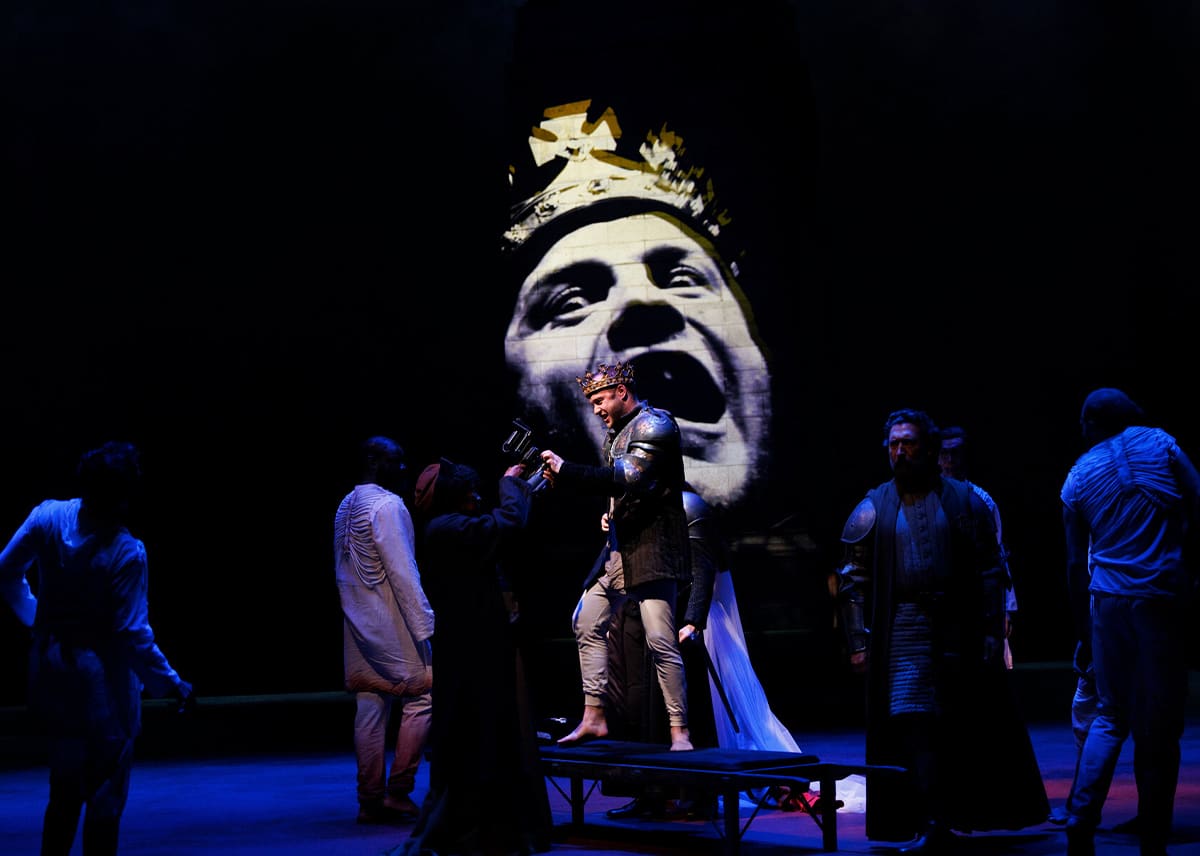
Complex antihero: an interview with Arthur Hughes
Unravelling Authur Hughes' Richard III
Marlon James: a Jamaican reckoning
'A return to a home I barely knew'
Haunting the Black Air
Poetic freedom across space and time
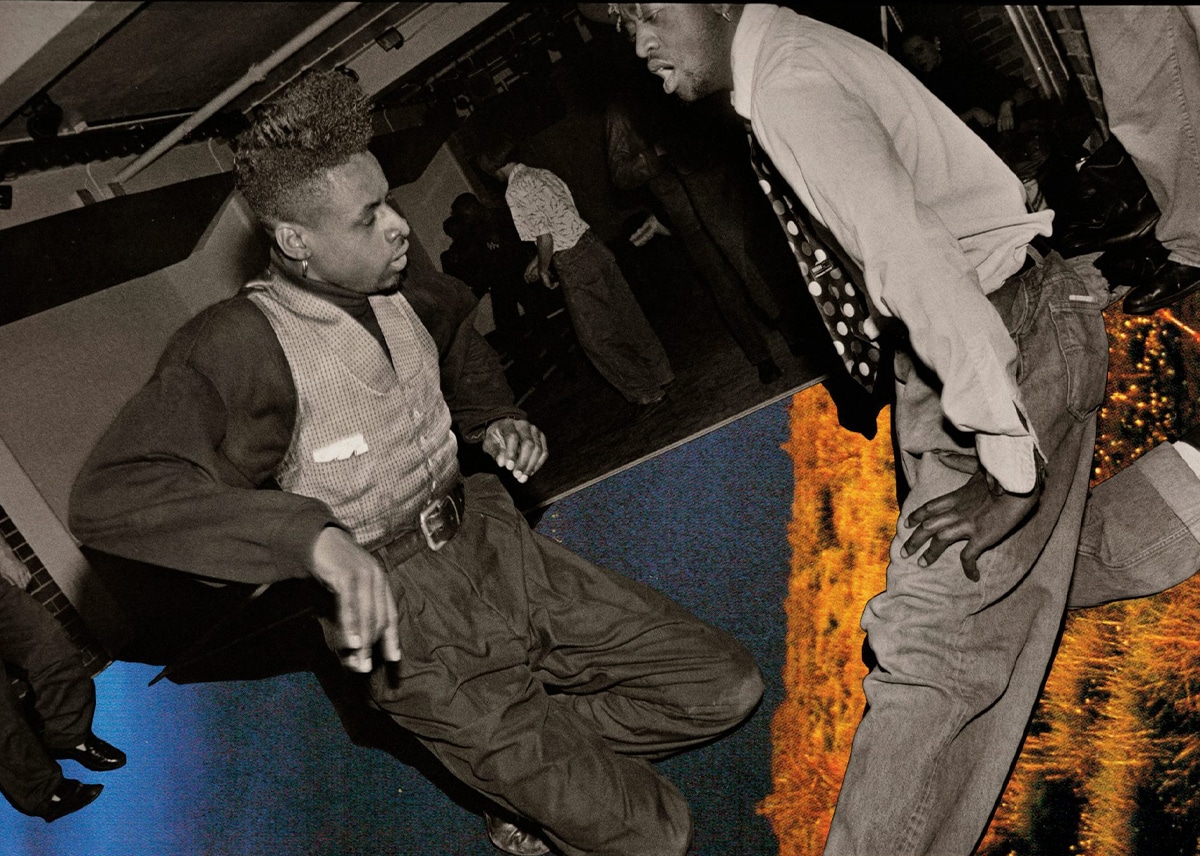
The Disappearers
A sprawling visceral experience that drops you in head first
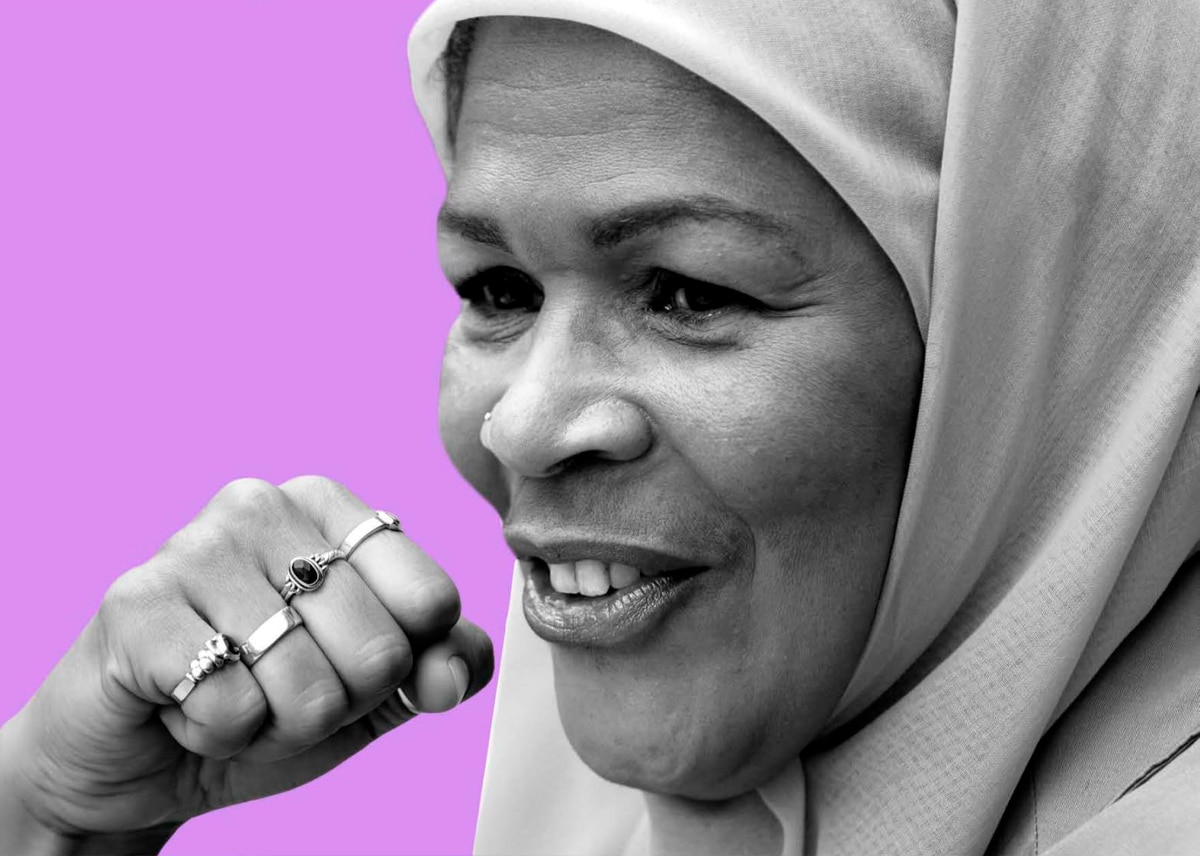
The Lady Imam
Is the world ready to catch up with amina wadud?


Illuminating, in-depth conversations between writers.
Listen to all episodes
SpotifyApple Podcasts
Amazon Music
YouTube
Other apps

The series that tells the true-life stories of migration to the UK.
Listen to all episodes
SpotifyApple Podcasts
Amazon Music
YouTube
Other apps
WritersMosaic interrogates the notion of ‘staying in your lane’ by asking writers how they attempt to think beyond the parameters of their cultural identity.
Listen to all episodes
SpotifyApple Podcasts
YouTube