
Poetry Africa
Poetry Africa 2025: A Personal Reflection
Poetry Africa has been a cornerstone of South Africa’s literary and performance scene for more than two decades, celebrating voices from across the continent. Its annual festival in Durban is a crucible of creativity, where emerging poets meet established artists, and spoken word becomes a form of activism. Among these voices is Siphindile Hlongwa, the Senior Administrator and Curator for the Time of the Writer Festival and Poetry Africa Festival. In our conversations at the 29th festival in October 2025, Hlongwa told me how the festival ‘creates cultural exchanges, and a promotional stage for South African poets, as well as poets from outside of the continent to engage and share their experiences, being the voice for social change in their communities as well.’
Reunification with the diaspora is at the heart of Poetry Africa, and from the moment I arrived, Durban itself seemed to pulse with possibility. Hlongwa reflected on how Durban provides ‘a unique atmosphere for both local and international poets. Its environment, culture, and community engagement are central to what makes Poetry Africa a transformative experience.’ Many of the richest conversations happened not in formal panels but at the rooftop restaurant over breakfast or during dinner at the festival venue, where the scent of the ocean mingled with laughter and the shared thrill of words in motion.
My hotel sat just a stone’s throw from the beach, waves breaking rhythmically in the background as if keeping time with the poetry we were about to share. After long, intense days at the festival, filled with performances, panels, and intimate conversations, I would muster the energy to go for a run along the beach. Each day, I felt the blend of sight, sound, and smell – the tang of salt, the shimmer of sun on water, the distant calls of vendors and birds – a sensory reminder that poetry and place are inseparable, that the city itself participates in the festival’s creative rhythm.
While in Durban for the four days of the festival, I noticed that slam poetry competitions hold a prominent place in African performance culture, particularly in South Africa. ‘The slam component has grown to be a platform for local poets, giving them a space to perform, develop, and engage with communities,’ says Hlongwa.’ ‘These competitions are not just contests; they are a tool for empowerment and cultural engagement.’
The competitions are often bilingual, featuring dramatic costume changes, expressive body movements, and dynamic stage presence. Poetry in this spoken form feels like an integral part of South African life. But what really sets them apart is how they integrate tribal and cultural elements, grounding performances in oral traditions, storytelling, and local heritage. The township audiences, spanning generations, create a layered, intergenerational experience that celebrates both contemporary creativity and ancestral traditions.
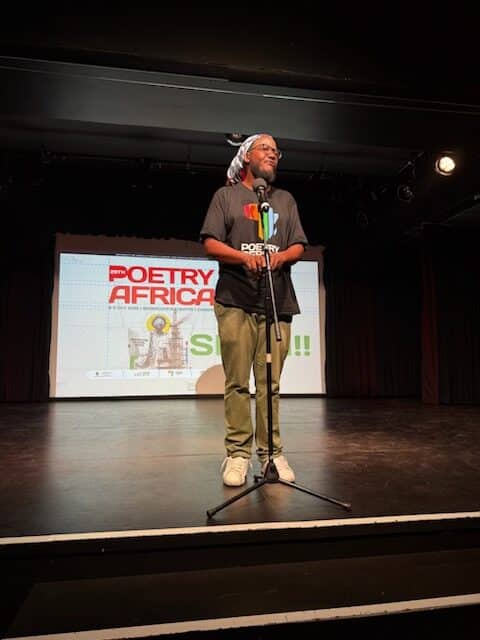
One of the most remarkable stories of Poetry Africa 2025 was that of Zewande BK Bhengu, who won the festival’s slam poetry competition with a truly unforgettable performance. Zewande had stopped writing poetry for seven years. Life, responsibilities, and doubt had pushed him away from the craft he once loved, and he had thought that chapter of his life was closed. It was only at the insistence of a friend – someone who never doubted his talent – that Zewande picked up his pen again. His return to poetry was not just a comeback; it was a reclamation of self, a rediscovery of rhythm, language, and courage. Every line, every pause, every word was alive with experience, reflection, and raw emotion. His win at the slam was more than a prize; it was a celebration of resilience, friendship, and the magnetic force that poetry has to draw us back to ourselves, even after years of silence.
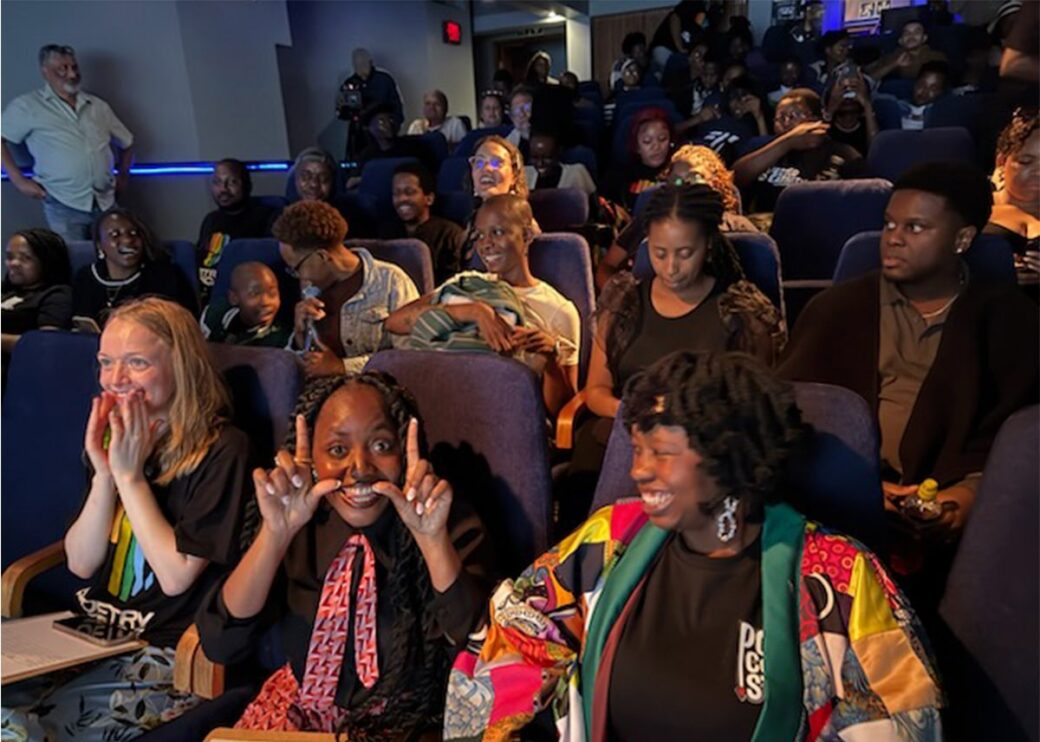
I had the privilege of being a judge for the final heat of the slam, as well as for several earlier rounds. Judging in this realm was about feeling as much as technique, sensing the energy, the rhythm, and the engagement of the audience. The event took place in a Zulu area, in a compact, intimate theatre that celebrated local culture, language, and storytelling traditions.
‘Even when the audience doesn’t understand every word,’ says Hlongwa, ‘they feel the rhythm and emotion. That is the power of poetry. It communicates beyond language.’ Being a judge and witnessing these performances reminded me of the power of connection: how poetry can bridge gaps, communicate across experience, and resonate in ways that are felt as much as they are heard.
Early in the week, I visited one of the nearby townships, and part of me wished I could linger longer to fully understand the musicality of the language around me, which sounded less like words and more like song. Sebastian Refesse, a French-speaking performer, found his way into the heart of South African townships, where he faced a unique challenge: he could speak neither the local African languages nor English. Yet language proved no barrier. Taking the stage, he unleashed a performance driven by rhythm, gesture, and raw emotion. His French words, though unfamiliar to the audience, became part of a larger musical and emotional tapestry. Every clap, murmur, and cheer felt alive, as if the community itself had become an instrument in the performance.
In conversation with Kwame Dawes, we spoke about his work at Brown University, which sponsors the journal Callaloo, and about the ways in which Callaloo and the Africa Book Festival are creating global platforms for African and diasporic voices. Diaspora poets like Tawhida Tanya Evanson, Tishani Doshi, Ladan Osman, and Canisia Lubrin brought perspectives shaped by migration, memory, and heritage, while South African poets such as Malika Ndlovu, Lebo Mashile, and Phillippa Yaa de Villiers anchored the conversations with histories, resilience, and lyrical power. What struck me most was how effortlessly these worlds mingled, from rooftop chats to beachside walks, the surf as punctuation to our dialogue.
Directed by the talented Xolani Mbhele, Two Sides of the Same Coin was another highlight. The choreopoem, brought to life by eight emerging poets from the UJ Arts Academy’s Poetry Programme, explored identity, displacement, belonging, neo-ubuntu, and the ways space shapes our existence. In that sense, the play and the festival itself offered more than entertainment; they provided an environment where passion and creativity were not only seen but honoured.
Hlongwa wants ‘poets to see Poetry Africa as a platform where they can fully immerse themselves in poetry in its different forms – maybe film, theatre, book launches, open mic, panel discussions – all slowly introducing elements of the bigger picture for Poetry Africa.’ Belita Andre, a Johannesburg-based poet, writing facilitator, and copywriter, was also in the final heat of the slam. Andre’s words moved seamlessly between the intimate and the collective; her performance felt part film, part dream, part science – every line ready from the page but alive in the room.
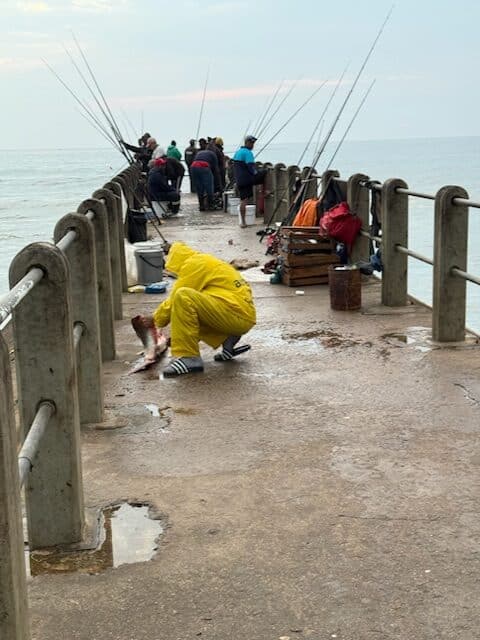
Standing on the pier early in the morning, watching the fishermen cast their lines as the city of Durban slowly came to life, I felt the pulse of the festival, the city, and the people converge. Poetry Africa is more than a festival; it is a living ecosystem, a space where voices old, young, local, and diasporic intersect, collide, and harmonise. It reminded me that creativity thrives not just in curated stages or panels but in moments of connection, observation, and presence. The city, the sea, the laughter, and even the early morning silence all became part of the experience, shaping how I understood the words, the performers, and the culture. Leaving Durban, I carried with me not only memories of performances and conversations but also a renewed belief in the transformative power of poetry to bridge worlds, honour human expression, and leave an imprint on both the heart and mind.

Other Wild
Emily Zobel Marshall invites us to heal by connecting to our senses and the natural world
Fiction Prescriptions
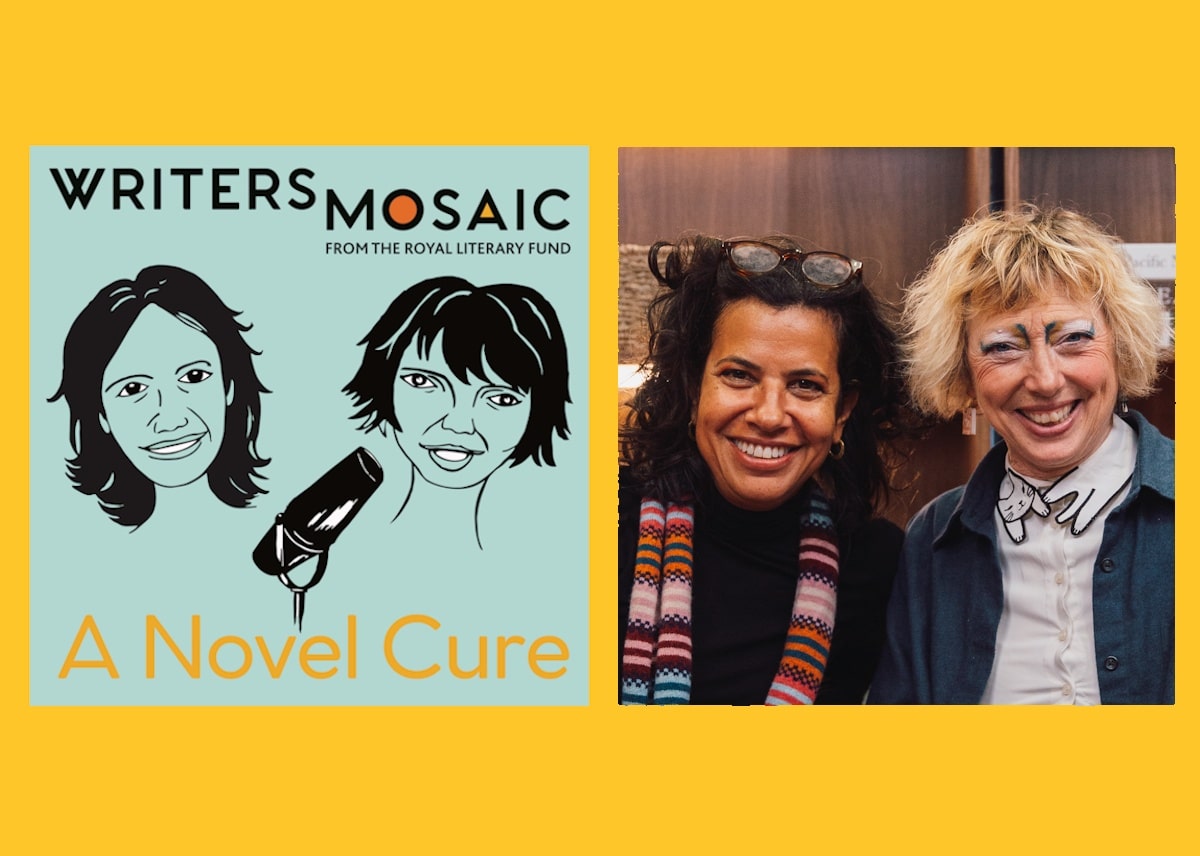
Co-hosts Ella Berthoud and Isabelle Dupuy introduce our new podcast series, Fiction Prescriptions: A Novel Cure, focussed on bibliotherapy. Each month listeners can write in with their dilemmas, and our dynamic duo will suggest remedies for the head and heart, drawn from books.

All the men my mother never married
A chapter from an unpublished autobiography, dedicated to my mother, Sarah Efeti Kange



Granta 173: India
A look at four short pieces of fiction from Granta's latest edition showcasing Indian writing

The Thing with Feathers
Dylan Southern’s film adaptation puts masculinity front and centre
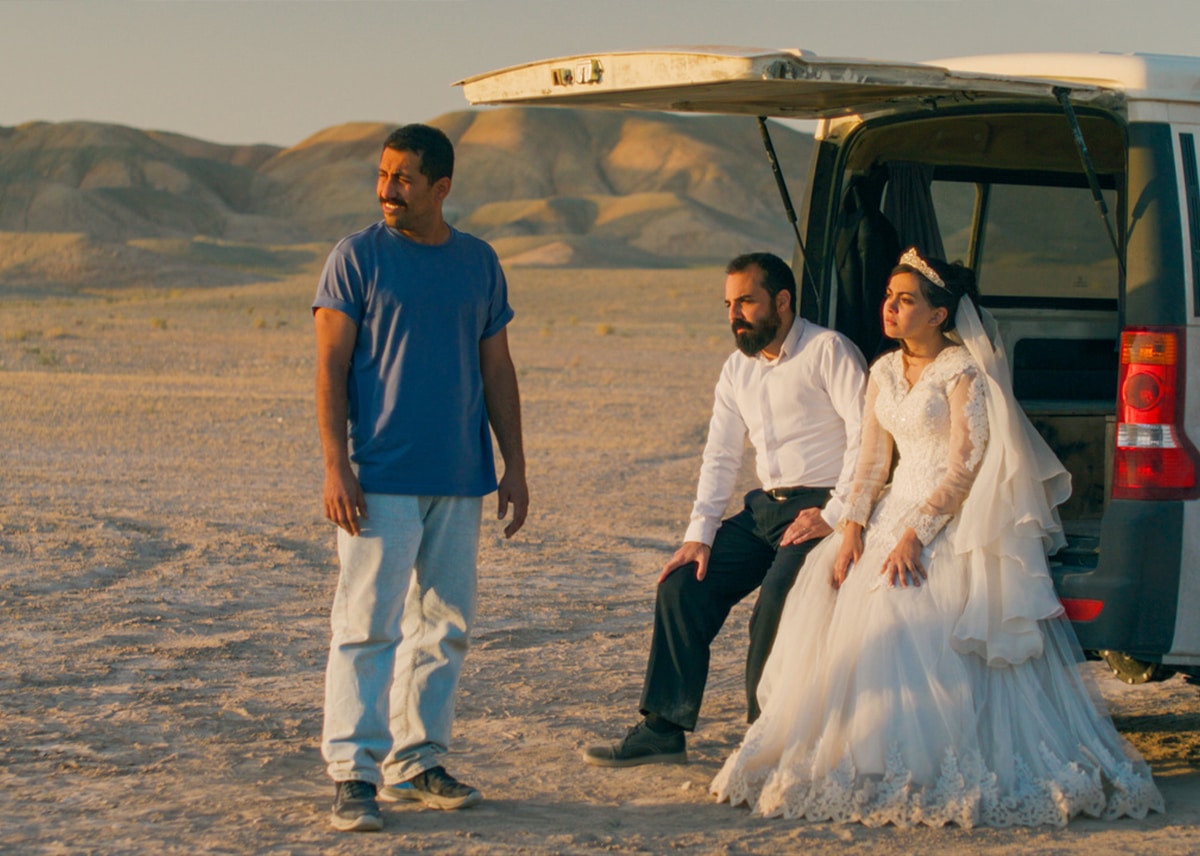
It Was Just an Accident
Iranian director Jafar Panahi's film probes the relationship between individuals, the state and violence with determined humanism
Reggae Story
Hannah Lowe reads her poem, 'Reggae Story' inspired by her Jamaican father, Chick. Directed by Matthew Thompson and commissioned by the Adrian Brinkerhoff Poetry Foundation.
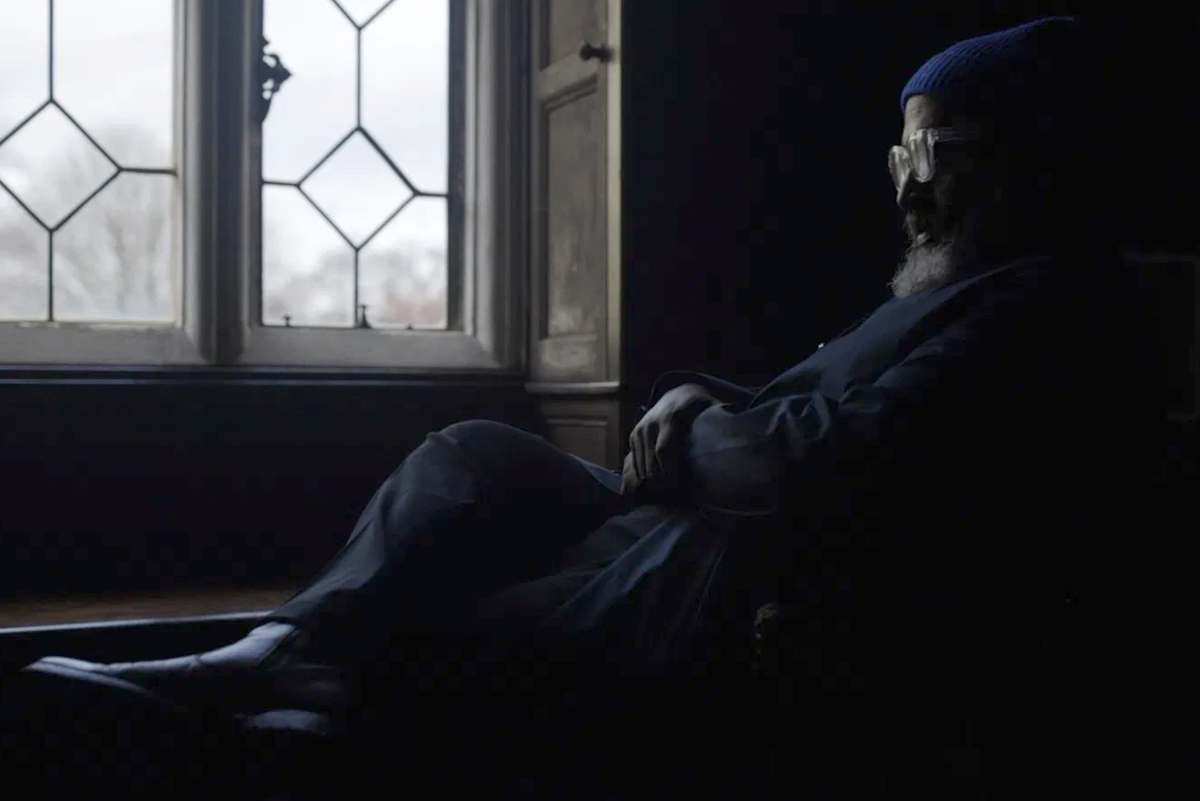
The City Kids See the Sea
Roger Robinson reads his poem, 'The City Kids See the Sea'. Directed by Matthew Thompson and commissioned by the Adrian Brinkerhoff Poetry Foundation.

Illuminating, in-depth conversations between writers.
Listen to all episodes
SpotifyApple Podcasts
Amazon Music
YouTube
Other apps

The series that tells the true-life stories of migration to the UK.
Listen to all episodes
SpotifyApple Podcasts
Amazon Music
YouTube
Other apps
Afro-Caribbean writer Frantz Fanon, his work as a psychiatrist and commitment to independence movements.
Listen to all episodes
SpotifyApple Podcasts
YouTube
A six-part audio drama series featuring writers with provocative and unexpected tales.
Listen to all episodes
SpotifyApple Podcasts
YouTube