
Big Man
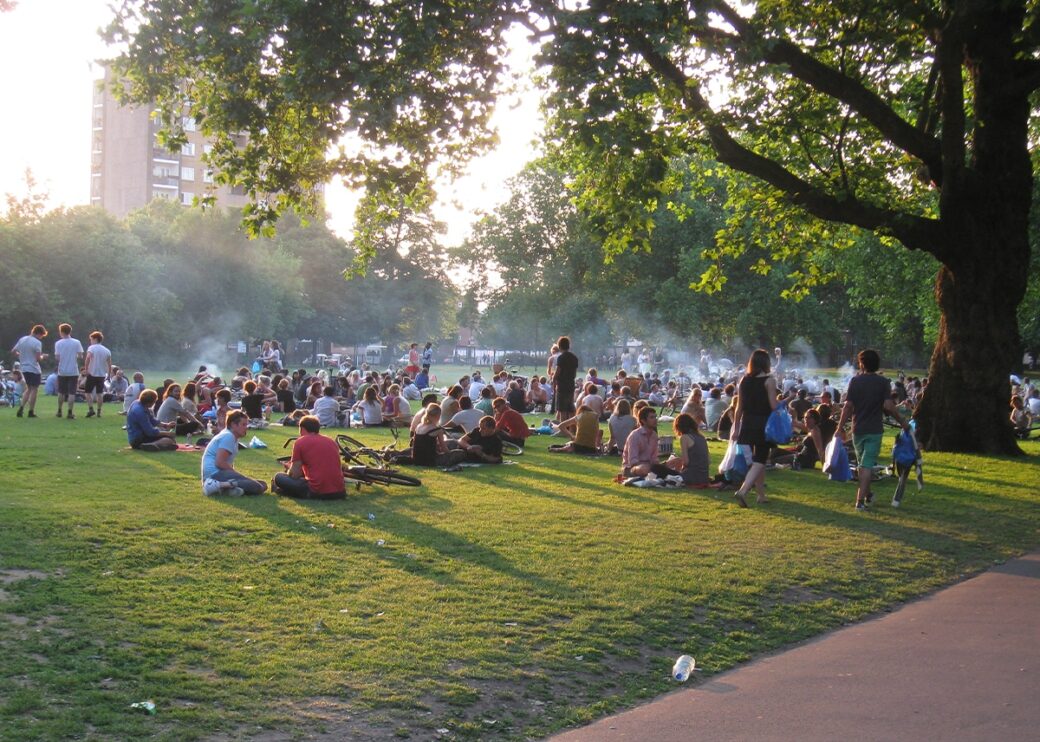
Dean Atta
Cipher Press, 2026
Reading Big Man by Dean Atta, I immediately felt a strong sense of déjà vu, as if I had met these characters before. It’s not that they are familiar in a literal way, but they feel emotionally recognisable. The novel immerses you in the internal quiet disguises we wear: grief, memory, longing, and even self-destructive thoughts. These become the cloaks that hide and define us, guiding us through a story that feels both personal and elusive.
The novel opens with a vivid metaphor that avoids romanticising the main character, known as Big. He is an oak tree, sturdy, scarred, shaped by storms, and bent by external forces. He isn’t merely surviving; he’s been moulded by hardships, firmly anchored and quietly bearing the weight of time, holding a history that’s often hidden. ‘If Big were a tree, he’d be an English oak with nearly fifty rings in his trunk. The conditions for his growth haven’t been perfect, but he’s weathered well.’
The novel is split into two parts: Act One, with 13 chapters, and Act Two, with 15. It begins with ‘Generous’, which introduces us to Big, a charismatic, flamboyant Black gay man with a bald head and tattoos, vividly described as ‘patches on his childhood dungarees’. Beside him is his boyfriend, Little, a striking twenty-one-year-old whom Big describes as ‘a sight to behold’.
From the outset, Dean Atta subtly exposes cracks in their relationship. A broken gold chain becomes a symbol of fractured trust and unfulfilled promises. In a brief but telling exchange, one says to the other, ‘It wasn’t faulty. You weren’t careful.’ We see how blame and responsibility are negotiated between them. The chapter closes with an intimate image: Little kneeling in a locker room, kissing Big’s feet.
This image flows into the next chapter, ‘Titanic’, which juxtaposes two parallel tragedies: the deaths of wealthy individuals attempting to visit the Titanic wreck and the devastating loss of migrants at sea near Messina. Through this contrast, the narrative challenges our perceptions of recklessness and tragedy, privilege and empathy. Little’s blunt observation that he cannot feel sympathy for the super-rich, echoes a broader moral tension. Big’s grandmother’s biting remark that ‘tax-evading billionaires can all get in the sea’ lands with both humour and force.
Big’s grandmother, reminiscent of Peggy Mitchell in her fierce candour, represents a voice of unapologetic truth. Yet Big himself lacks that same confidence. Instead, he is introspective, often retreating into his own mind, burdened by labels he neither chose nor fully accepts: Black, queer, dyslexic, mentally ill, working-class. His reflection that he does not need ‘any more labels’ reveals the weight of identity in a world eager to categorise.
The novel moves fluidly across locations, including Dubai, the Gambia, and Jamaica, where Big’s friends, The Double-Barrelled Couple, disguise their relationship as brotherhood to survive under anti-gay laws. These moments highlight the constant negotiation between authenticity and safety, reinforcing the idea that identity is often performed as much as lived.
Despite the novel’s exploration of heavy themes such as death, racism, sexual violence, addiction and mental illness, Dean Atta writes with sensitivity and restraint. He balances this with sharp humour, often exposing uncomfortable truths. In one scene, a white comedian asks Big whether he is mistaken for other bald men. The question is absurd yet revealing. Big’s hesitation, contrasted with Little’s quiet amusement, evokes Kermit the Frog sipping tea, capturing the tension between irritation and resignation. Big accepts being seen as a Black man, but resists being reduced to something as trivial as baldness, highlighting the layered nature of identity.
There are moments of surrealism and unexpected humour, references to emojis as hieroglyphics, Area 51 conspiracies, and bizarre encounters, including in a nude sauna in Austria. These digressions remind us that, even in its heaviness, life is punctuated by absurdity.
One particularly striking moment occurs when Big burns his finger on a cup of coffee but chooses not to react, accepting the pain as his punishment for racially profiling a barista. It is a quiet yet powerful reflection on guilt, accountability, and internal conflict.
Ultimately, Big Man is a novel about identity and connection. Beneath its exploration of trauma and self-discovery lies a deep tenderness, a belief in companionship as a form of survival. In a world often defined by division and toxicity, this novel reminds us of life’s quieter truths: that stories can emerge from anywhere, and that love, however imperfect, remains essential.
As the novel concludes, it leaves the reader with a gentle yet powerful urge: to reach out, to express love, and to hope it is reciprocated.
For those captivated by Dean Atta’s voice, I also recommend Person Unlimited: An Ode to My Black Queer Body, which resonates with many themes explored here. Both works showcase a writer deeply engaged with memory, identity, and the subtle process of self-discovery.
Cipher Press: Big Man (pre-order for September 2026)
WritersMosaic monthly
Get new reviews in your inbox
One email monthly, unsubscribe anytime
Haunting the Black Air
Poetic freedom across space and time
The Disappearers
A sprawling visceral experience that drops you in head first
The Lady Imam
Is the world ready to catch up with amina wadud?


It’s being published I get paid for; the writing I would do for free
‘Any advance [...] for your novel is to compensate you for the horrors of being published'
Complex antihero: an interview with Arthur Hughes
Unravelling Authur Hughes' Richard III
Marlon James: a Jamaican reckoning
'A return to a home I barely knew'


Illuminating, in-depth conversations between writers.
Listen to all episodes
SpotifyApple Podcasts
Amazon Music
YouTube
Other apps

The series that tells the true-life stories of migration to the UK.
Listen to all episodes
SpotifyApple Podcasts
Amazon Music
YouTube
Other apps
WritersMosaic interrogates the notion of ‘staying in your lane’ by asking writers how they attempt to think beyond the parameters of their cultural identity.
Listen to all episodes
SpotifyApple Podcasts
YouTube