
Ionesco/Dinner at the Smiths
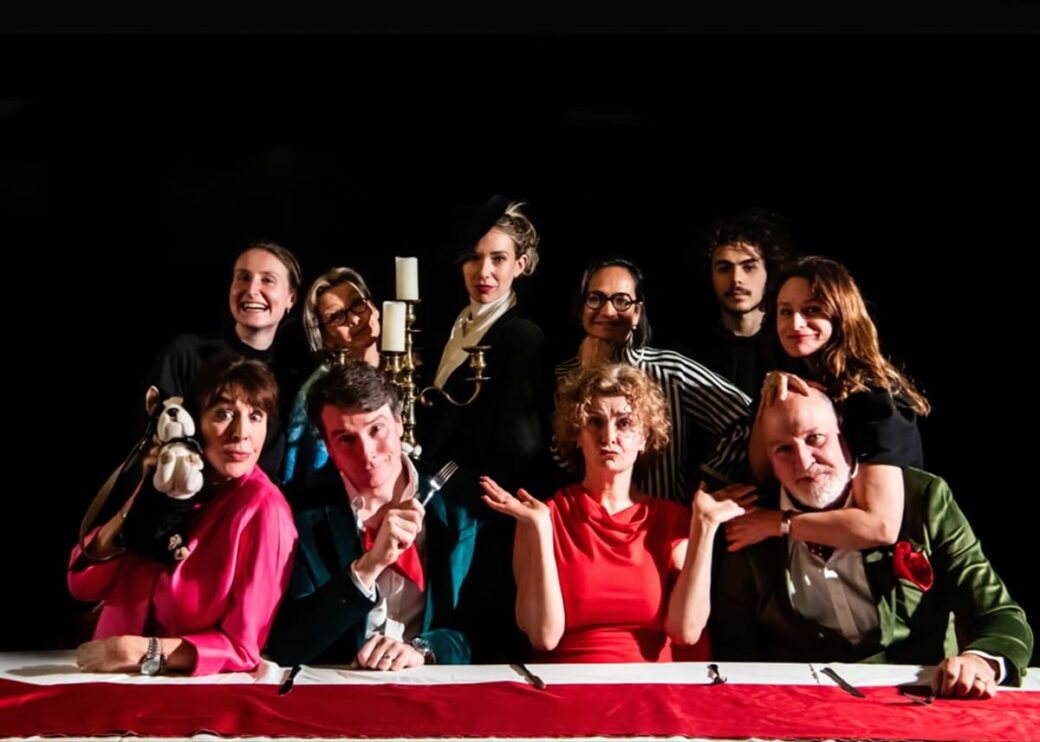
Directed by Marianne Badrichani, adapted by Marianne Badrichani and Edith Vernes
Riverside Studios, London, 2026
As with any self-respecting high society dinner, the whole thing is stage-managed by a butler. In a corner of the open plan, buzzy reception of Riverside Studios, we, the audience, queue. The Butler, expertly played by Suzy Kohane, divides us into groups, comments on our vibe or dress sense then rings a bell to lead us into the space. We step into a conference room turned dinner party venue, are offered a glass of wine and seated around a long table. Low hanging lights shine on an eye mask laid out for each guest and a menu that kicks off with a ‘Bouillabaisse of English Rules’. We are introduced to The Smiths, a very English middle-aged couple, sitting at opposite ends of our dining room. Mrs Smith, played by Lucy Russell, talks and talks but says very little of substance. Mr Smith, played by Sean Rees, hides behind a newspaper and clicks his tongue in ways impossible to interpret. Both seem subtly aware of the strangeness they inhabit, as if they know they are being watched. As dinner progresses, we witness a tennis-like back and forth between humans attempting to make sense of a world that grows more illogical with every passing moment.
This unique production by Marianne Badrichani and Edith Vernes presents sections of Eugene Ionesco’s works, such as The Bald Soprano and The Lesson, interspersed with edited recreations of real-life interviews with the Romanian-French playwright. This juxtaposition is the production’s biggest strength. Rees, who doubles as Ionesco, sits among us and talks of his love of being alone then describes the familiar feeling of spending hours surrounded by people but never truly knowing what lives at their core. The piece is well-paced and playful, interweaving frantic moments with quiet pockets of reflection. The sections of text used jump between French and English, playing with live translation with comic effect. It also integrates light audience participation that is fun and effective.
The performances are strong and grow on you as the play moves forward. The Butler builds in presence and confidence as she gives the audience instructions and links one piece to the next. The second couple, the Martins, played by Edith Vernes and David Mildon, turn dinner into an animated skit that plays with memory and doorbells. The nonsensical back and forth is candid and entertaining as they immerse completely in the absurd. The production’s elements aid in activating your senses. From savouring wine and listening to playful soundscapes and music to changes in lighting, all heighten the weirdness of it all. As the play moves towards its climax, the characters’ strangeness moves to darker places that hint at the dangers of living without true connection and the horrors of conformity. These themes are an intrinsic part of Ionesco’s theatre, and the reason why his work is so relevant and continues to be produced.
Ionesco/Dinner at the Smiths tests the frontier between immersive and absurdist theatre. The audience moves between sitting back and watching performers move through a world where the illogical is the norm and being called to comment and participate in a dinner with rules of its own. It is at its strongest in the former; when as an audience we enjoy the guilty pleasure of sitting back and watching characters who have no notion of the insanity they inhabit. I invite you to give this voyage through Ionesco’s creations a try. The wine will draw you in and the performances will keep you hooked.

WritersMosaic monthly
Get new reviews in your inbox
One email monthly, unsubscribe anytime
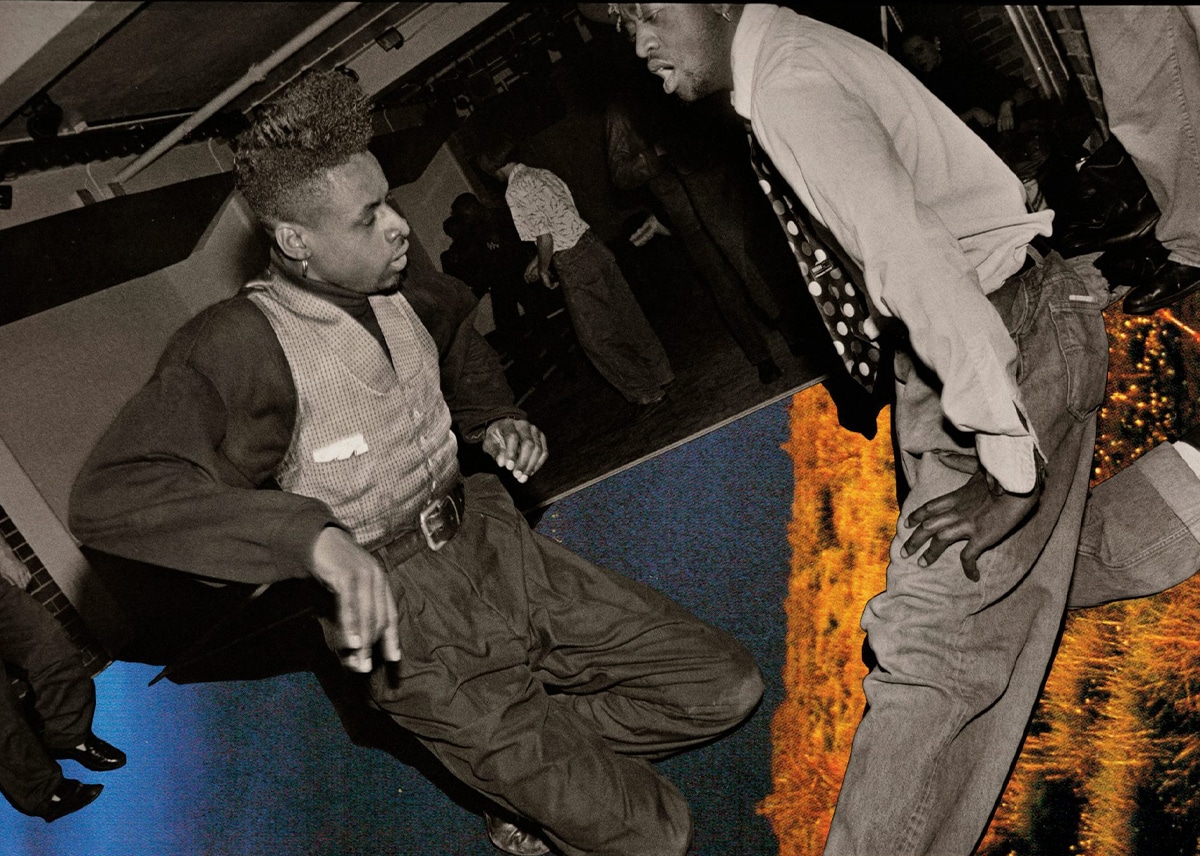
The Disappearers
A sprawling visceral experience that drops you in head first

The Lady Imam
Is the world ready to catch up with amina wadud?
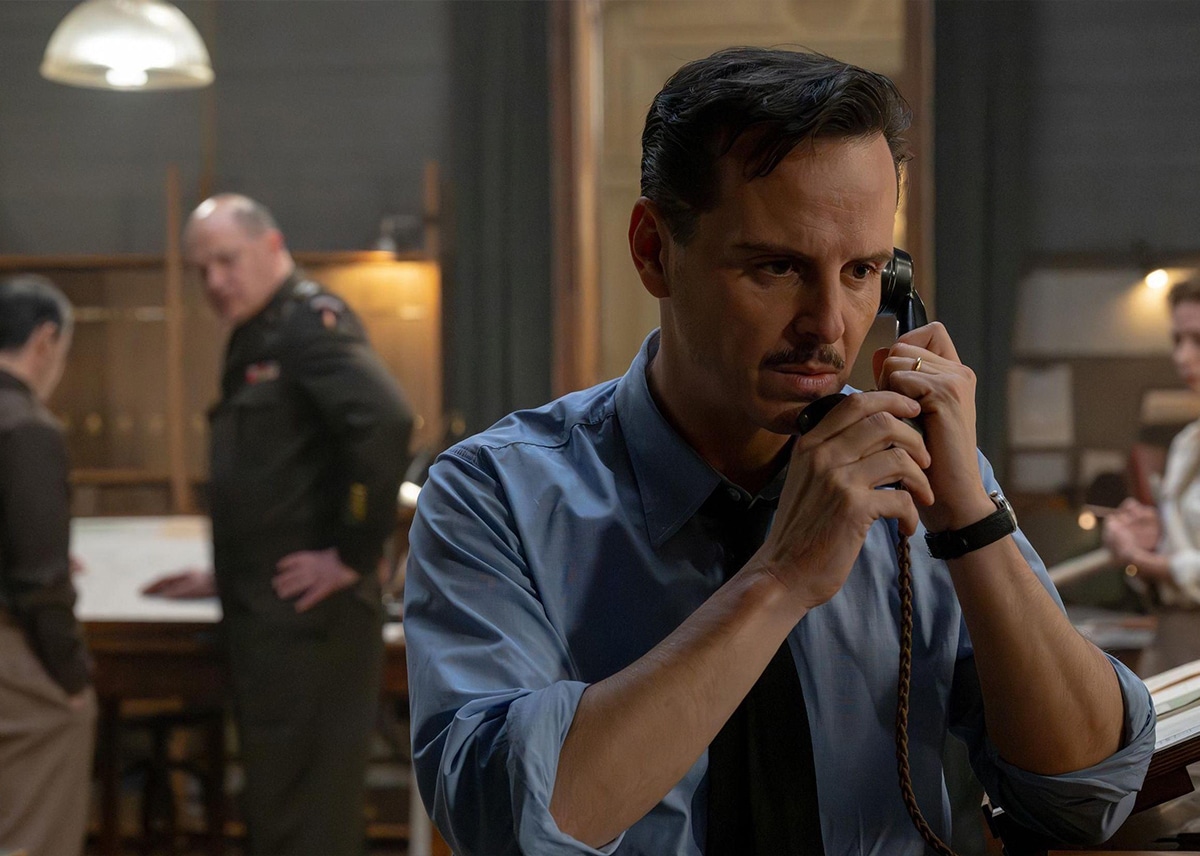
Pressure
What's missing from the latest 'untold story behind D-Day'?
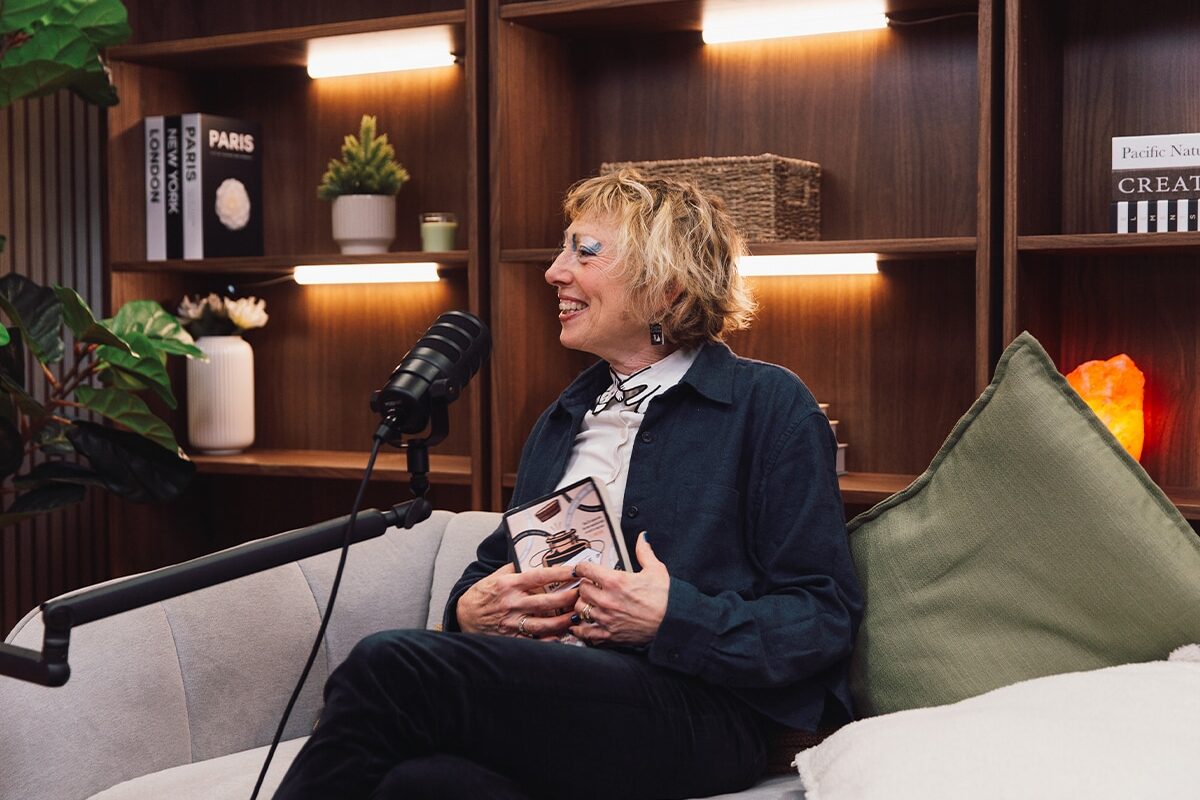

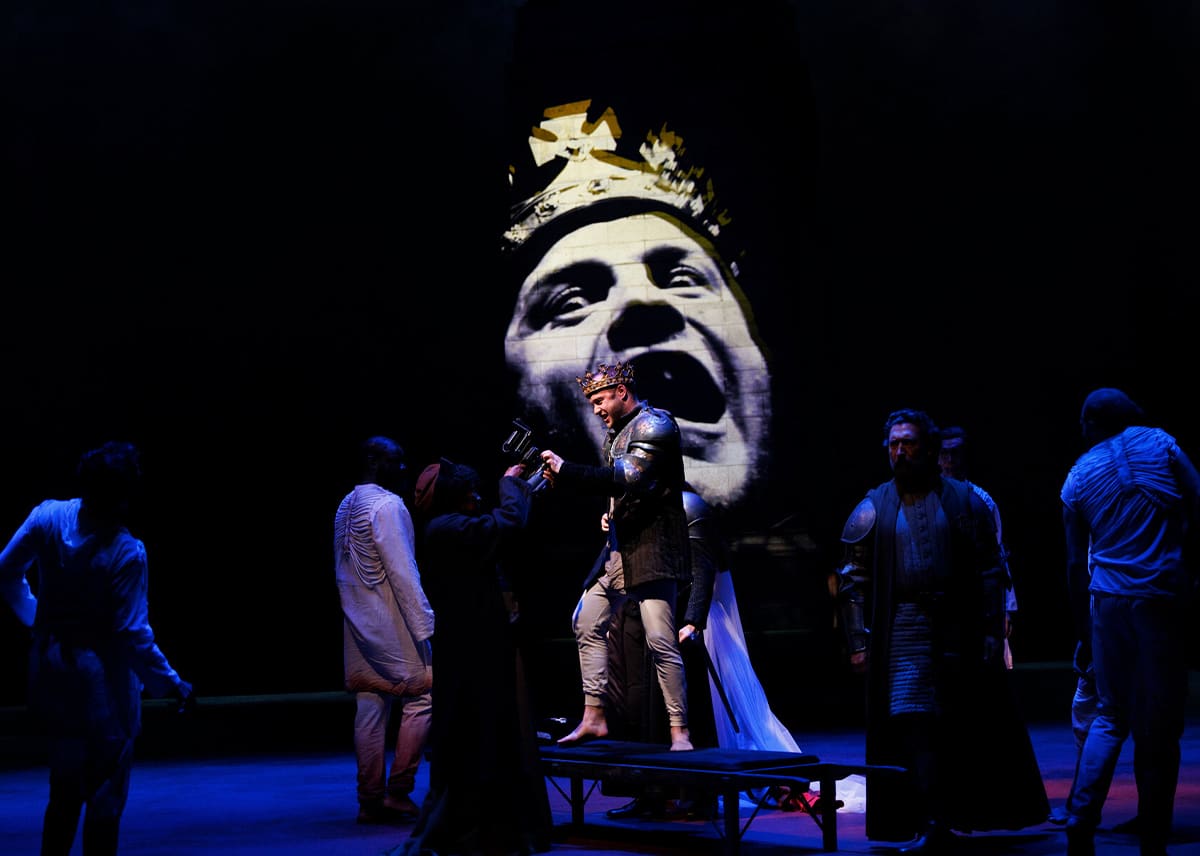
Complex antihero: an interview with Arthur Hughes
Unravelling Authur Hughes' Richard III

Marlon James: a Jamaican reckoning
'A return to a home I barely knew'
The name of this wallpaper is ‘Childhood’
A luminescent bubble of memory




Illuminating, in-depth conversations between writers.
Listen to all episodes
SpotifyApple Podcasts
Amazon Music
YouTube
Other apps

The series that tells the true-life stories of migration to the UK.
Listen to all episodes
SpotifyApple Podcasts
Amazon Music
YouTube
Other apps
WritersMosaic interrogates the notion of ‘staying in your lane’ by asking writers how they attempt to think beyond the parameters of their cultural identity.
Listen to all episodes
SpotifyApple Podcasts
YouTube