
Frantz Fanon: revolutionary psychiatrist
Editorial
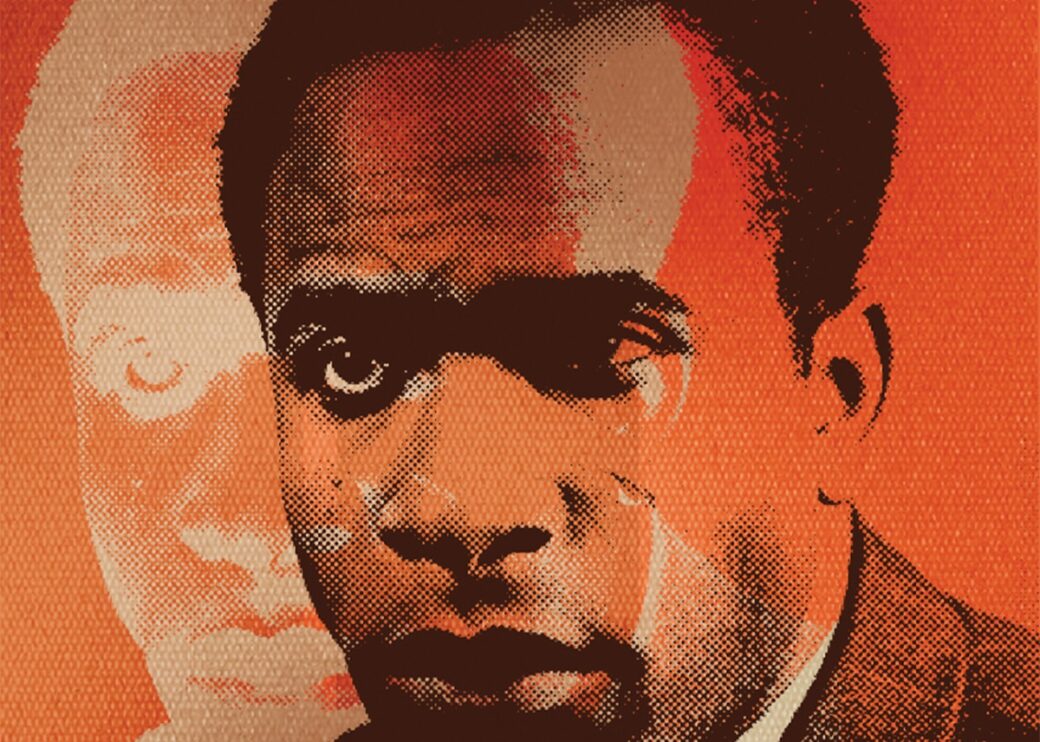
Throughout my early adulthood at medical school in the 1980s, I had never heard of the revolutionary Martinique-born psychiatrist Frantz Fanon, author of Black Skin, White Masks (1952) and The Wretched of the Earth (1961), both classics of anti-colonial literature which have inspired generations of thinkers, activists and writers.
Occasionally, I’d pop into Freedom Press, the radical bookshop on Whitechapel Road, but it’s unlikely I’d have picked up a book with the title Black Skin, White Masks. As the child of black Jamaican migrants, I was drilled in not drawing attention to myself, in not foregrounding my blackness. Fanon’s book would have seemed too on the nose for me then, too embarrassing. I didn’t want to accept the possibility of my blackness being more of a stain than a simple birthmark, or to consider that I might be a damaged victim of colonial history.
I’m drawn to Fanon now. I admire him because of his fierce, uncompromising intellect, his charm, his cunning and his support for Algerian rebels in their fight against French colonisers in the 1950s. Undoubtedly, a kind of black pride features in my empathy towards Fanon and the recognition of his fearless and uncomfortable truth-telling from which white people, and sometimes black people, also recoil.
The origin of the title Black Skin, White Masks, which echoes the quest by black people to mask their differences from their former colonial masters, is grounded in themes explored in the text. These themes include the desire to eloquently match the coloniser’s language; an examination of the patronising tendency of his medical colleagues to mimic the pidgin French of their patients when treating them; and the damage to the psyche of black people from the perils of interracial love.
In this edition, ten writers explore Fanon’s legacy, his radical work as a psychiatrist, his literature, and his commitment to the fight against colonialism – all part of a remarkable life that came to an end when he died from cancer at the age of just 36.
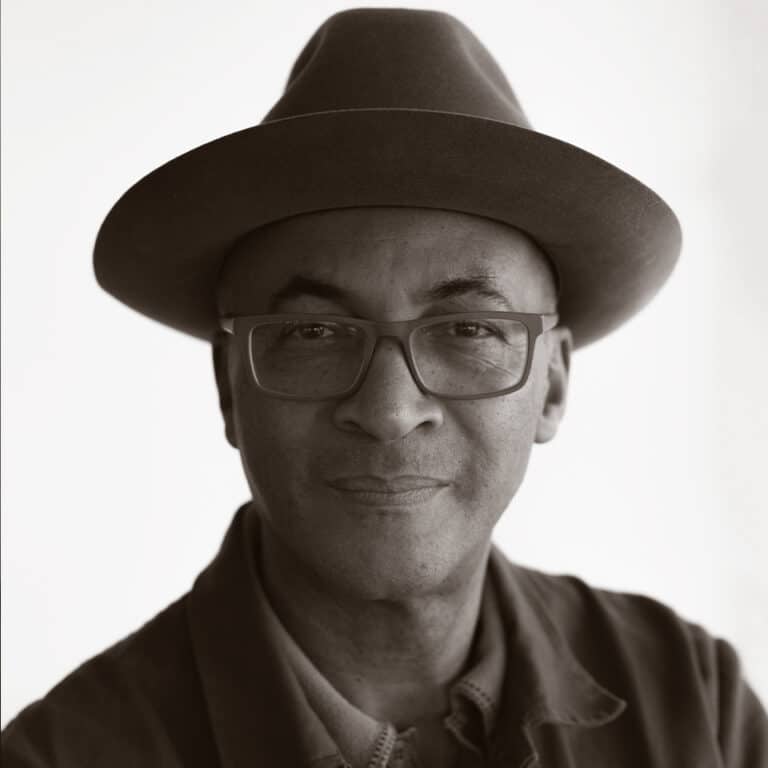
© Colin Grant
Frantz Fanon: revolutionary psychiatrist
From the individual to the collective
Zebib K. Abraham
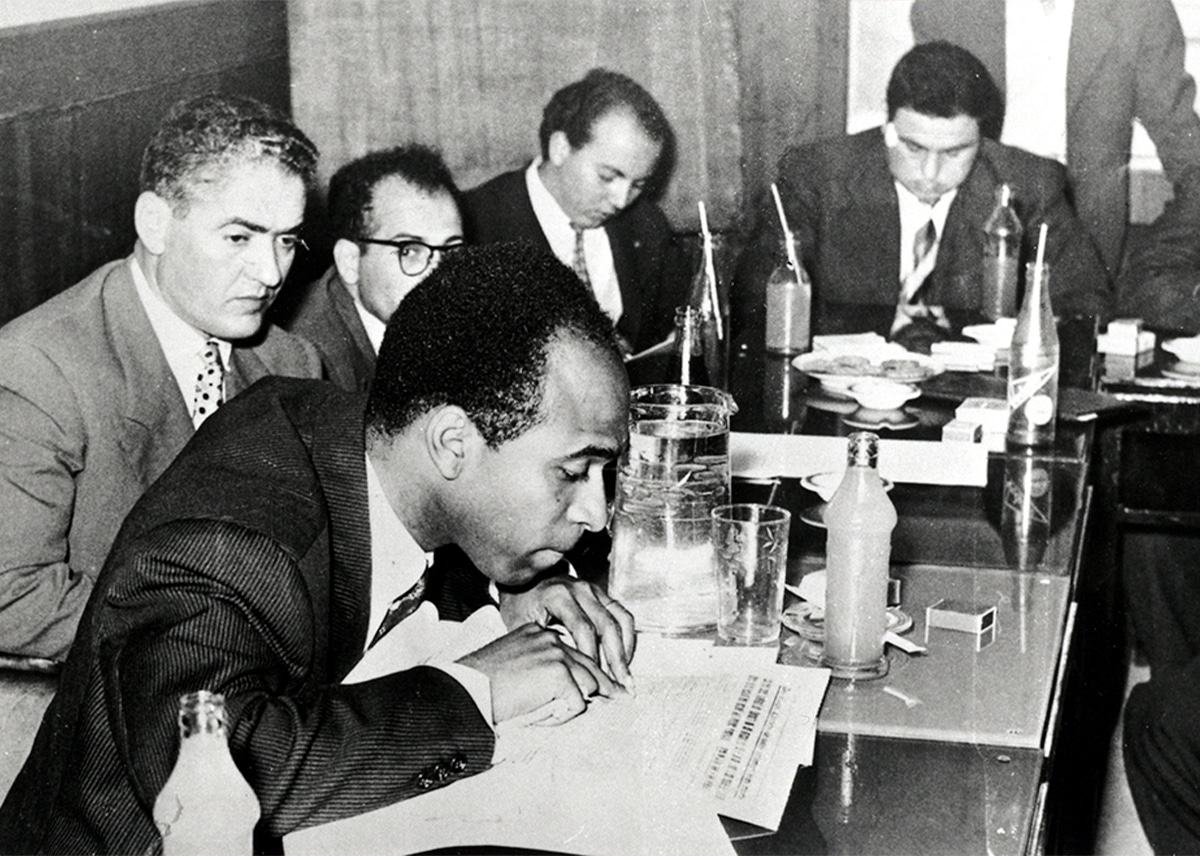
The person and the nation
Taíno Mendez
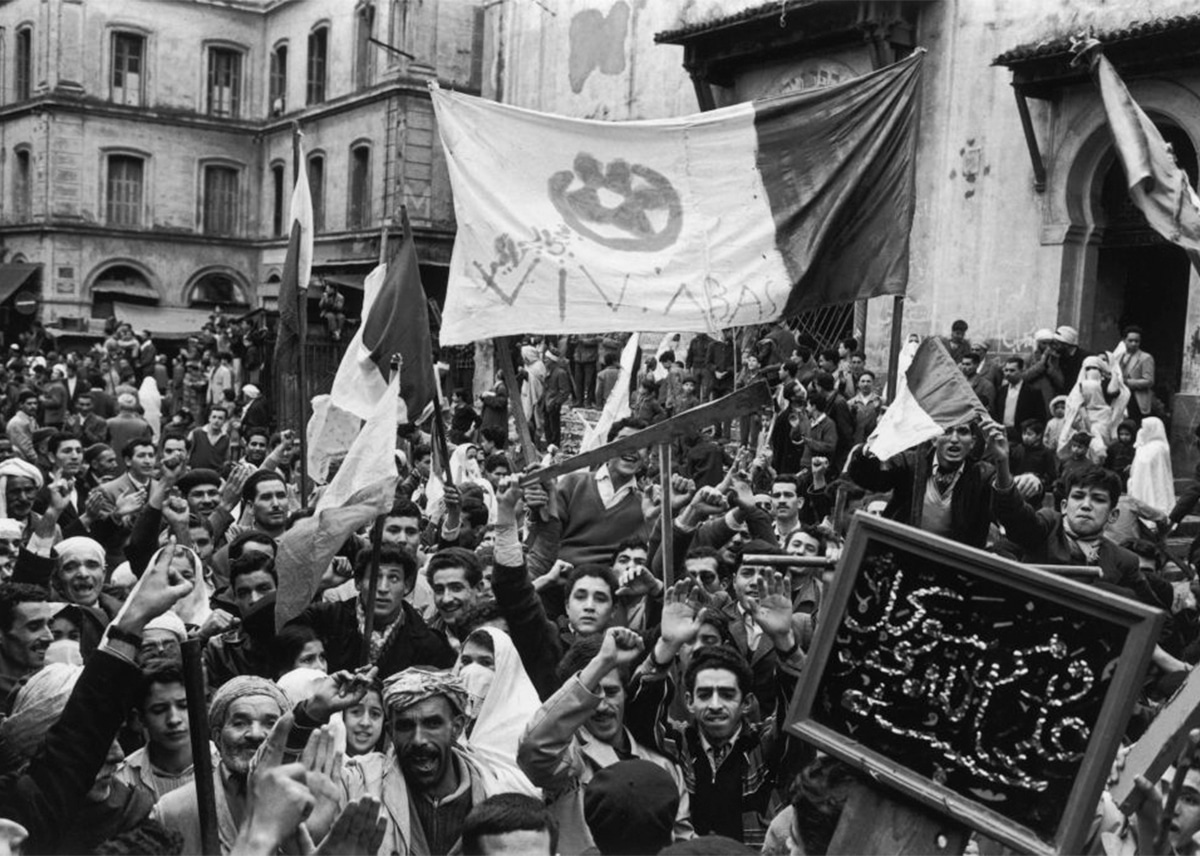
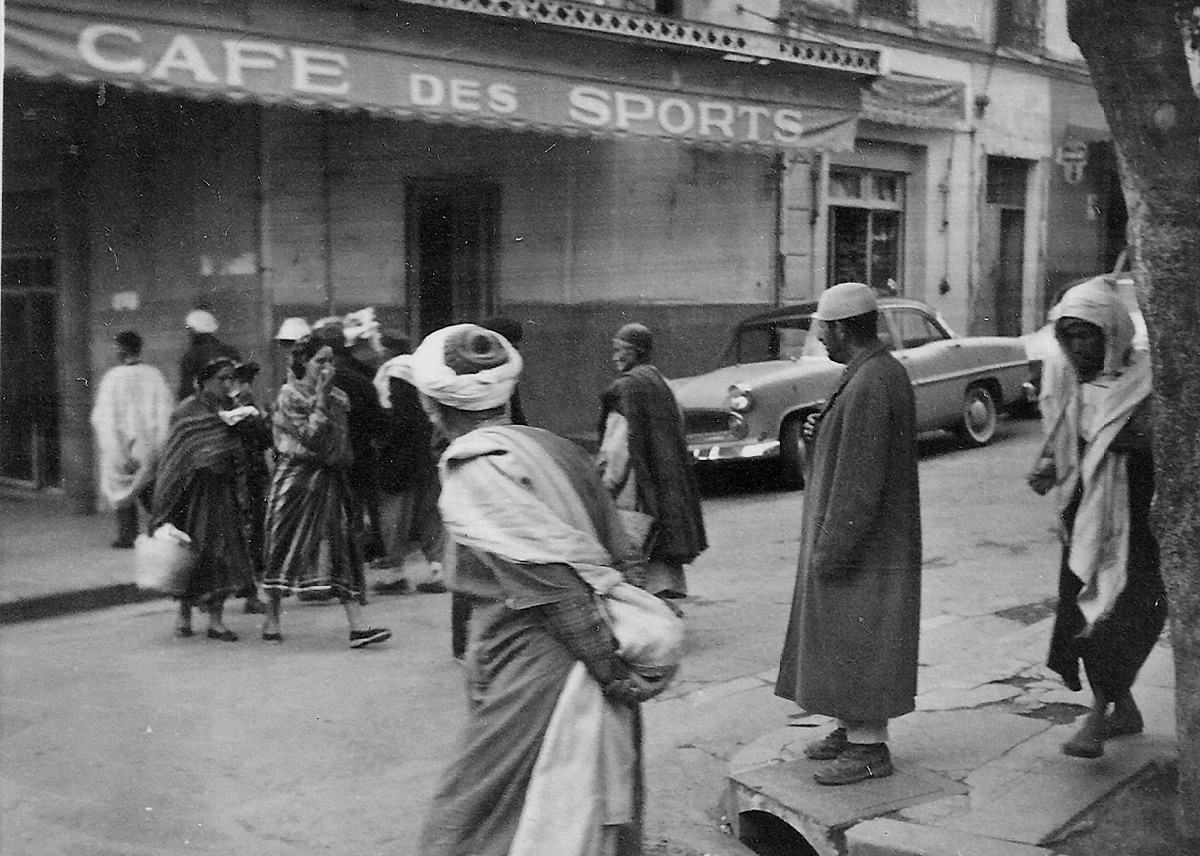
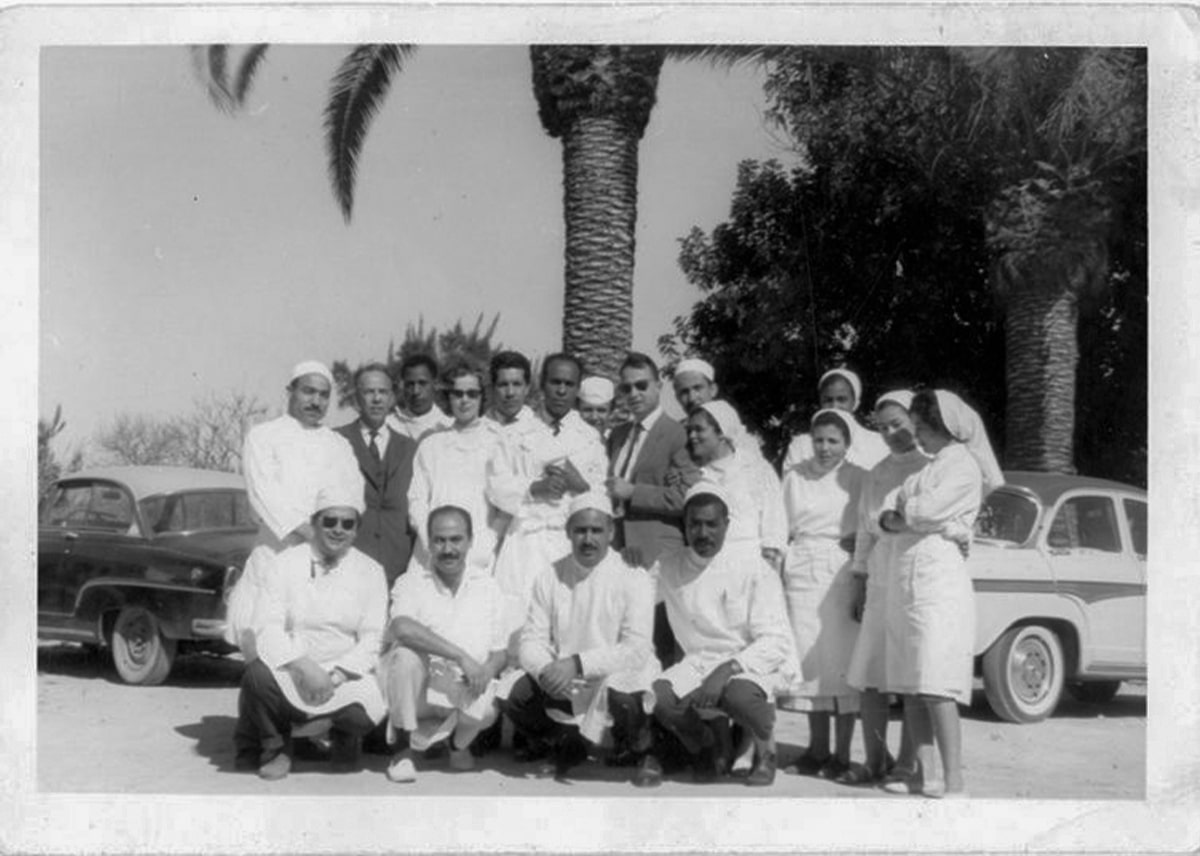
Blida, Algeria, 1953
Ekow Eshun
Writing the wound: politics, poetics, psychiatry
Clementine Ewokolo Burnley
The racial allocation of guilt (after Fanon)
Roger Robinson
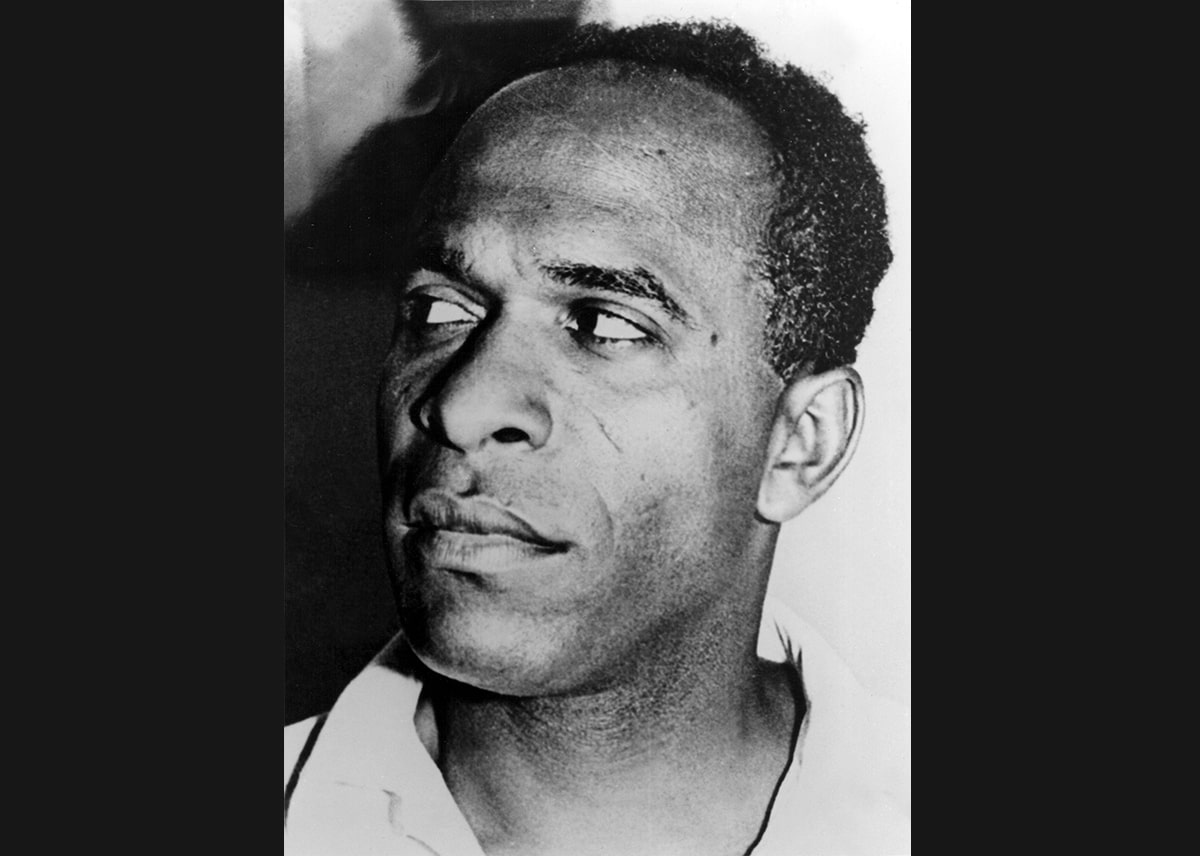
On entering the zone of being
Chitra Ramaswamy
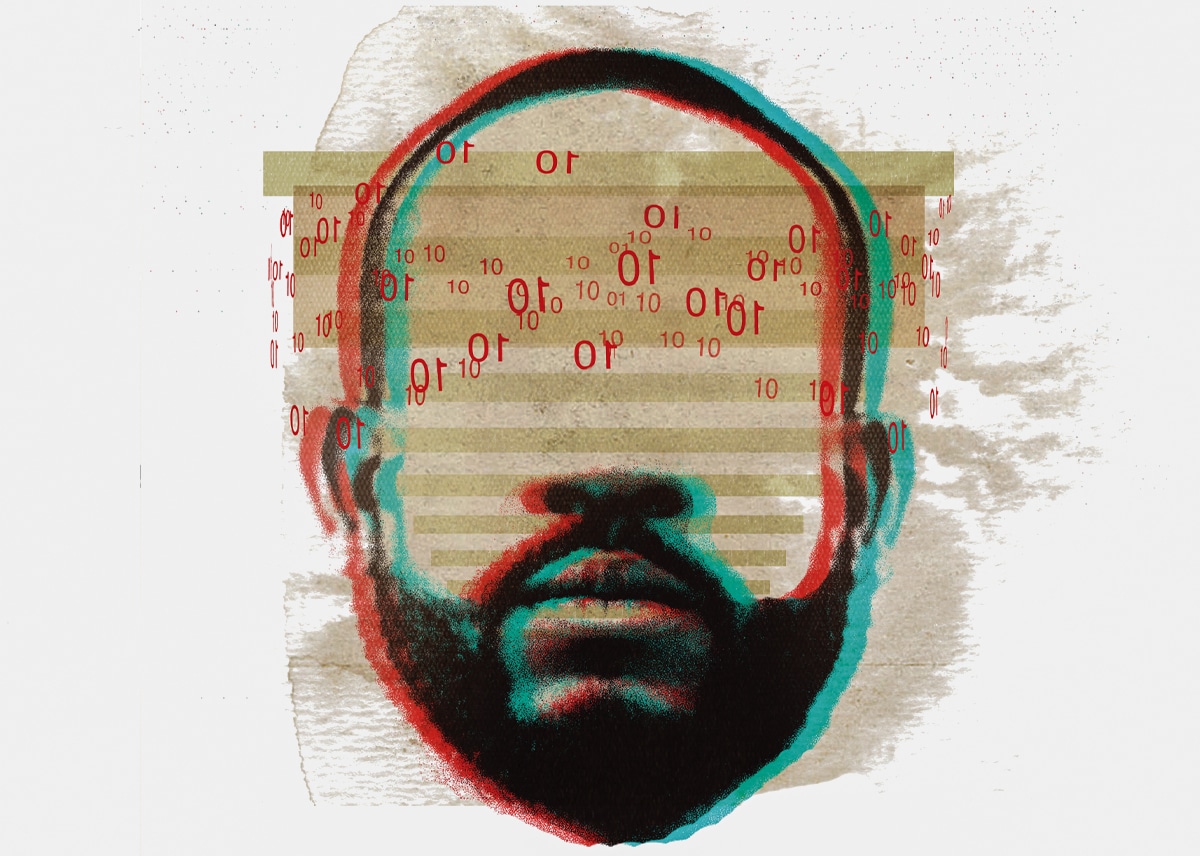
Brown skin, white mask
Khaldoon Ahmed
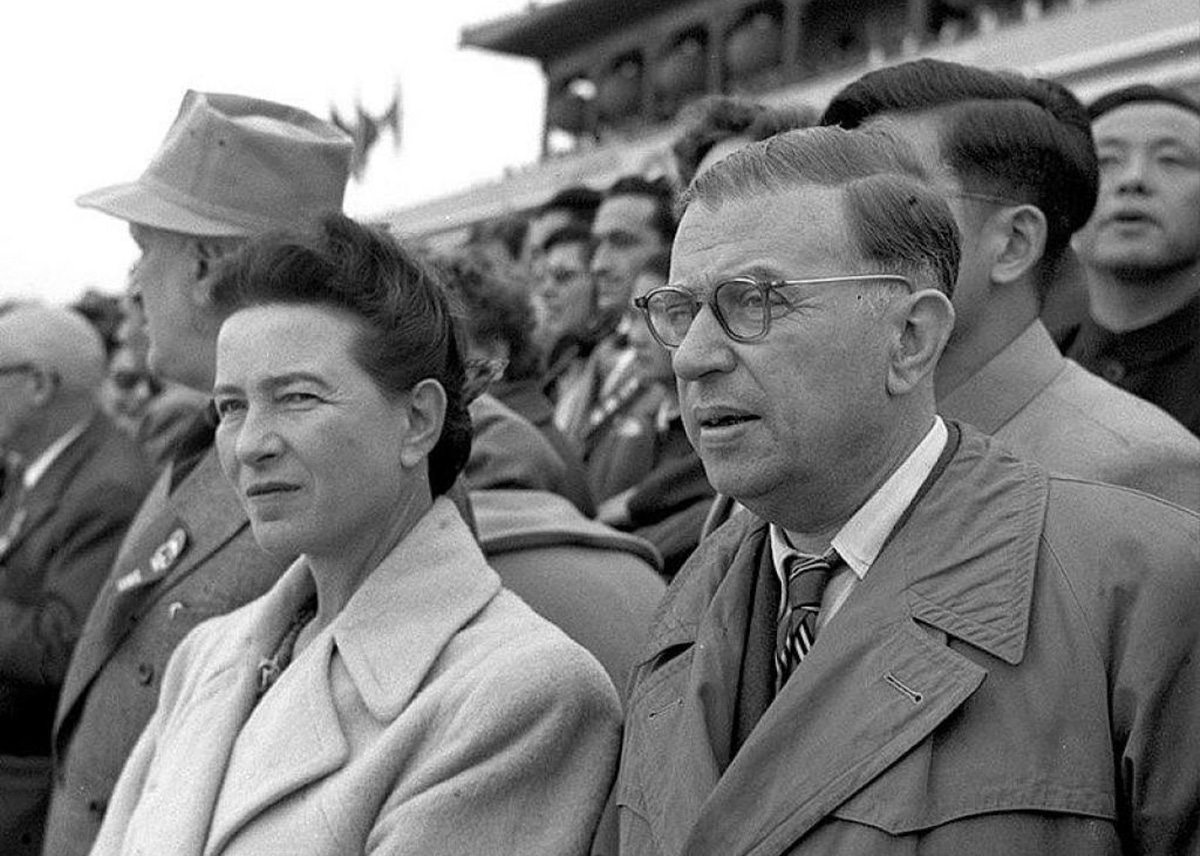
Alternative destinies
Isabelle Dupuy & Zoe Mohaupt
Inglan mad dem
Colin Grant

Illuminating, in-depth conversations between writers.
Listen to all episodes
SpotifyApple Podcasts
Amazon Music
YouTube
Other apps

The series that tells the true-life stories of migration to the UK.
Listen to all episodes
SpotifyApple Podcasts
Amazon Music
YouTube
Other apps
Nine writers with migrant backgrounds reveal the secrets of their talismans of migration.
Listen to all episodes
SpotifyApple Podcasts
YouTube

Free Will
Will Harris reads his poem, 'Free Will'. Directed by Matthew Thompson and commissioned by the Adrian Brinkerhoff Poetry Foundation.

Half Written Love Letter
Selina Nwulu reads her poem, 'Half Written Love Letter'. Directed by Matthew Thompson and commissioned by the Adrian Brinkerhoff Poetry Foundation.
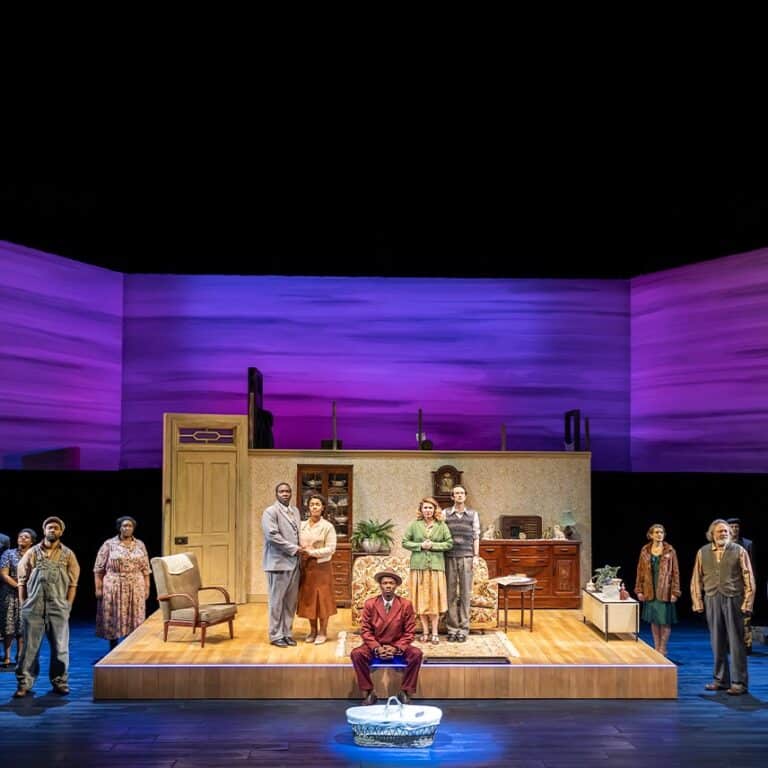



On seeing Iran in the news, I want to say
A poet reflects on what it's like to be of Iranian descent and to witness terrible news coming out of Iran.

Sad Song of Plantain poem
'I lie as quiet as death in this ‘three for two pounds’ cardboard box'
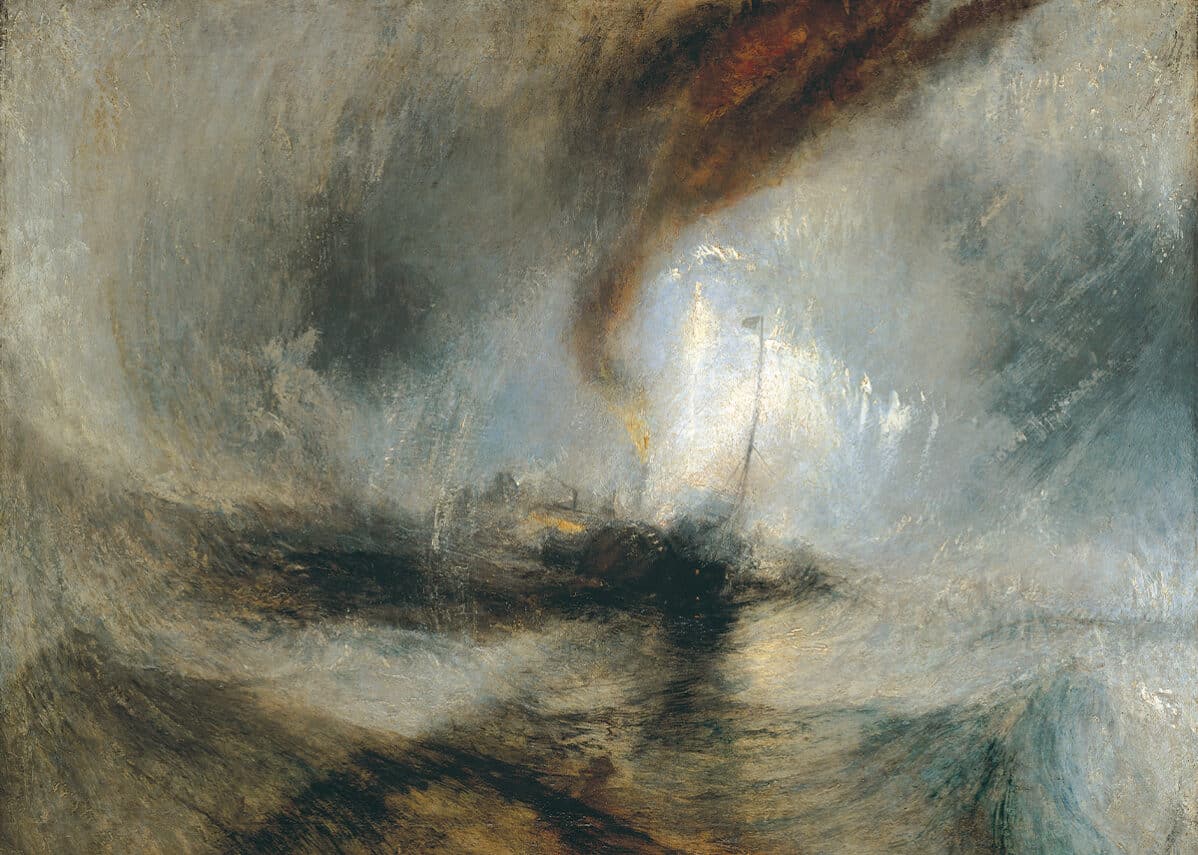
Regarding Turner
What does knowing of the revered British artist's investment in chattel slavery mean for his legacy?

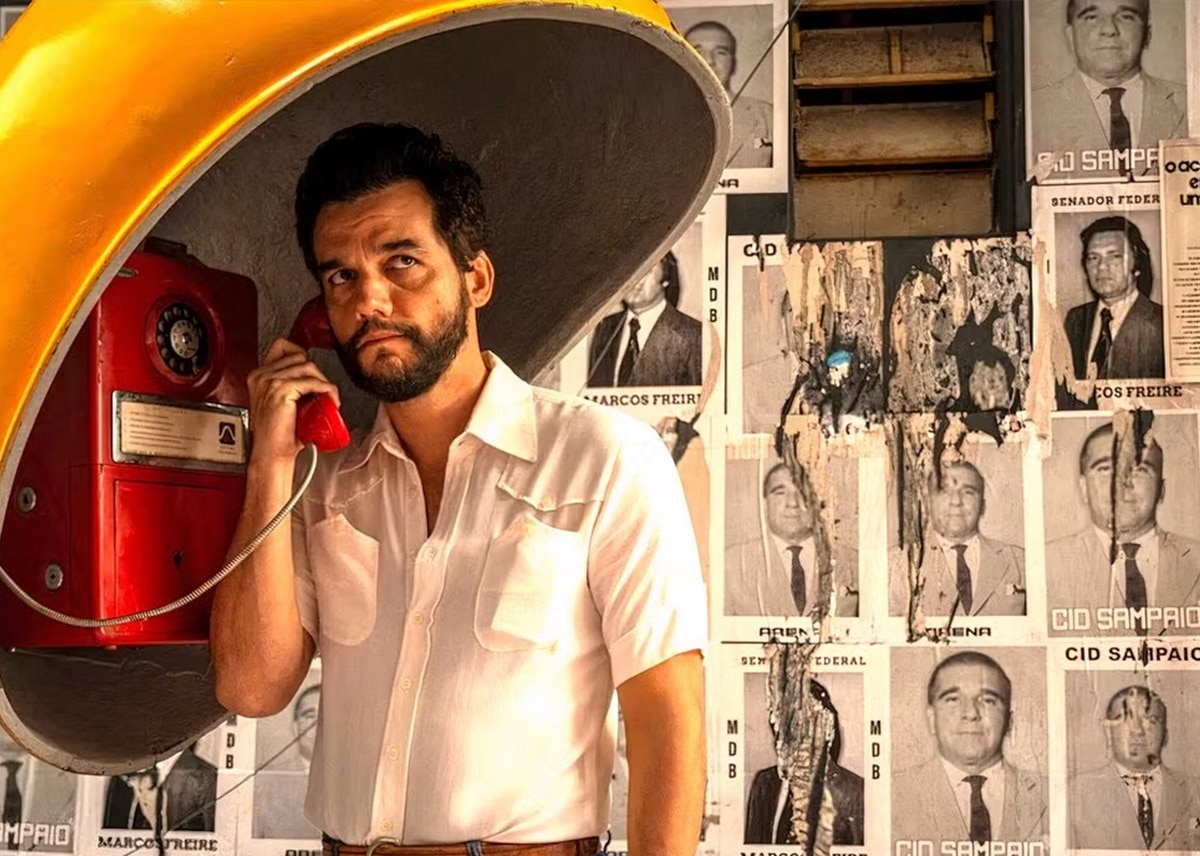
The Secret Agent
A film as much about the contemporary moment as its period setting
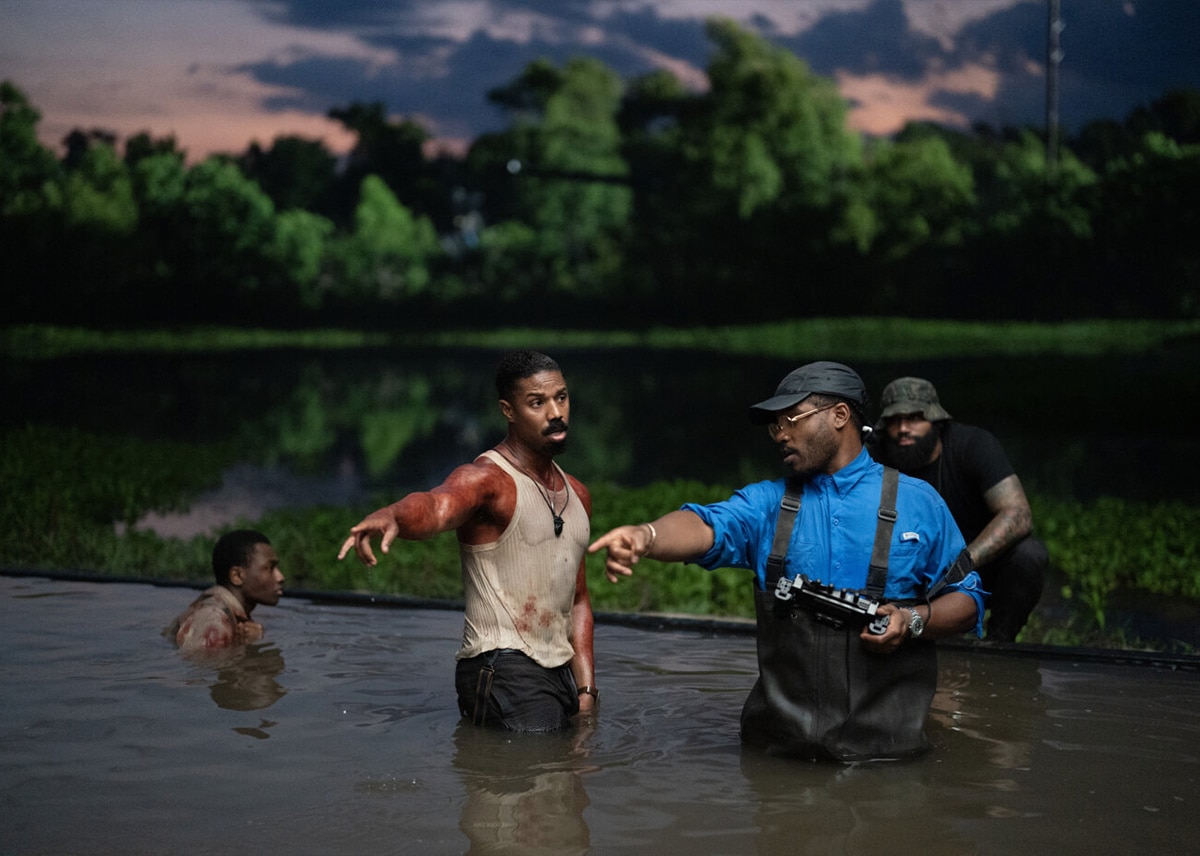
Sinners
A soulful, blues-soaked explosion of music centres this Southern Gothic and slasher horror
