
Frantz Fanon: revolutionary psychiatrist
The person and the nation
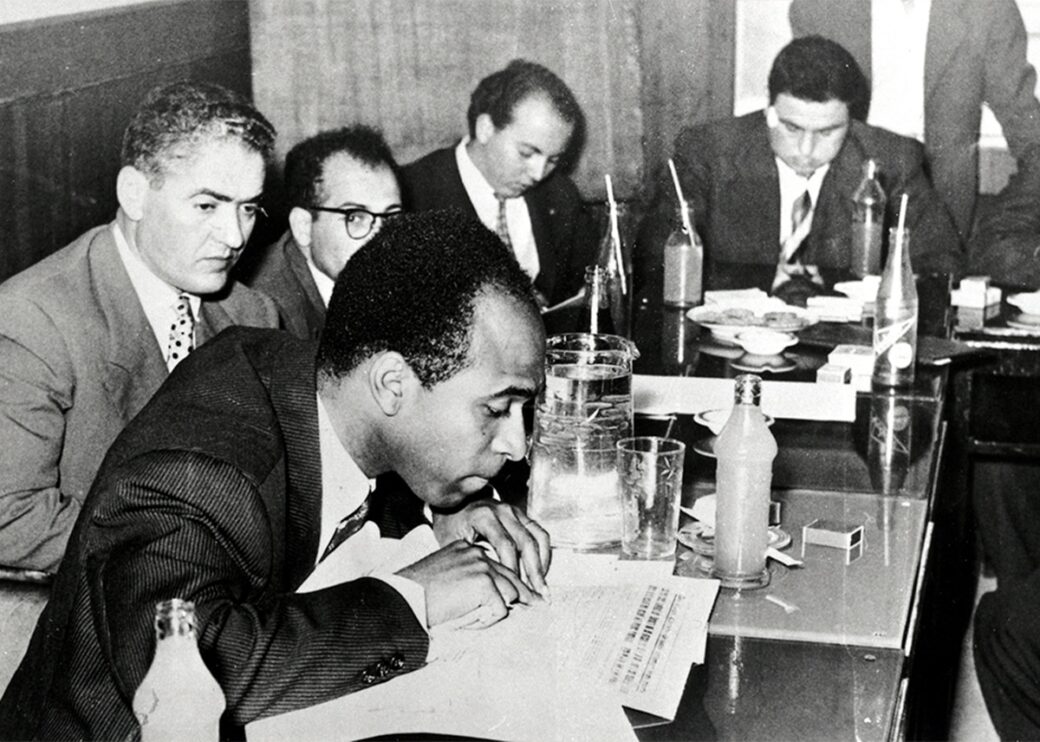
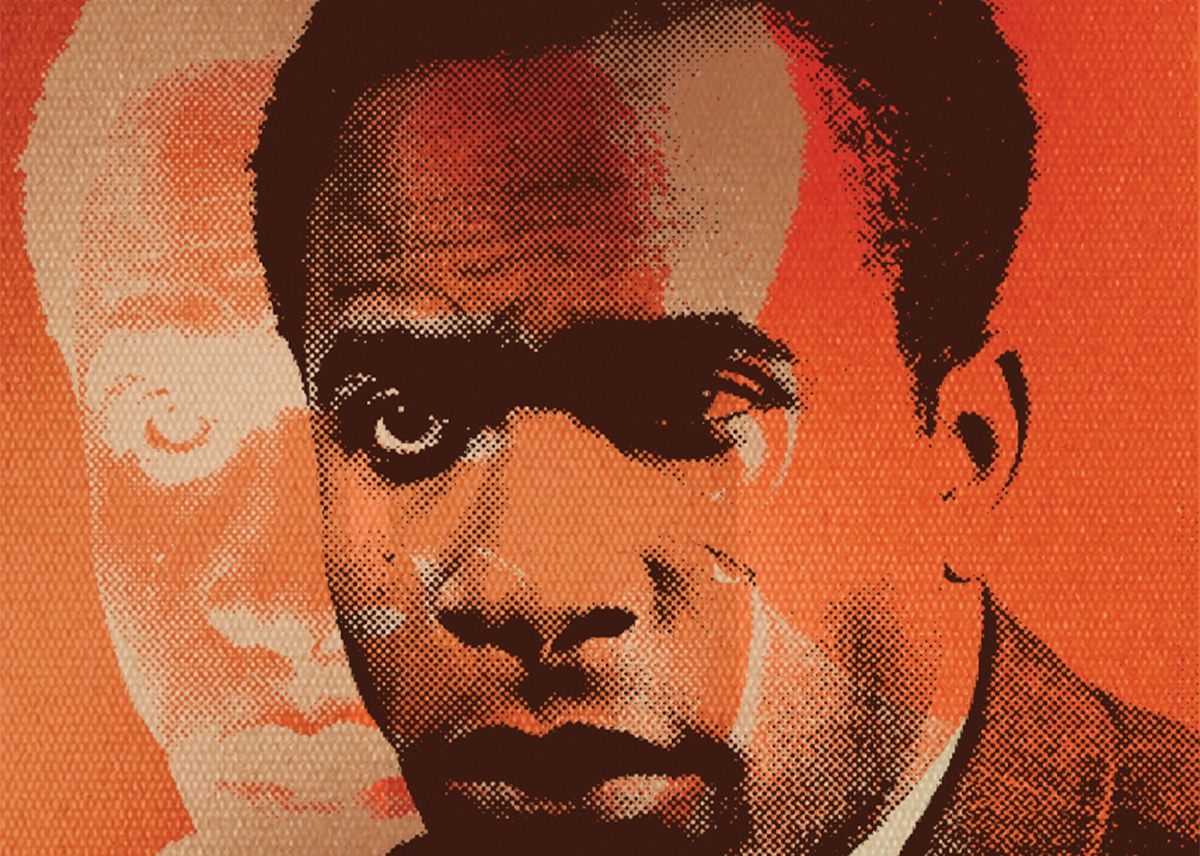
I first read Frantz Fanon’s Black Skin, White Masks in the summer of 2017, through the lens of the Black Lives Matter movement, which mobilised each time a black person in America died at the hands of police or a white civilian. I wished Black Skin, White Masks had been placed in my hands at 15 as part of a library of consciousness that might have helped better prepare me for life encased in a black, male body.
At 35, I was undergoing a process (that continues) of unravelling an education that did not centre my subjectivity. I realised that black is a qualifier, like gay or poor, suggesting some kind of compromising modification away from the norm. A man is an able-bodied, heterosexual, cisgender white man, whose subjectivity is unquestioned. A man is expected to thrive regardless of whatever misfortune he might encounter; to fail upwards. This world is not set up for me as an individual to thrive in unless I follow a path dictated by my race, class, gender and faith. I contribute to a capitalist effort centring white patriarchy, which it is impossible to be fully liberated from, so the freedom I assumed I had was an illusion. Fanon says that ‘for the black man there is only one destiny. And it is white.’ But I didn’t know any of this at 15. It was never put to me that ‘the black man is a black man; that is, as the result of a series of aberrations of affect, he is rooted at the core of a universe from which he must be extricated.’ I didn’t yet understand my own deep-lying inferiority complex, or the strange, violent, dehumanising things that happened before I was born to people who looked like me.
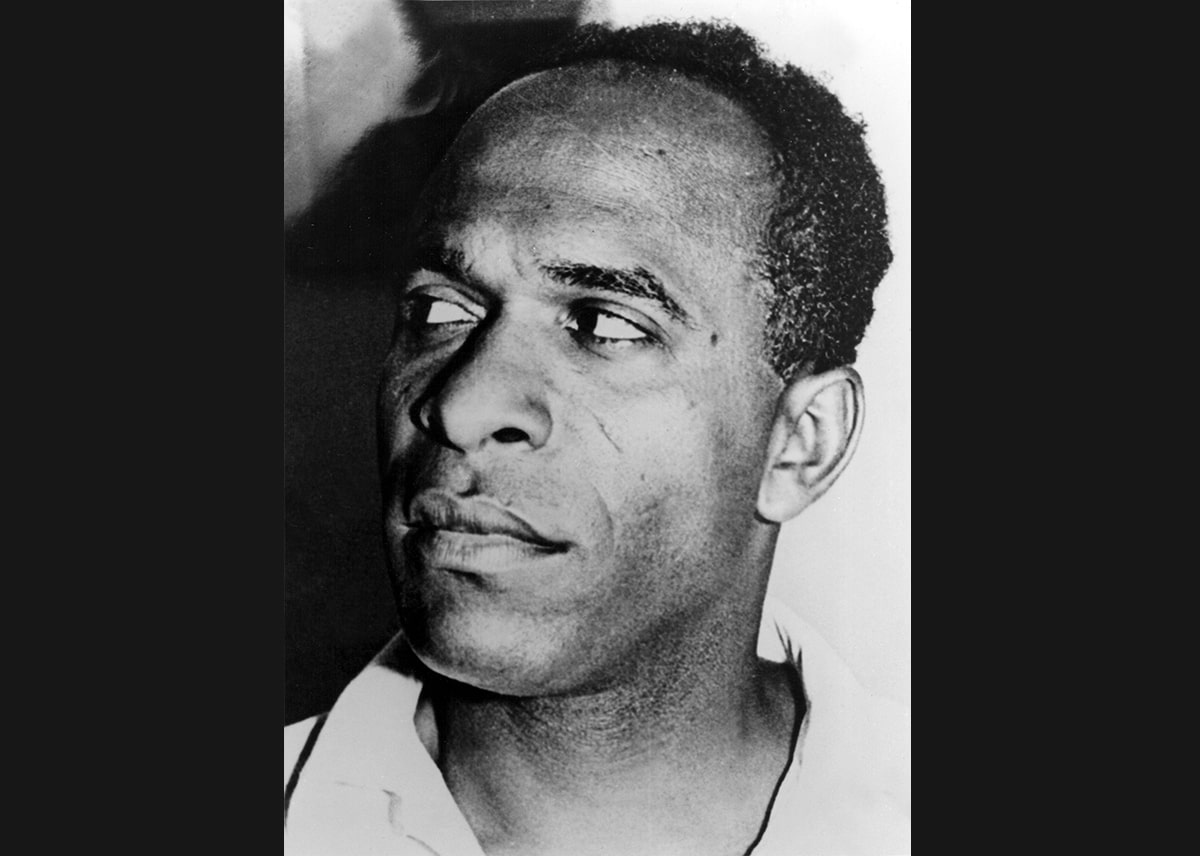
Rereading Black Skin, White Masks in tandem with Fanon’s final book, The Wretched of the Earth, I see that the latter is more responsible for his legacy as a founding postcolonial theorist. Black Skin, White Masks primarily focuses on creating a ‘new man’ for a new era, while seeking to ‘help the black man to free himself of the arsenal of complexes that has been developed by the colonial environment’. It was a book for Antilleans who saw themselves, and continue to see themselves, as French. The Fanon of Black Skin, White Masks was not looking for Antillean independence or reparations from the mother country, but simply to move forward with a different, more inclusive and universal mindset. ‘I am personally interested in the future of France, in French values, in the French nation. What have I to do with a black empire? ‘ he asks. ‘The authentic grasp of the reality of the Negro could be achieved only to the detriment of the cultural crystallisation.’ This latter point is furthered, but from a decolonial perspective, in The Wretched of the Earth, in which newly independent nations are encouraged to realise their own subjectivity, and to avoid becoming a facsimile of Europe.
Fanon was born and raised in Martinique, which remains an overseas department of France. As an Antillean, Fanon sought to establish a France that was both multi-ethnic and multicultural. While understanding that the national consciousness of the Antilleans is French, he also notes how visitors from the Antilles to France are infantilised: ‘A white man addressing a Negro behaves exactly like an adult with a child and starts smirking, whispering, patronising, cozening.’ He uses the example of how French doctors speak to black patients as opposed to white patients.
Those who would accuse Fanon of hyperbole should know that the Antillean experience in the UK was no different. Consider the case of my paternal grandfather, a labourer who moved to England from Jamaica in 1956 as a healthy, expectant father. Soon after arriving, he began to experience strong headaches, blurred vision, and a gradual loss of sight. When finally he went to see a doctor, he was quickly examined and advised, in the manner of a parent breaking down a difficult concept for a child resisting sleep, that the sun in England is very different than in Jamaica, and that because he was relatively tall, he was closer to the sun than most. He died still undiagnosed, having been sent back to Jamaica by my grandmother (who could not be his full-time carer while nursing two toddlers and working) to be cared for by his relatives. A possible cause of his death was stroke, a treatable condition had he been taken seriously. The family got their story straight and were otherwise circumspect. What Fanon nailed was the cognitive dissonance one experiences in pursuing assimilation only to lose one’s identity and authenticity, almost as if there was no such thing as black, only nigger or white. Those who speak well are told by their colleagues and fellow students that they are no longer black, then sit on a train minding their own business only to scare a small child simply by being there.
Once, while working part-time in a restaurant, I was casually threatened with lynching by a white lady if my rosé wine recommendation was found by her to be inadequate. Whether she was joking or not (and I doubt she was, because she repeated it), I was the only black member of staff, so I can be certain that I was the only person whose presence would have provoked the idea in her mind of lynching. The threat of lynching made me hyper-aware of my (biologically male) body and my presence, and of how the character and knowledge I have built for myself can be wished away by someone who only sees the body, and their own idea of what my body is capable of and must be prevented from doing. We navigate life based on who recognises us on their own terms. Fanon, at 27, understood this deeply.
© Taíno Mendez

Frantz Fanon: revolutionary psychiatrist
Editorial
Colin Grant
From the individual to the collective
Zebib K. Abraham
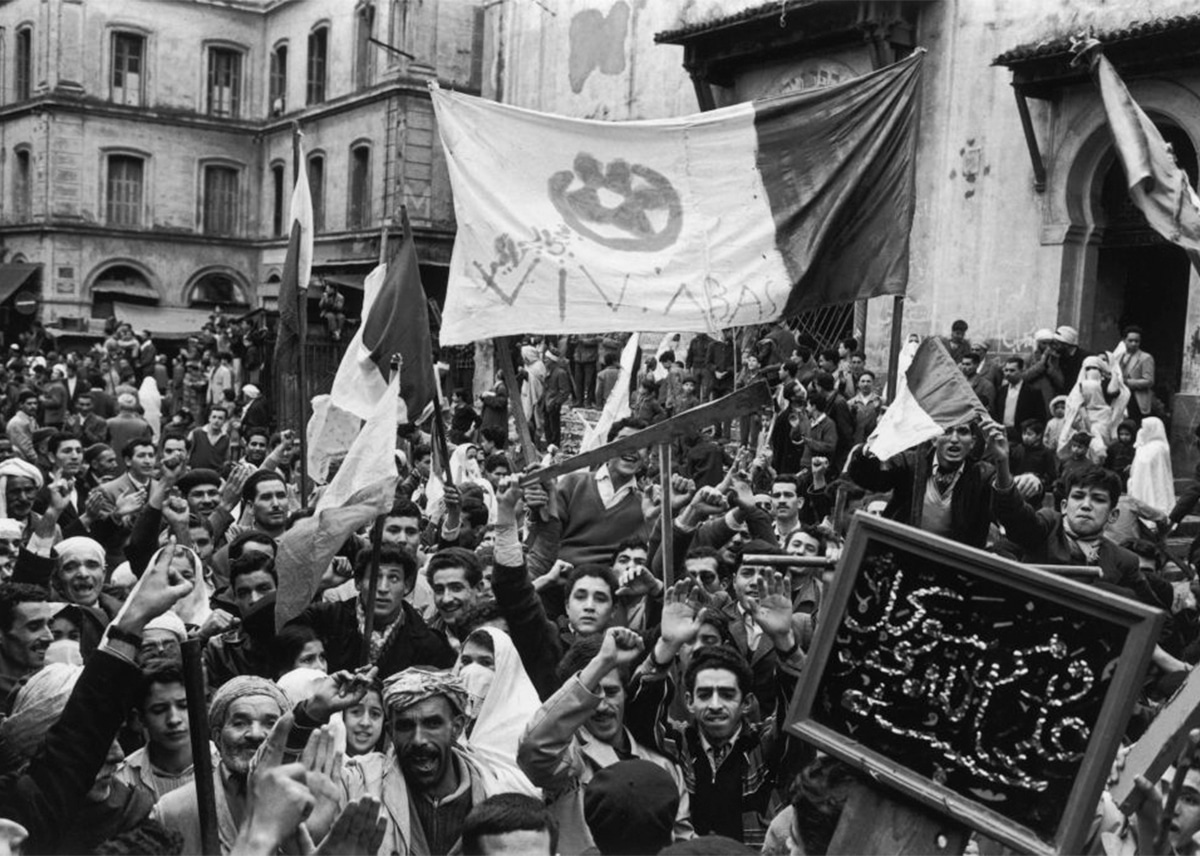
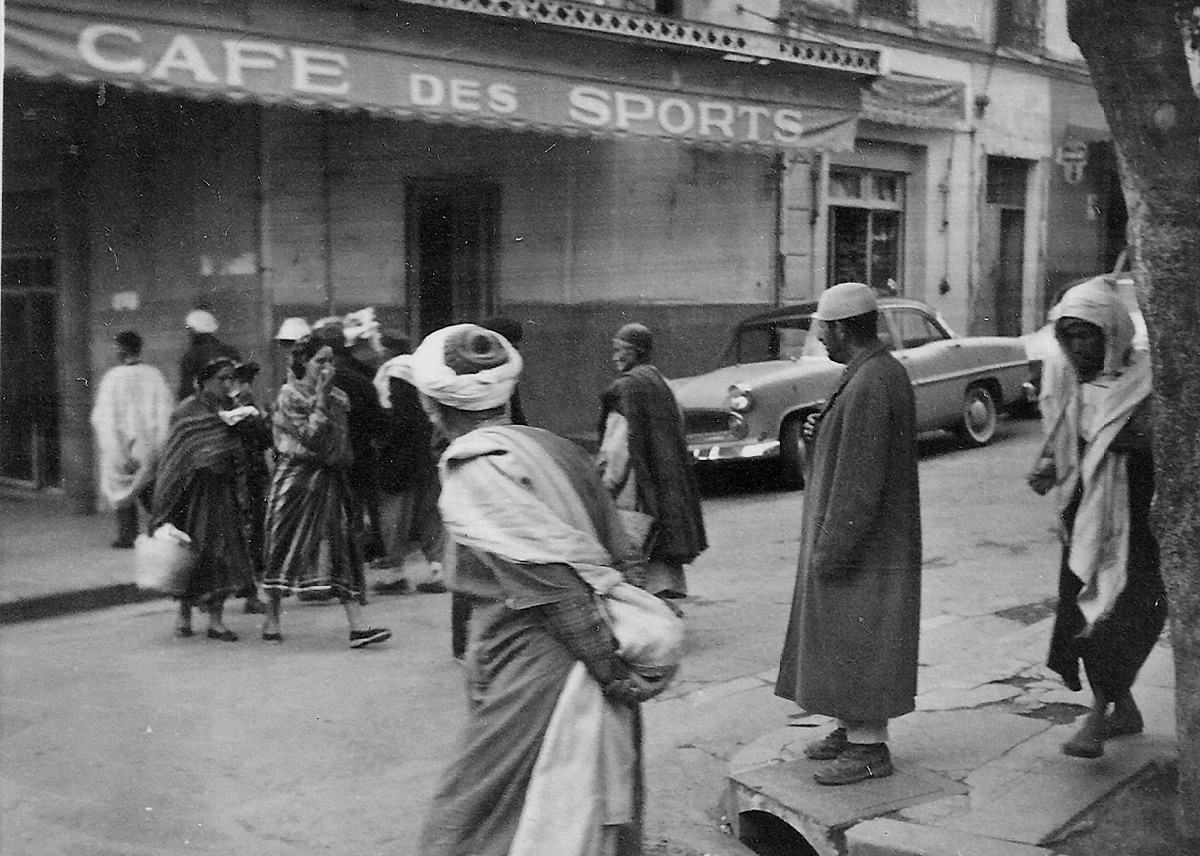
Blida, Algeria, 1953
Ekow Eshun
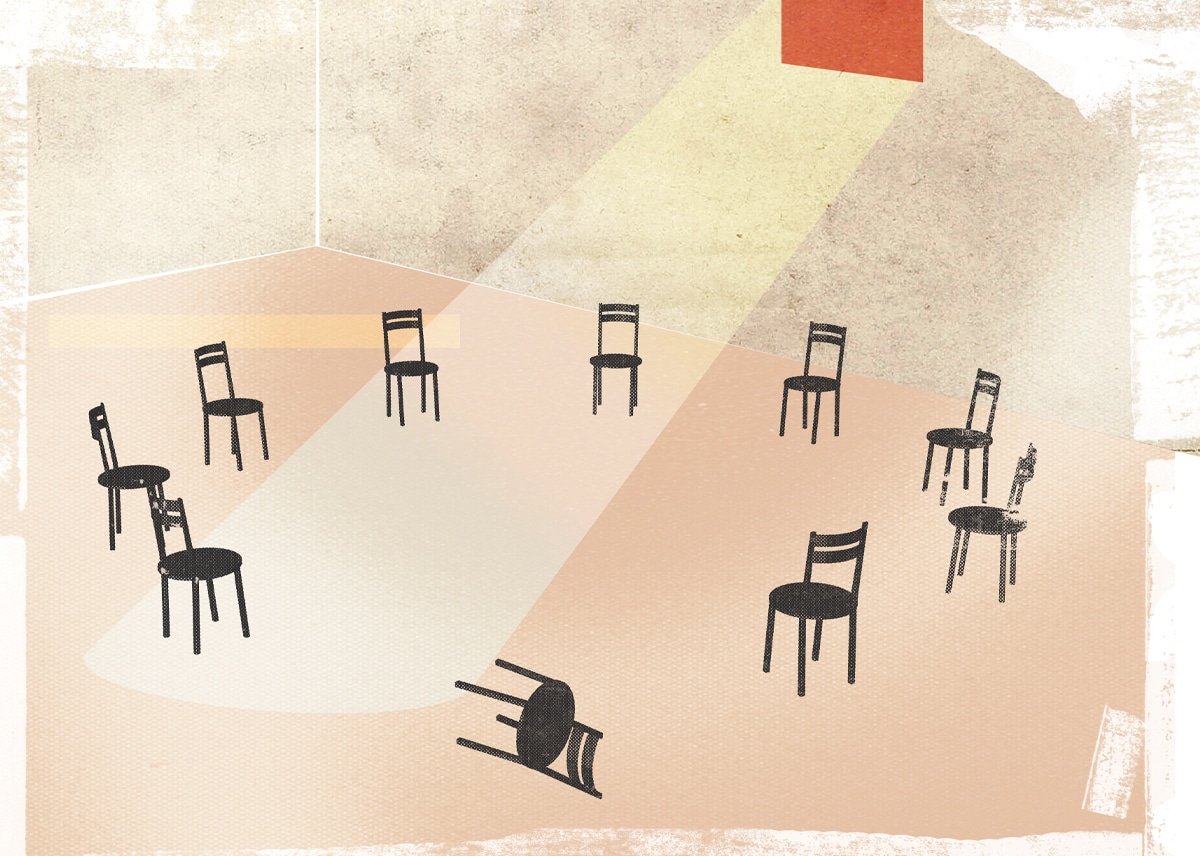
Writing the wound: politics, poetics, psychiatry
Clementine Ewokolo Burnley
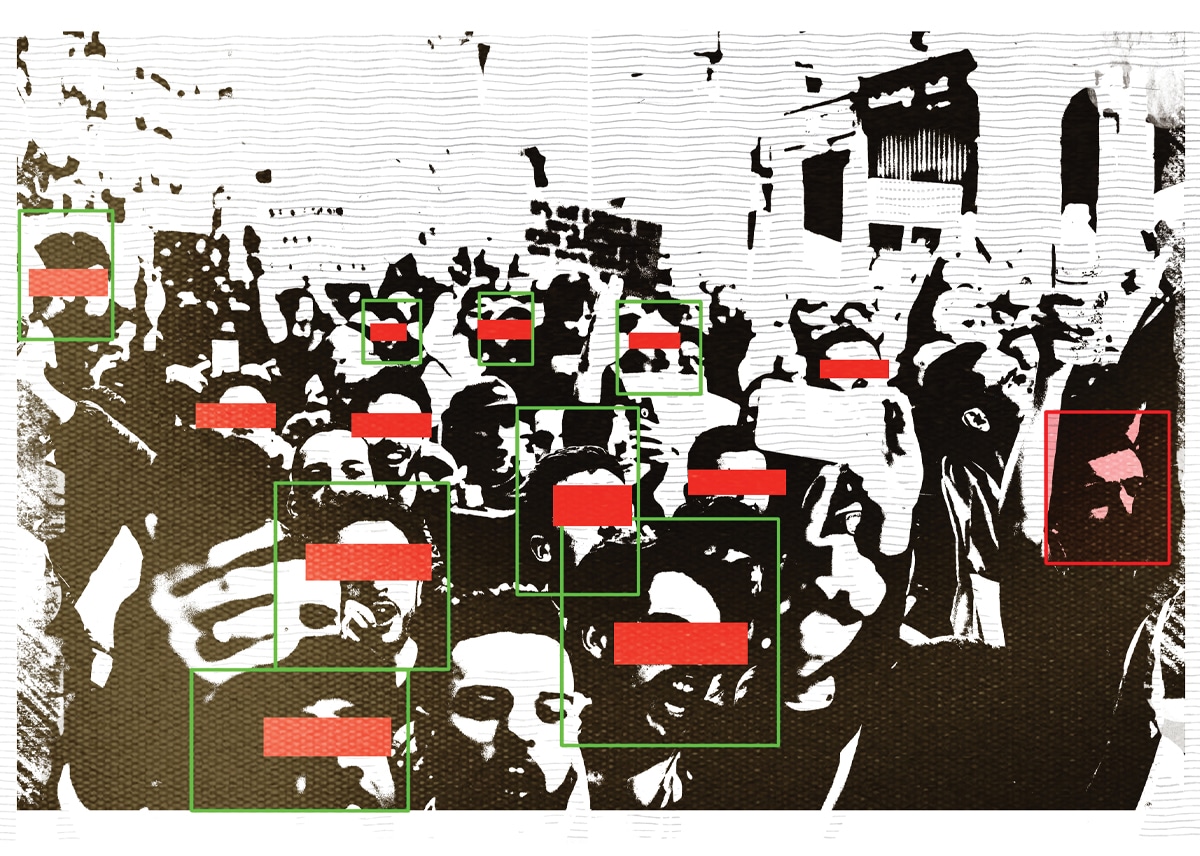
The racial allocation of guilt (after Fanon)
Roger Robinson
On entering the zone of being
Chitra Ramaswamy
Brown skin, white mask
Khaldoon Ahmed
Alternative destinies
Isabelle Dupuy & Zoe Mohaupt
Inglan mad dem
Colin Grant

Illuminating, in-depth conversations between writers.
Listen to all episodes
SpotifyApple Podcasts
Amazon Music
YouTube
Other apps

The series that tells the true-life stories of migration to the UK.
Listen to all episodes
SpotifyApple Podcasts
Amazon Music
YouTube
Other apps
Nine writers with migrant backgrounds reveal the secrets of their talismans of migration.
Listen to all episodes
SpotifyApple Podcasts
YouTube

Free Will
Will Harris reads his poem, 'Free Will'. Directed by Matthew Thompson and commissioned by the Adrian Brinkerhoff Poetry Foundation.

Half Written Love Letter
Selina Nwulu reads her poem, 'Half Written Love Letter'. Directed by Matthew Thompson and commissioned by the Adrian Brinkerhoff Poetry Foundation.


On seeing Iran in the news, I want to say
A poet reflects on what it's like to be of Iranian descent and to witness terrible news coming out of Iran.

Sad Song of Plantain poem
'I lie as quiet as death in this ‘three for two pounds’ cardboard box'
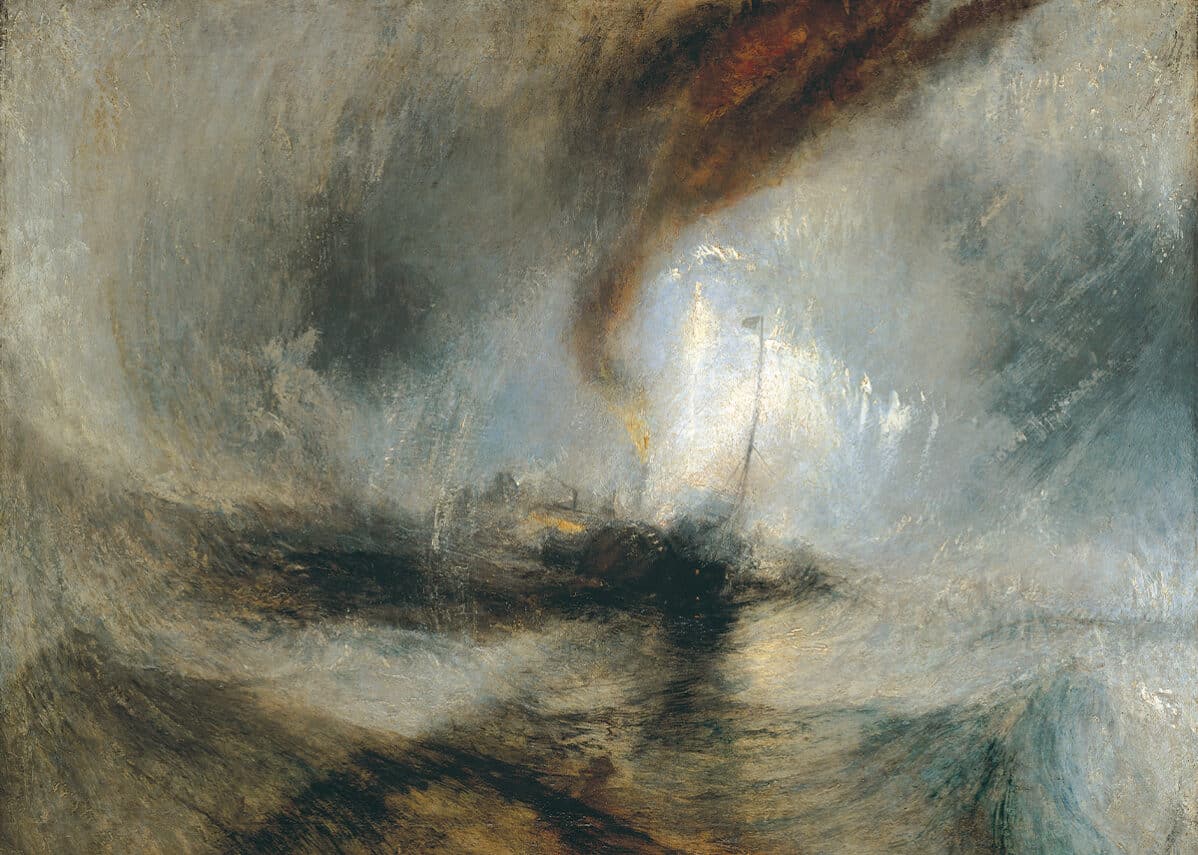
Regarding Turner
What does knowing of the revered British artist's investment in chattel slavery mean for his legacy?

The Secret Agent
A film as much about the contemporary moment as its period setting
Sinners
A soulful, blues-soaked explosion of music centres this Southern Gothic and slasher horror
