Is english we speaking: African/Caribbean dialogue
Meeting the ogbanje
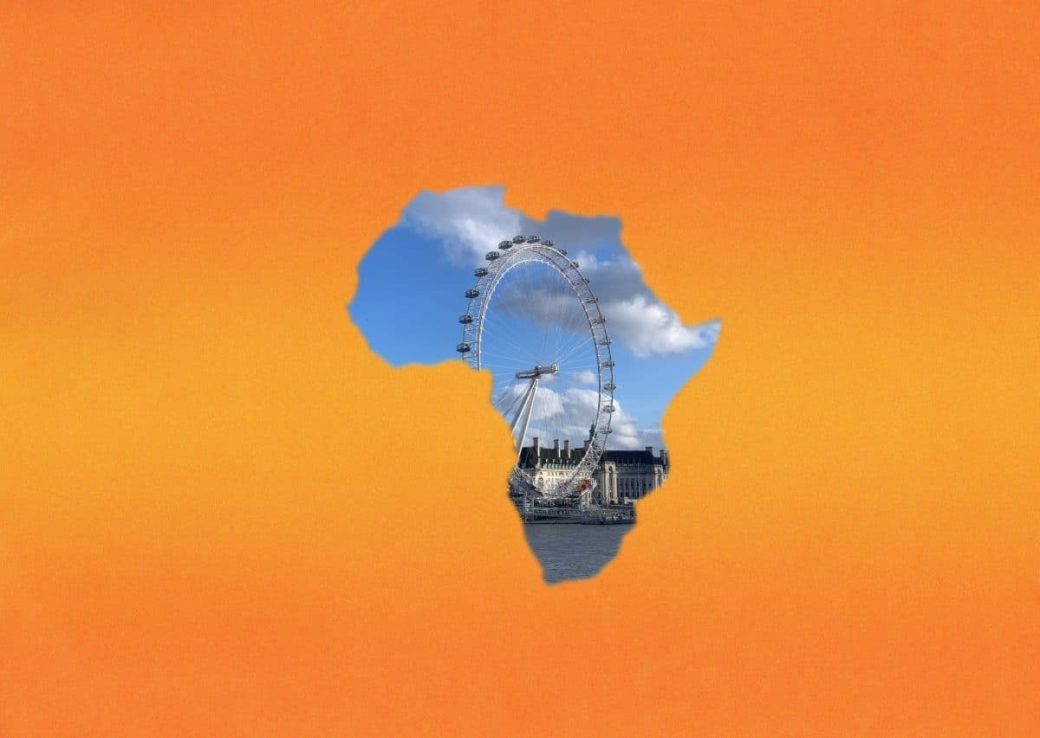
My first encounter with African literature was when I was fourteen or fifteen, living in Port of Spain, Trinidad, in the 1980s. I’d been an avid reader as a child, but as a teenager I made little headway with Austen, Dickens, or the Brontës. (I gravitated more to Americans: Fitzgerald, Hemingway, Miller.) When I read Achebe’s Things Fall Apart, then Alan Paton’s Cry, The Beloved Country, and Too Late the Phalarope, I felt a connection to these books that I hadn’t felt with the English novels, although I didn’t understand why.
In my mid-twenties, when I was starting to write, I came to Doris Lessing and J. M. Coetzee and I realised what had stirred me about these African novels: simply, that the physical reality of the characters’ lives was similar to the life I knew in the Caribbean. In Lessing’s The Grass is Singing, think of that little wooden house with the tin roof, the big dome of the unblinking blue sky above, that merciless blazing sun. In Things Fall Apart, see how much happens during the cool of the night-time, how people’s lives are organised around the need to avoid the midday heat. Though I’d never felt the need to ‘see myself’ as a Caribbean child reflected in a novel, I do remember, in Cry, the Beloved Country, reading about the red-brown dust that clings to the soles of people’s feet and feeling the shock of recognition, of thinking, ‘But – that’s just like us!’
In my early thirties, from around 2005 onwards, I was writing more seriously and noticing that new African/diasporic novels were gaining recognition. I read Nigerian British writer Diana Evans’ novel 26a partly as research, and partly because we lived in the same neighbourhood in London. Later, I read Chimamanda Ngozi Adichie (Nigeria) and Petina Gappah (Zimbabwe) because I discovered that my editor at Faber had published both authors. What struck me was the clash of ‘old’ and ‘modern’ Africa – the houseboy in the opening chapters of Adichie’s Half of a Yellow Sun who’s amazed by the toilet and the fridge, for example: it was eye-opening to realise that both traditional and modern worlds co-existed in Nigeria, and that the society was large enough to accommodate that. In Gappah’s short story, ‘Our Man in Geneva Wins A Million Euros’, a Nigerian man in Switzerland responds to a scam email and ends up transferring his life savings to a fraudulent account and losing everything: again, it was the clash of worlds that struck me, and the human cost of individuals falling through the gap.
Overall, I have the sense that African writers are setting the pace in the fearlessness with which they approach potentially awkward subjects. In the novel Americanah, for example, I was impressed that Adichie so bluntly drew a distinction between ‘American blacks’ and African immigrants to the USA, exposing a cultural gap which perhaps had previously been denied. Another example is the (as I perceive it) change in the treatment of spiritual ideas: in 2005, in Evans’ book 26a, the Igbo concept of ogbanje spirit-possession is used as a metaphor throughout the novel, yet the word ogbanje is never used, and one character privately calls the concept ‘a load of had dock’. Fast forward to 2019, and in Akwaeke Emezi’s novel Freshwater, the ogbanje is now centre-stage, in person, controlling the narrative, and very convincingly. As a Caribbean writer, if there’s one thing I can learn from African literature, it’s to allow myself to be bolder in my own work and my own thinking: to meet the ogbanje head-on.
© Claire Adam
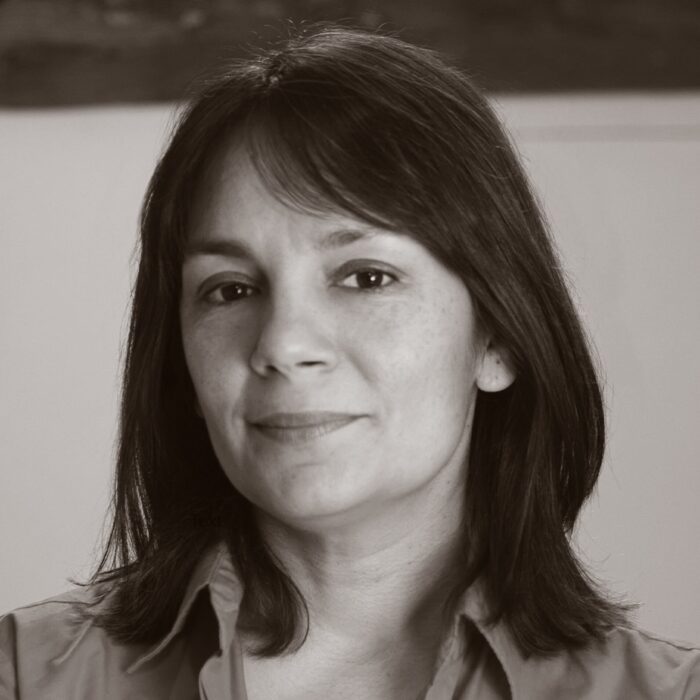
Claire Adam
Claire Adam is from Port of Spain, Trinidad and now lives with her family in south London.
Is english we speaking: African/Caribbean dialogue
Snapshots taken along the way
Jane Bryce
A Fine Intuition
Billy Kahora
What is Africa to me?
Colin Grant
Who is ‘the other’ anyway?
Stewart Brown
Travelling Lines
Funso Aiyejina
A West Indian in Africa
Philip Nanton
Redemption is more than a song
Tendai Huchu

Together Apart
Robert Taylor
WritersMosaic monthly
Get new episodes by email
One email monthly, unsubscribe anytime

Illuminating, in-depth conversations between writers.
Listen to all episodes
SpotifyApple Podcasts
Amazon Music
YouTube
Other apps

The series that tells the true-life stories of migration to the UK.
Listen to all episodes
SpotifyApple Podcasts
Amazon Music
YouTube
Other apps
In the first series of poems commissioned by Hannah Lowe, six poets explore how ritual gives meaning to our lives.
Listen to all episodes
SpotifyApple Podcasts
YouTube

Free Will
Will Harris reads his poem, 'Free Will'. Directed by Matthew Thompson and commissioned by the Adrian Brinkerhoff Poetry Foundation.

Half Written Love Letter
Selina Nwulu reads her poem, 'Half Written Love Letter'. Directed by Matthew Thompson and commissioned by the Adrian Brinkerhoff Poetry Foundation.
Triage
A response to the endless spiral of worldwide conflict and tragedy
My tomorrow is today
'I clasped my hands together, not in prayer but to stop them from shaking'
Ballet Black at 25
Cassa Pancho: 'It’s a miracle that we are still here in some way'
Mahsa Salali’s Naqqāli
'Salali positions the female body... as an active agent'
At Sea
Bearing witness in the face of dismissal