
Gentle Euphoria
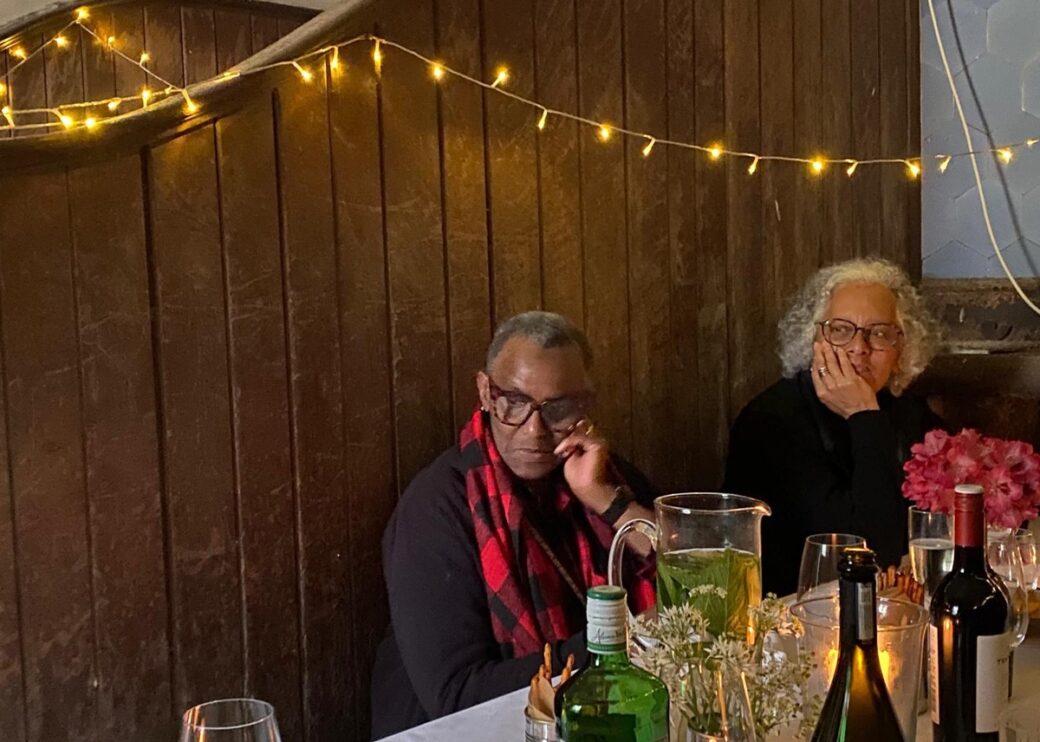
For the first time in many years, I forgot to request my repeat prescription on time. I put this abnormal and somewhat dreamy state of mind down to having recently returned from a WritersMosaic retreat for writers in Scotland. Yes, the setting was beautiful: farmland as far as the eye could see, rhododendrons, wild garlic, bluebells lining the paths leading to the wide skies of the seashore. Yes, the food was excellent: tasty, freshly prepared and boldly flavoured. Yes, there was peace and quiet and skies so dark you could see the Northern Lights. But most of all it was the company.
Writers are for the most part solitary creatures. Certainly the process of writing can be a lonely one, so to be in the company of five fellow writers of different disciplines and at different stages in our careers was food for the soul. A roaring fire in the lounge before dinner created the setting for interesting and sometimes challenging conversations. Going for long walks, sitting in the sun trap by the pool, staring out of the window, selecting from the many shelves of books to dip into for inspiration were all acknowledged as part of the writing process. And we did write. One was juggling two or three deadlines across drama in several media, one was getting stuck into a doctoral thesis, one was building up the traction to start a major new commission, others were writing or editing scripts for film or television. And I was finally, after years away, rediscovering the joy of writing, even if it was in a new and unfamiliar form: memoir.
But the impulse to write drama, the form in which I have nearly always written, was harder to deny than I wanted to admit. On the fourth day of the retreat, writing on my memoir stymied by indecision about how much detail to include, the core idea of a play I had been thinking about for a while popped into my head. What would happen to family relationships over three generations in a contemporary middle-class Black British family – no matter how loving – if there were only enough family resources to allow one generation to change their circumstances? How do you choose? I knew the issues I wanted to talk about and the voices of the characters, and had some idea of what would drive the plot, so I had a stab at an opening scene.
The previous evening, I had been unable to contribute to the after-dinner sharing (the viewing of a short film and performances by my fellow writers) as I had nothing to show. Among my fellow writers were two trained actors, a skilled performer, an experienced director and an editor with an analytical mind. A reading of freshly written dialogue, particularly in front of such talented peers, was a risk but, having thought about it for a day or two, I decided it was worth it. I asked my fellow writers to do a reading of the scene for everyone at our pre-dinner get-together in the lounge. By now, I felt confident that not only would my fellow writers do their best at the hastily convened reading but that they would respond honestly and clearly to what I had written.
And so it was. The voices of the characters were pretty clear, the central issue that the play would examine was established and, even with no rehearsal, the plot drove along well enough. There was too much exposition in one speech, a bit too much French farce in the comings and goings, but it held up. The questions and comments afterwards were perceptive and the speculation on where the story might go next were helpful. And for the first time in years, after time spent producing, directing and editing other writers’ work, I had put my own pen to paper. It had felt familiar and just as exciting and risky as ever.
Because the retreat had been organised by a writer who understands the process of writing and the support writers need, we could – to quote a fellow writer – ‘put down the sword and shield’ of race, gender and career we carry in the world and simply rejoice in our craft and being with peers. I am convinced that their generosity and talent created the gentle euphoria that lasted for days after returning home. At least that is my excuse for forgetting to renew my prescription. I am too busy writing.
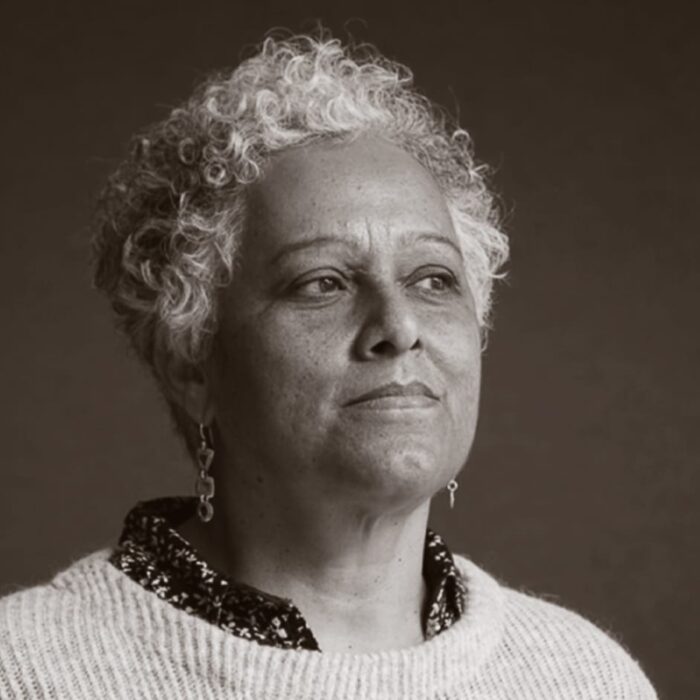
Patricia Cumper
A playwright and theatre director, Patricia Cumper has also adapted novels for radio and television.
WritersMosaic monthly
Get new writing in your inbox
One email monthly, unsubscribe anytime
It’s being published I get paid for; the writing I would do for free
‘Any advance [...] for your novel is to compensate you for the horrors of being published'
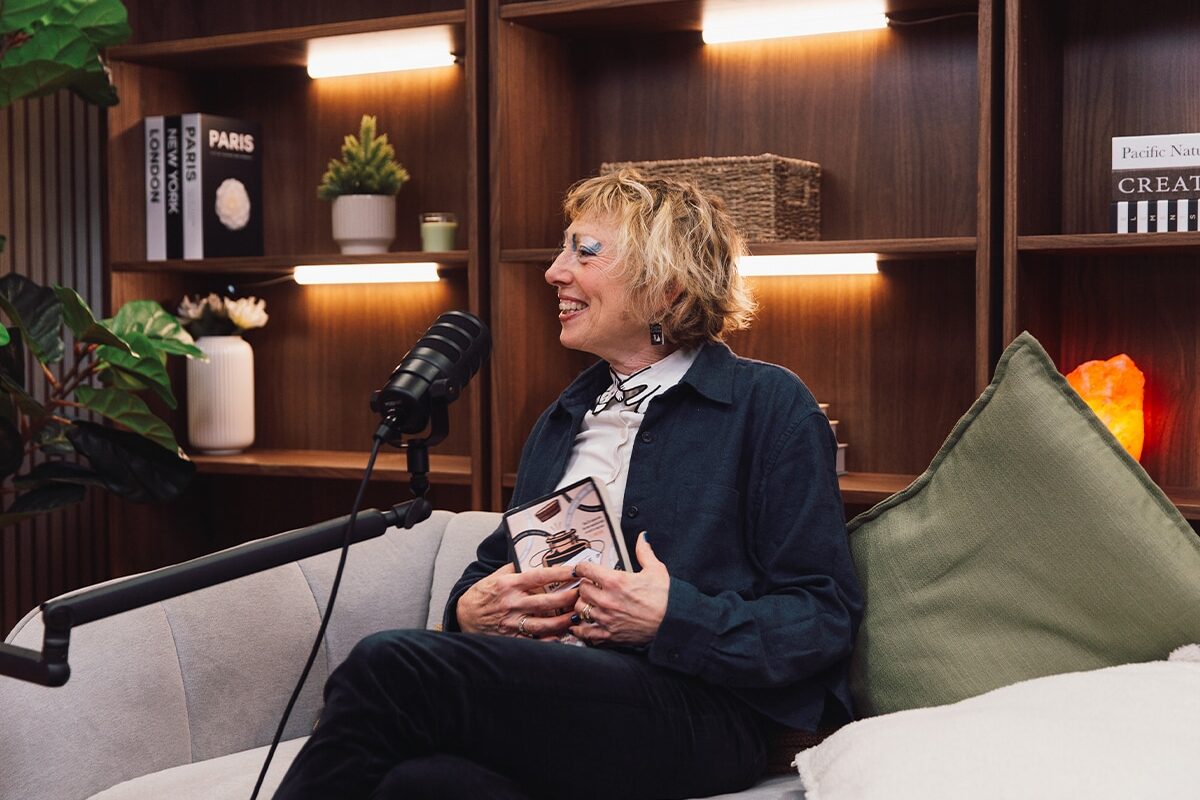
Complex antihero: an interview with Arthur Hughes
Unravelling Authur Hughes' Richard III
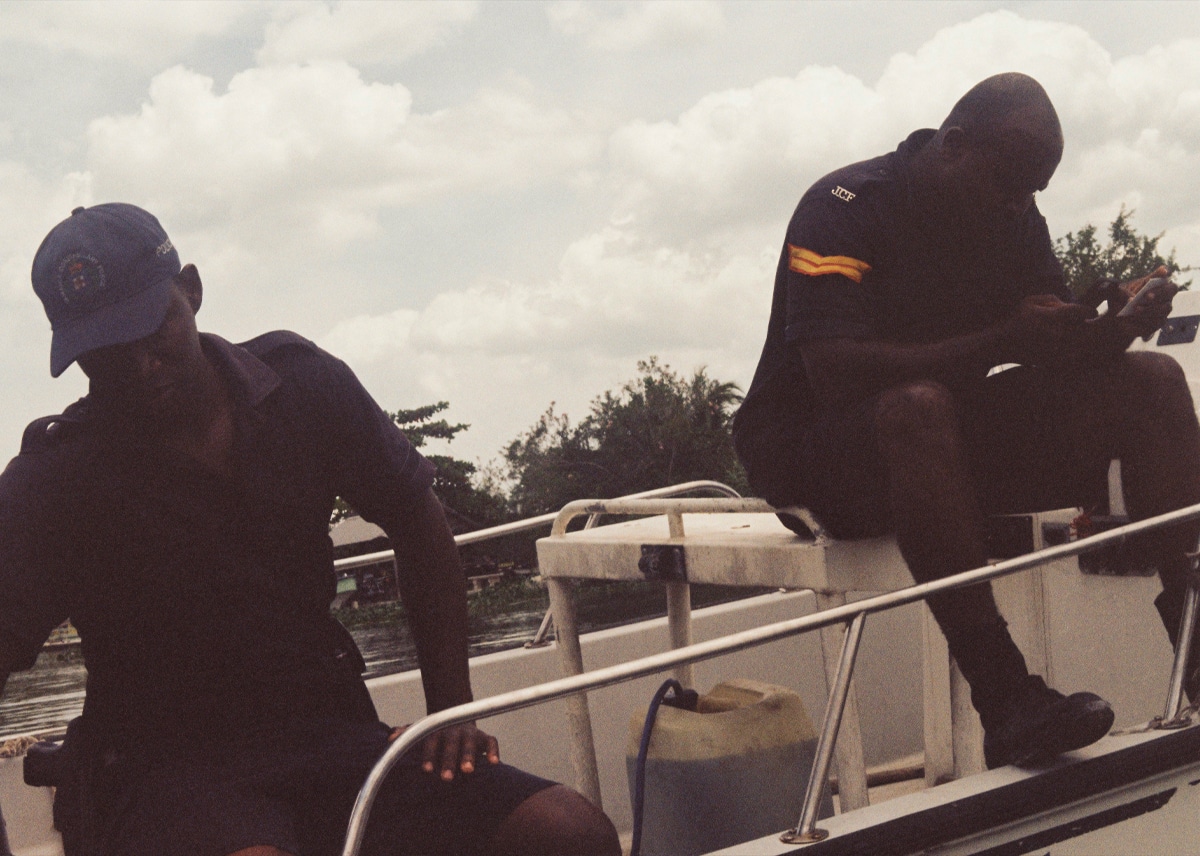
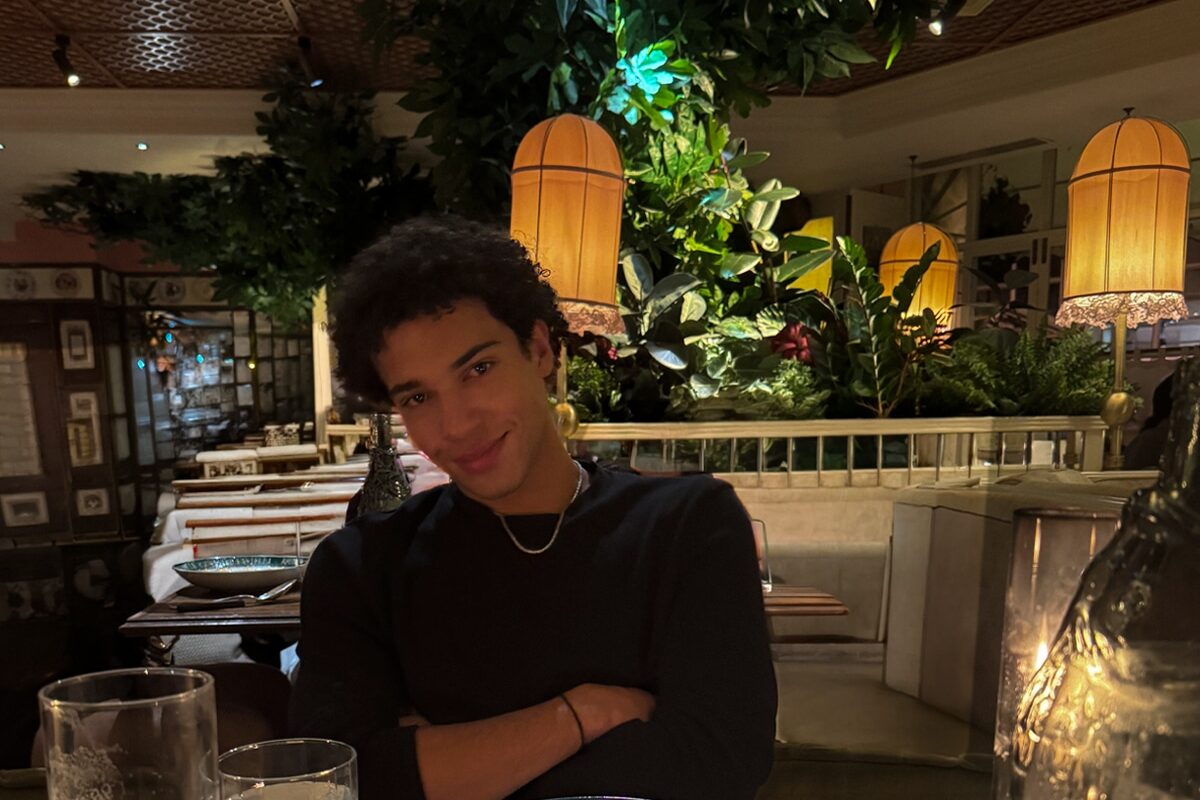
Marlon James: a Jamaican reckoning
'A return to a home I barely knew'


Haunting the Black Air
Poetic freedom across space and time
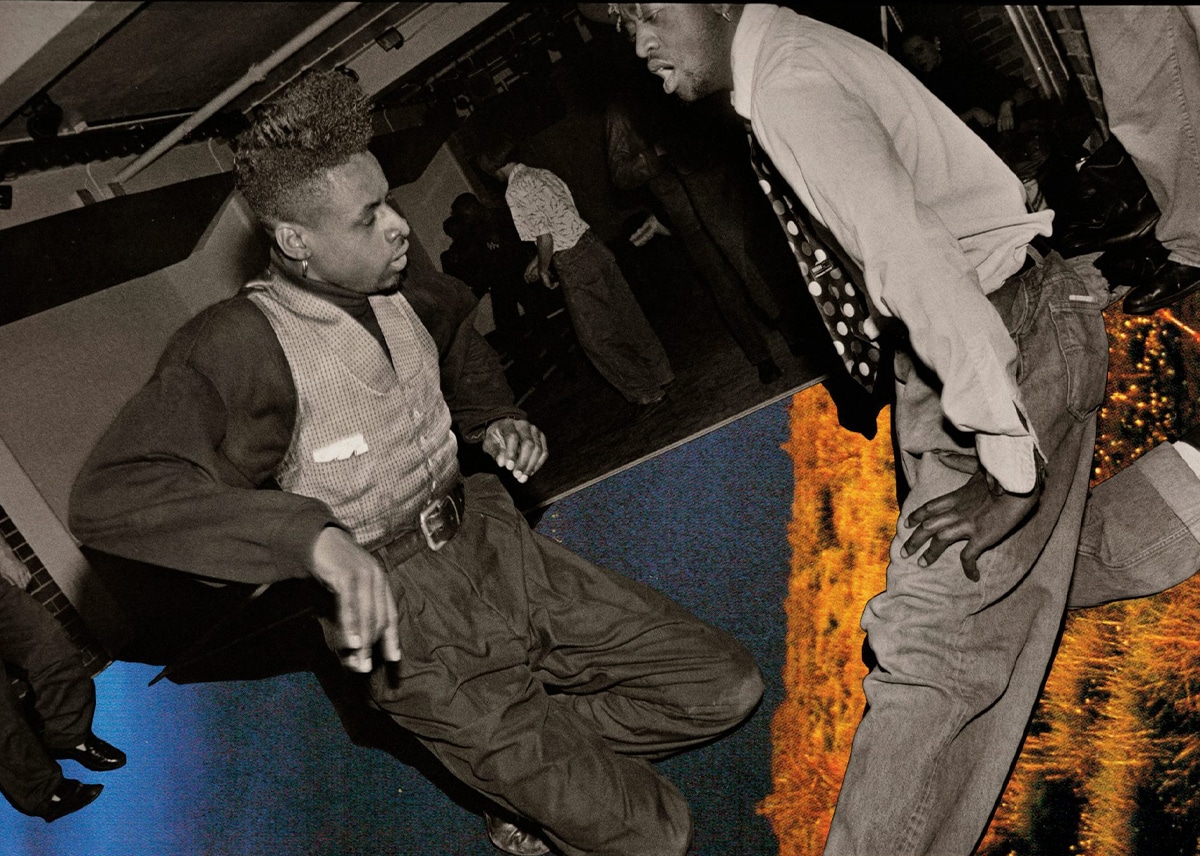
The Disappearers
A sprawling visceral experience that drops you in head first

The Lady Imam
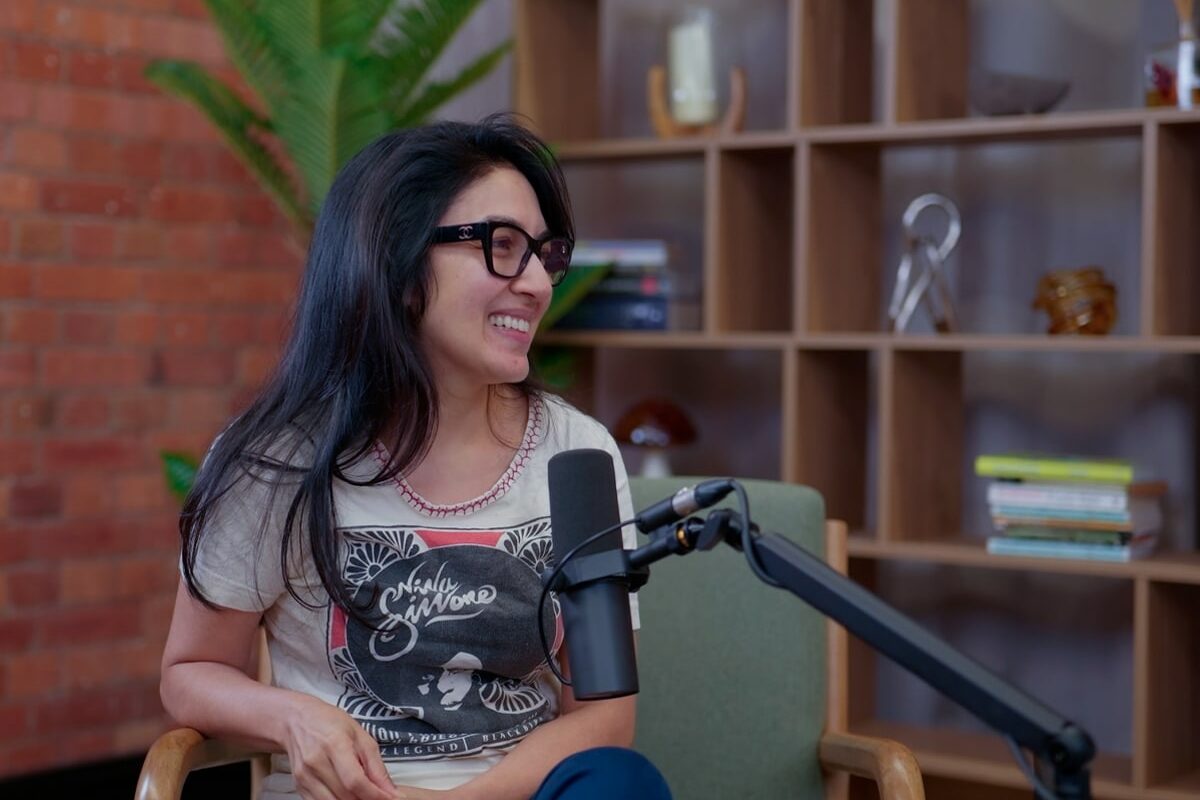
Is the world ready to catch up with amina wadud?



Illuminating, in-depth conversations between writers.
Listen to all episodes
SpotifyApple Podcasts
Amazon Music
YouTube
Other apps

The series that tells the true-life stories of migration to the UK.
Listen to all episodes
SpotifyApple Podcasts
Amazon Music
YouTube
Other apps
WritersMosaic interrogates the notion of ‘staying in your lane’ by asking writers how they attempt to think beyond the parameters of their cultural identity.
Listen to all episodes
SpotifyApple Podcasts
YouTube