Jewish Multiculturalism
(In)Security

From a Jewish point of view, at least in the UK, we had thought we were safe. Antisemitism was at historically trivial levels, the community was in general relatively affluent (though always with overlooked and quite large pockets of poverty), high proportions of its young people went to university and thrived there and in professions afterwards. ‘Don’t bother to fight back against antisemitic bullies’, runs one joke about a father consoling his child; ‘just wait until you are the judge and they are the criminals’.
Yet for some time now insecurity has pervaded the Jewish community, not just as a consequence of the damaging controversies over antisemitism in the Labour Party, but as part of both a ‘strategy of continuity’ within the community and a broader rise in national and international security concerns. The former type of insecurity was mapped a decade ago by Keith Kahn-Harris and Ben Gidley in their book, Turbulent Times, in which they showed that Jewish leadership in the UK had responded to worries about the stability and continuity of Jewish identity by actively cultivating discourses of insecurity (as illustrated by the title of one of Jonathan Sacks’ first books after he became Chief Rabbi, Will We Have Jewish Grandchildren?).
Without action, it was feared, the ‘mainstream’ community will wither away through assimilation, out-marriage and declining religious observance. The only rapidly growing part of the community is the strictly orthodox, the ‘Haredim’ (think what it will be like if these fundamentalists become dominant?). This kind of insecurity has spawned renewed attempts, some of them successful, to create spaces for Jewish identity formation in cultural, religious and Zionist spheres, but has also reinforced a sense of decline, in which Jewishness has to be defended or it will disappear.
The second kind of insecurity is more threatening, at times introducing a tinge of hysteria, but it is also a part of wider tendencies and developments. Since the September 11 attacks in 2001, the security of minorities has become a key issue in the British public sphere within a context of what has been called ‘anxious politics’, characterised by images of terrorist threat, heightened surveillance, burgeoning nationalism, and rising religious and racial hate crimes. In the UK, this is reflected in the way government policies have highlighted Jewish safety and supported increasing activity among Jewish communal security organisations, as well as the prominence given in the media (non-Jewish as well as Jewish) to stories of rising antisemitism (which is a fact, albeit from a low base).
This has raised key questions in relation to security: Who speaks in the name of the community on this issue and how diverse might its voices be? Has the attention paid to antisemitism impacted on the felt experience of security within the community? And what effect have Jewish media representations of insecurity had on communal experience?
For example, what does it do to Jewish identity if children going to a Jewish school are kept behind high fences with professional security guards ‘protecting’ them from largely unnamed threats? What about constant ‘security’ checks at synagogues and Jewish cultural centres? Even if nothing ever happens, this kind of response to the conflicts, attractions and distractions of multiculturalism, on the one hand, and antisemitic activity on the other, adds to a growing sense of insecurity – if we need this much protection (and maybe we do), then the paranoia of our leaders can seem to be justified. It’s an obvious adage, but the more security of this kind you have, the more insecure you can feel.
© Stephen Frosh

Stephen Frosh
Stephen Frosh is Professor in the Department of Psychosocial Studies at Birkbeck, University of London.
Jewish Multiculturalism

Fragments of my Father
Simon Liebesny

The Death of Beelzebub
Will Self

The Missing Mizrahi
Shelley Silas

Yiddish as a Living Language
Ross Bradshaw

Beatty Orwell: The Battle of Cable Street
Rachel Lichtenstein

Jewish Multiculturalism
Michael Rosen

On Assimilation
Jonathan Wolff

Distinctions & Extinctions
Devorah Baum

Jews and Poles in Interwar Poland
Eva Hoffman

Photo Essay
John Offenbach
The intention
John Offenbach

Illuminating, in-depth conversations between writers.
Listen to all episodes
SpotifyApple Podcasts
Amazon Music
YouTube
Other apps

The series that tells the true-life stories of migration to the UK.
Listen to all episodes
SpotifyApple Podcasts
Amazon Music
YouTube
Other apps
Afro-Caribbean writer Frantz Fanon, his work as a psychiatrist and commitment to independence movements.
Listen to all episodes
SpotifyApple Podcasts
YouTube
A six-part audio drama series featuring writers with provocative and unexpected tales.
Listen to all episodes
SpotifyApple Podcasts
YouTube
Reggae Story
Hannah Lowe reads her poem, 'Reggae Story' inspired by her Jamaican father, Chick. Directed by Matthew Thompson and commissioned by the Adrian Brinkerhoff Poetry Foundation.
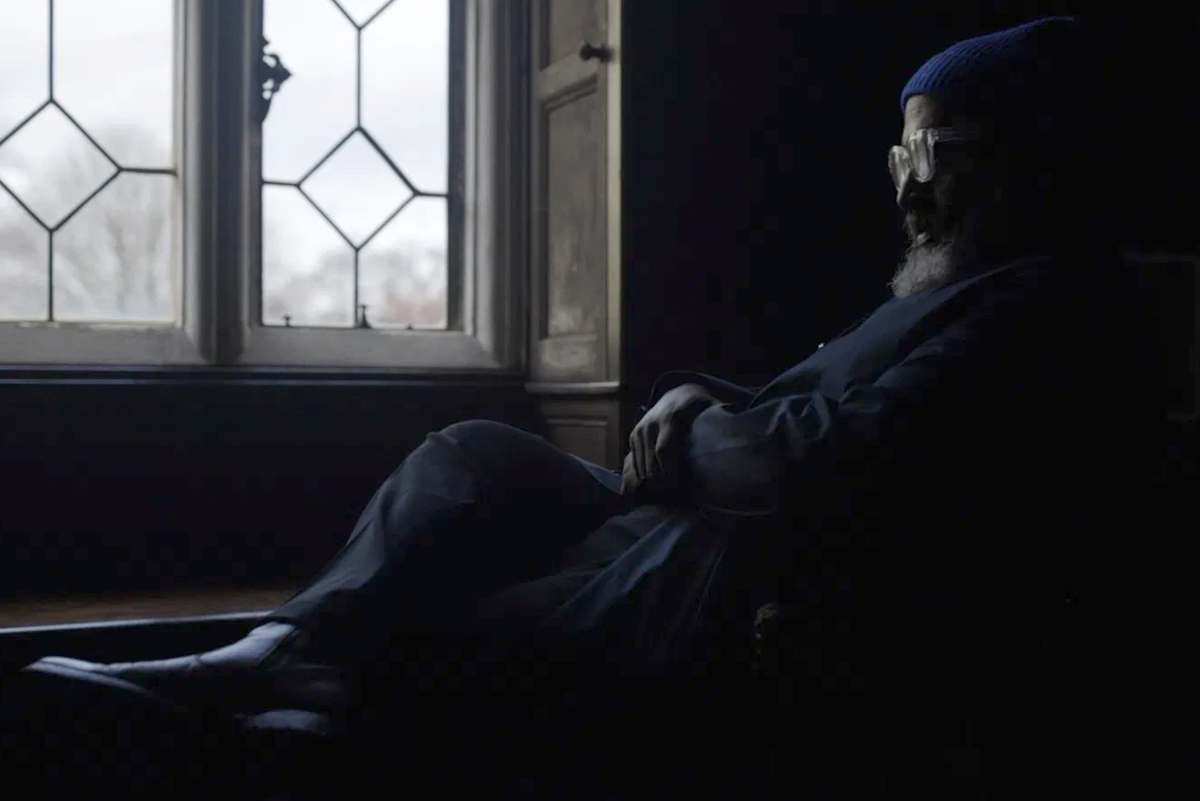
The City Kids See the Sea
Roger Robinson reads his poem, 'The City Kids See the Sea'. Directed by Matthew Thompson and commissioned by the Adrian Brinkerhoff Poetry Foundation.
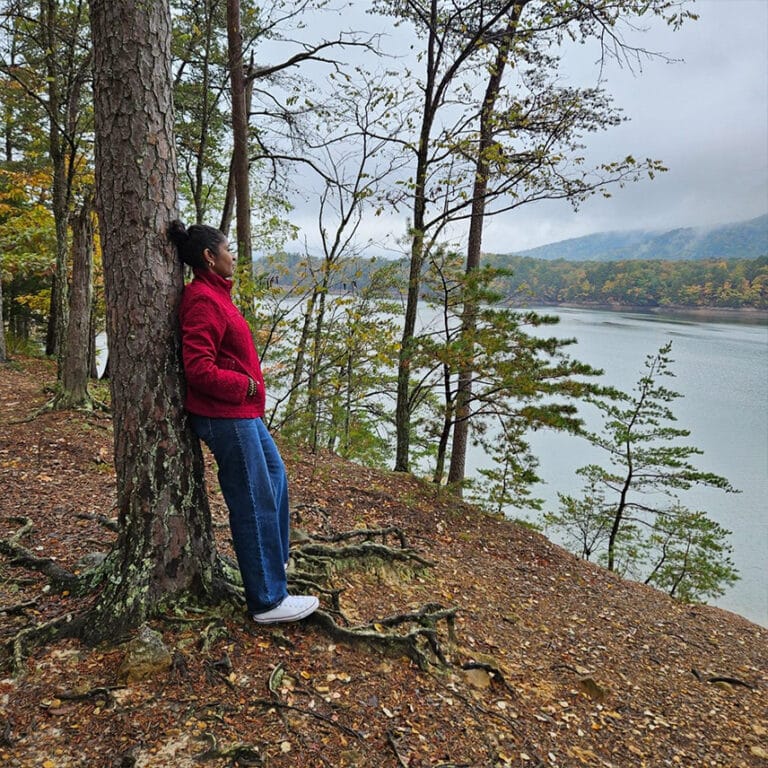
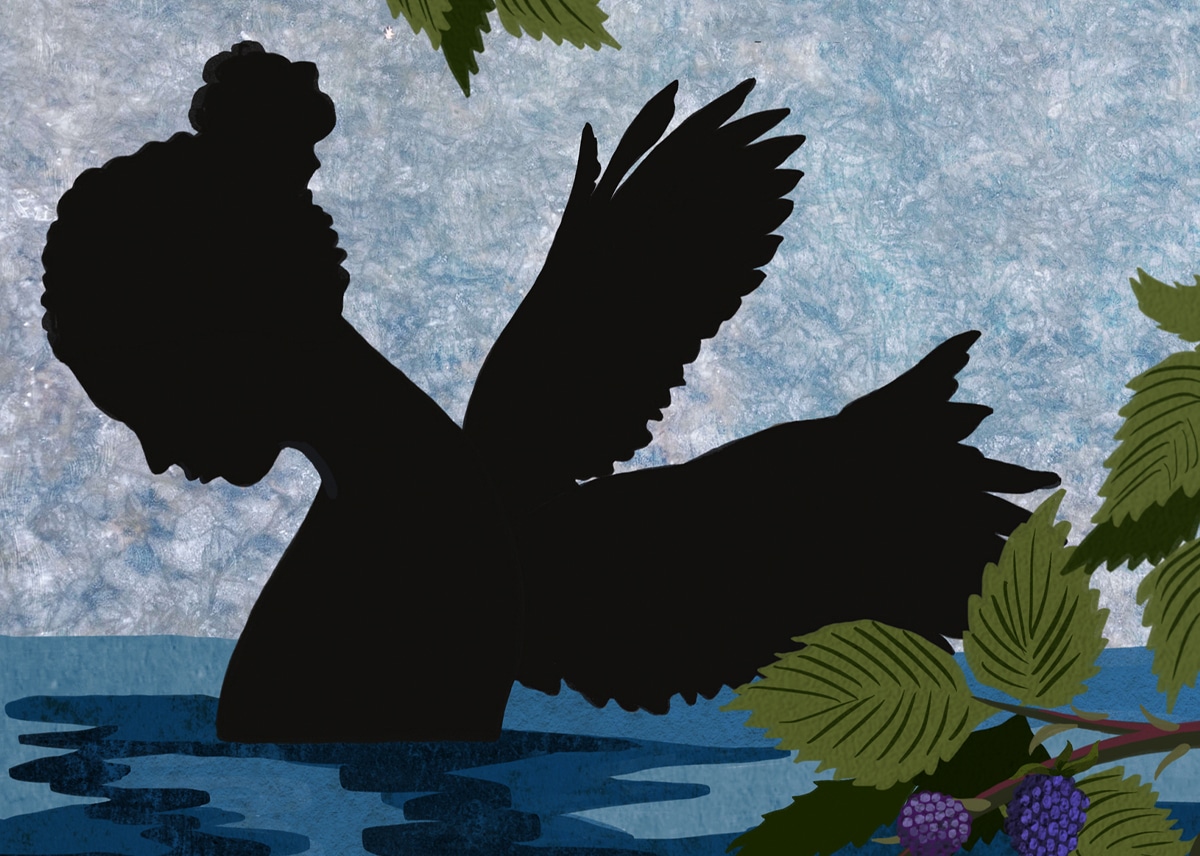
Other Wild
Emily Zobel Marshall invites us to heal by connecting to our senses and the natural world
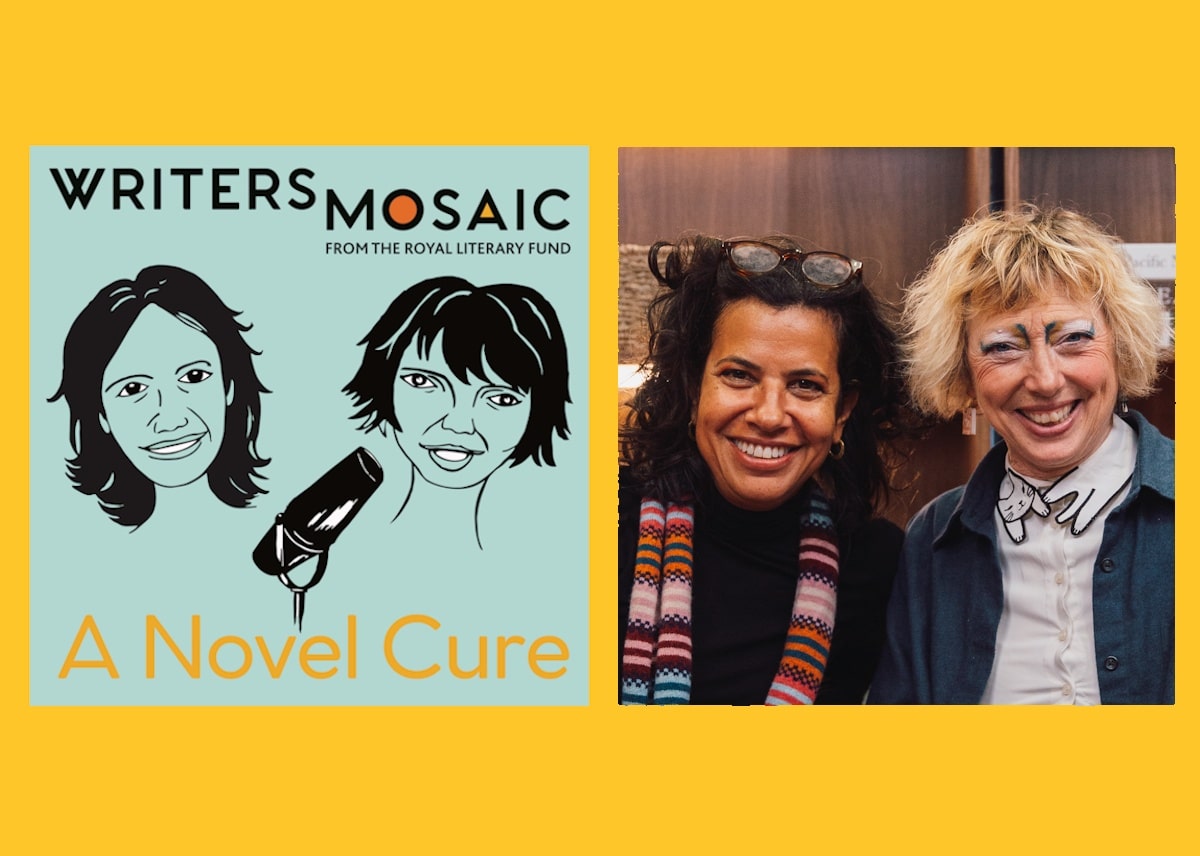
A Novel Cure
Co-hosts Ella Berthoud and Isabelle Dupuy introduce our new podcast series, A Novel Cure, focussed on bibliotherapy. Each month listeners can write in with their dilemmas, and our dynamic duo will suggest remedies for the head and heart, drawn from books.

All the men my mother never married
A chapter from an unpublished autobiography, dedicated to my mother, Sarah Efeti Kange



Granta 173: India
A look at four short pieces of fiction from Granta's latest edition showcasing Indian writing

The Thing with Feathers
Dylan Southern’s film adaptation puts masculinity front and centre