Malcolm X, by any means necessary
Malcolm X Truth Seeker
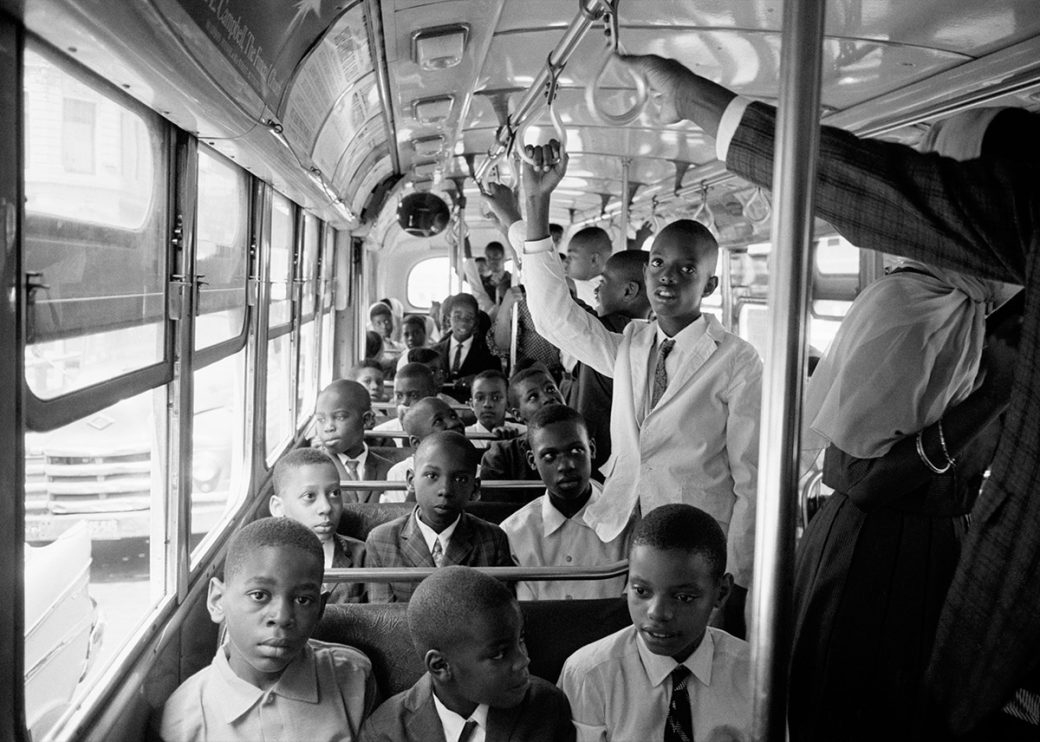

Malcolm X for me became and remained, even after his assassination, a deeply intellectual man, driven to activism and witnessing. But speculation and assumptions and attributions assigned to him, especially from those who did not see and know him in life, is always interesting to me. I read them with respect. Yet I can still see and hear the man in real time.
He made irregular appearances on a late night chat show when I was a young teen growing up on the Southside of Chicago. The host was a man named Irv Kupcinet who wrote a major showbiz column and knew everyone. When our father was not working Saturday nights on the assembly line – which was rare – I would sit with him and watch the man called Malcolm X. Dad was what used to be called a ‘race man’, so any Black man on TV was an occasion for him. I’m talking about 1963 or 4, maybe later, so for Kupcinet to even have Malcolm on his show must have meant that he considered him not only good television – but there must have been something about him. And there was.
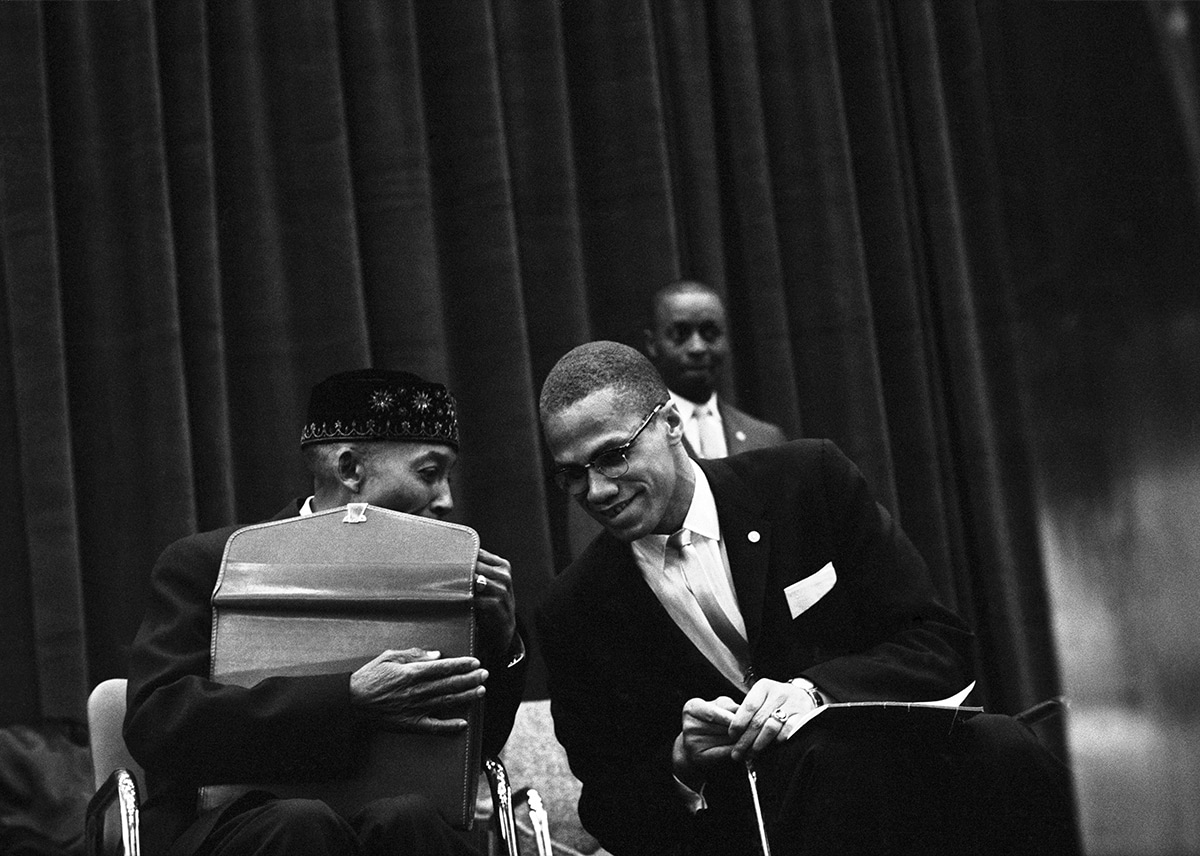
Malcolm would come on set with a notebook full or research, dressed in a very serious and rather chic suit, and glasses. Incredibly elegant and what we would call ‘clean’. He would always fight back with the words of the Constitution itself, leaving his opponents stunned.
Dad loved intelligent Black folks, and if they were articulate too, he would light one of his cigars and toast them. Malcolm was that and more. His resistance was to mis-information and ignorance, no matter what hue the person was who spouted them. He said ‘The White Man’ a great deal, which made his co-combatants squirm because out of Malcolm’s mouth it was clear and concise. He was talking about power.
You were a ‘white man’, above all, when you perpetrated The System and a ‘Tom’ if you were Black and helped. Even unwittingly. He would point out, sometimes even to Irv himself, that being working class Jewish, or Italian or Irish, for example, allowed you to vanish within the great matrix of America, the Land Of Opportunity. No matter what your ancestors had suffered. No matter from where they had fled.
He was clear and concise and his anger, at least to me, was always part of his passion. His insistence. Malcolm could be called anti-Semitic then, a horrible feature of some aspects of the Movement. But later on he would reference The Holocaust on a visit to Britain and I think that he had moved on. Beyond. He never stopped discovering just what exactly the true story was, what exactly the truth was and some extent that maybe got him killed.
Maybe killed by people who actually stopped searching for the truth; or for answers or for anything; maybe by people who would have hit the brick wall of their own, point of view and having hit that brick wall turned around and saw Malcolm coming toward them and maybe even going through that wall to the next level. Whatever that level was.
Now he’s a kind of saint and that’s OK because sometimes sainthood is necessary before people begin to hear and to think. And to feel. He was no saint. Not by any definition of the word. Nor a prophet, not to me. To me he had enormous courage; a great heart; and he was a seeker. Now was never enough.
Like Martin Luther King and the Civil Rights activist Medgar Evers, Malcolm became one of the Three M’s who James Baldwin revered. He did not live long enough to become the ‘has been’ that my fellow Black Baby Boomers rendered Jimmy. We did not have enough time to cancel Malcolm like we did MLK before his assassination. An early, untimely death can be a kind of luck.
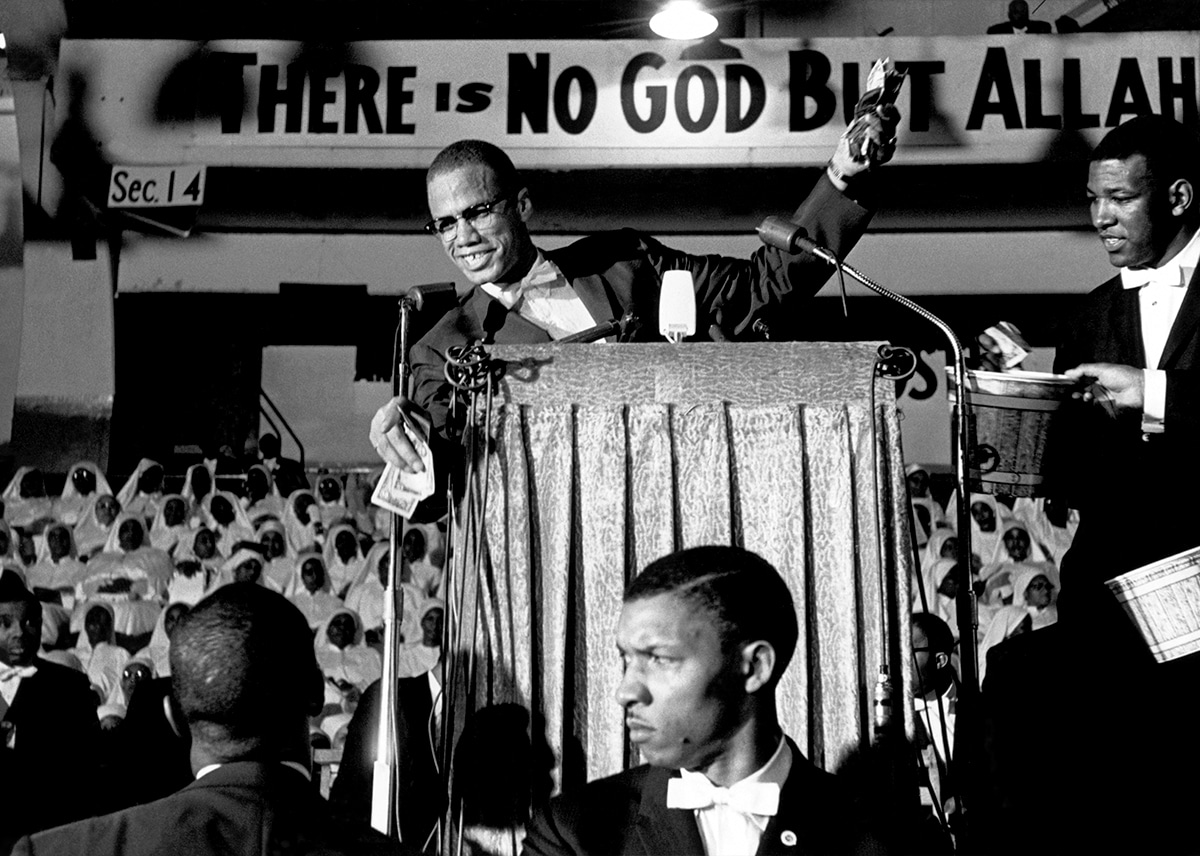
The innate nobility of Malcolm X has always shown through. He was, in the end, a preacher of his own religion, one that went beyond the parameters of The Nation Of Islam towards embracing all people who wanted to know the truth. And live it. He hated enslavement of any kind , not only of the body but of the mind and heart. Malcolm X spoke it as he saw it; as he felt it, but in his way, he gave quarter to all those who truly wanted and want-to seek. To find. To grow. To not accept the ‘official version’.
When he was assassinated, I was not surprised. There was something in him – like MLK – that made you feel that he would never become an elder. An old man. Maybe he knew that, too. The hajj was a light for him, a passage for him and that experience should never be overlooked.
Malcolm X was an artist in the creation of a deeper reality; not only for us Black people, but for all human beings. His Mecca was just at the beginning of becoming ours too. Especially us young people on the verge of a tumultuous decade going forward. His centenary shows us that he is a man for all seasons.
© Bonnie Greer
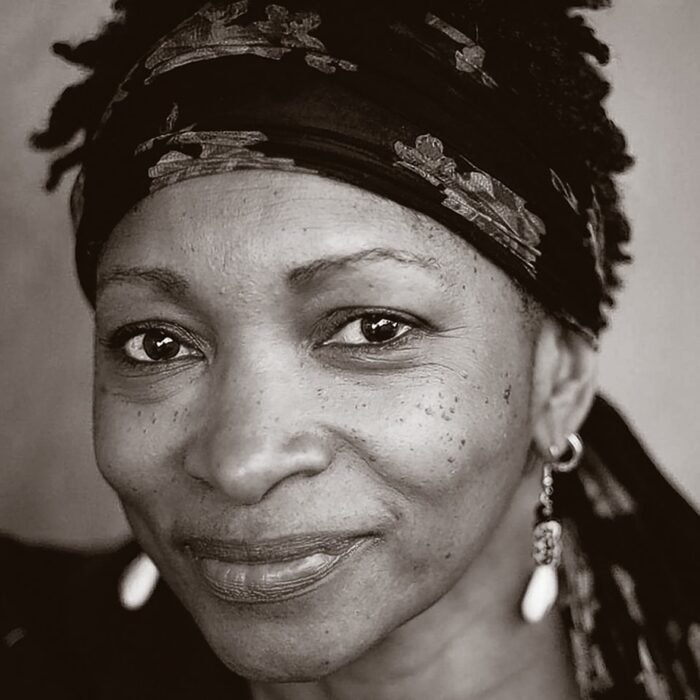
Bonnie Greer
Bonnie Greer’s plays, books and novels are concerned with the lives of minorities within majority cultures, particularly those of women.
Malcolm X, by any means necessary
Portrait of a revolutionary
Colin Grant
Encountering Malcolm X
Vayu Naidu

Malcolm at the Martyr’s Cafe
Vanessa Kisuule
Malcolm X (and James Baldwin) changed me
Max Farrar
Straightening out the kinks
Ella Sinclair
Burn it down: Reading Malcolm X in Rochdale
John Siddique
Living reinvention
Franklin Nelson
WritersMosaic monthly
Get new episodes by email
One email monthly, unsubscribe anytime

Illuminating, in-depth conversations between writers.
Listen to all episodes
SpotifyApple Podcasts
Amazon Music
YouTube
Other apps

The series that tells the true-life stories of migration to the UK.
Listen to all episodes
SpotifyApple Podcasts
Amazon Music
YouTube
Other apps
In this second series of poems commissioned by Hannah Lowe, six poets explore the theme of surveillance.
Listen to all episodes
SpotifyApple Podcasts
YouTube

Becoming Home: Sight
The first in Becoming Home, a series of four short films by Adïam Yemane, commissioned by WritersMosaic. This film centres on Adïam's own story, exploring the meaning of home through sight.
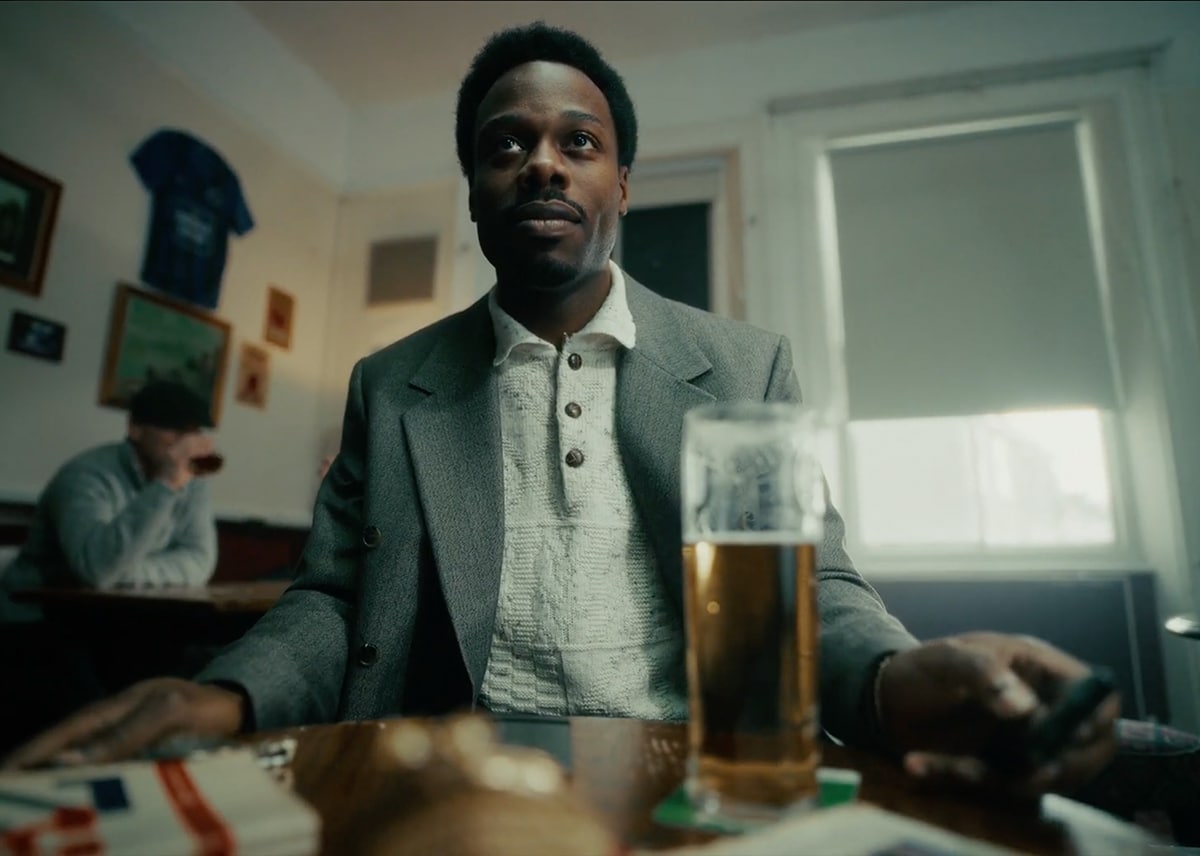
Fruity
A darkly comic crime short film written by and starring Delon Jessop and directed by James Baines.




Get in line
What does a queue have to do with anything? A lot, says Snežana Ċurčić

Ladies of the Rachmaninoff Eyes
The impact of space between what is happening on and off the page
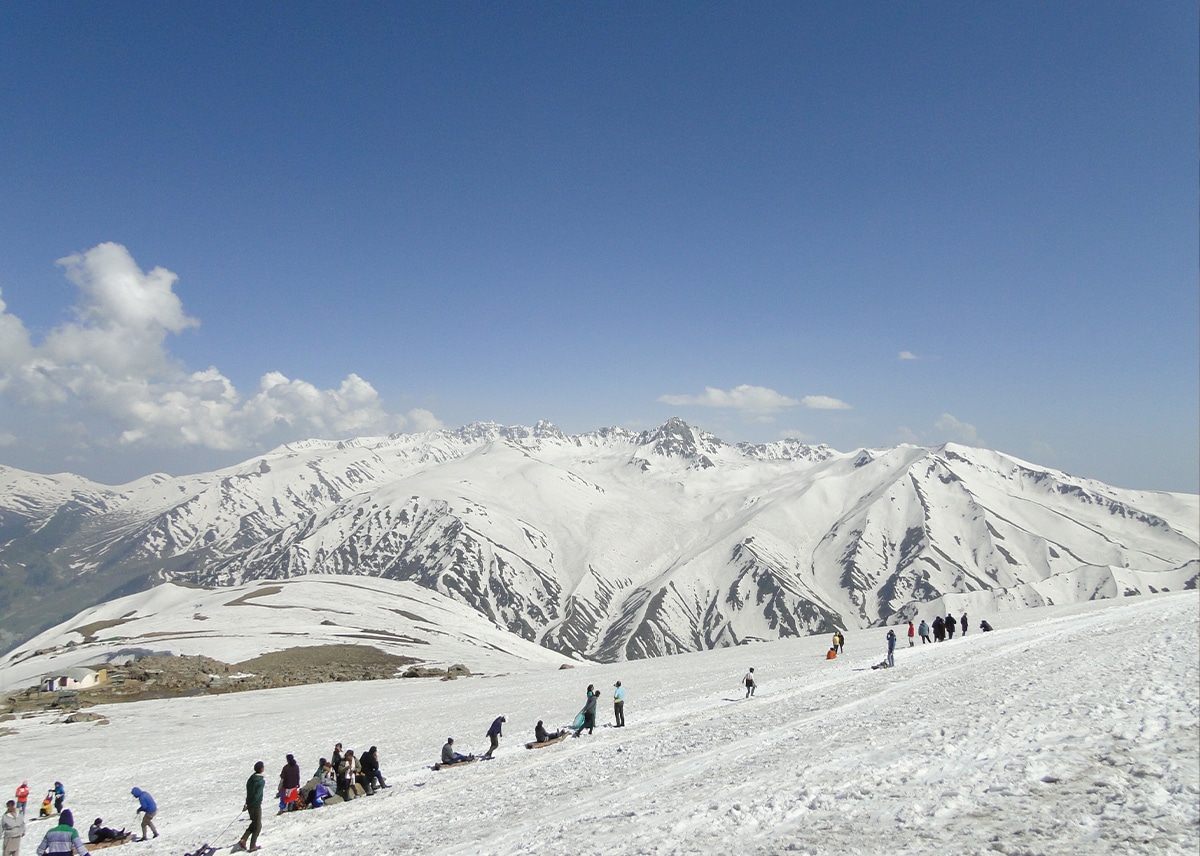
On Snow
'The mind inevitably seeks a reenactment of the teal light I associate with home'

Kikuyu Land
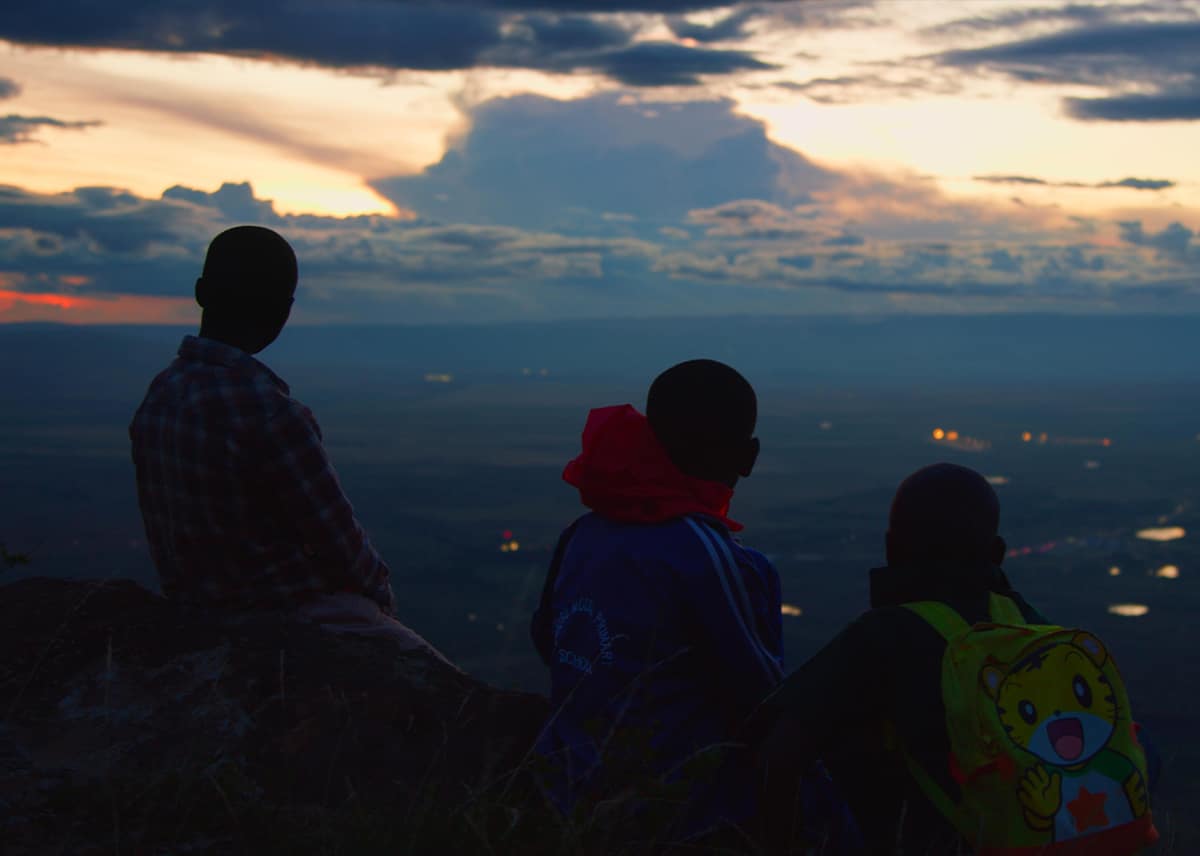
A necessary, but perhaps not fully realized, insight into how colonialism and capitalism have fed into Kenya’s current political situation

The Recovery House
A love letter to the vicissitudes of being a novelist