
At Sea

Y.M. Abdel-Magied
Canongate, 2026
In At Sea, Y.M. Abdel-Magied examines instincts. When should they be trusted, and when should they be dismissed? Whose can be relied on? How can you impart to others the importance of acting on gut feeling?
From the first, Zainab knows there’s ‘something strange going on’ with the Clarissa Clyde oil rig. Having worked in a senior position as a driller on rigs for over a decade, she is offered a promotion by her boss, Bryce, to supervise the end of operations on the ‘the Clyde’. Bryce trusts Zainab to get to the bottom of his vague, foreboding feeling about the rig, saying as he grabs his ‘round paunch’, ‘All I’ve got is this […] We’ve worked together. You know how it goes. I can’t ignore it.’ Zainab honours Bryce’s instinct, taking the job, becoming a ‘night toolpusher’ (or senior supervisor) and fulfilling her long-held ambition. However, when she lands on the Clyde and enters its hypermasculine environment rife with dismissive misogyny, we realise that gut instinct – even when supported by experience – is not always enough to prompt action. As the novel goes on, though no immediate danger is evident, Zainab becomes more and more convinced that safety measures on the rig are being neglected.
Zainab is the only woman on the rig, and she is under no illusions about what that means. In the opening chapter, we hear about the precautions she takes: ‘…she wore long johns and a bonnet to bed, forsaking earplugs to stay alert. In her second year on the North Sea, she’d caught a colleague rifling through her worn underwear. After that, she kept her duffel bag locked.’ On the Clyde, there are cutouts from Playboy pasted on the walls, and pejorative terms like ‘flat tits’ are thrown around with abandon. The only friend she can identify is ‘safe’ because of his married status. Zainab is nevertheless determined to do her job and retain professional authority over the men, and we watch her navigate her working relationships with varying degrees of success.
While the men react to Zainab with condescension, disrespect and even harassment, Zainab reacts to them with disgust. The descriptions Abdel-Magied uses to present Zainab’s colleagues are visceral and grotesque. When a man called Dusty opens his mouth, she gets a ‘glimpse of brown, cracking teeth’, ‘inflamed, receding gums’ and ‘rotting flesh.’ Her gut reaction causes her to recoil from these men, to anticipate repulsive behaviour. However, as she begins to work alongside them, this first impression changes in some cases. Referring to Dusty later, she says she ‘had spent so much time preoccupied with those she had to fight that she hadn’t paid attention to the quiet, steady support on offer.’ This causes Zainab to question her perception further – can she really trust anyone? Can she trust herself?
A sense of anxious tension pervades the book. Beyond the men, Zainab can sense danger all around her on the Clyde. Among the technical jargon, Abdel-Magied beautifully paints the oil rig as a sort of wilderness, a ‘forest of metal and heat’; characters navigate the ‘labyrinth of greasy equipment, the undergrowth of overflowing pallets, the bramble and vine of scaffolding and steel.’ Over and over, Zainab’s suggestions around safety protocol are disregarded. The end of the job is in sight and the men are running out of patience. She grows fearful of their ‘cowboy attitude, galloping ahead, come what may. She could see it happening, right in front of her, and yet she couldn’t seem to find a way to stop it.’ Despite the authority granted by her promotion, Zainab is not allowed to take control. She is still at the mercy of the more senior ‘day toolpusher’ and the oil ‘Company Man’ who wants everything done as quickly and cheaply as possible. Infuriatingly, Zainab has just enough power to be in the room where it happens – to watch repeated bad decisions initiate a dangerous domino effect she is helpless to prevent.
Abdel-Magied asks us to ponder the value of allegiance to the truth when it cannot be translated into change. This idea connects to Zainab’s Islamic faith – her belief that her ultimate destiny lies in the hands of Allah, and there is nothing she can do to alter his will. It is a comfort to Zainab, as she tries in vain to protect the employees of the Clyde. The book offers an account of what it is like to bear witness, to cling to the truth of your perception even when you are being dismissed and humiliated. Perhaps you will never get to prove you were right, and perhaps that’s not what matters.
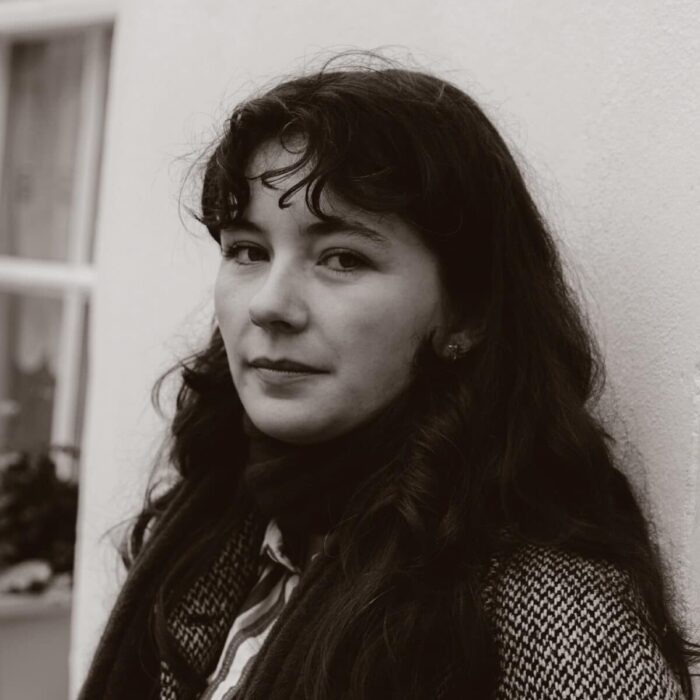
Lily-Ann Cunningham
Lily-Ann Cunningham is currently studying for a Masters in Creative Writing at Oxford University.
WritersMosaic monthly
Get new reviews in your inbox
One email monthly, unsubscribe anytime
Pressure
What's missing from the latest 'untold story behind D-Day'?
A Trial
An examination of theatre’s complicity in post-truth politics

The Complex
The unraveling of a dynasty

Marlon James: a Jamaican reckoning
'A return to a home I barely knew'
The name of this wallpaper is ‘Childhood’
A luminescent bubble of memory

What’s in a feminist? Holding on to Gloria Steinem
Is Gloria Steinem's feminism still relevant today?


Illuminating, in-depth conversations between writers.
Listen to all episodes
SpotifyApple Podcasts
Amazon Music
YouTube
Other apps

The series that tells the true-life stories of migration to the UK.
Listen to all episodes
SpotifyApple Podcasts
Amazon Music
YouTube
Other apps
WritersMosaic interrogates the notion of ‘staying in your lane’ by asking writers how they attempt to think beyond the parameters of their cultural identity.
Listen to all episodes
SpotifyApple Podcasts
YouTube