
How to Write About Africa

Binyavanga Wainaina
Hamish Hamilton (2022)
Review by Sarah Jilani
The amount of readily available American junk food – until then the stuff of television – is a short-lived pleasure for the young Binyavanga Wainaina when he moves from his native Kenya to South Africa to study. He soon feels the tell-tale signs of ‘Immigrant Let-Down Syndrome: it usually kicks in after the first six months of living the Western dream.’ By the end of his multi-sensory descriptions of decadent African dishes like Mutura (a blood sausage) and Prawn Palaver stew, the ‘Western dream’ tastes well and truly insipid. Nothing in this posthumously published collection of short stories and non-fiction essays, edited by his friend Achal Prabhala, escapes Wainaina’s searing wit.
An author, editor, journalist and gay rights activist, who passed away in 2019 at the age of 48, Kenneth Binyavanga Wainaina is best known for the final, titular essay in this collection, How to Write About Africa. First published in Granta in 2005, it takes a satirically instructional tone to ‘guide’ writers and aid workers looking to depict the ‘real’ Africa. Wainaina recommends plenty of references to wild animals, sunsets over empty landscapes, and bygone eras of tribal glory are excellent. If you must feature human characters, children with distended bellies, the heroic white conservationist, the corrupt African politician and the witch doctor are to be preferred. Whatever you do, make sure to end with Nelson Mandela ‘saying something about rainbows’.
This infamous essay gives a glimpse of the full range of Wainaina’s incisive voice and creativity. The essays included here move from astute ruminations on post-independence Kenya – he finds successive governments keep up the ‘charade of ethnic tension’ to maintain power amongst themselves – to modern-day Britain. His affectionate sketch of Hay-on-Wye concludes with a damning diagnosis of British institutions that ‘mask a totalitarian nature by being polite, and never yield to any request you make that does not suit them.’ In these and other non-fiction pieces, Wainaina’s effortless swing between sharp-eyed social commentator and enthusiastic lover of all things human is on dazzling display.
Meanwhile, Wainaina’s short fiction brings the writer’s generous eye, sense of humour and imaginative prowess to the fore. His 2002 Caine Prize-winning, four-chapter, short story ‘Discovering Home’ takes the reader on a journey from South Africa to his mother’s native Uganda via Kenya. He takes plenty of humorous swipes at the performative Pan-Africanism of some Black Americans, yet this and other stories make Wainaina’s disdain for the colonial inheritance of national borders crystal clear. From ‘slipping and sliding’ into loving Nairobi, to bursting with excitement at a Togolese football team’s victory, Wainaina’s fiction is imbued with a boundless love for the many mercurial ways of being in, and belonging to, the whole continent.
‘People make the worlds they occupy, and cannot see anything clearly outside of what they have made,’ Wainaina reflects, adding: ‘All worlds belong utterly to whoever is talking about them.’ That would include the unself-aware limitations of those who pronounce on Africa from the outside. But the process of making and belonging, at its best, results in the kind of writing that speaks from within the continent and towards anyone. It refuses to relinquish places, experiences, lives and its own imagination for references that are not its own. How To Write About Africa is affectionate and always perceptive but, most of all, it is laden with pleasure.

Granta 173: India
A look at four short pieces of fiction from Granta's latest edition showcasing Indian writing

The Thing with Feathers
Dylan Southern’s film adaptation puts masculinity front and centre
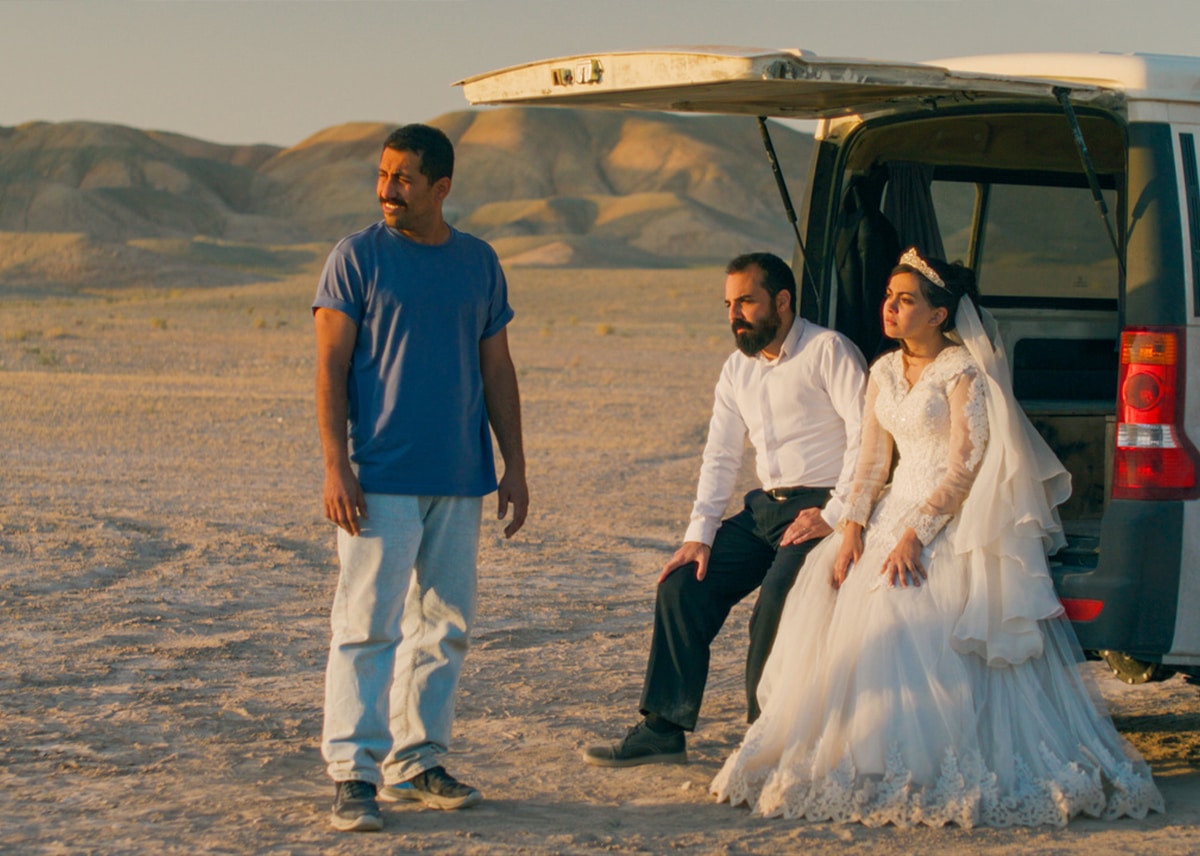
It Was Just an Accident
Iranian director Jafar Panahi's film probes the relationship between individuals, the state and violence with determined humanism


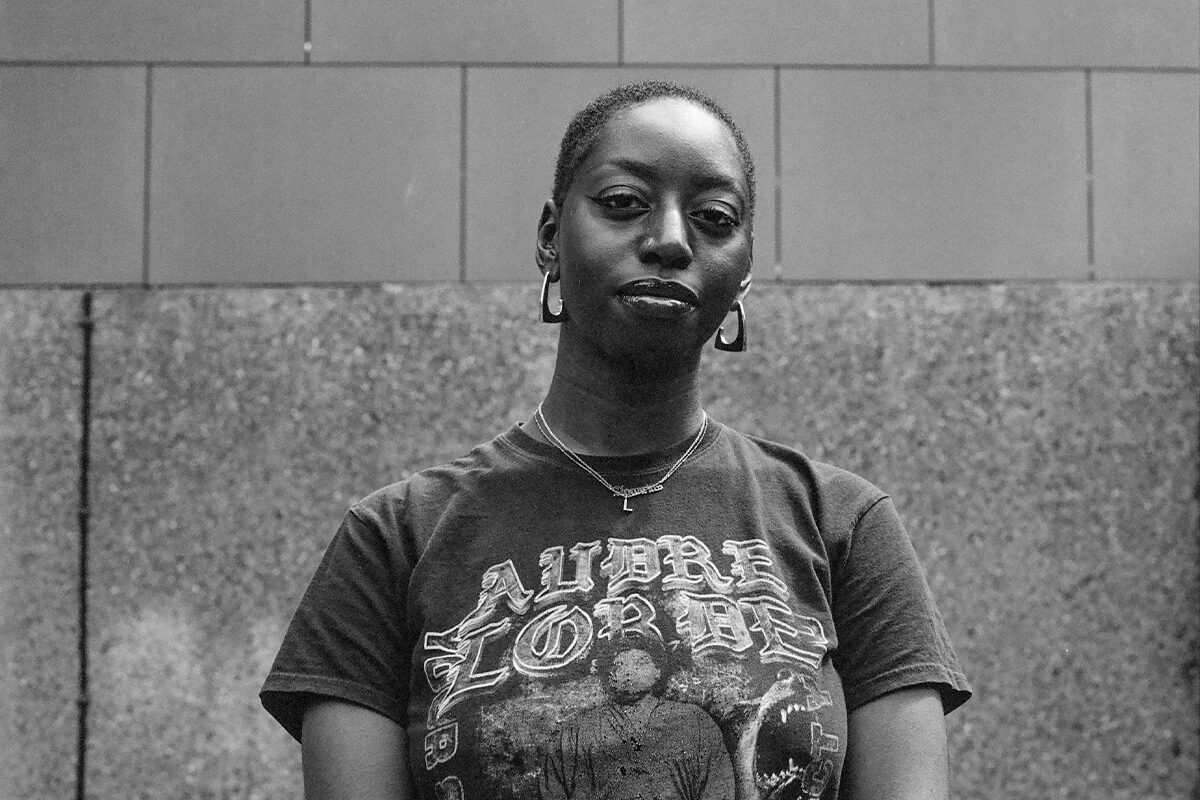
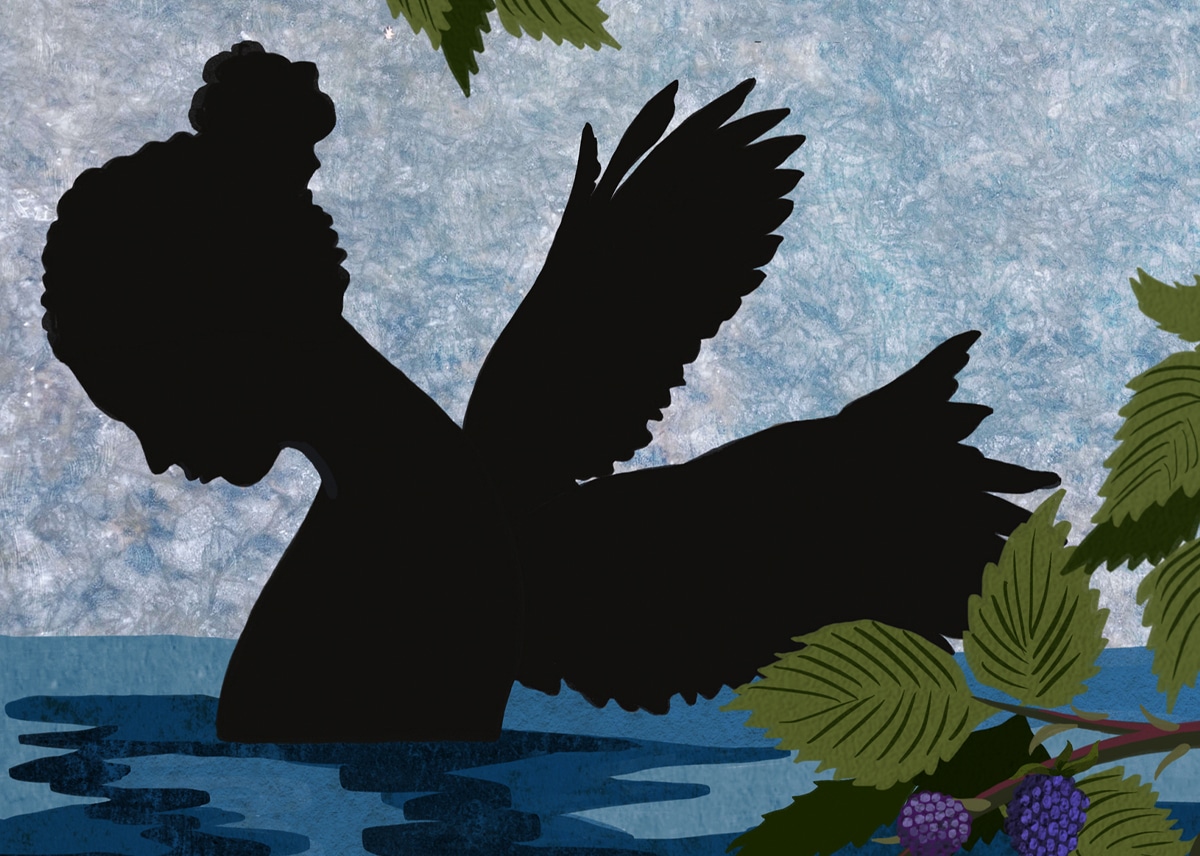
Other Wild
Emily Zobel Marshall invites us to heal by connecting to our senses and the natural world
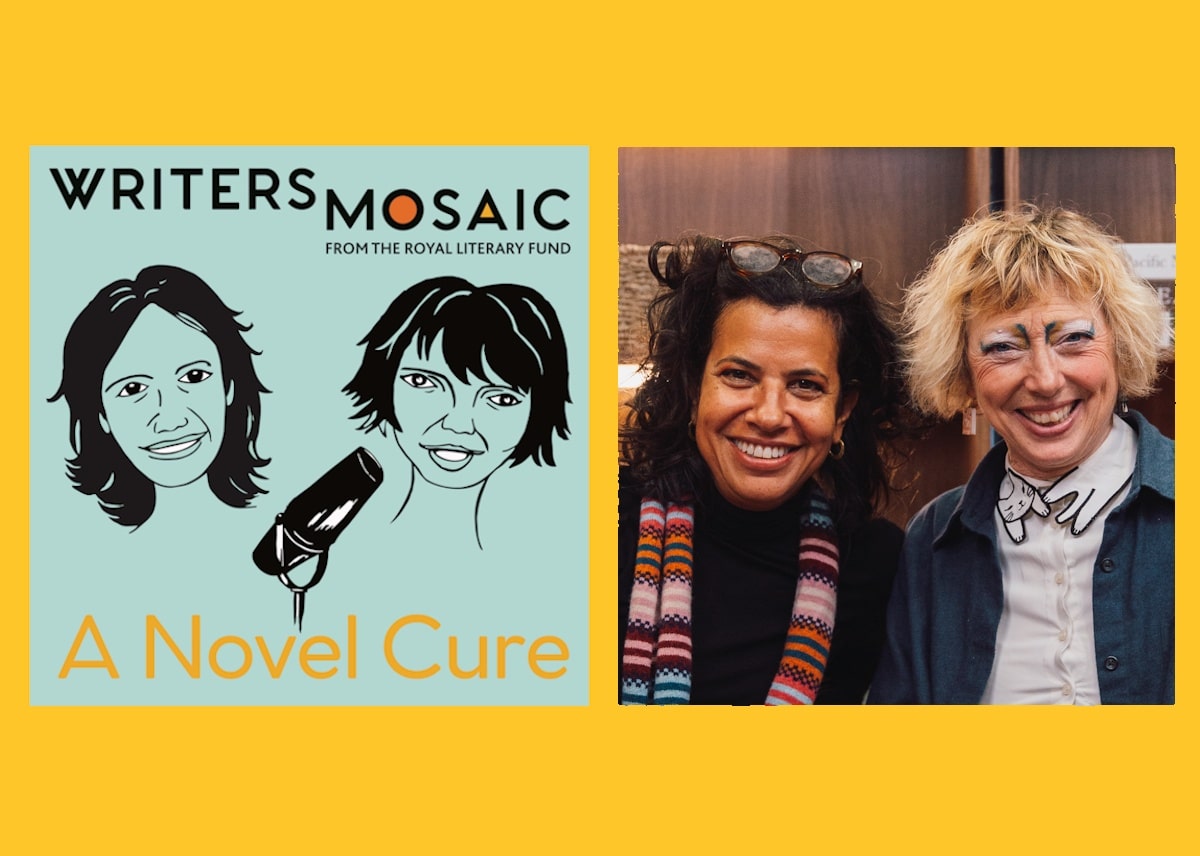
Fiction Prescriptions
Co-hosts Ella Berthoud and Isabelle Dupuy introduce our new podcast series, Fiction Prescriptions: A Novel Cure, focussed on bibliotherapy. Each month listeners can write in with their dilemmas, and our dynamic duo will suggest remedies for the head and heart, drawn from books.

All the men my mother never married
A chapter from an unpublished autobiography, dedicated to my mother, Sarah Efeti Kange
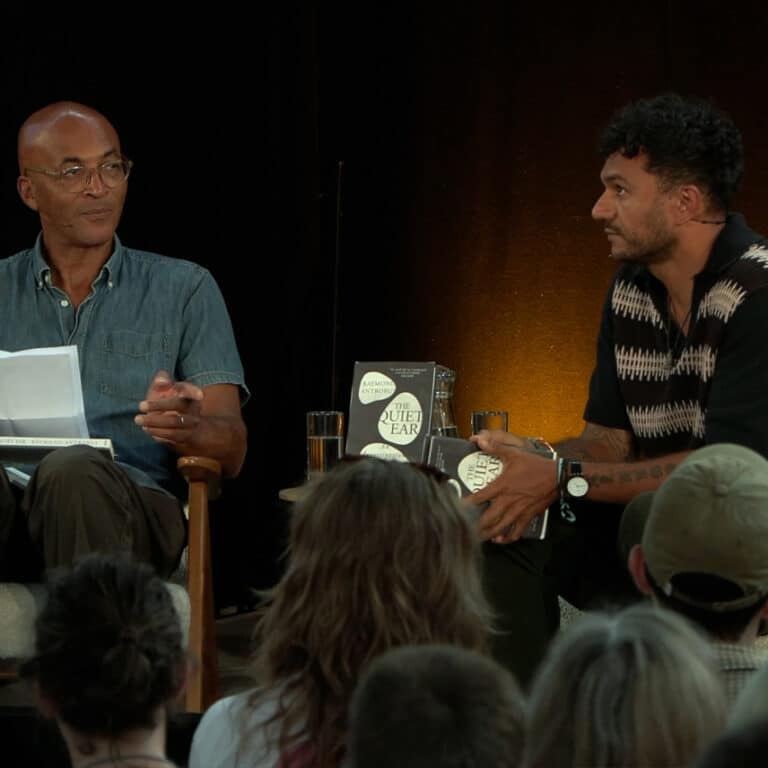


Reggae Story
Hannah Lowe reads her poem, 'Reggae Story' inspired by her Jamaican father, Chick. Directed by Matthew Thompson and commissioned by the Adrian Brinkerhoff Poetry Foundation.
The City Kids See the Sea
Roger Robinson reads his poem, 'The City Kids See the Sea'. Directed by Matthew Thompson and commissioned by the Adrian Brinkerhoff Poetry Foundation.

Illuminating, in-depth conversations between writers.
Listen to all episodes
SpotifyApple Podcasts
Amazon Music
YouTube
Other apps

The series that tells the true-life stories of migration to the UK.
Listen to all episodes
SpotifyApple Podcasts
Amazon Music
YouTube
Other apps
Afro-Caribbean writer Frantz Fanon, his work as a psychiatrist and commitment to independence movements.
Listen to all episodes
SpotifyApple Podcasts
YouTube
A six-part audio drama series featuring writers with provocative and unexpected tales.
Listen to all episodes
SpotifyApple Podcasts
YouTube