
Let the Fish Fly

Ekta Bajaj
Author In Me, September 2025
Review by Maame Blue
What if we could connect with our past lives and change our futures in the process? Ekta Bajaj – co-founder of AIM Literary Festival and indie press Author in Me – turns our attention to grappling with this question in her latest novel Let the Fish Fly, told through prose, poetry and short stories.
The story begins when 24-year-old Naina decides to search for her long-lost grandmother, her Nani who left the family 17 years earlier, disappearing to follow the call of a disembodied voice; the same voice Naina is now hearing. What transpires is a journey to an ashram in the Himalayas, a series of letters left to Naina from her grandmother, and a somewhat cryptic journey towards a stronger understanding of self.
Inspired by one of the ancient Indian Vedic texts called the Upanishads, Bajaj works hard to simplify complex concepts of reincarnation, karma, and connection to the soul. These principles are conveyed through conversation, in multiple scenes of effusive dialogue throughout the book, sometimes to excess. We get a strong sense of each character through their interactions with each other, and their attempts to connect and disconnect with themselves and the world around them.
The plot itself is brought to life by the introduction of short stories – modern day parables in Nani’s letters to her granddaughter – that contextualise the concepts Bajaj is inviting us to engage with. Each story carries a clear message: a protagonist who has stopped listening to some part of themselves, who requires the jolt of ‘the voice’ to snap them out of their current reality, either to reconcile with something from their past life, or to pave the way for their next one.
These short stories give the reader a moment to pause, to delve into a level of fiction that, at times, feels like a reprieve from the more conversational, concept-heavy parts of the narrative. What Bajaj does well is introduce us to character relationship dynamics that anchor the narrative in a more contemporary space. Specifically, a tense family relationship emerges early on between Naina, her mother Deepti and her older sister Shruti. Deepti projects onto her daughters much of her pain at being abandoned as a child by her own mother, especially targeting Naina who is so much like her Nani and just as compelled by otherworldly things that her family members cannot see or feel. There is anger and hurt between all generations, but rather than deal with it neatly, Bajaj leaves the door open for a much broader interpretation of human nature, and the evergreen notion that what you do not deal with in this life, you will reckon with in the next.
Of intrigue too is Naina’s struggle to find calm and certainty within herself, which reads as especially pertinent given the younger virtues of her character voice, that seems more naive than one might expect of a 24-year-old. Bajaj provides an unexpected perspective on Naina, suggesting that her sense of self may not hinge on her making peace with family, or being a better communicator with those around her, but rather the conversations she has with herself and listening to her inner voice.
Let the Fish Fly, when read in stages to allow for easy digestion, is a meditation on well-trodden ideas of what it means to live a life well, reintroduced from a variety of perspectives. The onus is on the reader to make sense of the narrative, and find a natural path within its unconventional pages.
WritersMosaic monthly
Get new reviews in your inbox
One email monthly, unsubscribe anytime
Haunting the Black Air
Poetic freedom across space and time
The Disappearers
A sprawling visceral experience that drops you in head first

The Lady Imam
Is the world ready to catch up with amina wadud?



It’s being published I get paid for; the writing I would do for free
‘Any advance [...] for your novel is to compensate you for the horrors of being published'
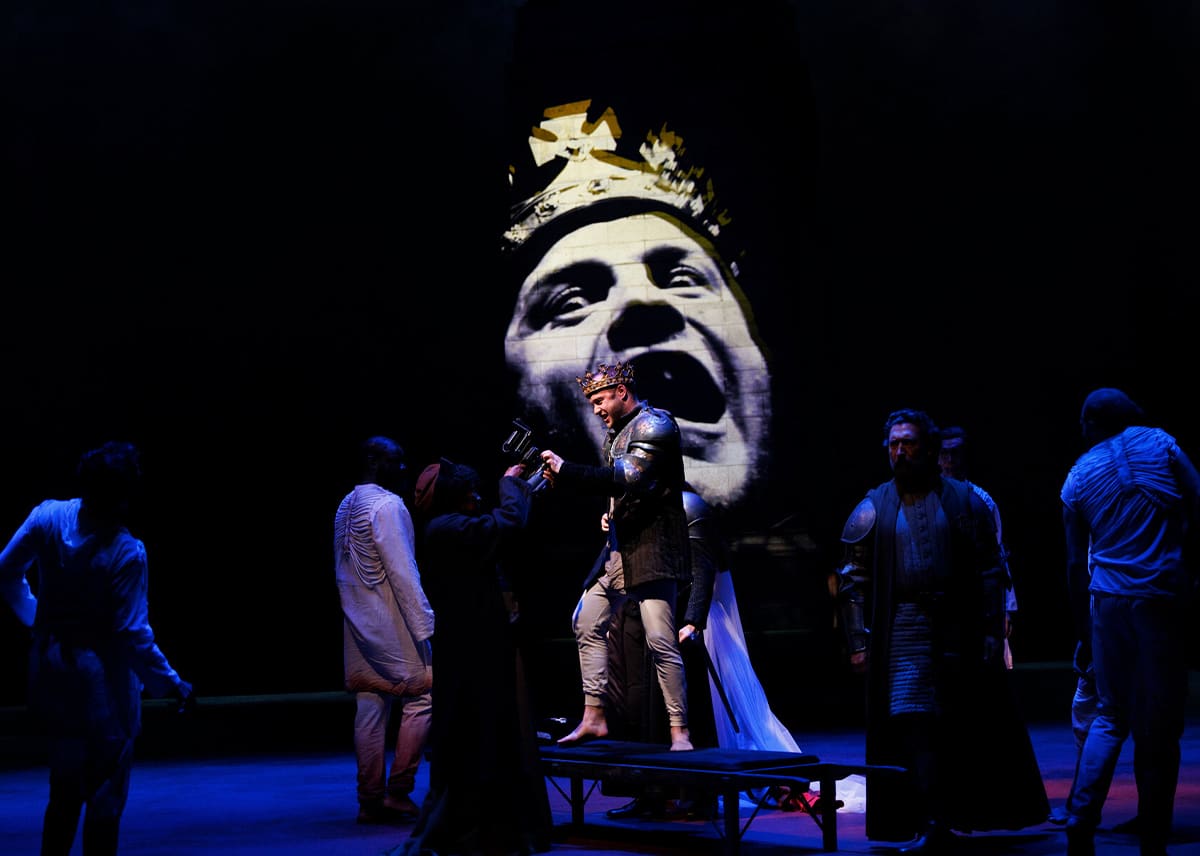
Complex antihero: an interview with Arthur Hughes
Unravelling Authur Hughes' Richard III

Marlon James: a Jamaican reckoning
'A return to a home I barely knew'





Illuminating, in-depth conversations between writers.
Listen to all episodes
SpotifyApple Podcasts
Amazon Music
YouTube
Other apps

The series that tells the true-life stories of migration to the UK.
Listen to all episodes
SpotifyApple Podcasts
Amazon Music
YouTube
Other apps
WritersMosaic interrogates the notion of ‘staying in your lane’ by asking writers how they attempt to think beyond the parameters of their cultural identity.
Listen to all episodes
SpotifyApple Podcasts
YouTube