
Lost And Found
Alison Donnell
Papillote Press, 2025
Review by Nicole-Rachelle Moore
Professor Alison Donnell’s preoccupation with ‘what we miss and what eludes us’ anchors Lost And Found: An A-Z of Neglected Writers of the Anglophone Caribbean. Her introduction to this generous and textured volume outlines some reasons for the obscurity of the writers included. This determined research eschews Ševčenko’s law of the dog and the forest: the theory of the Polish-Ukrainian historian/philologist that the propensity of historians to repeatedly cover familiar ground impedes fresh research perspectives. Comprised of Donnell’s writing and with contributions by several colleagues from different institutions and organisations, all engaged with Caribbean literature and research, Lost and Found is a worthy reclamation of authors whose names and works have been obscured over time.
Antigua’s Eileen Hall (1903-1976), daughter of an established landowning family, produced one collection of poetry, The Fountain and The Bough (1938). Hall had been living in New York since 1922, counting writers like T.S. Eliot and Ernest Hemingway as mentors. She was comfortably married and undeniably part of the city’s artistic milieu. In her contributing chapter, Antiguan educator/writer Joanne Hillhouse situates Hall’s work as ‘particularly boundary pushing’, not only in its use of Antiguan Creole, but in its subject matter and the invocation of Antigua’s folklore and supernatural mythology.
In the unequivocal ‘Obeah Woman’, Hall writes about ending the life of an unfaithful lover:
Who tek lub easy, no lub much.
Ef you min’in’ gal dat talk so neat
An’ ack so lollice in de street
Goin’ pung de root ub a pepper tree
Fu’ t’row wit’ sugar in yo’ tea.
A’ done wit’ studyin’ right an’ wrang.
So ‘memba, me no ‘fraid to hang.
Eileen Hall rendered this specific orality – used primarily by the black majority working class of Antigua – to the page with confidence, ownership and validation of her island’s unique Creole. Following on from Una Marson’s third poetry collection The Moth and the Star (1937), with its trailblazing use of Jamaican nation language, Hall’s work preceded Marson’s countrywoman Louise Bennett by three years.
Hall never published another collection, but an aptitude for linguistics steered her to become a literary translator. Hillhouse’s research places Eileen Hall as the 20th century’s second woman poet (after Una Marson) from the Anglophone Caribbean to be published. Her ‘unearthing’ reveals a life shaped by Antigua, literature and an unending engagement with travel and the study of languages.
With her profuse production of biographies, children’s stories, essays, memoir and poems, Trinidad’s Olga Comma Maynard (1902-1998) still remains outside of any ‘literary and cultural criticism’ as described by Chris Campbell, lecturer in Global Literatures, in his contribution to Lost And Found. Comma Maynard’s 1929 collection Carib Echoes: Poems and Stories for Juniors was only published after the author secured hard earned money from ‘selling ads’. It remained in print for sixty years and is thought to be the first of its kind by a Trinidadian woman.
As a cultural historian, Comma Maynard’s appreciation for Caribbean and, more specifically, Trinidadian folklore traversed different strands of her writing. Her essay of validation ‘Folklore in Trinidad’ was included in the highly regarded 1934 publication Negro Anthology: 1931-1933, which augmented a growing appreciation of Pan-African literary culture. In it, she notes:
Generally speaking our folklore is still unwritten […] it works its mystic influence not only on the Negroes but also on the descendants of European settlers […]To educated minds superstitions ought to be distasteful, but neither education nor religion has yet succeeded in eradicating belief in or adherence to certain superstitions and customs of our island.
While access to and encouragement from writers like CLR James and George Lamming did not translate into the type of wider support that could sustain Comma Maynard in full-time authorship, her consistent and expansive ‘field of endeavour’ continued.
Alison Donnell convincingly posits that the preponderance of significant, male, Anglophone Caribbean writers in London during the 1950s and 1960s shaped the West Indian canon, which has endured, contributing to an ignorance and/or silencing of other, primarily female, voices from the region. Some of these had been creatively interpreting life in the region many years before. Donnell also references issues like the chasm between writings regarded as literary, as opposed to vernacular; publishing opportunity; and success denied, lost or offered because of remaining in the Caribbean or migrating to London.
Among the authors Donnell writes back into view are Oscar Ronald Dathorne (Guyana), Zee Edgell (Belize), Barbara Jones (Trinidad), and Peter Kempadoo (Guyana). She also dedicates the chapter ‘X is for the unfounds’ to women writers whose ‘works remain unexplored in critical accounts to date.’ The precarity of authorship and the ephemeral nature of literary acknowledgement are unambiguously exemplified.
Despite the opening word of the title, Professor Donnell states that ‘Caribbean writers before the 1970s are not lost, they are simply […] as yet unearthed.’ In its impressive scope and yield, Lost And Found An A-Z of Neglected Writers of the Anglophone Caribbean urges research that strays from narrow, well-worn paths and instead establishes new, interrogative tracks, leading to ‘unseen’ writers from this region of literary fecundity.


Granta 173: India
A look at four short pieces of fiction from Granta's latest edition showcasing Indian writing

The Thing with Feathers
Dylan Southern’s film adaptation puts masculinity front and centre
It Was Just an Accident
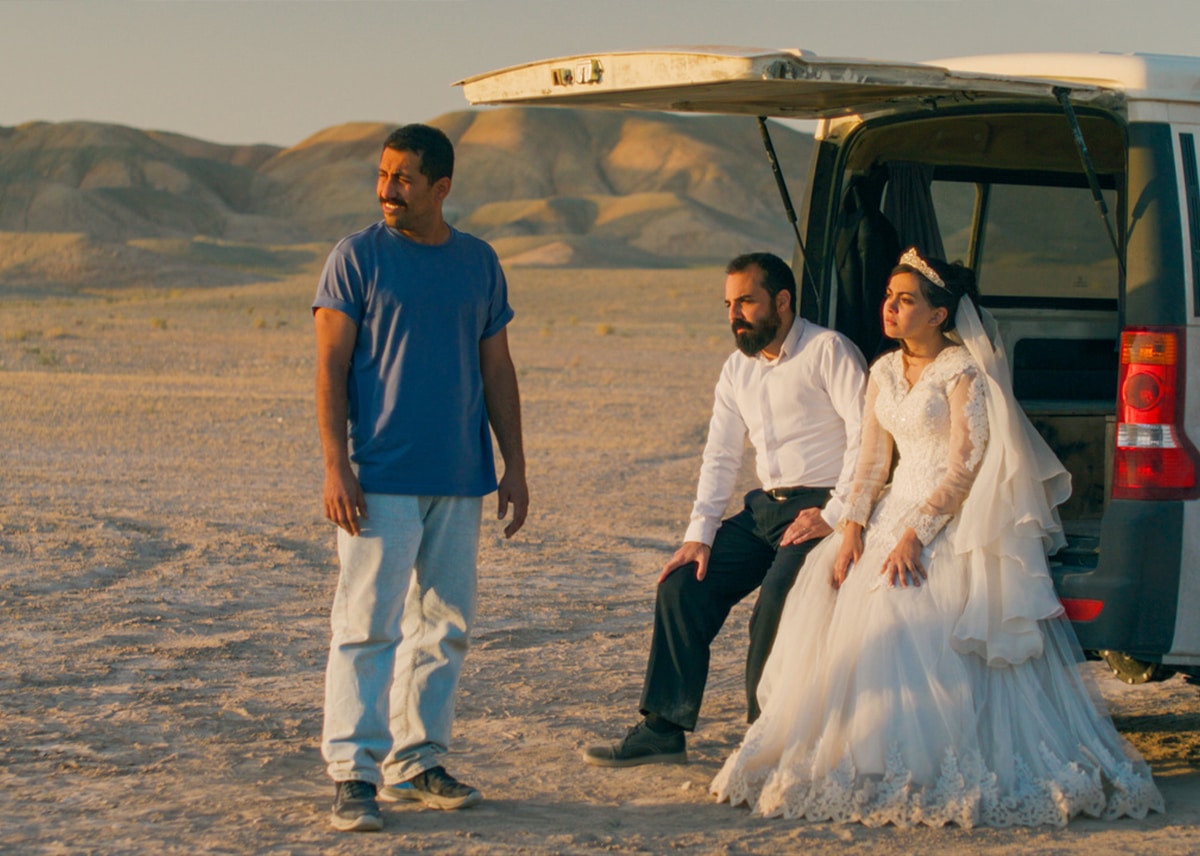
Iranian director Jafar Panahi's film probes the relationship between individuals, the state and violence with determined humanism


Other Wild
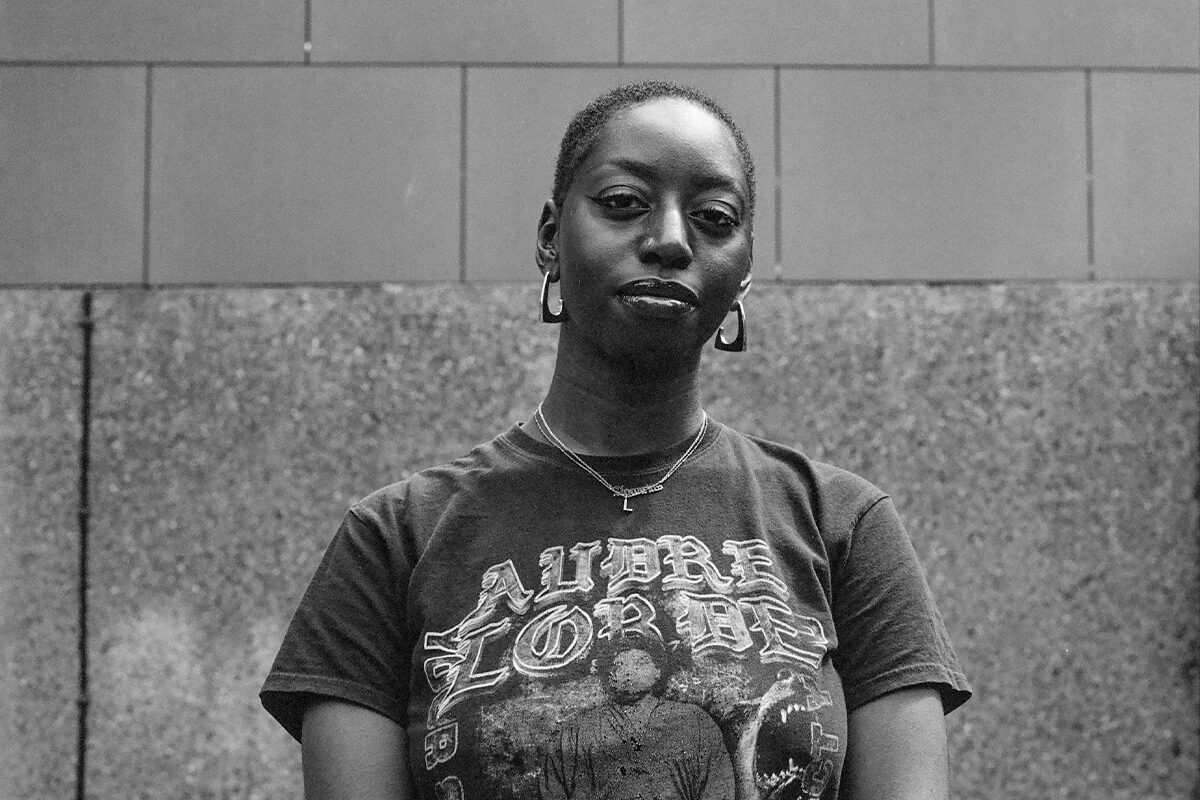
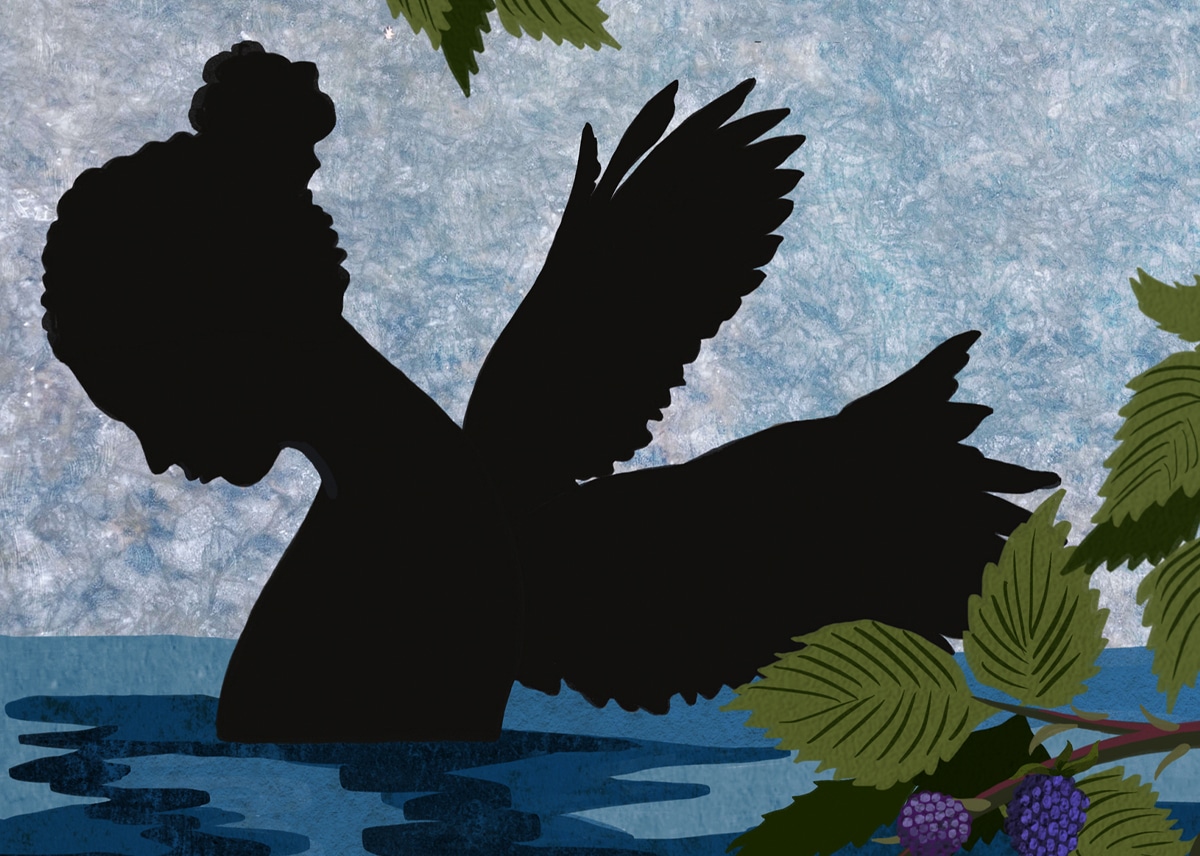
Emily Zobel Marshall invites us to heal by connecting to our senses and the natural world
A Novel Cure
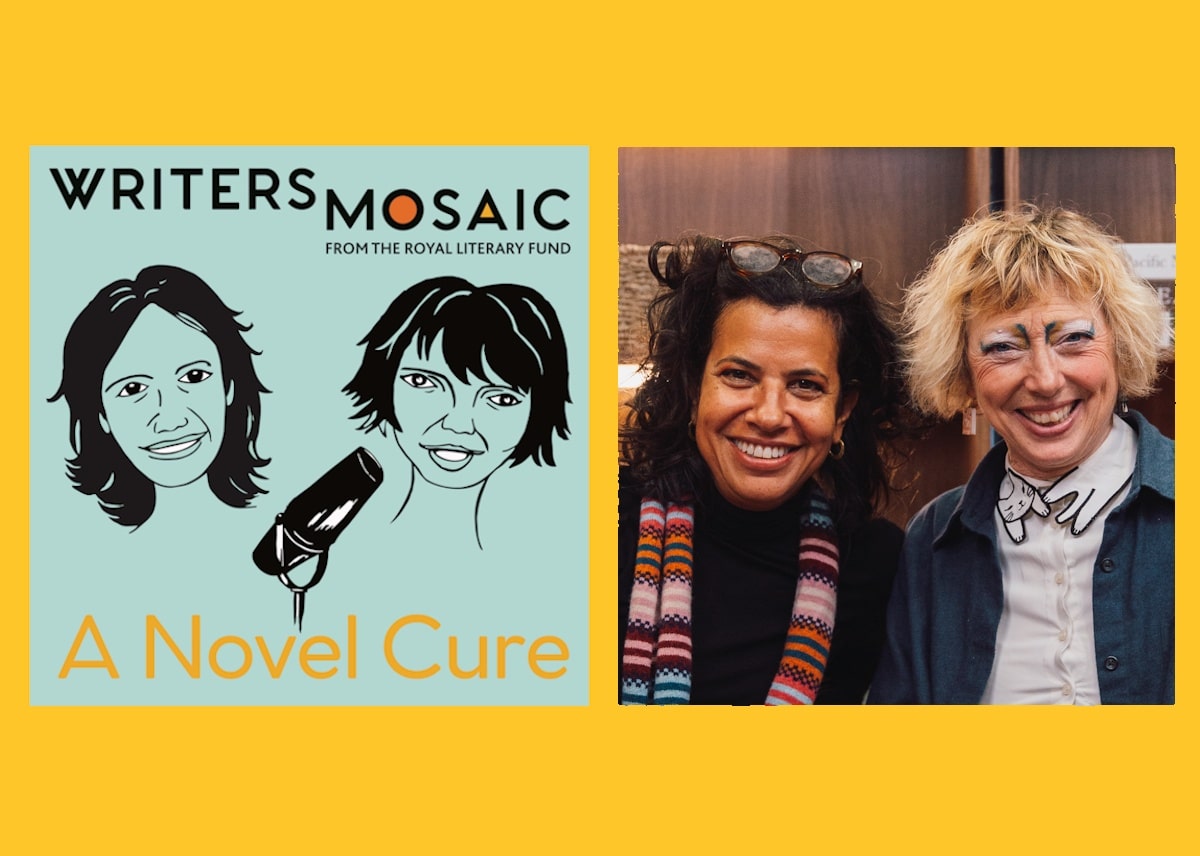
Co-hosts Ella Berthoud and Isabelle Dupuy introduce our new podcast series, A Novel Cure, focussed on bibliotherapy. Each month listeners can write in with their dilemmas, and our dynamic duo will suggest remedies for the head and heart, drawn from books.

All the men my mother never married
A chapter from an unpublished autobiography, dedicated to my mother, Sarah Efeti Kange
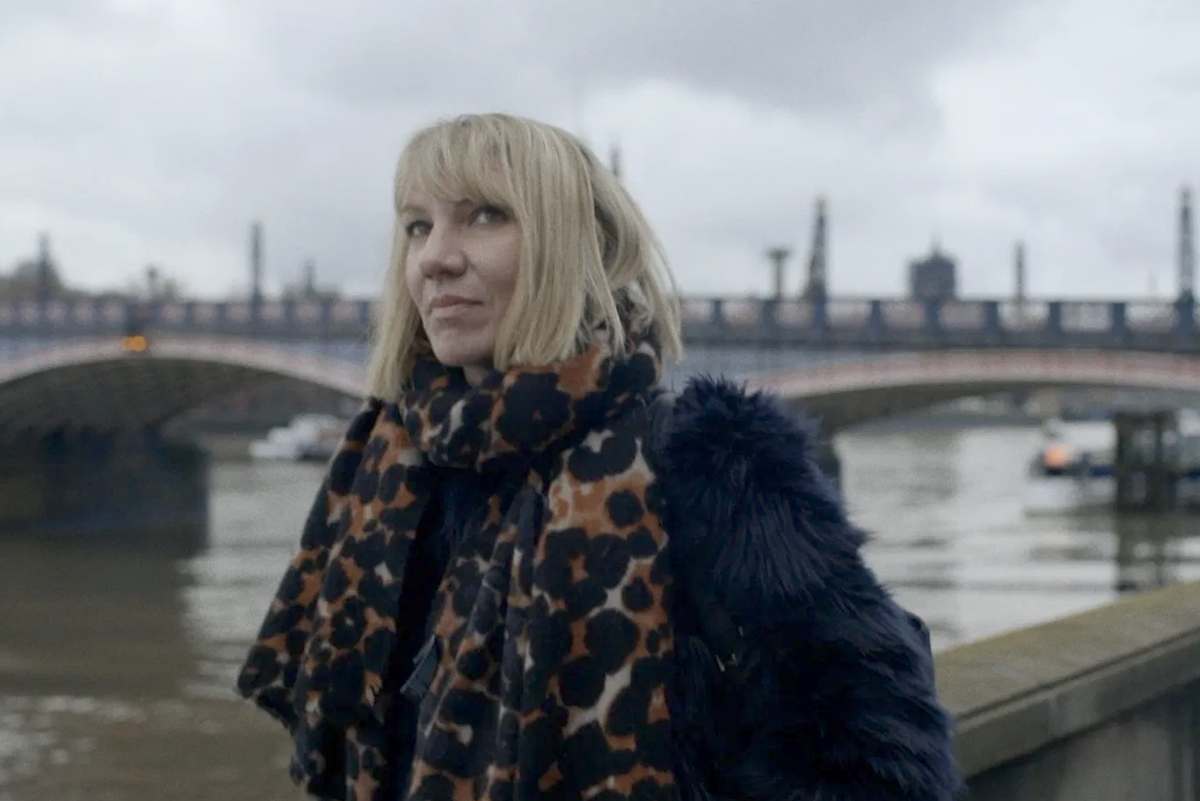
Reggae Story
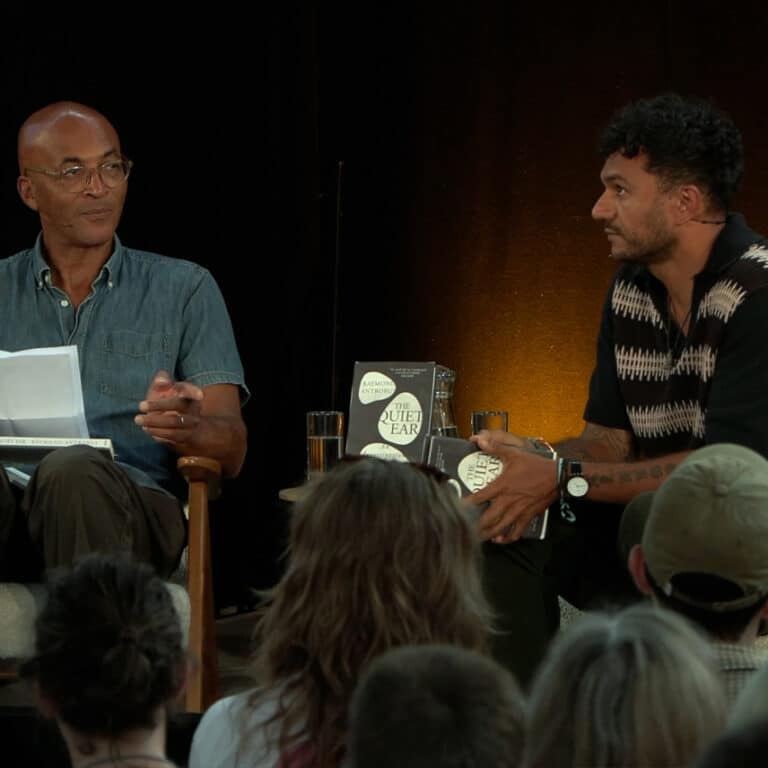
Hannah Lowe reads her poem, 'Reggae Story' inspired by her Jamaican father, Chick. Directed by Matthew Thompson and commissioned by the Adrian Brinkerhoff Poetry Foundation.
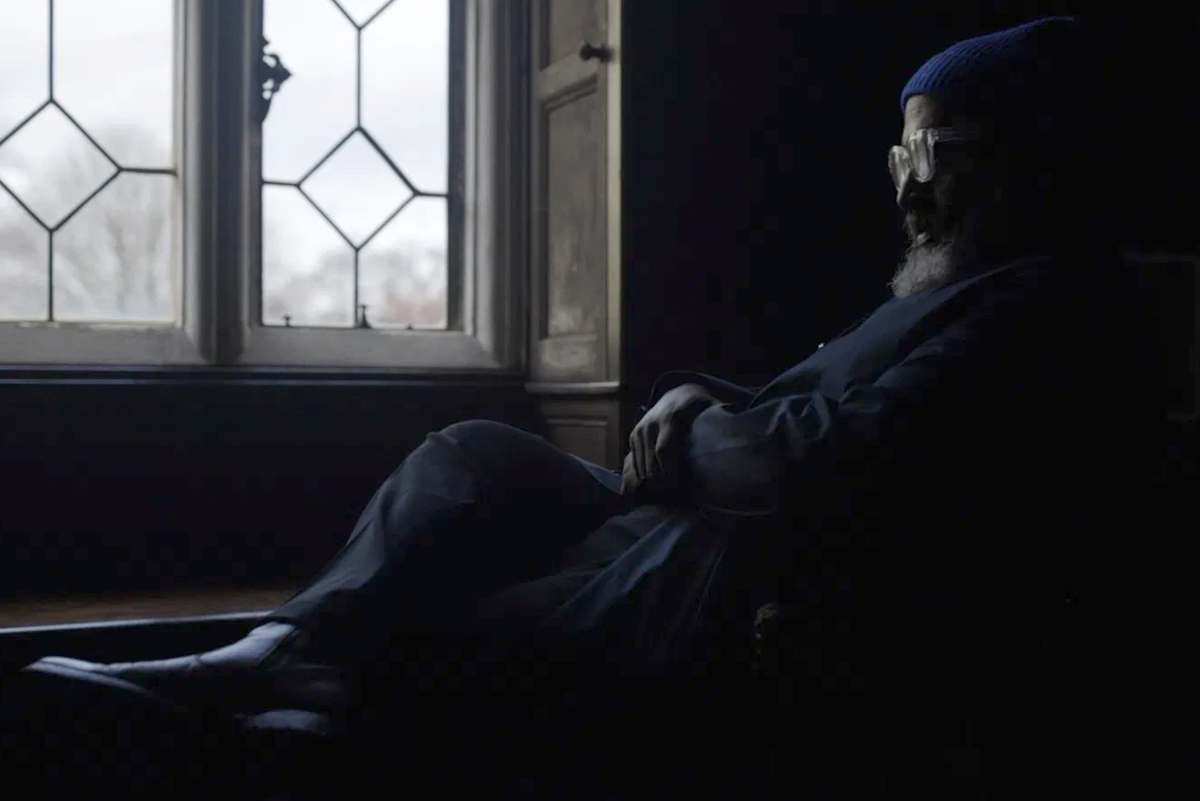
The City Kids See the Sea
Roger Robinson reads his poem, 'The City Kids See the Sea'. Directed by Matthew Thompson and commissioned by the Adrian Brinkerhoff Poetry Foundation.

Illuminating, in-depth conversations between writers.
Listen to all episodes
SpotifyApple Podcasts
Amazon Music
YouTube
Other apps

The series that tells the true-life stories of migration to the UK.
Listen to all episodes
SpotifyApple Podcasts
Amazon Music
YouTube
Other apps
Afro-Caribbean writer Frantz Fanon, his work as a psychiatrist and commitment to independence movements.
Listen to all episodes
SpotifyApple Podcasts
YouTube
A six-part audio drama series featuring writers with provocative and unexpected tales.
Listen to all episodes
SpotifyApple Podcasts
YouTube