
Phoenix Brothers

Oxford University Press, 2025
Since winning the Waterstones Children’s Book Prize in 2011 for her debut novel Artichoke Hearts, Sita Brahmachari has established herself as a leading writer for children and young adults in the UK, becoming a Fellow of the Royal Society of Literature in 2025. In addition to her writing, she is active in theatre and educational projects and has worked with refugees for over a decade.
In Phoenix Brothers, she returns to a character first introduced in her short story ‘Amir and George’. Narrator Amir Karoon and his friend and classmate Mo are the titular ‘brothers’: refugees from Iraq who are ‘boys not birds, born from fire and ice.’ Both boys are dealing with memories of traumatic events and with life in a new country without their parents.
Brahmachari often depicts British schools with families from across the globe in what we might term ‘diverse’ or ‘multicultural’ classrooms. Neither term quite gets to the heart of the matter. All classrooms are diverse by virtue of having a number of people within them. In many classrooms only one culture is valued, as delineated in policy documents and sometimes informed by counter-terrorism policy (as in the duty to promote Fundamental British Values). The dominant culture is also transmitted via the rhetoric of the literary canon with superficial appeals to tradition, cultural capital and, in the words of rabid antisemite Matthew Arnold, ‘the best that has been thought and said in the world’, with the final three words usually omitted lest we begin to consider culture beyond these shores, or Europe’s boundaries, as worthy of inclusion.
The racism often directed towards racially minoritised children in Britain – either by their peers, or the education system itself – has proven a difficult topic for writers of fiction for children and young adults. This is partly to do with how the ‘Bildungsroman’ genre emphasises the assimilation of the young protagonist into adult society and partly to do with the way that the English novel has, since its inception with Defoe’s Robinson Crusoe (1719), so often positioned racially minoritised people as foils in order to bring the humanity of white protagonists into focus.
Brahmachari is able to acknowledge some of this troubling context in the story. Old Etonian Mr Shaw, the English teacher who works hard to support Amir and Mo, offers Amir a copy of 1984 and a biography of George Orwell. Mo asks Amir, ‘Why do they always have to be dead white men – the writers they give us, even when it’s about the future?’ When both boys begin to find value in Orwell’s words and do well on a test, it is their headteacher Mrs Mehta who accuses them of cheating. Mr Shaw describes Amir’s first speech in preparation for the competition as ‘deeply moving’, whereas Mrs Mehta opts for ‘so authentic’. Brahmachari appears here to acknowledge the well-documented emergence of British South Asians in positions of power, who offer neither empathy nor solidarity to recent migrants. This feels, at least to me, refreshing to see in fiction for young people, troubling as it is in reality. However, this acknowledgement also runs the risk of opening up a reading of the text that positions the privileged white man of the story as the hero figure – something akin to Joseph Campbell’s second parent figure.
Amir’s growing connection with George Orwell, mediated by the sincere and committed Mr Shaw, helps him to develop his use of the English language, to navigate the doublespeak of school and to contemplate the notion of liberty. When Amir is selected to represent his school at the George Orwell National Public Speaking Competition at Eton College, he is tasked with responding to the quote: ‘If liberty means anything, it means the right to tell people what they do not want to hear.’ It is here that Brahmachari perhaps subverts the expectations of the reader. While Amir has clearly accumulated ‘cultural capital’ – so much so that he finds himself centre stage at the most famous of England’s public schools – we are denied the triumphant climax where he is shown to be more (adept at) English than the English themselves. Instead, he offers these words:
I have a choice to speak or not to speak. I had no choice to leave my home. I understand what choice is. This choice not to speak, today, for my health, is liberty in me.
Crucially, Amir’s moment of self-actualisation is not straightforwardly assimilationist. He acknowledges that he finds himself in circumstances not of his making, while also finding a way to assert his individual agency. Readers can contemplate the psychology, ethics, and politics of his, and Brahmachari’s, decision. In so doing, they will almost inevitably explore some of the complexity of this story, its many layers and what it suggests about literature and education.

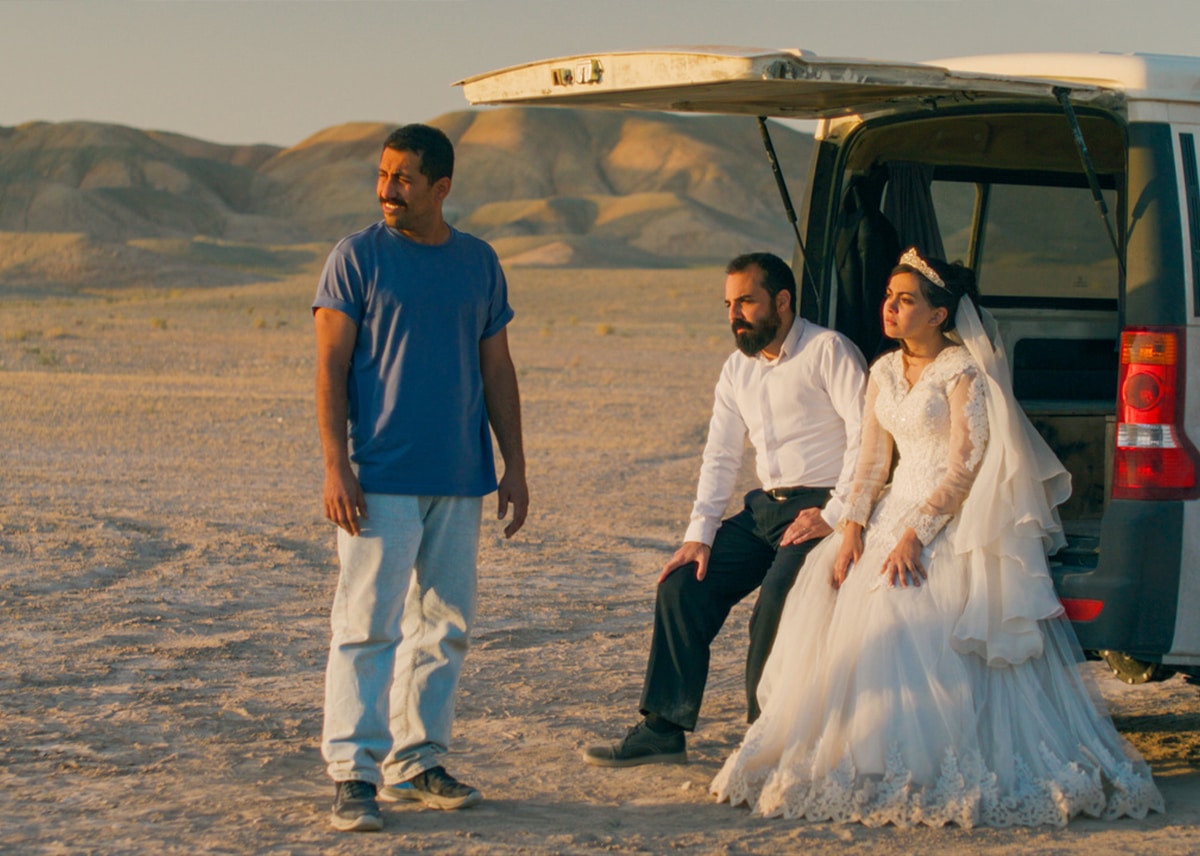
It Was Just an Accident
Iranian director Jafar Panahi's film probes the relationship between individuals, the state and violence with determined humanism
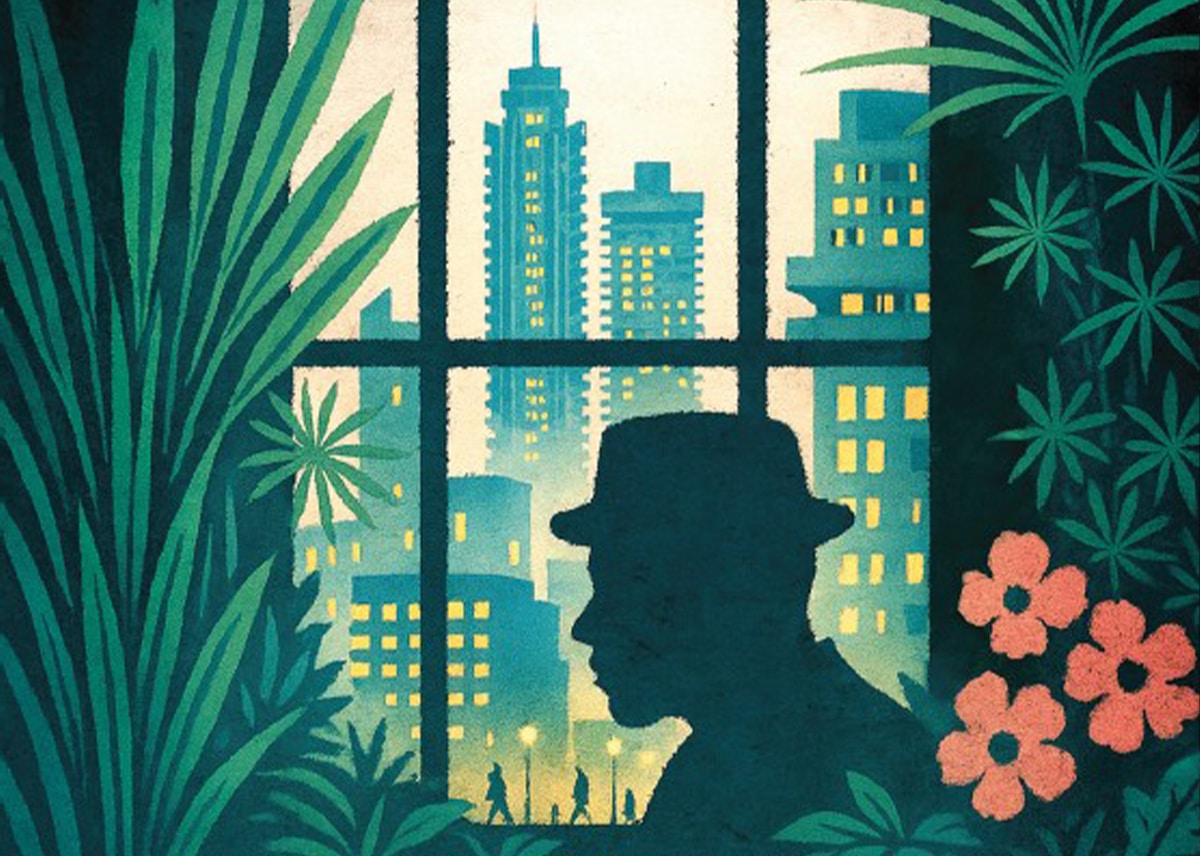
Concrete Dreams
A novel about doing rather than feeling, each episode in this long piece is discomfortingly realistic.
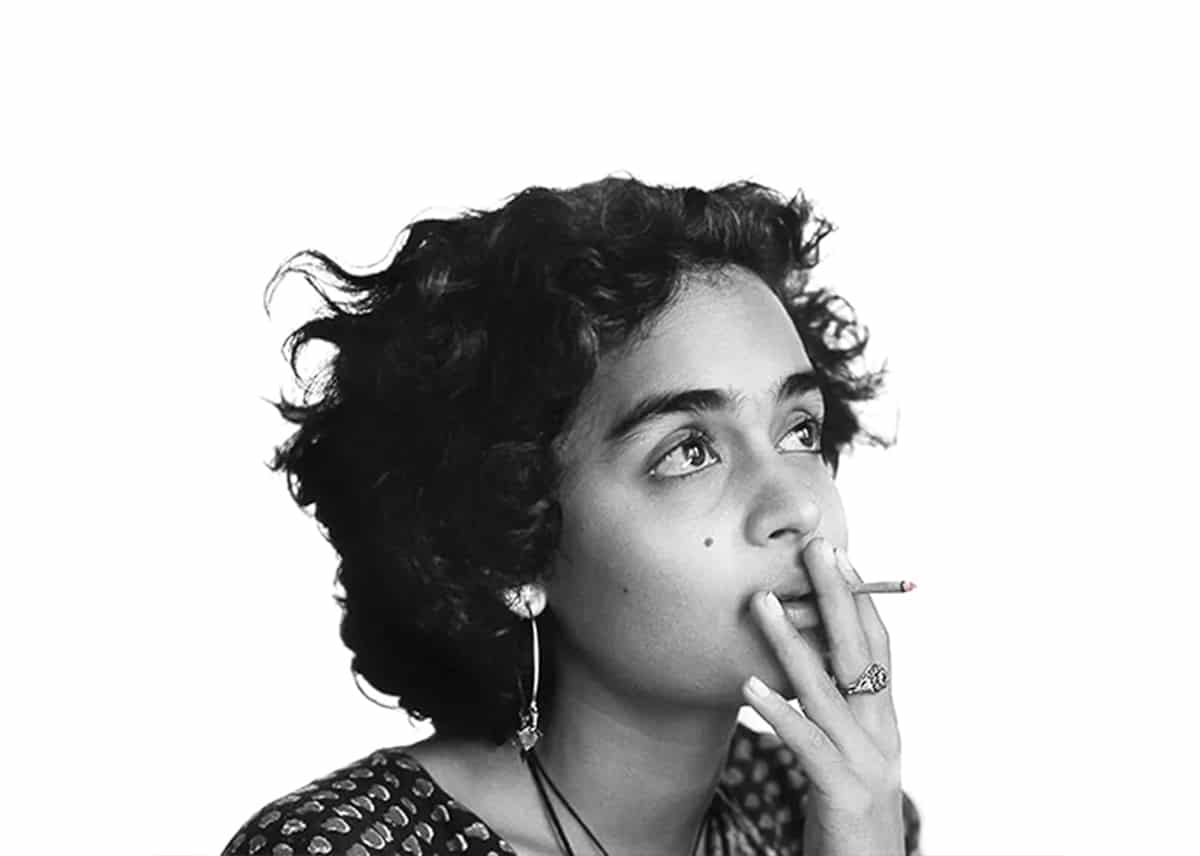
Mother Mary Comes to Me
'Who would expect such straightforward homage from an iconoclast and self-confessed sceptic like Roy?'

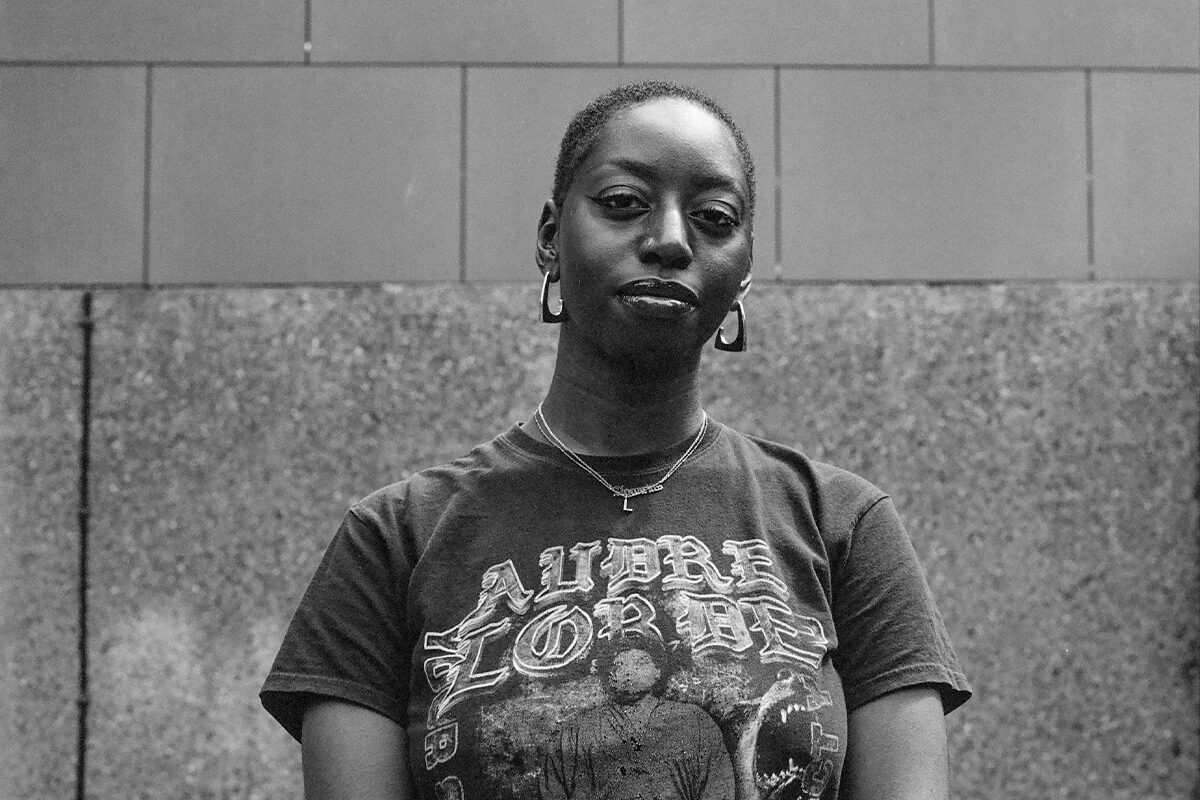
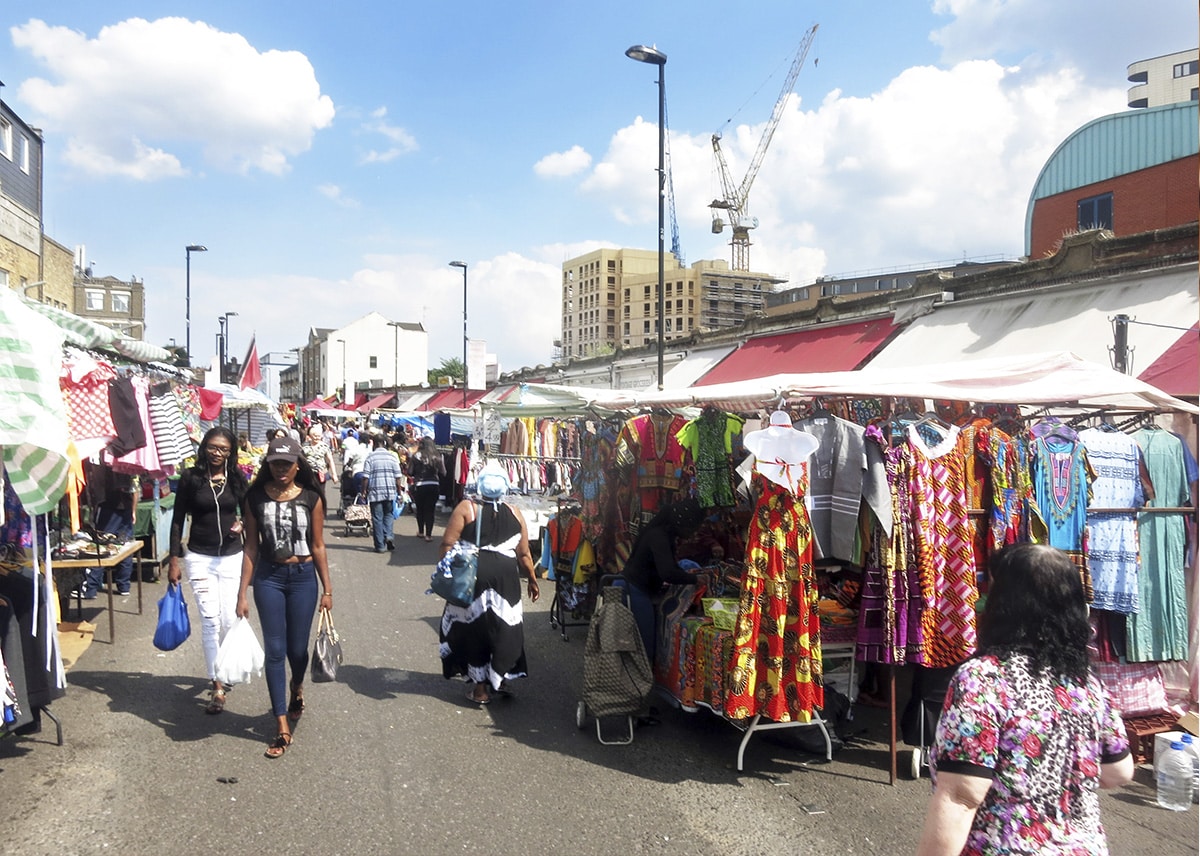
Britain on the way home
'It is not their flags we should be afraid of, but their anger.'

Tell My Horse
My favourite book; an audacious, compelling and forensic expedition into Jamaican and Haitian socio-cultural lived experience in the early twentieth century
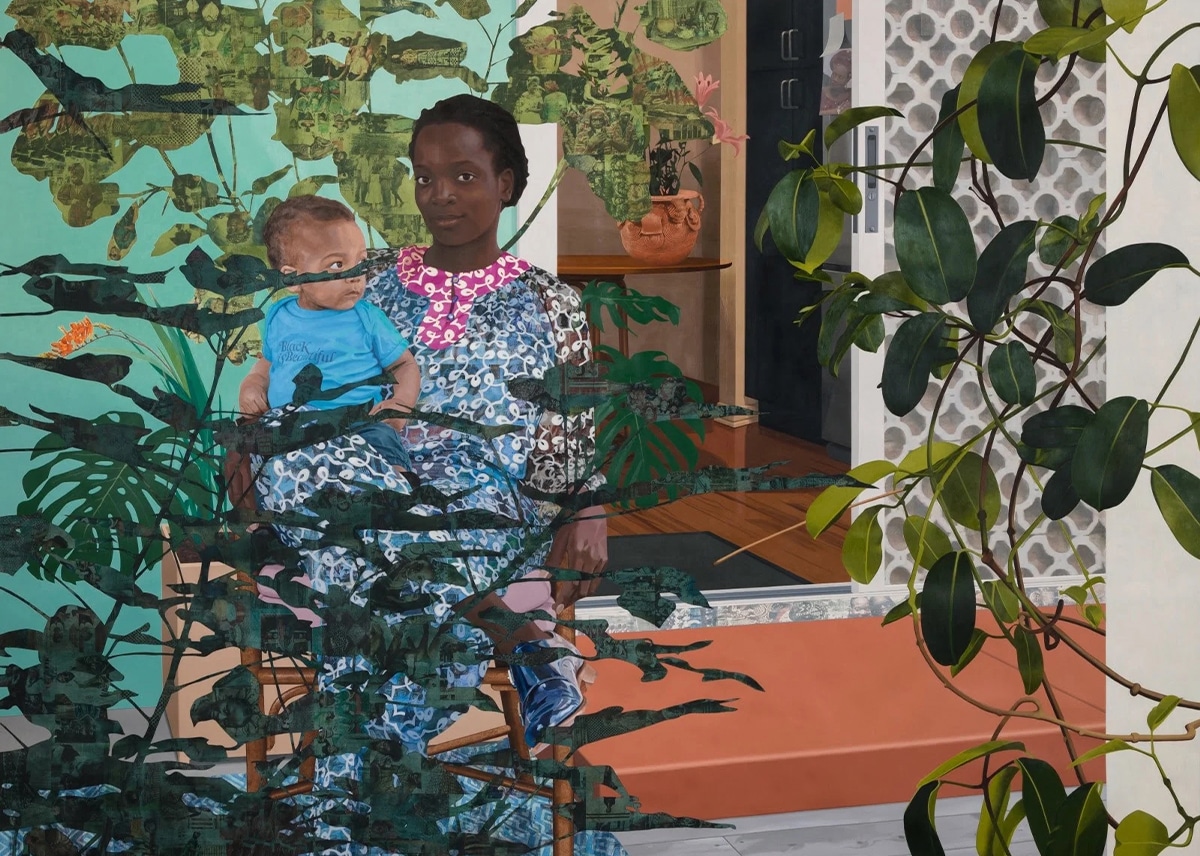
Between tradition and innovation: Njideka Akunyili Crosby’s cross-cultural currents
Drawing of parallels between the art of Njideka Akunyili Crosby and Kerry James Marshall
Reggae Story
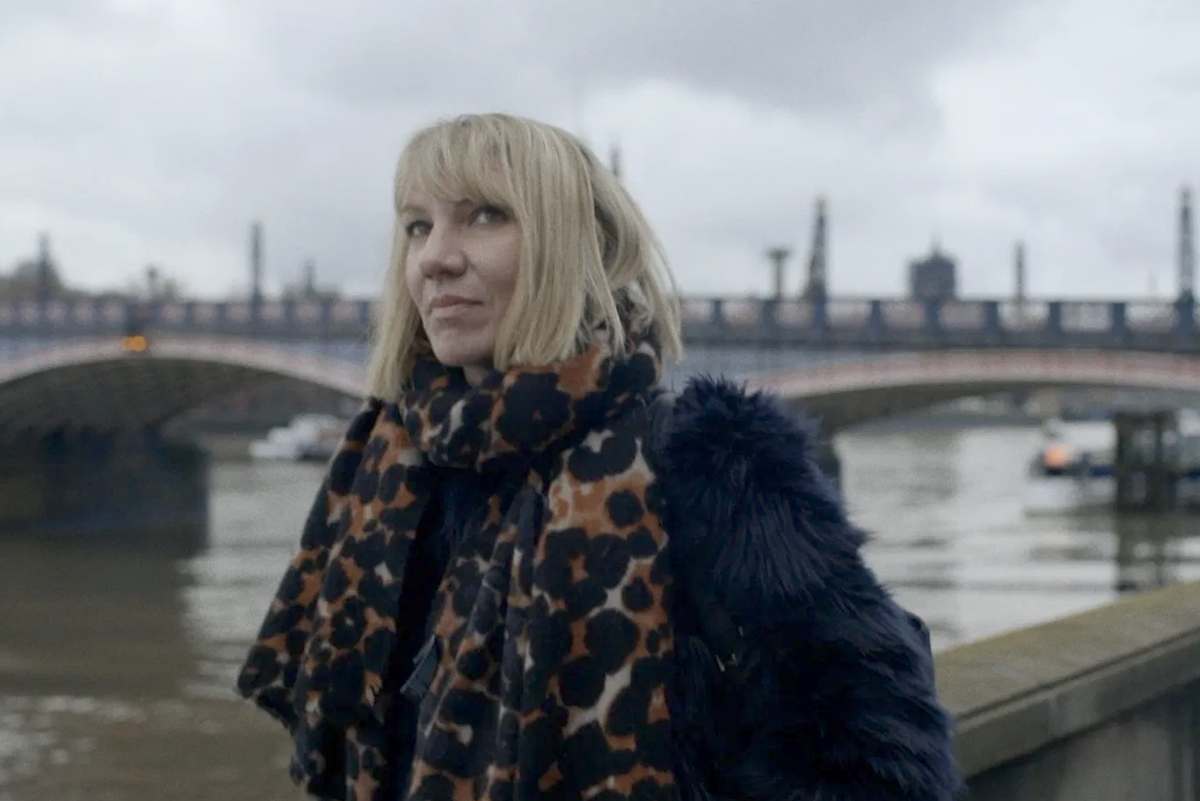
Hannah Lowe reads her poem, 'Reggae Story' inspired by her Jamaican father, Chick. Directed by Matthew Thompson and commissioned by the Adrian Brinkerhoff Poetry Foundation.
The City Kids See the Sea
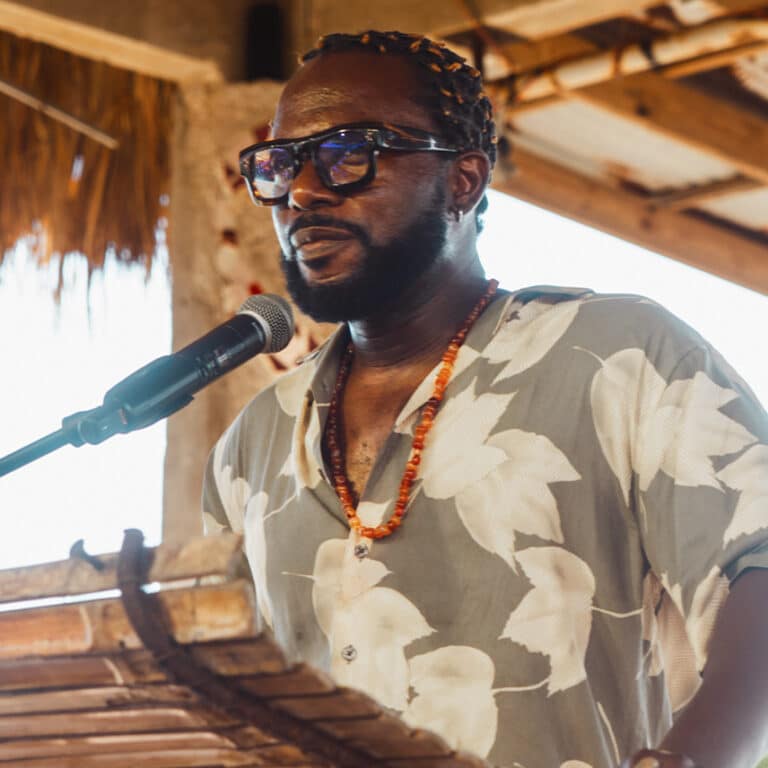
Roger Robinson reads his poem, 'The City Kids See the Sea'. Directed by Matthew Thompson and commissioned by the Adrian Brinkerhoff Poetry Foundation.

Illuminating, in-depth conversations between writers.
Listen to all episodes
SpotifyApple Podcasts
Amazon Music
YouTube
Other apps

The series that tells the true-life stories of migration to the UK.
Listen to all episodes
SpotifyApple Podcasts
Amazon Music
YouTube
Other apps
Afro-Caribbean writer Frantz Fanon, his work as a psychiatrist and commitment to independence movements.
Listen to all episodes
SpotifyApple Podcasts
YouTube
A six-part audio drama series featuring writers with provocative and unexpected tales.
Listen to all episodes
SpotifyApple Podcasts
YouTube