
Sound of Metal
Director: Darius Marder
May 2021
Review by Raymond Antrobus
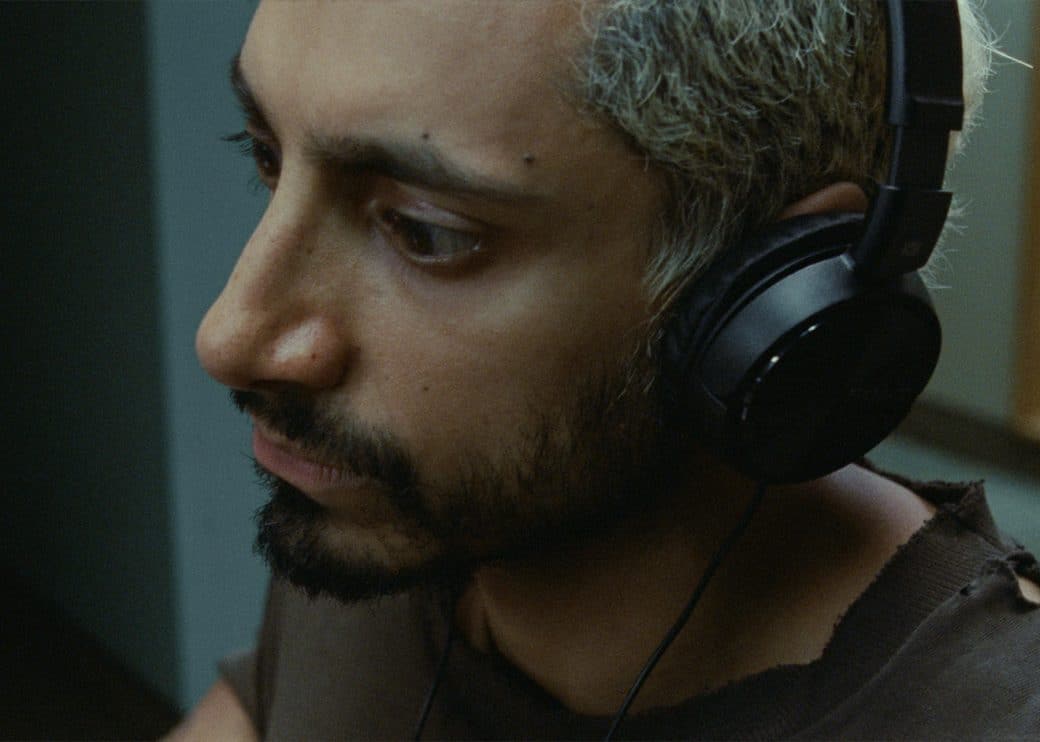
In the opening scene of the film Sound of Metal (2019) we meet Ruben (played by Riz Ahmed) tattooed and bare-chested, live in concert, sat at his drums on stage. The first caption of the film appears:
[guitar plays, heavy distorted chord]
Ruben has an intense, focused look in his eyes as he rocks back and forth at his seat:
[scattered cheers, applause]
He closes his eyes and looks out at the audience:
[muffled, indistinct vocal]
Now we see his partner Lou (played by Olivia Cooke), the vocalist on stage:
[intense shouting vocal]
Ruben picks up his rhythm, slams his sticks on the drums and the room is immersed in a heavy wall of distorted sound.
We later learn that both Lou and Ruben are former addicts, and that their relationship has lasted the length of their sobriety – four years. When Ruben suddenly starts losing his hearing backstage, about to rehearse, some of the first captions we see are
[ringing intensifies]
[instruments muted]
[muffled chatter]
I’m drawn to the captions; I need them to access any film, and a film with ‘sound’ in the title, about a man going deaf, means I’m going to pay extra attention to them.
Ruben’s visit to an audiologist has him diagnosed with profound deafness. He is advised to avoid loud noises and given the option to have cochlear implants fitted to assist his hearing. His health insurance, however, won’t cover it and he will be hit with a bill of up to $80,000 if he pursues the surgery.
As Ruben spirals downward, Lou and a therapist help get him enrolled in a Deaf-led rehab community where we meet Jo (Paul Raci), who went deaf while serving in Vietnam. Ruben is slowly integrated into this Deaf community, learning American Sign Language. The ASL is not captioned until Ruben becomes more fluent. He is given a sign name – Jo points at Ruben’s face and then makes the gesture of a large eye.
Vibrations are a key to immersion for a deaf audience. Watching this film on a laptop at home, with the absence of the rumbling vibrations of a cinema experience, and relying on captions like [sounds muted] feels like watching a flat and lazy cliché for describing deafness, but I forgave that particular caption because it wasn’t left to carry the weight of the scene. Ruben eventually leaves the Deaf community and Jo to be reunited with Lou, who now lives in France with her father. He arrives on the day of Lou’s father’s birthday, with a house party going on. Much has changed for both Lou and for Ruben as it becomes clear that their worlds have drifted apart, along with their different needs. Ruben, (who has undergone surgery and had the implant switched on) finds himself sitting at the edges of rooms, lost in himself, unable to connect. This is the hearing world. An impossible wall of party noise. The last scene of the film has Ruben leaving the party and walking down a busy, loud city street as a church bell clangs. He takes out his cochlear implants and finds stillness, a deaf soundscape, one that Jo, back at the camp, had tried to help him find. It’s a powerful scene. I could write about what the film gets right or what it glosses over in terms of Deaf culture and deaf experience, but this is something I’m still trying to explain to hearing readers of my own work – that there is no such thing as a single deaf experience, and Ruben’s story as a late-deafened man is every bit as relevant as any deaf story. The film and its sound deserve all the noise we can make in the culture.
Raymond Antrobus
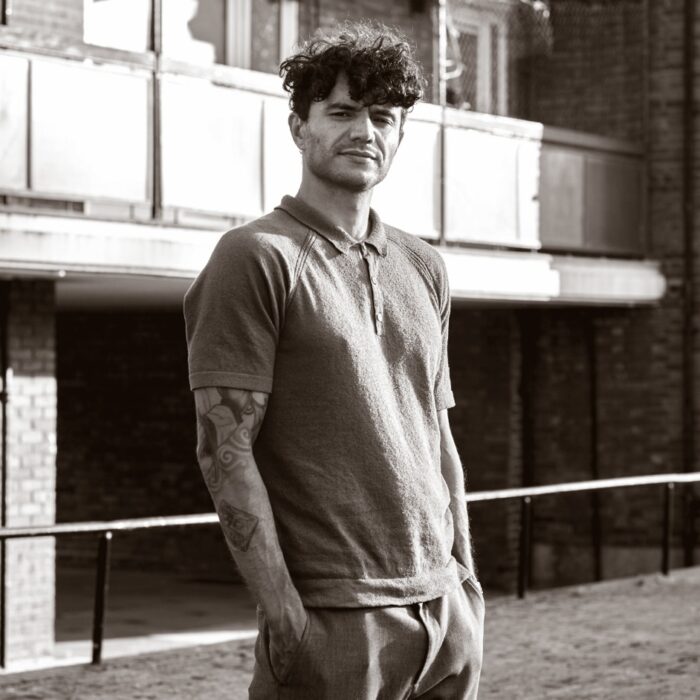
Raymond Antrobus is a multi award-winning poet who has made an investigation of missing sound his life's work.
WritersMosaic monthly
Get new reviews in your inbox
One email monthly, unsubscribe anytime
The Disappearers
A sprawling visceral experience that drops you in head first
The Lady Imam
Is the world ready to catch up with amina wadud?
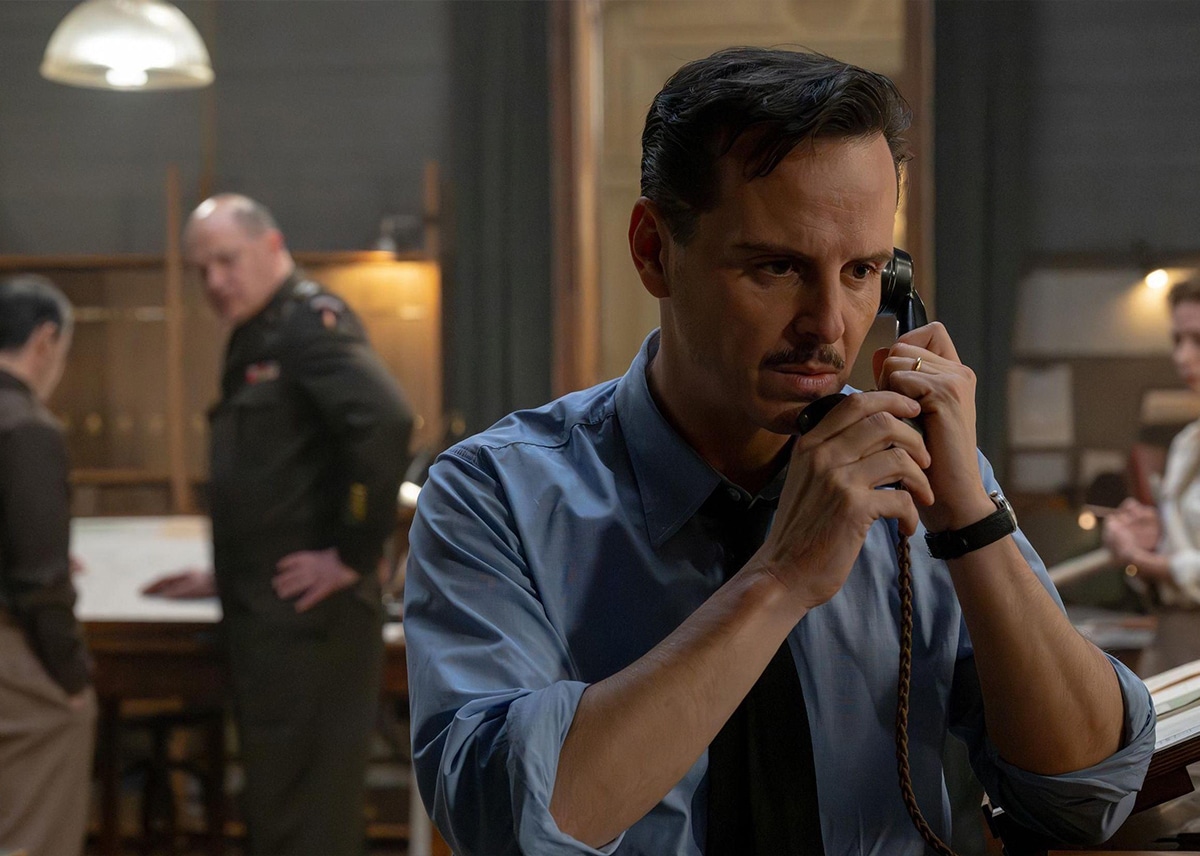
Pressure
What's missing from the latest 'untold story behind D-Day'?
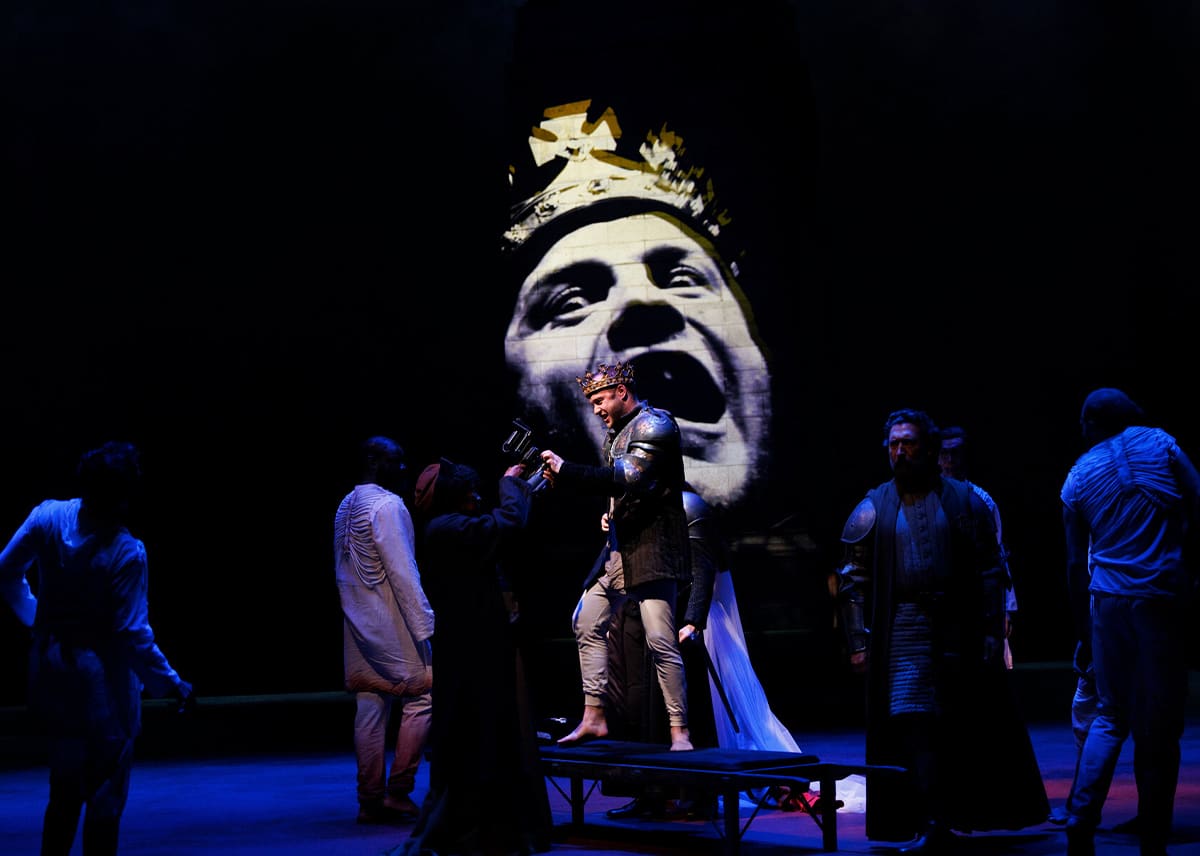
Complex antihero: an interview with Arthur Hughes
Unravelling Authur Hughes' Richard III
Marlon James: a Jamaican reckoning
'A return to a home I barely knew'
The name of this wallpaper is ‘Childhood’
A luminescent bubble of memory



Illuminating, in-depth conversations between writers.
Listen to all episodes
SpotifyApple Podcasts
Amazon Music
YouTube
Other apps

The series that tells the true-life stories of migration to the UK.
Listen to all episodes
SpotifyApple Podcasts
Amazon Music
YouTube
Other apps
WritersMosaic interrogates the notion of ‘staying in your lane’ by asking writers how they attempt to think beyond the parameters of their cultural identity.
Listen to all episodes
SpotifyApple Podcasts
YouTube