
Summer of Soul
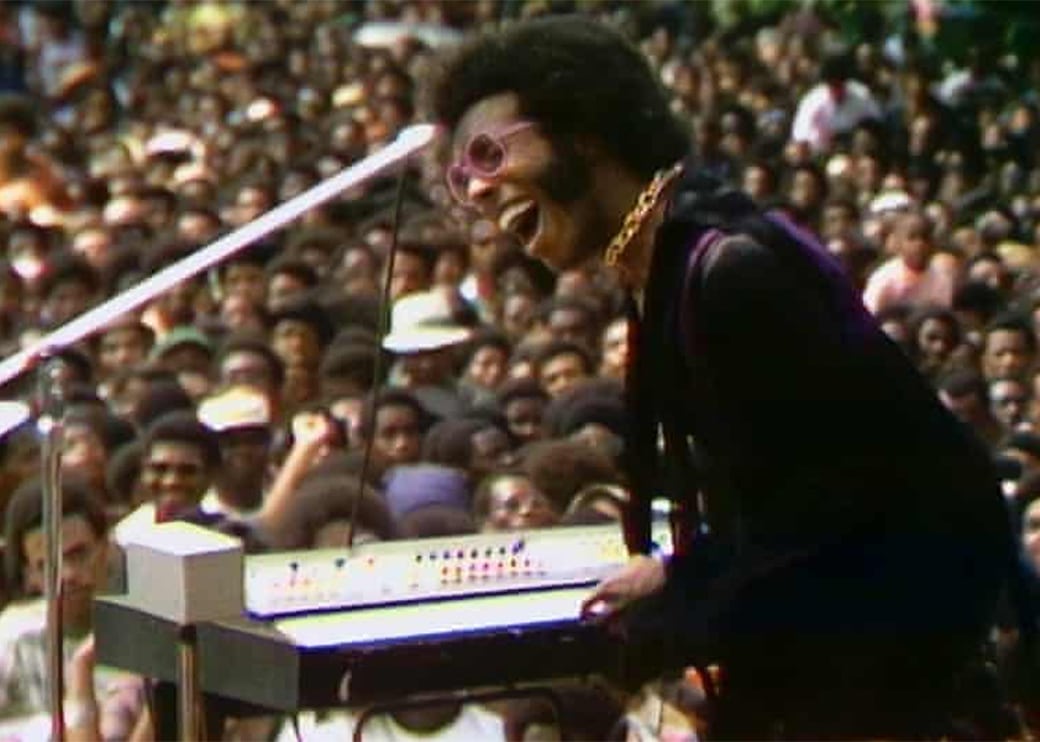
Dir. Ahmir ‘Questlove’ Thompson (2021)
Review by Gabriel Gbadamosi
Summer of Soul is a documentary film reassembled out of forgotten footage from a 1969 black music festival which took place over six summer weekends in a park in Harlem, New York City. Sounds bland? Scratch that, let me find the elevator pitch.
No one ever gave a damn, then or since, about black people getting free music in a park. So much else going on – the moon landing, the Woodstock festival, hippy flower-power revolution, Vietnam… No wonder this footage got shelved and forgotten. But New York City stumped up the cash for a free Harlem Cultural Festival to go on instead of the previous summer’s riots (when Martin Luther King Jr. was shot dead) – so better dance than burn, baby.
I’ll pitch this review by saying it’s family fun, and all the generations are there, squeezed into an urban park and climbing up the trees to get a view. Crane your neck and open your ears. Gladys Knight, Mahalia Jackson, Stevie Wonder, the acts just keep coming, Hugh Masekela, Sly and the Family Stone, Nina Simone, and they don’t let up. Crowd reaction shots – bewildered, distrustful, amused, turned on – tell a political and economic story: this ain’t looting, honey, this is free. This is us. Black musicians playing to black crowds, then saying – in later interviews – what a shock that was, to find ordinary black people massed as an audience instead of paying white folks.
One eyewitness from Harlem comments that he and his friends were ‘suits guys’ modelled on the Motown look when they arrived, but after hearing and seeing the gender and race mixing of Sly and the Family Stone, ‘we weren’t suits guys’. People changed that summer. Looking back, the children then are my age now, but I was glued to the moon landing; I wasn’t black in America. Walking on the moon looked different to people back then being interviewed in the crowd – from Harlem it looked like you could march to the moon and back for civil rights and still not be free.
Yet the people who left the park at the end of the festival were not the same as the ones who went to hear the music – something happened in African America at the tail end of the civil rights movement, its political leaders splashed in blood, President Nixon’s backlash in full swing – and you can see it happening in this film. They were not going to stop being black, but they were going to change. Mahalia Jackson hands over the microphone on stage to Mavis Staple of the Staple Singers for Martin Luther King’s favourite song and last request before he was shot – ‘Take My Hand, Precious Lord’. White people, says one commentator, had their ways of dealing with trauma, but black folks had Mahalia Jackson as a healer and guide. The music, the line-up, the soundtrack, the mood was changing. A young black journalist, reporting on the festival, initiated a change in the house style of the New York Times: from now on people were no longer ‘Negroes’, they were ‘black’. Black pride, black music, black style and Black Panther security guards were no longer going to apologise or explain. They were going to do it for themselves. Black was beautiful.
Now, that did come to us in the UK through the 1970s. So, it’s just as well that I took my children along to see Summer of Soul, because now they know where it came from, and what it was like to have lived between mourning and hope.
photo courtesy of Sundance Institute and Mass Distraction Media
https://www.imdb.com/title/tt11422728/

Granta 173: India
A look at four short pieces of fiction from Granta's latest edition showcasing Indian writing

The Thing with Feathers
Dylan Southern’s film adaptation puts masculinity front and centre
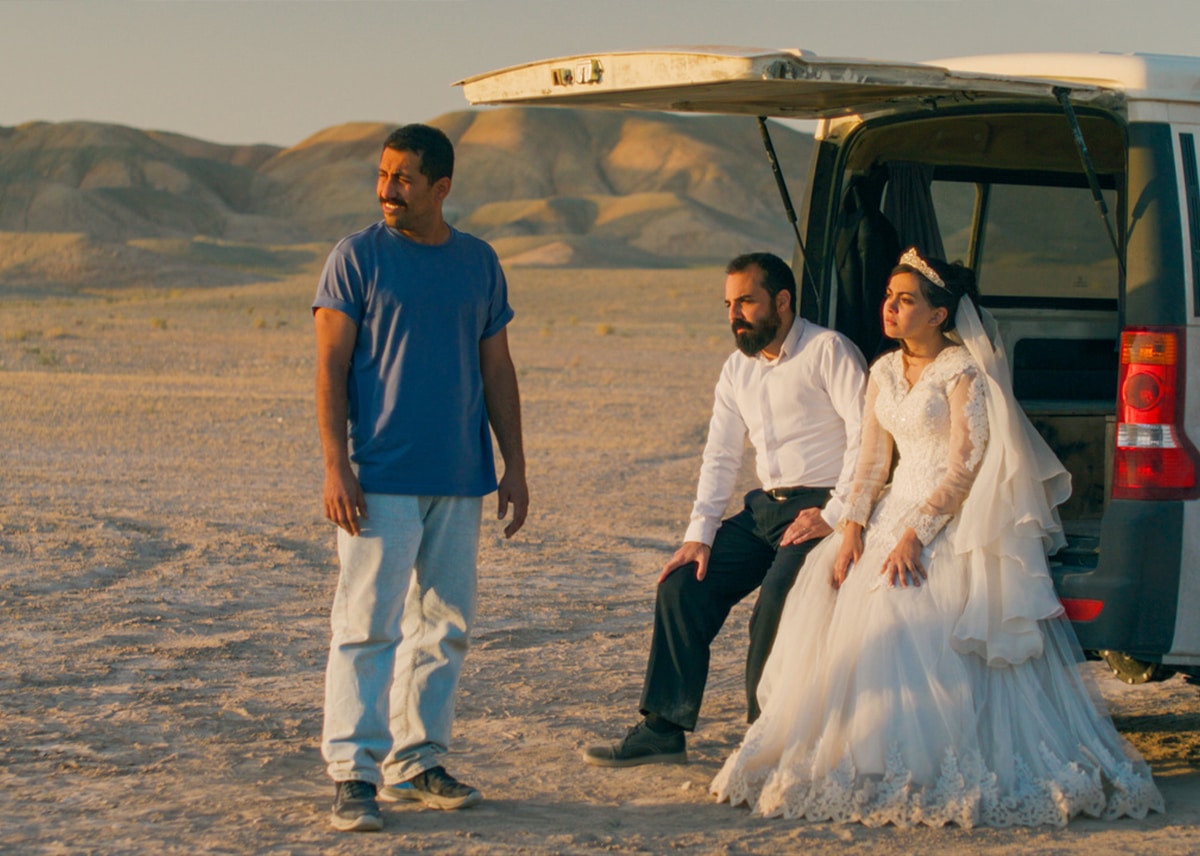
It Was Just an Accident
Iranian director Jafar Panahi's film probes the relationship between individuals, the state and violence with determined humanism


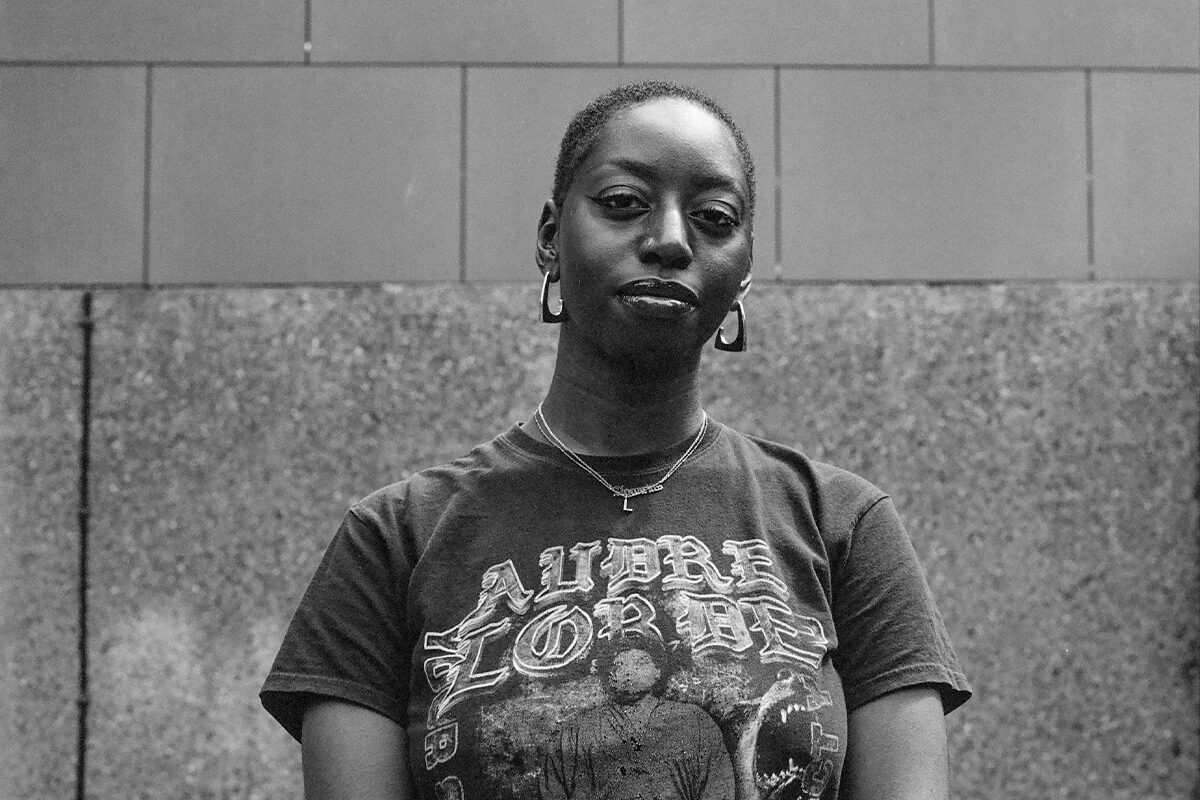
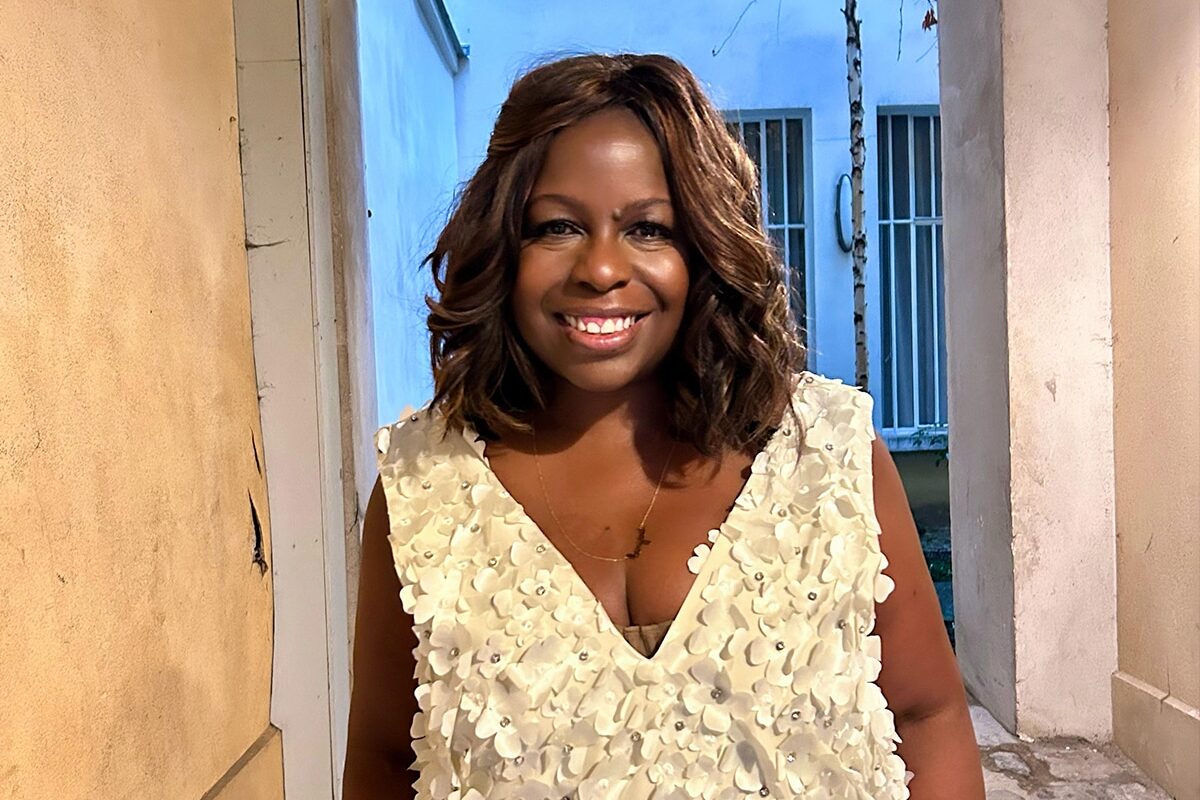
Other Wild
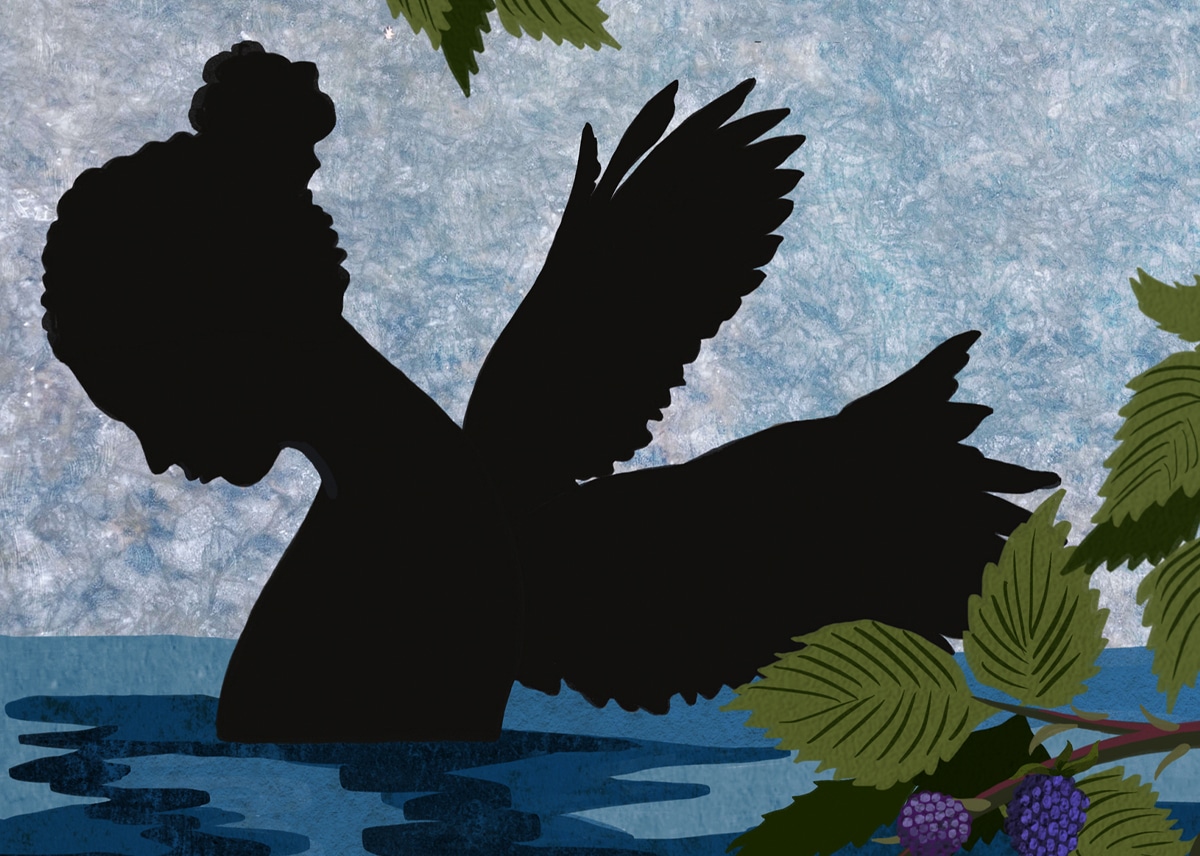
Emily Zobel Marshall invites us to heal by connecting to our senses and the natural world
Fiction Prescriptions
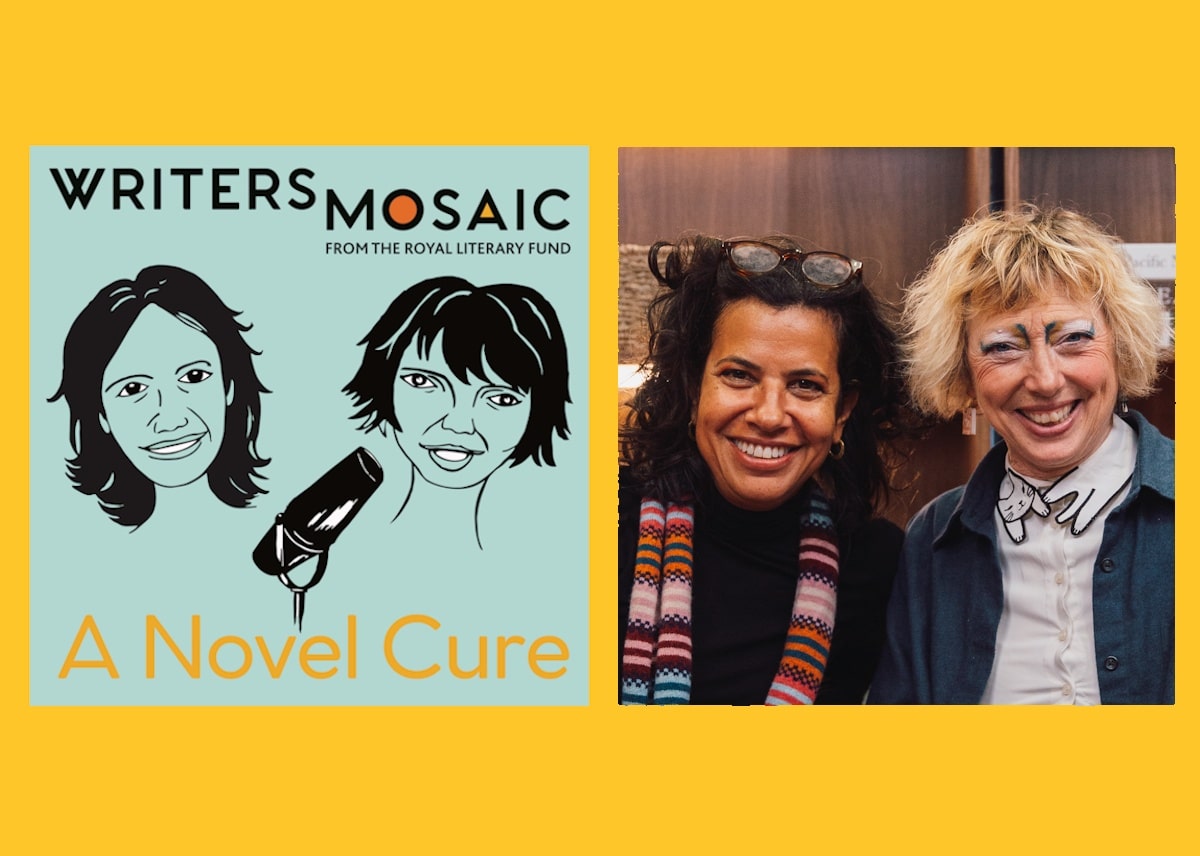
Co-hosts Ella Berthoud and Isabelle Dupuy introduce our new podcast series, Fiction Prescriptions: A Novel Cure, focussed on bibliotherapy. Each month listeners can write in with their dilemmas, and our dynamic duo will suggest remedies for the head and heart, drawn from books.

All the men my mother never married
A chapter from an unpublished autobiography, dedicated to my mother, Sarah Efeti Kange
Reggae Story
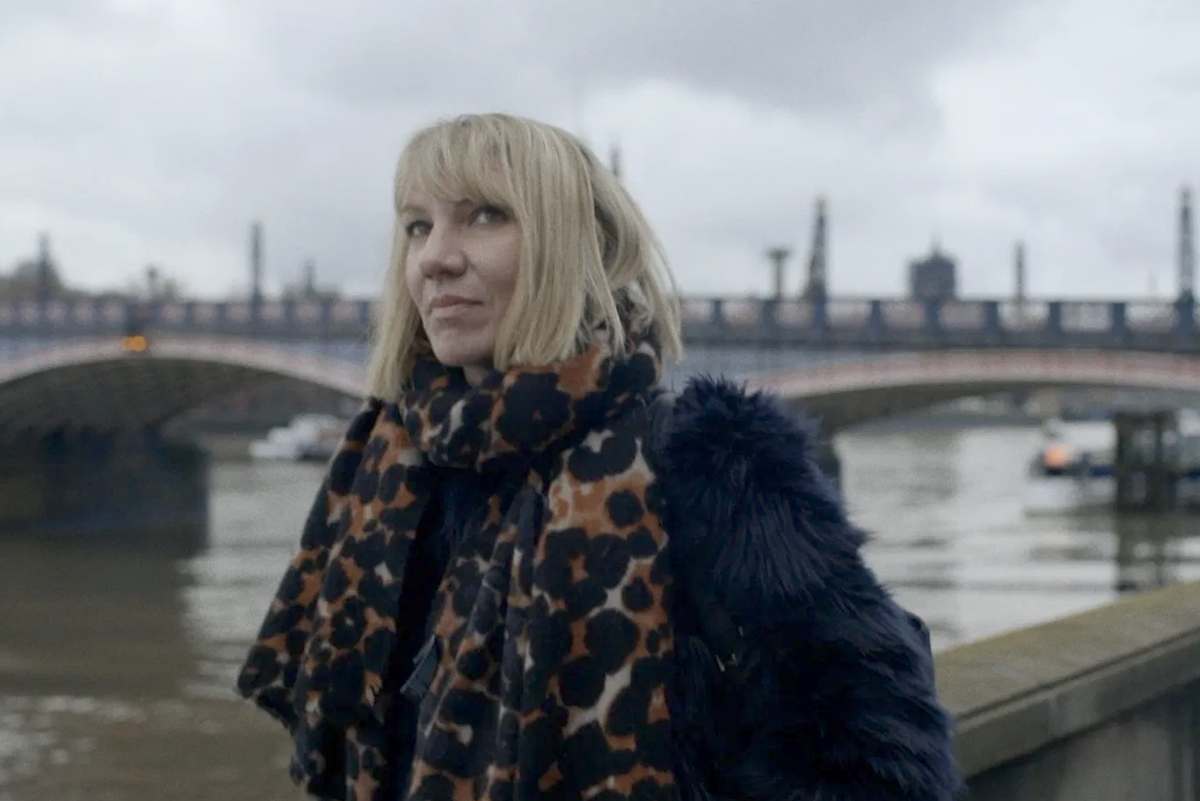
Hannah Lowe reads her poem, 'Reggae Story' inspired by her Jamaican father, Chick. Directed by Matthew Thompson and commissioned by the Adrian Brinkerhoff Poetry Foundation.
The City Kids See the Sea
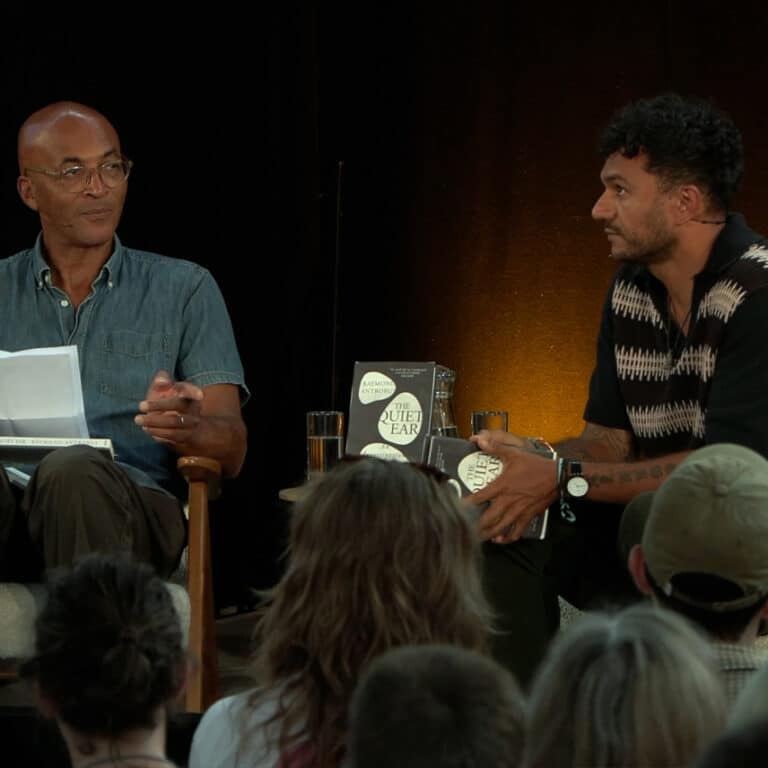
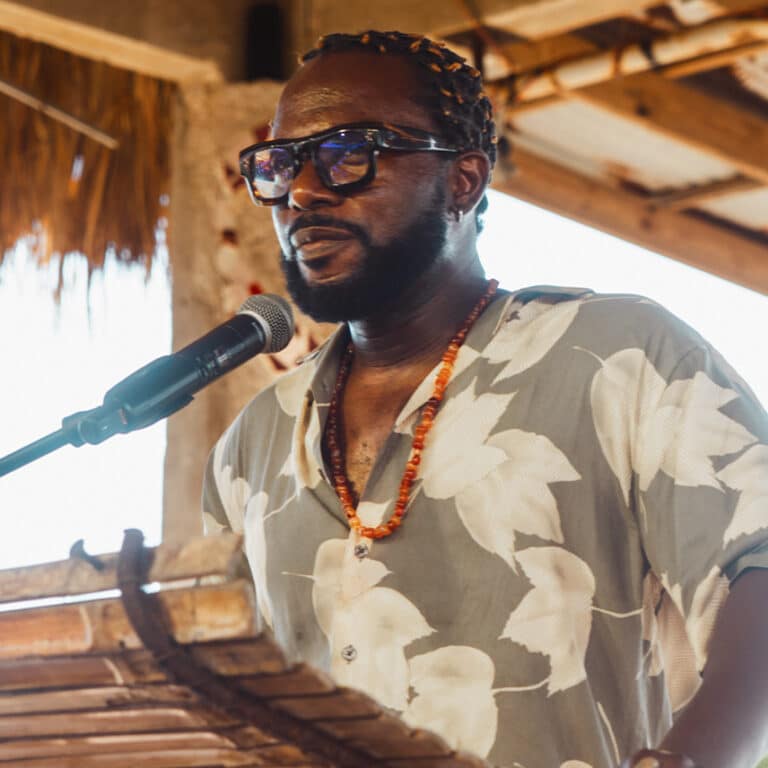
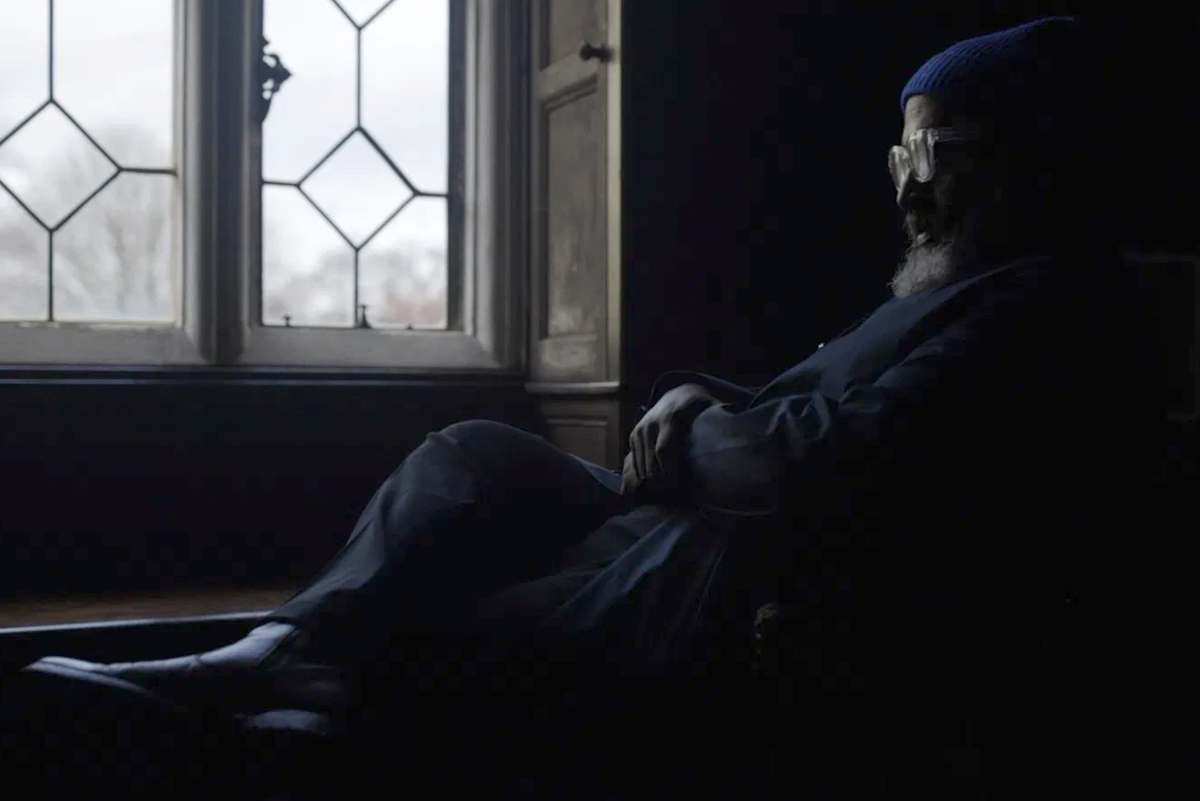
Roger Robinson reads his poem, 'The City Kids See the Sea'. Directed by Matthew Thompson and commissioned by the Adrian Brinkerhoff Poetry Foundation.

Illuminating, in-depth conversations between writers.
Listen to all episodes
SpotifyApple Podcasts
Amazon Music
YouTube
Other apps

The series that tells the true-life stories of migration to the UK.
Listen to all episodes
SpotifyApple Podcasts
Amazon Music
YouTube
Other apps
Afro-Caribbean writer Frantz Fanon, his work as a psychiatrist and commitment to independence movements.
Listen to all episodes
SpotifyApple Podcasts
YouTube
A six-part audio drama series featuring writers with provocative and unexpected tales.
Listen to all episodes
SpotifyApple Podcasts
YouTube