
The best books of 2025

‘Reading deeply is not time wasted. Reading is time set apart to get closer to ourselves,’ observes Jeanette Winterson in One Aladdin Two Lamps (Jonathan Cape). ‘Our reading builds our private library, and the connections, the patterns, are like tree roots spreading unseen, underground.’
In her latest book, which draws on the slippery nature of literature to probe the tales we tell about ourselves and the world, Winterson delivers a powerful reminder of the value of the written word and what we gain by engaging with it. I’m grateful to have spent time adding to my own private library over the past 12 months. These are my highlights of 2025.
Having considered Toussaint Louverture, the architect of the Haitian Revolution, in his last book, Sudhir Hazareesingh turned his gaze on a broader set of historical actors and incidents in Daring to be Free: Resistance and Rebellion of the Enslaved in the Atlantic World (Allen Lane). His examination of ‘the political and intellectual ways in which the enslaved took their fate into their own hands’ spans Europe, Africa and the Americas, introducing well-known characters such as Frederick Douglass but also women whose ‘major roles in opposing slavery’ have been overlooked. Delivered in clear prose, Hazareesingh’s analysis is at once detailed and wide-ranging. As with the best books of history, it will reshape your conception of the past.
Returning to the past was a theme taken up on a more personal level by Arundhati Roy in Mother Mary Comes To Me (Hamish Hamilton). In her first memoir, the Indian author and activist tracks her complex relationship with her mother. Roy recounts how she came to ‘run away’ from Mary for seven years as a young woman, and how she came to be a writer as a result. Roy dedicated The God of Small Things, her Booker Prize-winning debut novel, to her mother in 1997, in spite of or because of ‘the thorns she set down for me, like little floaters in my bloodstream’. Almost two decades on, this beautiful book casts their relationship in a new, nuanced light.
Jamaica Kincaid, who I interviewed for WritersMosaic last year, also acknowledges that her vexed relationship with her own mother contributed to her decision to pursue writing. That relationship is just one of the subjects explored in Putting Myself Together: Writing 1974 – (Faber), which collects some of Kincaid’s earliest texts with her most recent. Some of these pieces of fiction and non-fiction – which broach racism, colonialism and the idea of the garden, sometimes at the same time – were penned decades ago. But they feel timely, not least because of Kincaid’s taut, direct prose, which has such allure. If you have enjoyed her novels, you will enjoy this book. And fear not: as the open-ended subtitle indicates, the author is not done putting herself together yet.
The capacity to consider more than one subject at once – and what those subjects might say about each other – was powerfully in evidence in Sarah Howe’s poetry collection Foretokens (Chatto & Windus). Following Loop of Jade, which won the TS Eliot Prize in 2015, Howe’s second collection returns to ‘the riddle of belonging’, as the publisher puts it. It does so with intellect, grace and a real feel for language. Many poems draw on the author’s own experiences: as a daughter, a mother, a student, a person of mixed heritage. But others invite us to see things from a different angle. Take, for instance, ‘Finely Potted White Glazed Porcelain Cup, Dehua Ware’, which is spoken from the perspective of an inanimate object. In the closing stanza, the transplanted museum object casts itself as ‘A creature of two/worlds, but belonging to none. Tell me, / is there a word for it in this new tongue?’
In David Szalay’s Flesh (Jonathan Cape), the inability or reluctance to communicate how he truly feels is what ultimately condemns the protagonist, who remains somewhat unknowable to those around him but also to the reader. Born in Hungary, István spends time as a soldier in the Middle East before finding himself in London, where he gets caught up in a superficially appealing world in which money and status matter above all else. In what was quite a good year for fiction, this Booker-winning novel stood out to me for how its story was told, unrelentingly and with impressive spareness. I read Flesh in February and still think about István and his rise and fall.
Mary Beard, the Cambridge University classicist, reminds readers of the TLS every December that some of the best books appear in the form of exhibition catalogues. As someone who tries to see shows fairly regularly, I can confirm that she is right. This year my vote goes to the catalogue for Nigerian Modernism (Tate Publishing). The exhibition, on at Tate Modern in London until May 2026, boldly foregrounds the generation of artists working in Africa’s most populous country just before and after it gained independence from Britain. The essays in the sumptuously illustrated catalogue – which was edited by Osei Bonsu, who also curated the show – enrich our understanding of the contexts in which these artists lived, thought and worked. Proof, if proof were needed, that a book doesn’t stop being relevant after the end of the calendar year in which it first appeared in the world.
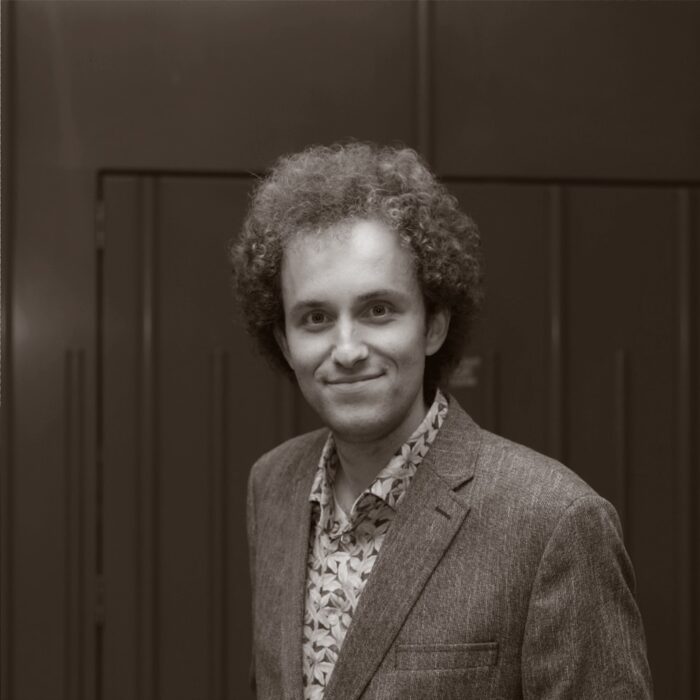
Franklin Nelson
Franklin Nelson works for the Financial Times, commissioning and writing on UK politics, the economy and society as well as books and the arts.
WritersMosaic monthly
Get new reviews in your inbox
One email monthly, unsubscribe anytime
The Disappearers
A sprawling visceral experience that drops you in head first
The Lady Imam
Is the world ready to catch up with amina wadud?
Pressure
What's missing from the latest 'untold story behind D-Day'?
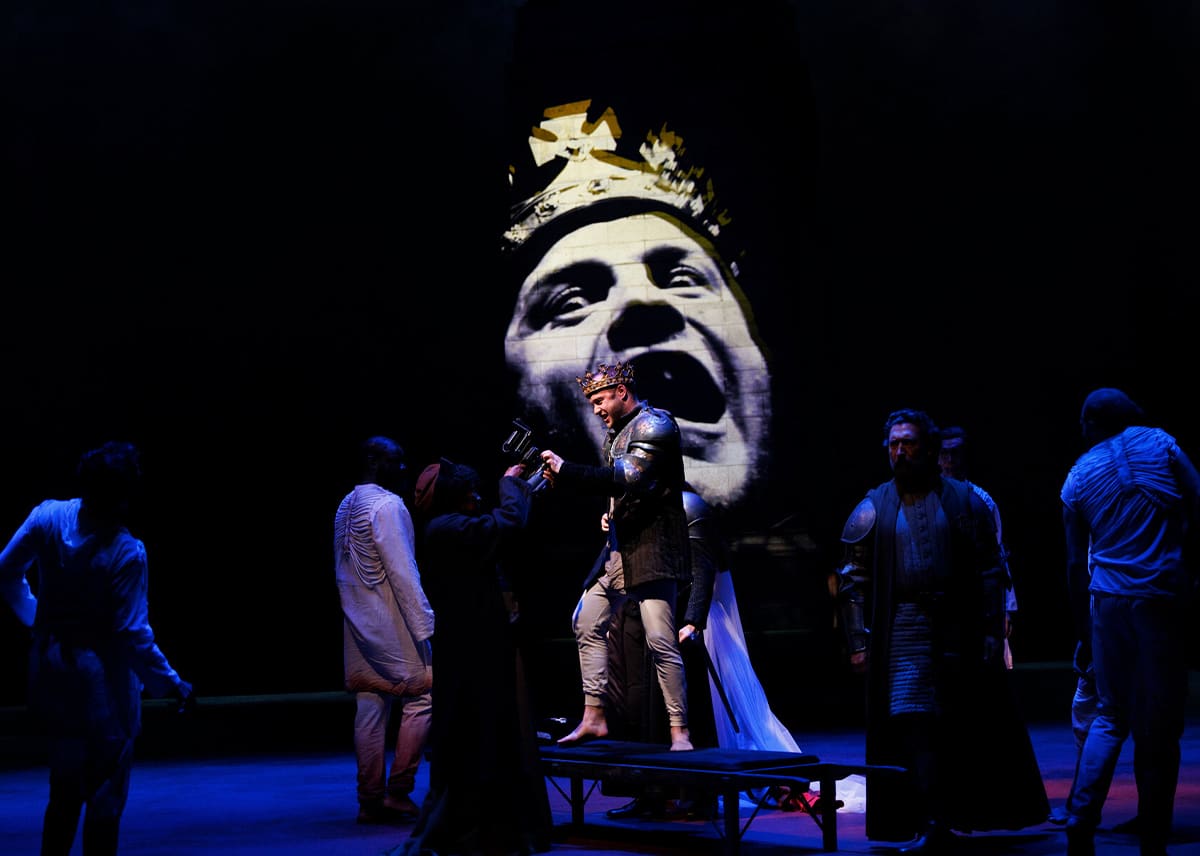
Complex antihero: an interview with Arthur Hughes
Unravelling Authur Hughes' Richard III
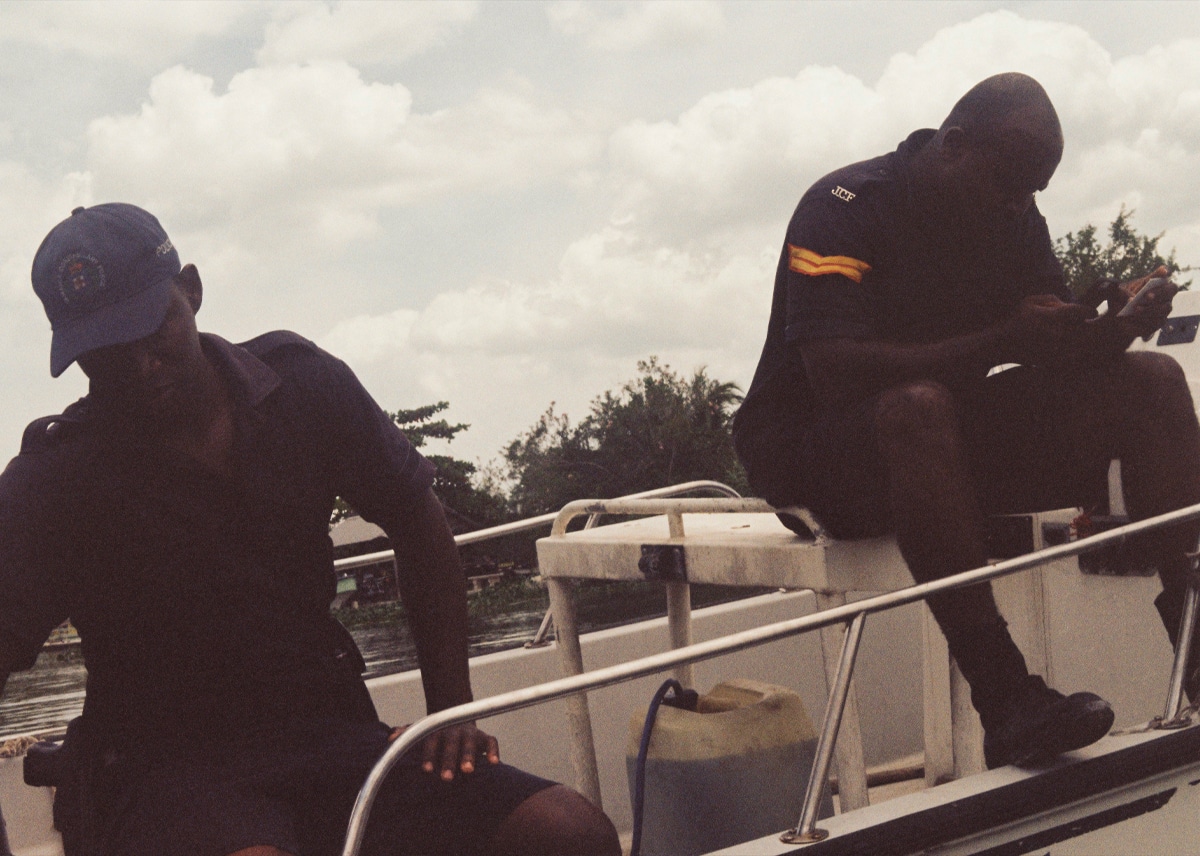
Marlon James: a Jamaican reckoning
'A return to a home I barely knew'
The name of this wallpaper is ‘Childhood’
A luminescent bubble of memory



Illuminating, in-depth conversations between writers.
Listen to all episodes
SpotifyApple Podcasts
Amazon Music
YouTube
Other apps

The series that tells the true-life stories of migration to the UK.
Listen to all episodes
SpotifyApple Podcasts
Amazon Music
YouTube
Other apps
WritersMosaic interrogates the notion of ‘staying in your lane’ by asking writers how they attempt to think beyond the parameters of their cultural identity.
Listen to all episodes
SpotifyApple Podcasts
YouTube