
The Day I Fell Off My Island

Yvonne Bailey-Smith
Myriad Editions, 2021
Review by Nicole-Rachelle Moore
In Yvonne Bailey-Smith’s The Day I Fell Off My Island, we meet Erna Mullings (who was to be Irma, but for her Uncle Cleveland’s penchant for strong white rum which got in the way of the correct information being registered!). She is living happily with her grandparents and three younger siblings in an idyllic rural Jamaican village.
Bailey-Smith evocatively details Erna’s early childhood world, and uses both humour and the rich Jamaican nation language to do it.
‘A wah fi do, Sippa, a soh de pickney stay. It nuh like she nuh hear what yuh tell har fi do! She jus do it when a ready she ready,’ says Grandma Melba to her husband Sippa, about their younger granddaughter’s stubbornness.
The novelist trains her lens on family – on the absence of maternal feeling for any of her children in Erna’s mother Violet, and on the high emotional price paid by them all. She draws imaginative attention to the complexity of Erna’s father with his multiple children by different mothers, and explores the trauma of separation: Violet leaves for England, and the younger children are abducted by their father. Erna, too, leaves her beloved Jamaica for England and the author not only offers the perspective of grief felt by children but also that experienced by loving grandparents. She looks at the painful chasm between Erna and her siblings, their long separation and her siblings’ subsequent identity as British in opposition to hers as Jamaican. Bailey-Smith tackles the damage of familial sexual abuse with measured, unfolding openness.
Seamlessly threaded through The Day I Fell Off My Island are significant social issues alongside traditional cultural knowledge. When Grandma Melba dies, Grandpa Sippa and Uncle Cleveland pass Erna over her grandmother’s casket: ‘De passing-over is a long tradition from Africa time. It will help yuh grandmada go an har way to meet har maker.’ Afterward, at the graveyard Erna notices: ‘Women spoke in tongues and moved their bodies in ways I later learned were traditional African funeral dances that had survived the slave trade.’
While exposing everyday sexism, Bailey-Smith withholds judgement and writes with simplicity and tenderness, underscoring genuine ignorance of this prevailing inequality:
‘My mother never found a way to ask her parents why it was that all of her brothers were either in school or had left to pursue further studies, while all her sisters had left to go to work as domestic helpers. Still, she accepted that that was how things were and held on to her dream of one day having enough money to buy the material for a real fine church dress.’
Moving between Jamaica and England, the story touches on that perennially niggling question: where is home? And how and when can Erna make her peace with it? The Day I Fell Off My Island sits comfortably within the Caribbean literary canon and a growing genre of Windrush novels. The book also hails the necessity and value of female friendships, the reality of supportive sisterhood, both holding Erna and opening her to affirming experiences and new ways of thinking (there is even a reference to London’s New Beacon Books!).
Bailey-Smith successfully manages to layer her impressive debut novel with a range of engaging themes, and in Erna has a protagonist the reader cares about throughout.
https://myriadeditions.com/books/the-day-i-fell-off-my-island-pbk/
WritersMosaic monthly
Get new reviews in your inbox
One email monthly, unsubscribe anytime
Ever Land
A layered and haunting view of daily life in occupied Palestine
Mahsa Salali’s Naqqāli
'Salali positions the female body... as an active agent'

At Sea
Bearing witness in the face of dismissal

Triage
A response to the endless spiral of worldwide conflict and tragedy
My tomorrow is today
'I clasped my hands together, not in prayer but to stop them from shaking'
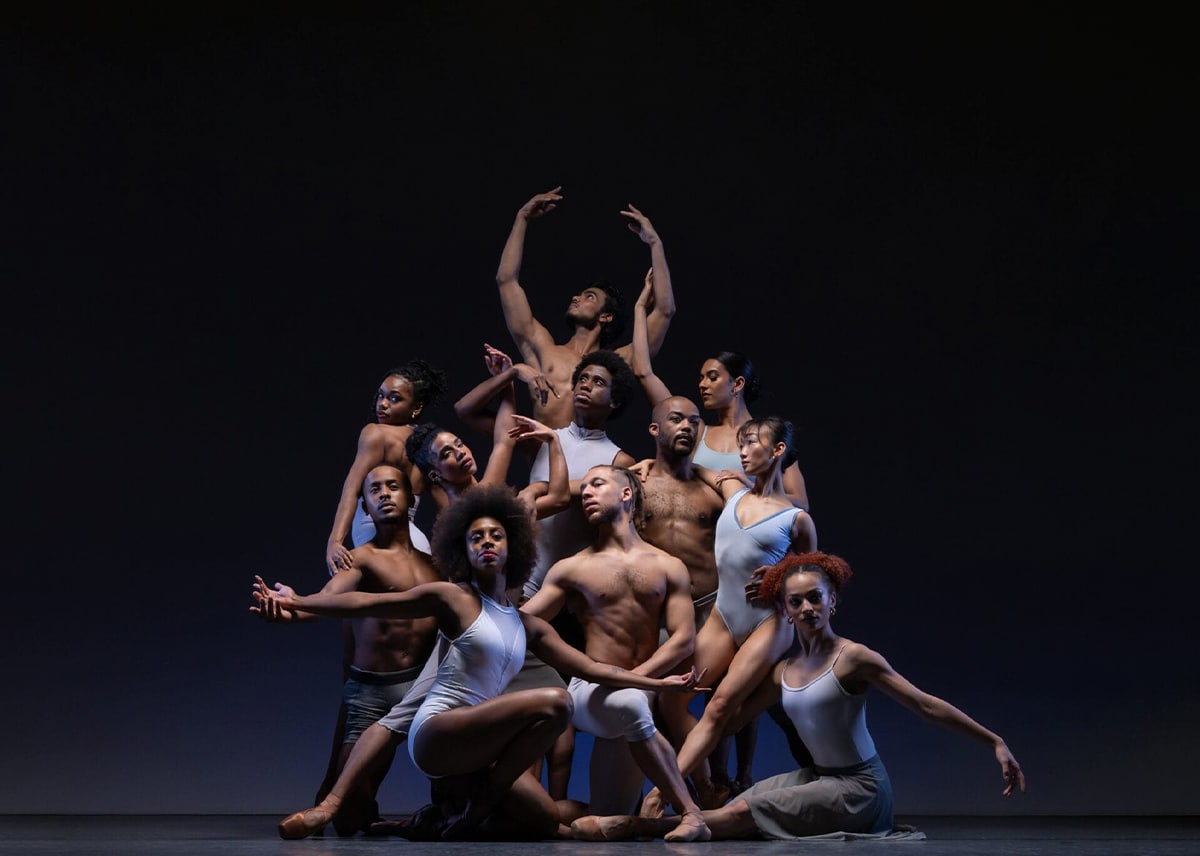
Ballet Black at 25
Cassa Pancho: 'It’s a miracle that we are still here in some way'

Free Will
Will Harris reads his poem, 'Free Will'. Directed by Matthew Thompson and commissioned by the Adrian Brinkerhoff Poetry Foundation.

Half Written Love Letter
Selina Nwulu reads her poem, 'Half Written Love Letter'. Directed by Matthew Thompson and commissioned by the Adrian Brinkerhoff Poetry Foundation.

Illuminating, in-depth conversations between writers.
Listen to all episodes
SpotifyApple Podcasts
Amazon Music
YouTube
Other apps

The series that tells the true-life stories of migration to the UK.
Listen to all episodes
SpotifyApple Podcasts
Amazon Music
YouTube
Other apps
WritersMosaic interrogates the notion of ‘staying in your lane’ by asking writers how they attempt to think beyond the parameters of their cultural identity.
Listen to all episodes
SpotifyApple Podcasts
YouTube
In the first series of poems commissioned by Hannah Lowe, six poets explore how ritual gives meaning to our lives.
Listen to all episodes
SpotifyApple Podcasts
YouTube