
Hard Truths

Directed by Mike Leigh (2024)
Review by Zebib K. Abraham
Hard Truths, the sixteenth feature film from renowned writer and director Mike Leigh, follows Pansy, a lonely and bitterly angry woman navigating long standing anxiety, dissatisfaction with her marriage and adult son, and a conflicted relationship with her sister. It’s a blistering, intense, sometimes funny domestic drama. Buried within this family’s conflicts and avoidance, there is an aching core of vulnerability.
Hard Truths begins with Pansy waking up gasping. This stark introduction pulls us immediately into her state of mind. Even in sleep, Pansy is on edge and from the moment she is dragged into consciousness, she finds herself bombarded and overwhelmed by the world. The sounds of children playing outside are discordant, chaotic sounds. She often stands at the window, fearful and watchful. As her son and husband come in and out of the room, Pansy unleashes a stream of criticism and complaints. She is afraid to leave her house, and when she does, she interprets her interactions as threatening and laced with bad intentions. Pansy starts arguments wherever she goes.
As the film goes on, we meet Pansy’s sister, Chantelle. Chantelle and her two cheerful daughters are the polar opposite of Pansy and her family. Chantelle, played by Michele Austin, is a wonderfully bright foil to her bitter sister. Her positivity and generosity may remind us of the main character of another Mike Leigh film, Happy-Go-Lucky in which Poppy (another flower name, an ironic connection between the two films), as played by Sally Hawkins, is a kind, endlessly cheery person, bringing joy and good intentions wherever she goes. Chantelle repeatedly insists Pansy visit their mother’s grave on Mother’s Day. Her persistence allows her to break through to Pansy for brief moments; she seems to be the only one who can see Pansy’s deep pain and despair.
The film is a character study, a domestic drama, an intimate and vivid portrait of several days in the life of a tortured woman. Director Leigh crafted the film around extensive workshopping and feedback from the actors, allowing the characters to become specific and fully-drawn. This creates scenes of tangible realism, from playful and naturalistic interactions, to vicious tirades, to moments of spiraling hopelessness.
Hard Truths is a showcase for the wonderful Marianne Jean-Baptiste, who fully inhabits her character’s anger and pain. We believe her, we hate her, we pity her. Every single performance, from minor characters to family members, is nuanced. The camera hovers on other characters’ faces as they react, or avoid, Pansy’s anger. In their shifting discomfort, rageful reactions, or helplessness, the film offers us brilliant insights into human behaviour, personality, grief, and our poor coping mechanisms. The film allows the seemingly impossible; empathy for an angry, mean character. Perhaps Pansy’s husband has also failed her. Perhaps she has been abandoned by her family.
The cinematography of Hard Truths feels direct and grounded, with many close-up and midrange shots focusing on body language and crisp visuals that allow a stark depiction of day-to-day events. In his production design, Leigh scouted for character-appropriate neighborhoods and homes to shoot in; these spaces reflect socio-economic status and life experience. Actors spent time in these houses to acclimatize to the space. We have a sense of these spaces being their real homes, lived-in and claustrophobic in turn.
Over the course of the film, we watch a series of escalating moments that do not provide resolution. While this may be realistic, there is a sense of being left hanging at the end of the film, a feeling that the final act is missing. Nevertheless, Hard Truths will leave us shaken and off-kilter, with a sense of deeper insight into the anger, pain, avoidance, grief, and joy we all carry with us.
WritersMosaic monthly
Get new reviews in your inbox
One email monthly, unsubscribe anytime
The Complex
The unraveling of a dynasty
Disappearing Images
A festival of ephemeral art and the impermanence of our current world
Ever Land
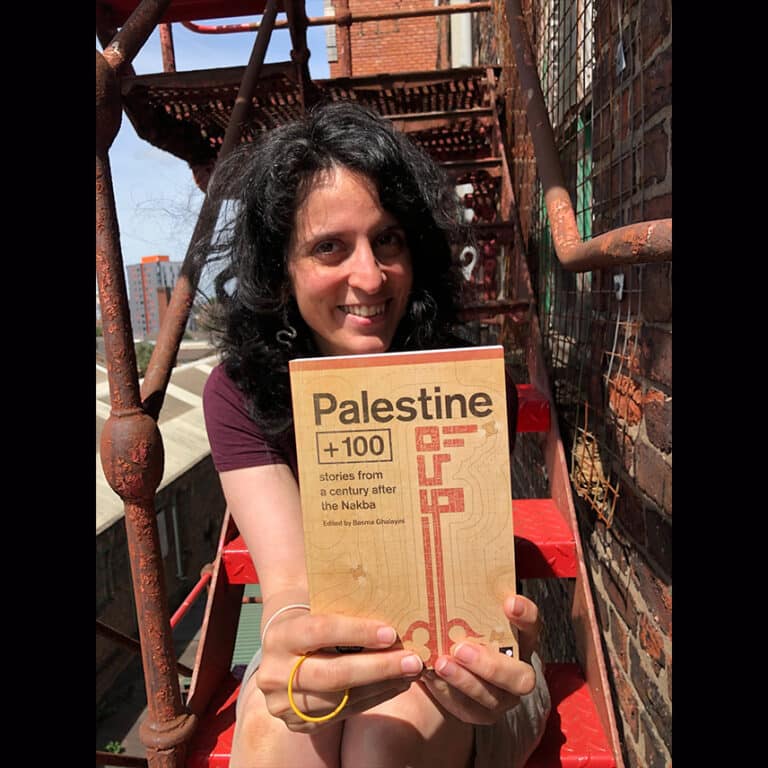
A layered and haunting view of daily life in occupied Palestine
Coats
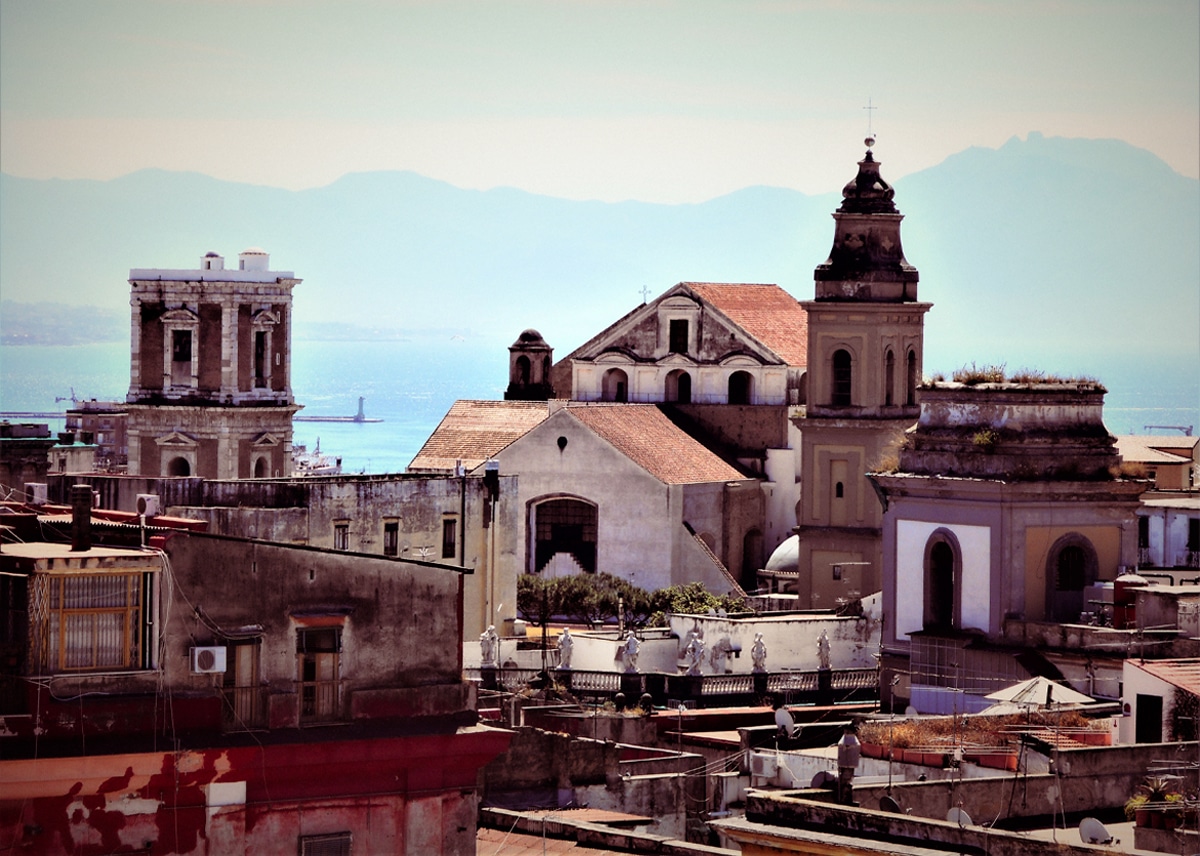
The unexpected cost of acquiring two Italian leather coats in Rome
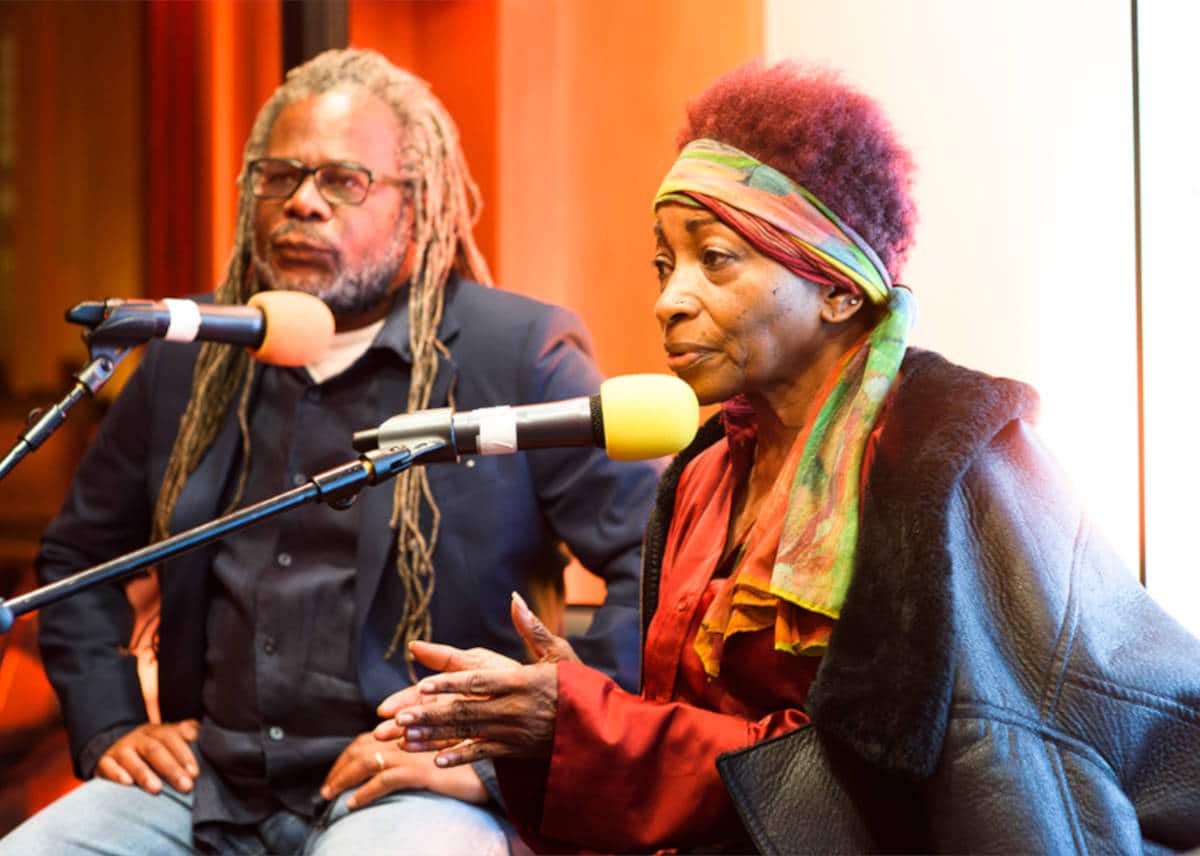
A tribute to Bonnie Greer
Founding editor of WritersMosaic Gabriel Gbadamosi pays tribute to Bonnie Greer, the extraordinary writer, public intellectual and much admired contributor to WritersMosaic who died on 15 September, 2026.
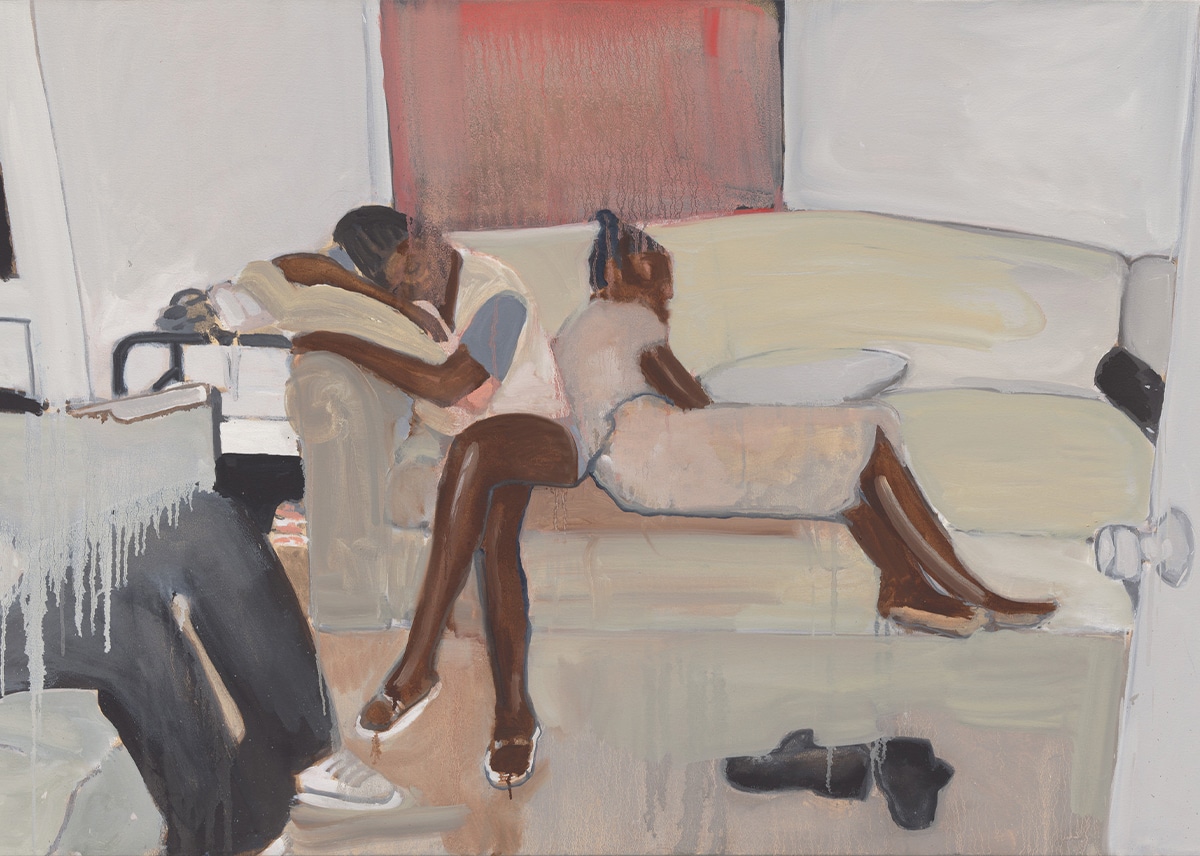
Triage
A response to the endless spiral of worldwide conflict and tragedy
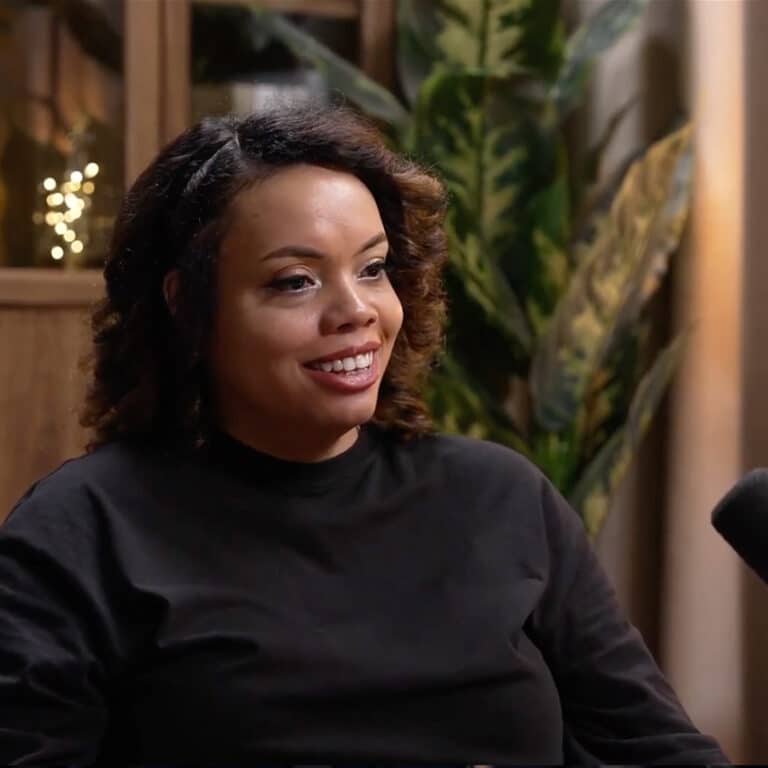

Free Will
Will Harris reads his poem, 'Free Will'. Directed by Matthew Thompson and commissioned by the Adrian Brinkerhoff Poetry Foundation.

Half Written Love Letter
Selina Nwulu reads her poem, 'Half Written Love Letter'. Directed by Matthew Thompson and commissioned by the Adrian Brinkerhoff Poetry Foundation.

Illuminating, in-depth conversations between writers.
Listen to all episodes
SpotifyApple Podcasts
Amazon Music
YouTube
Other apps

The series that tells the true-life stories of migration to the UK.
Listen to all episodes
SpotifyApple Podcasts
Amazon Music
YouTube
Other apps
WritersMosaic interrogates the notion of ‘staying in your lane’ by asking writers how they attempt to think beyond the parameters of their cultural identity.
Listen to all episodes
SpotifyApple Podcasts
YouTube
In the first series of poems commissioned by Hannah Lowe, six poets explore how ritual gives meaning to our lives.
Listen to all episodes
SpotifyApple Podcasts
YouTube