
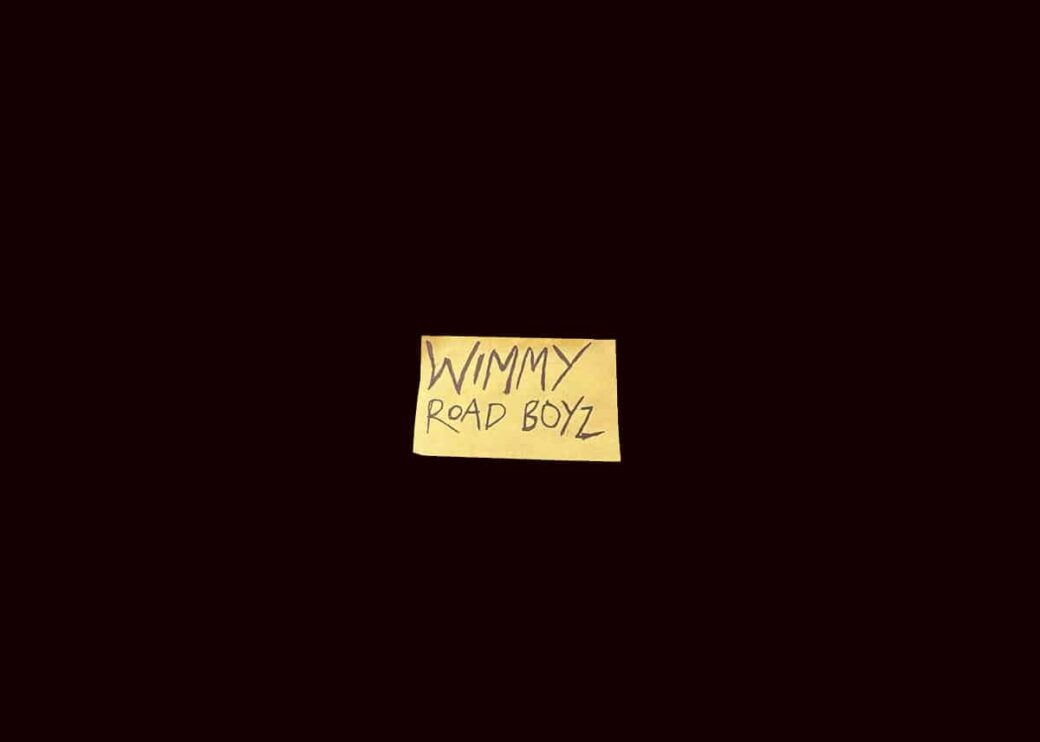
Wimmy Road Boyz
Sufiyaan Salam
Cornerstone, 2026
Immy, Khan, and Haris are stuck in traffic. Heading up Wilmslow Road – Manchester’s famous ‘Curry Mile’ – the Wimmy Road boys look to escape themselves for a wild night of youthful mayhem. Yet though their white BMW stands still, the boys’ journey takes off at breakneck speed as all three are thrust into a series of events that will scrape their insides out, lay them bare, and change them forever.
The book begins with remarkable energy. Sufiyaan Salam projects a film right into the reader’s mind – complete with frantic camera directions as we ‘whip pan’ and ‘quick cut’ between introductions: Immy (the player), Khan (businessman) and Haris (the sensitive soul). While these young men are initially presented as archetypes, summed up in one line, as in screenplay stage directions, Salam slowly chips away at their masks, revealing profound vulnerability beneath.
The narratorial language mixes the boys’ dynamic roadman slang with sprawling poetic description: ‘and outside, it’s some amber dystopia, fam. the sun’s dullish departure leaving a torrid rust atop the world.’ A reflective roadside bathroom break is painted with Joycean detail, and other mundane instances are described with a unique flair. Immy is nervous to send a text, but the book tells us ‘quivering fingers sent text-boats out into the wilds of the whatsapp sea’.
Wimmy Road Boyz shines in its specificity; the book is chock-full of cultural references from Islam to Instagram reels. We learn about the boys’ family backgrounds, their religious struggles, their romantic histories, but also the brands they’re wearing, the podcasts they’re listening to, the celebrity heartthrobs they’re trying to look like. These details lend intriguing credibility to these characters – as if you could take your own drive up to Wilmslow Road and run into them on the way.
Once we get to know these boys, we are slowly given access to their complex emotional struggles. They are concerned with masculinity, not yet comfortable at the endpoint of their journey into manhood. They meet first in school, with copied maths tests leading to a fist fight on the football field. As the punches fly between Khan and Haris, ‘Immy just knew, just kneeeeeeew – like Simon Cowell with a bunch of teenagers – that together, holy shit, would they make a fantastic group.’ From the beginning, the spectre of violence looms over the trio as a force of destruction and catharsis.
The book takes an unflinching look at the relationship between violence and masculinity, with one brutal beating twice described as an expression of ‘gender euphoria’. Immy, Khan and Haris are filled with competing impulses: to hurt, to comfort, to communicate, to hide. Furthermore, the discrimination and suspicion they face as British-Pakistani Muslims poisons their perception of their own anger, viewing it as inherently dangerous or destructive. After an altercation, one of the boys ponders that:
‘maybe the tabloids are right,
it really is some beast brown boys carry inside them’.
The book paints a close, caring, brotherly friendship between the boys. The friendship is unconditional, but equally encumbered by fear. All three struggle to unburden what weighs on their hearts and, by extension, struggle to address the turmoil they see in each other. They are afraid to be vulnerable or to force each other to be so: ‘what do you do when your boy’s down-spiralling like a deep-sea drill? should he distract him from his problems? confront him? let him ride these choppy waves all on his ones?’
The fallout of this suppressed anger and violent masculinity affects not only Immy, Khan and Haris but the women surrounding them: their mothers, sisters and even women they’ve just met. The second person ‘you’ is sometimes used to situate the reader in these women’s perspectives. We are prompted to view the boys through their eyes and experience the reverberations their actions cause. A women’s march against rape culture is also introduced early in the novel, making sure to remind us that toxic masculinity does not exist in a vacuum, contributing solely towards the men’s inner turmoil, but also impacts society at large.
Despite the many vibrant, witty and fun sections of this book, there is an undeniable darkness at its core. Salam’s balance of tone ensures that this darkness will hit you just as hard as the sucker punches the boys throw around. It is perfectly integrated into the book’s themes, never feeling gratuitous or unearned. Nevertheless, a lot of this book is difficult, troubling and uncomfortable. Like a ride at top speed in a BMW, it can leave you feeling sick, afraid, excited and invigorated all at once.
Penguin Books: Wimmy Road Boyz
Lily-Ann Cunningham
Lily-Ann Cunningham is currently studying for a Masters in Creative Writing at Oxford University.
WritersMosaic monthly
Get new reviews in your inbox
One email monthly, unsubscribe anytime
Pressure
What's missing from the latest 'untold story behind D-Day'?
A Trial
An examination of theatre’s complicity in post-truth politics

The Complex
The unraveling of a dynasty

Marlon James: a Jamaican reckoning
'A return to a home I barely knew'
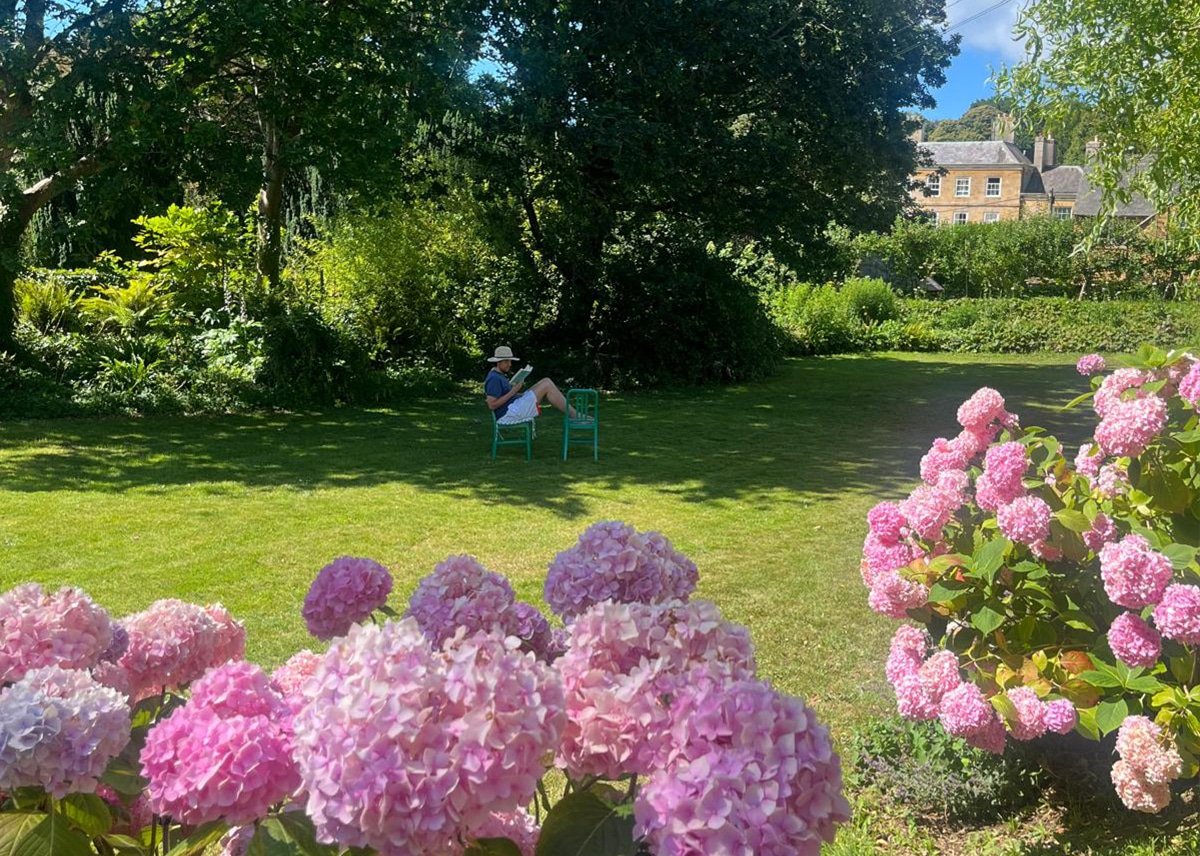
The name of this wallpaper is ‘Childhood’
A luminescent bubble of memory
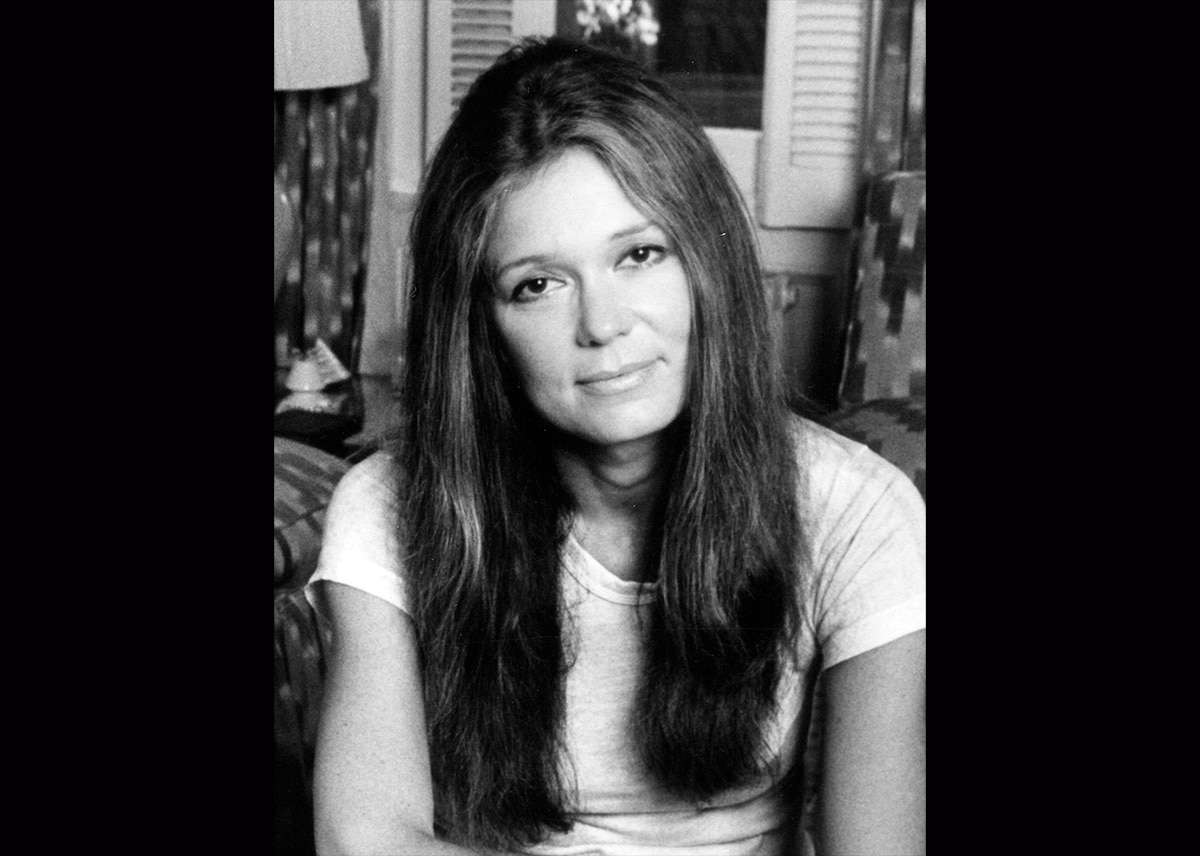
What’s in a feminist? Holding on to Gloria Steinem
Is Gloria Steinem's feminism still relevant today?



Illuminating, in-depth conversations between writers.
Listen to all episodes
SpotifyApple Podcasts
Amazon Music
YouTube
Other apps

The series that tells the true-life stories of migration to the UK.
Listen to all episodes
SpotifyApple Podcasts
Amazon Music
YouTube
Other apps
WritersMosaic interrogates the notion of ‘staying in your lane’ by asking writers how they attempt to think beyond the parameters of their cultural identity.
Listen to all episodes
SpotifyApple Podcasts
YouTube